Pressure readings
Gauge readings before and after the fix, in plain language
Water pressure problems are symptoms, not diagnoses: low pressure, high pressure, pressure that drops when another tap runs, and pressure that hammers pipes all have different causes, and each cause has a different fix. SoCo Plumbers diagnoses Conyers pressure problems to their cause, supply, valve, pipe or fixture, and fixes the cause. SoCo Plumbers is open Monday to Friday, 9 AM to 5 PM, and closed Saturday and Sunday. If you call outside those hours, call again during business hours.
Pressure work starts with a gauge, not with a part. We measure pressure at the home, trace how it behaves under load, and only then decide whether the cause is a valve, a supply restriction, a fixture, or a municipal supply matter outside the home's plumbing.
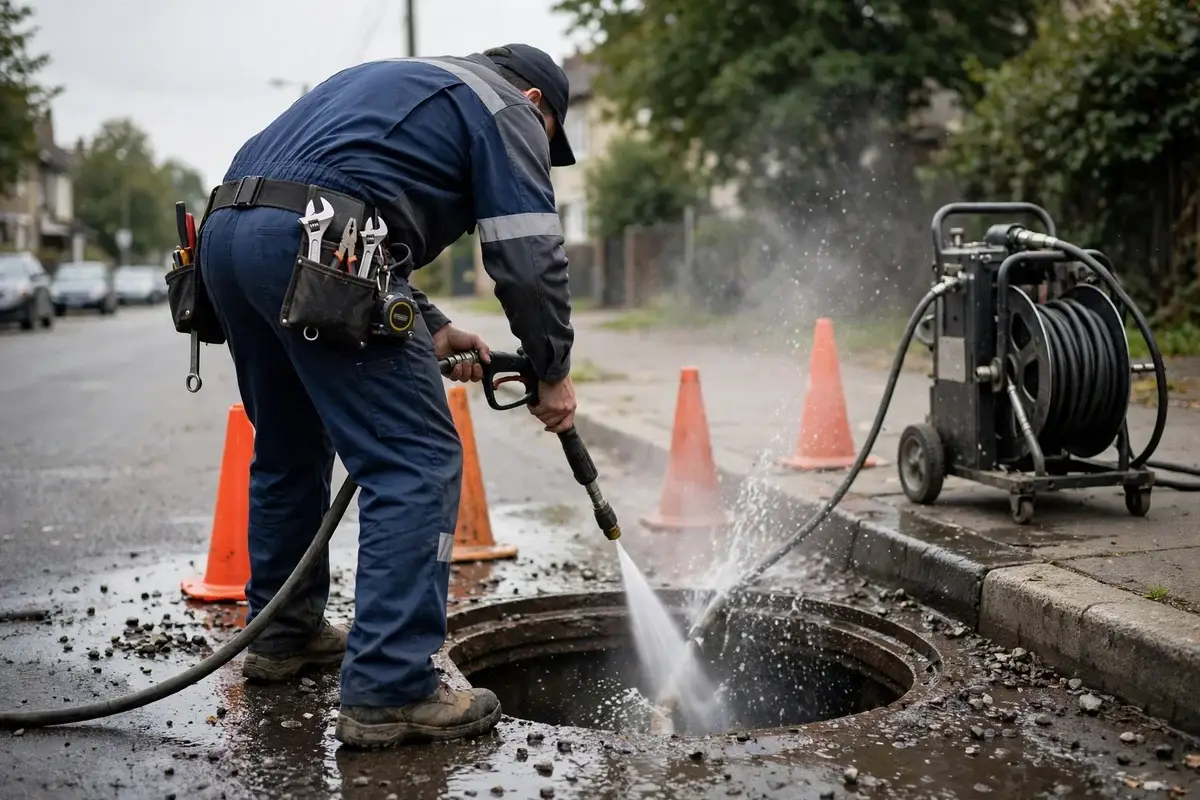
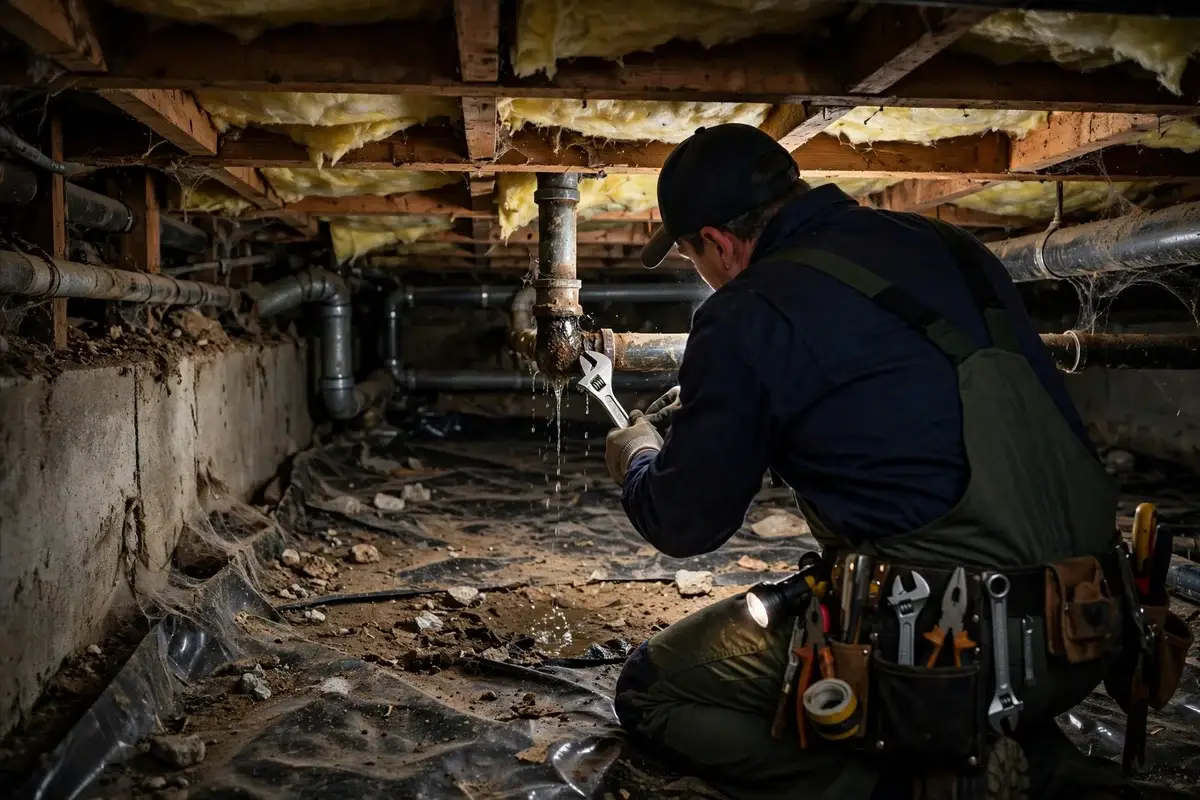
Conyers homes present pressure problems from several directions: ageing pipe narrowed by years of use, pressure-reducing valves wearing out, fixtures clogging with sediment, and supply arrangements that vary by parcel. Diagnosis separates those directions before any part is changed.
Small commercial premises present pressure problems under heavier use, where a valve or supply restriction affects many users at once. The same gauge-first diagnosis applies, and larger commercial pressure systems are not claimed here.
Water pressure is the force that pushes water through pipes, and it is measured in pounds per square inch. Too little pressure, and showers dribble and taps take forever to fill; too much, and pipes, joints, fixtures and appliances wear faster and leak sooner; pressure that swings when another tap opens usually means the supply cannot keep up with demand, or a valve is failing to regulate it. The causes sit in a short list: the municipal supply itself, the home's main shutoff or pressure-reducing valve, restrictions in ageing or clogged pipe, and fixture-level blockages such as aerators. Measuring pressure, and watching how it behaves when taps open and close, is what separates those causes, and that measurement is the first step on every pressure visit in Conyers, whatever the symptom described on the phone.
Two related problems are worth distinguishing from pressure itself. A hidden leak can present as low pressure or as a high bill, and our guide to detecting a hidden water leak explains the checks that separate a leak from a pressure problem. A water heater that runs out of hot water fast can also feel like a pressure problem, when it is really a capacity or heater problem, as our guide to a water heater running out of hot water explains. For the supply and valve work that pressure diagnosis most often leads to, plumbing repairs are the related service to read first.
Pressure is measured with a gauge, traced to a cause, and proven again after the fix.
Measure, trace, prove the cause, fix the cause, measure again.

Call +1 770-897-1640 during business hours and tell us whether pressure is low, high, fluctuating, or hammering, and whether it affects one fixture or the whole home. That distinction shapes the first measurement.
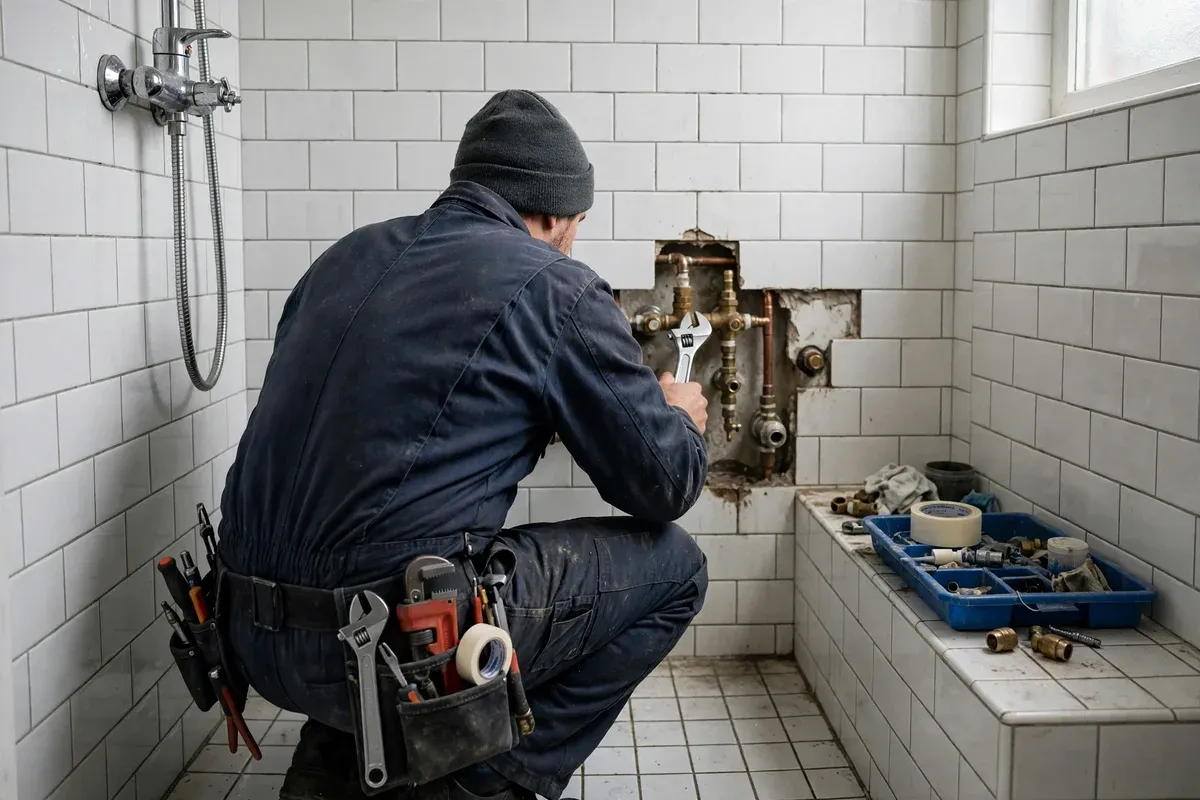
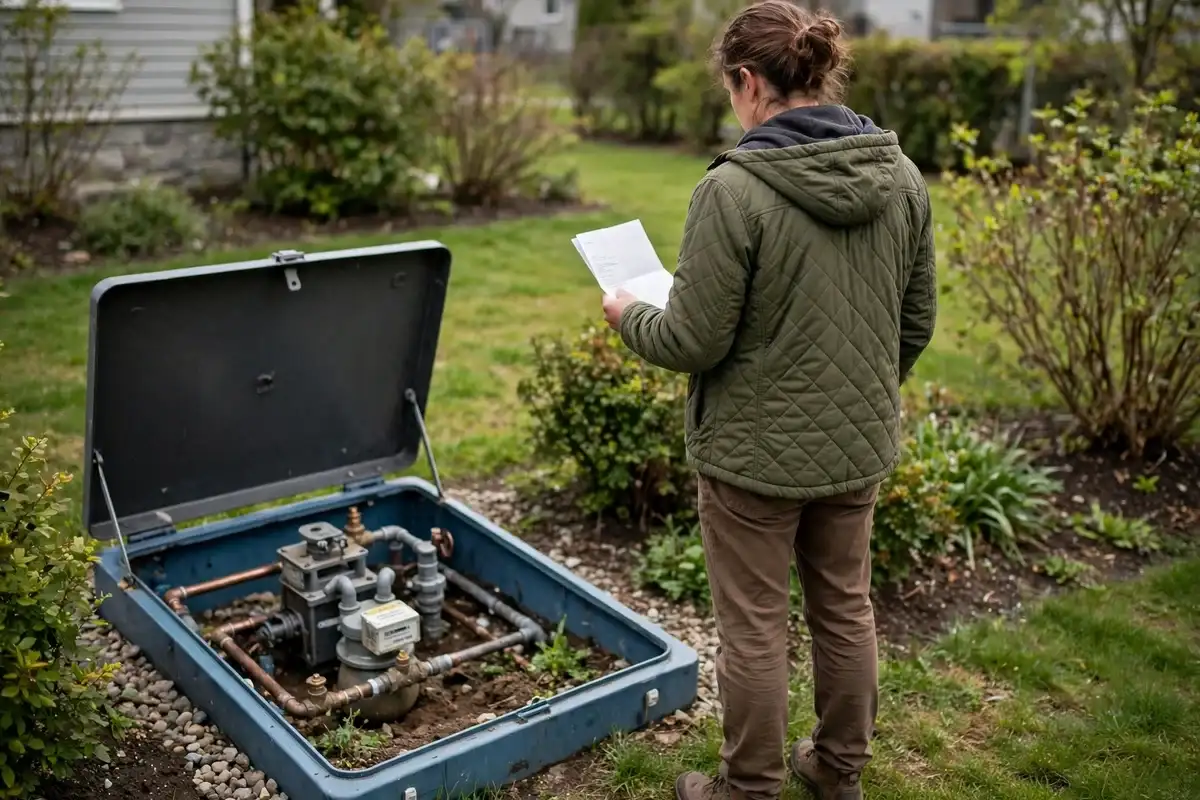
On site we measure static and running pressure with a gauge, at the main and at affected fixtures, so the problem is recorded in numbers before any part is discussed.
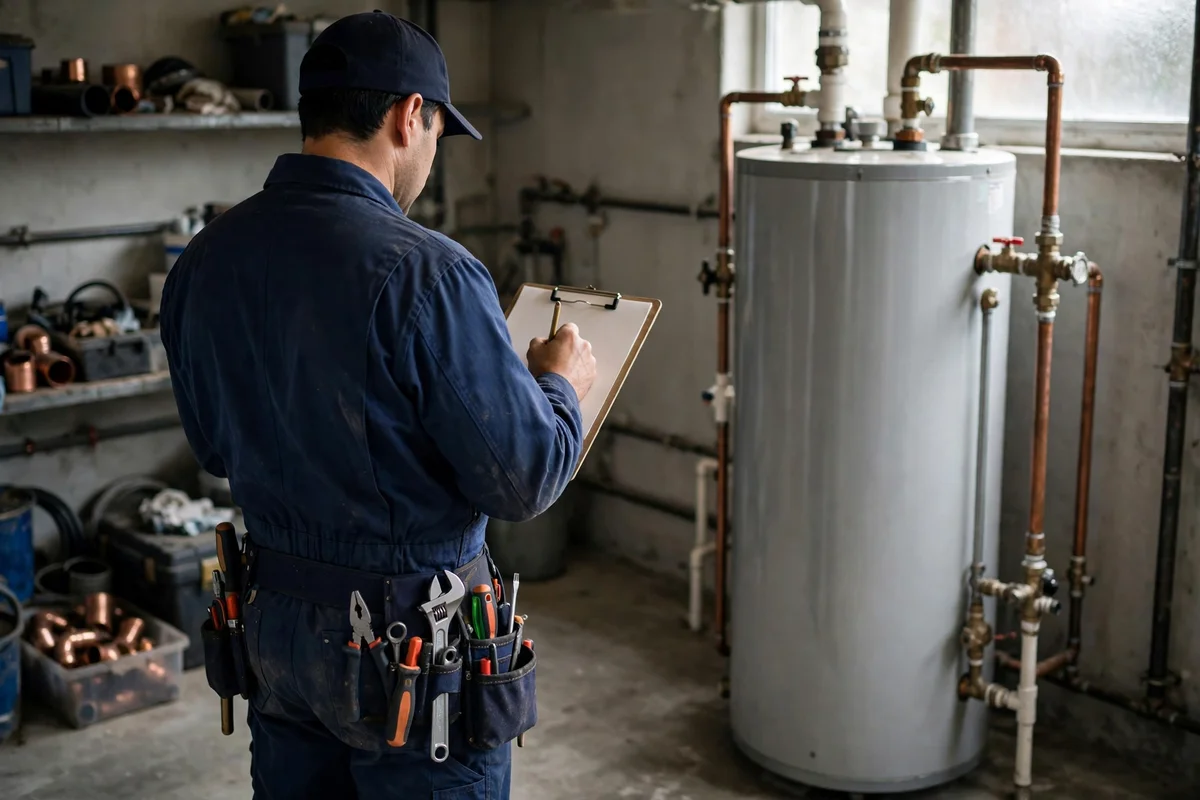
We check shutoffs, pressure-reducing valve setting and condition, aerators, supply lines and pipe condition, in the order the measurements point to, until the cause is proven.
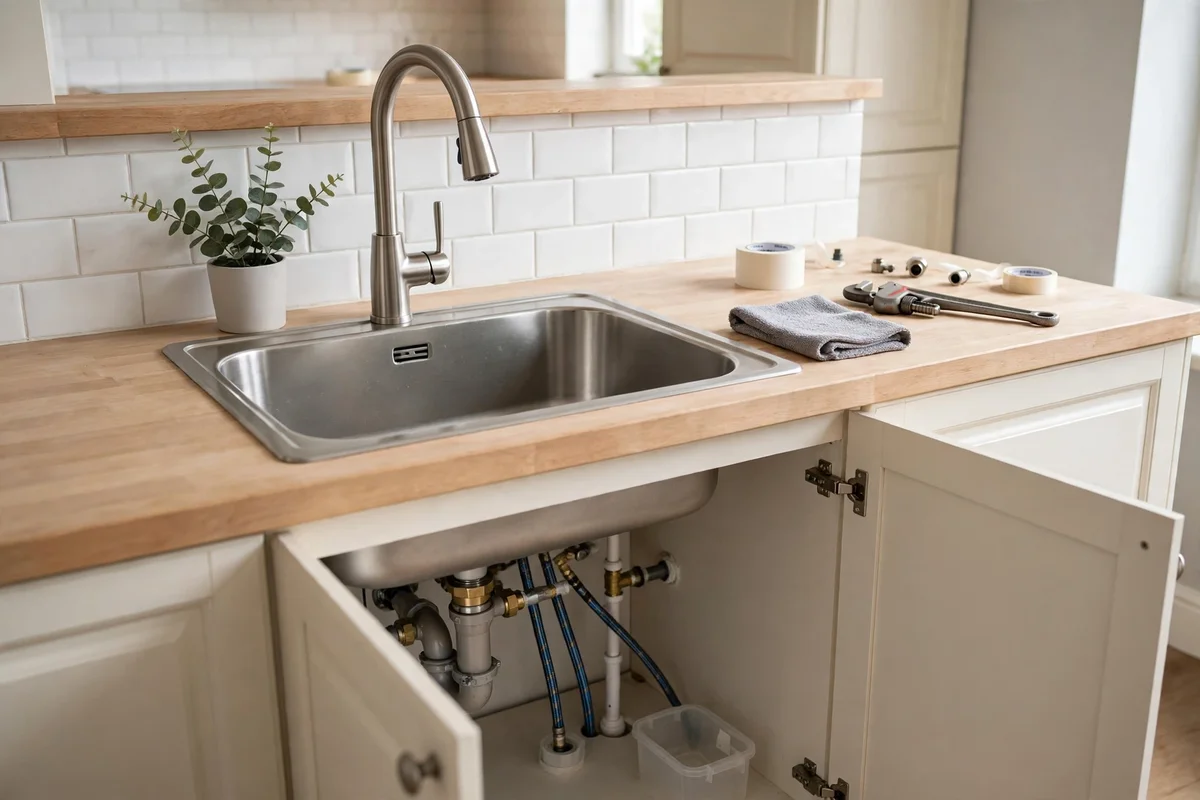
You get the scope and the price in writing before work starts, including whether the fix is a valve, a restriction clearance, a fixture part, or a referral where the cause lies outside the home's plumbing.
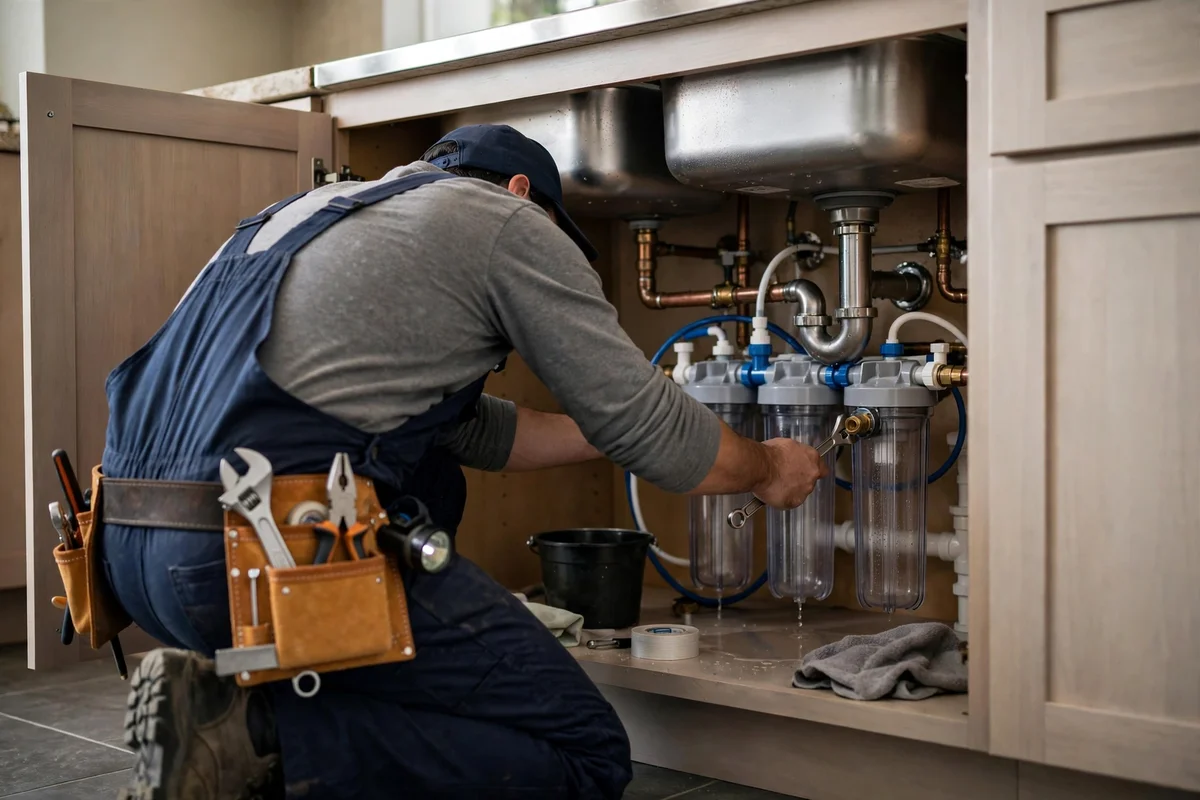
We complete the fix and measure pressure again, so the result is proven by gauge readings, not by a feeling that the shower seems better.
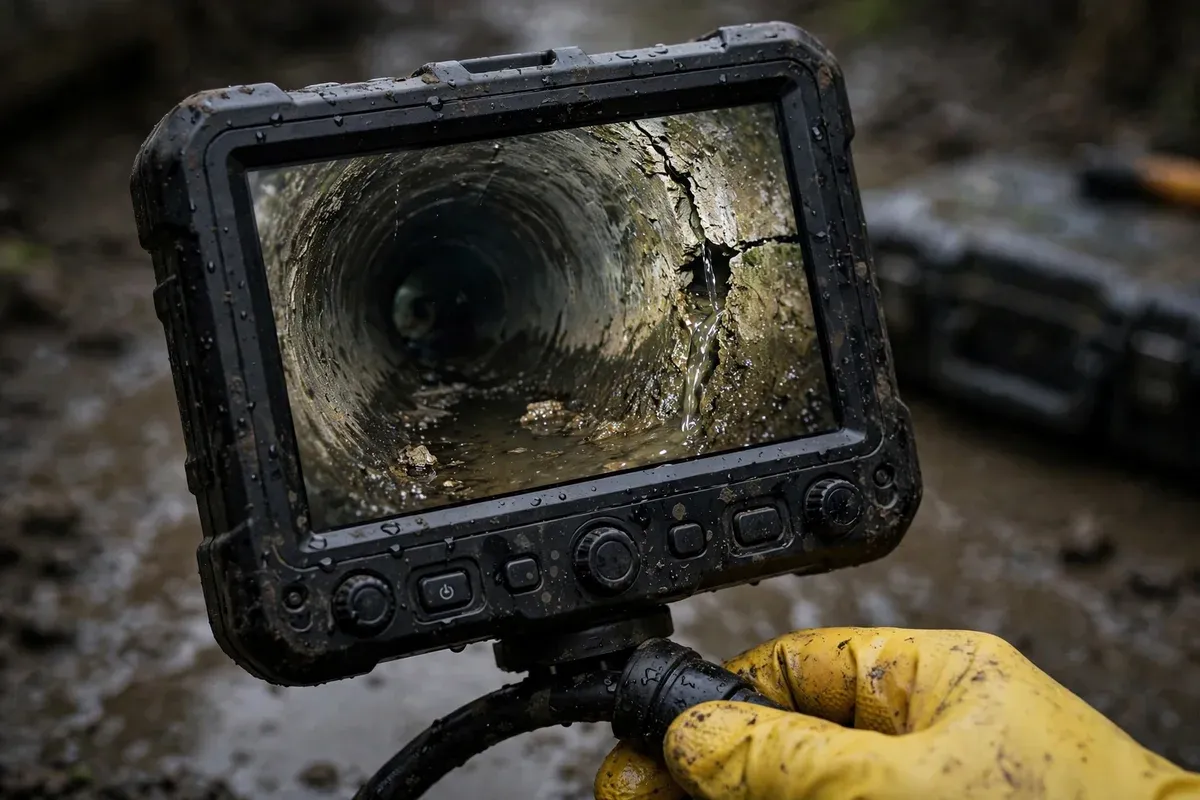
Gauges that measure static and running pressure at the main and at fixtures, so diagnosis rests on numbers, not on impressions.
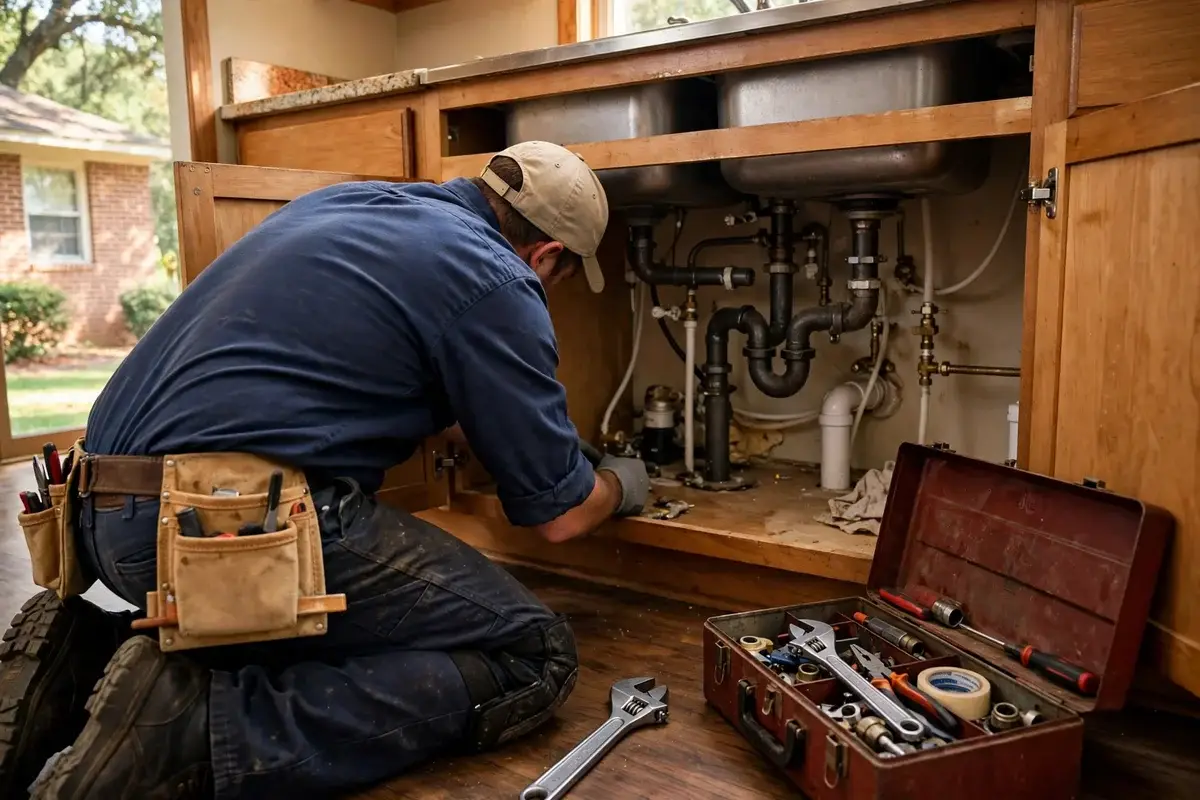
Setting and condition checks on pressure-reducing valves, distinguishing a mis-set valve from a failing one, because the two have different fixes.
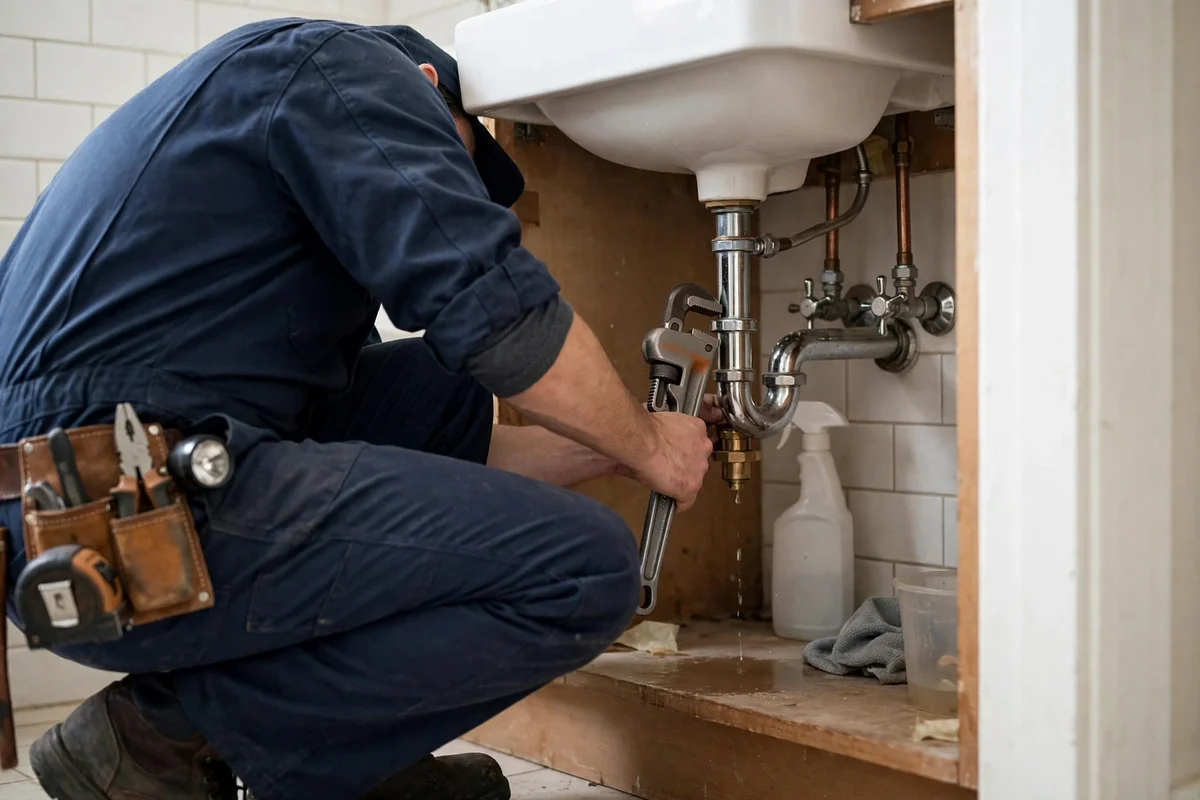
Main and fixture shutoffs checked for full opening, and supply lines checked for restriction, because a half-closed shutoff mimics a supply problem exactly.
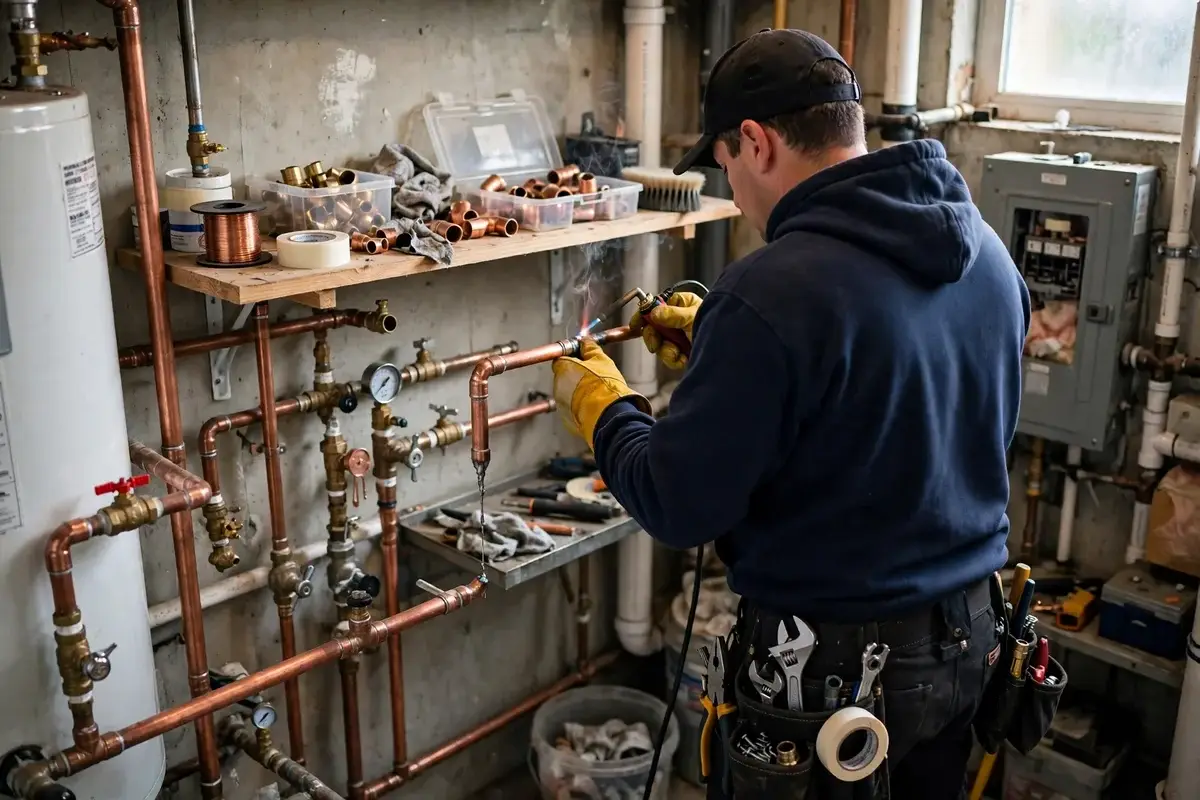
Aerators, cartridges and fixture supply lines checked for clogging, so a single-fixture problem is not mistaken for a house-wide one.
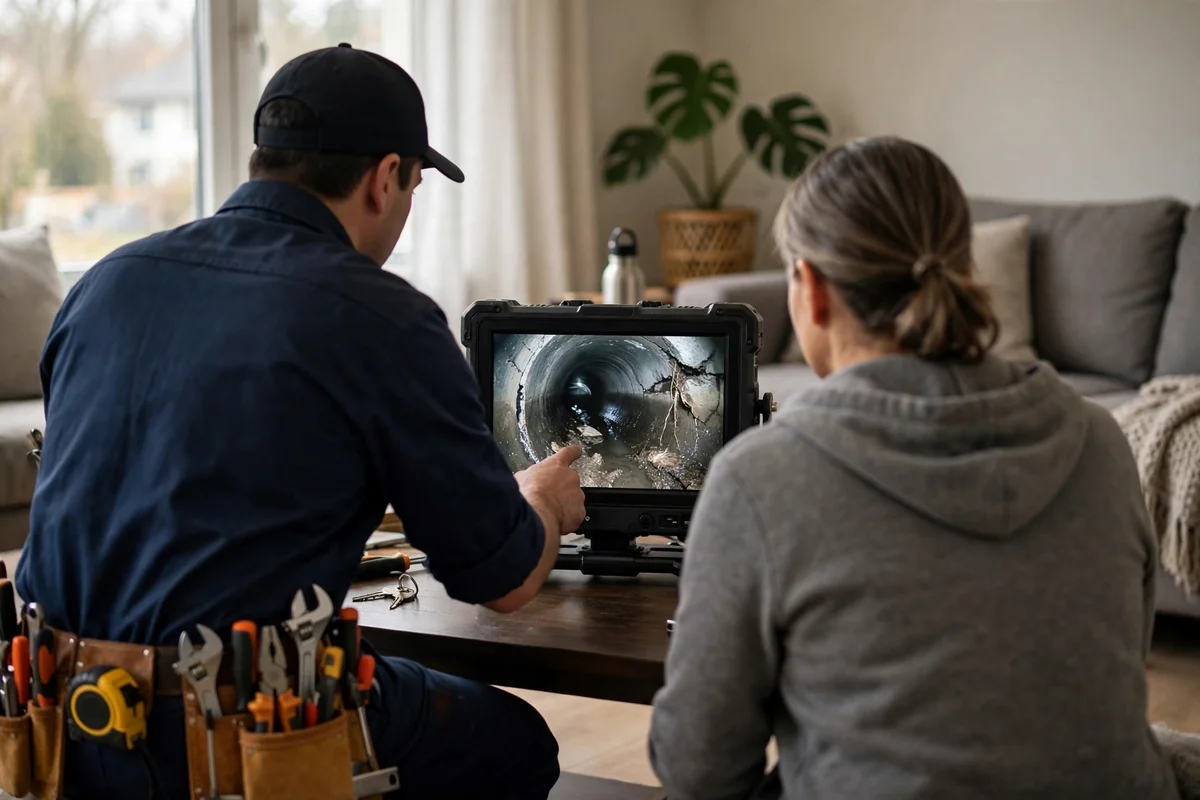
Ageing pipe checked for narrowing by scale or corrosion, where a house-wide pressure loss with no valve cause points to the pipe itself.
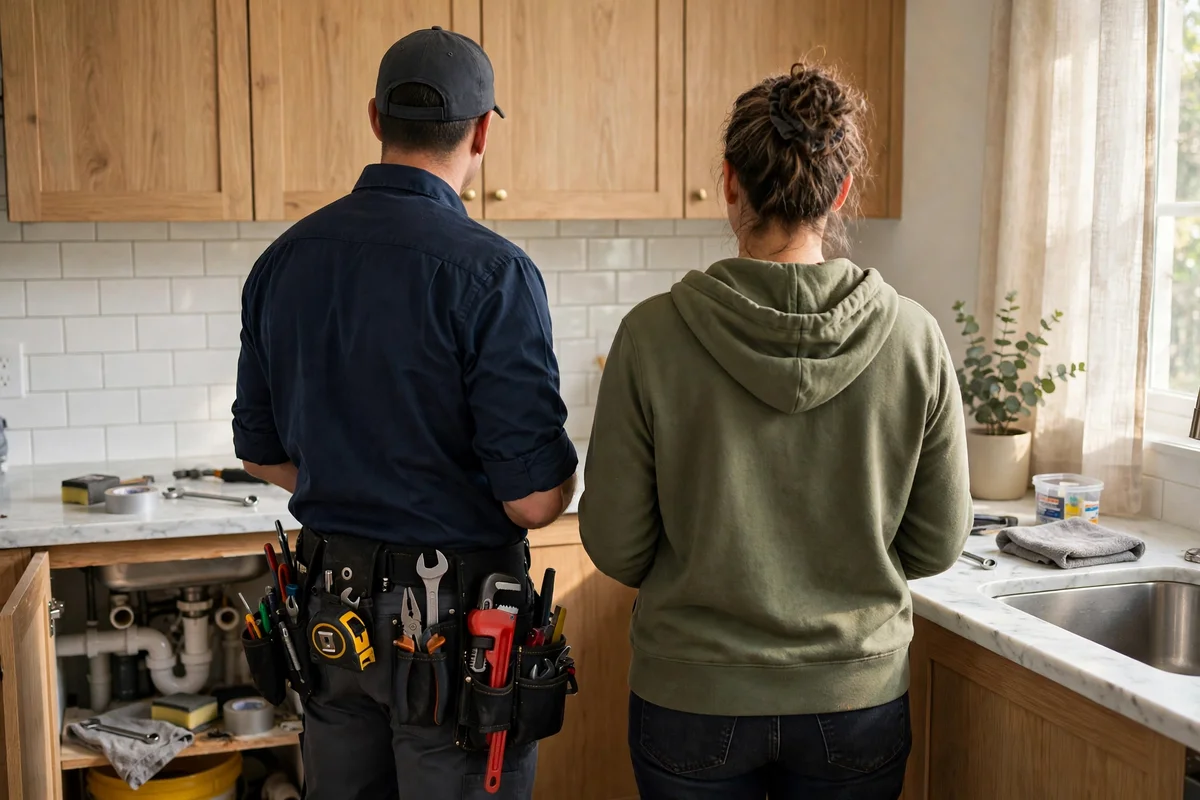
Banging investigated to its cause, such as fast-closing valves or missing arrestors, before any arrestor or valve change is priced.
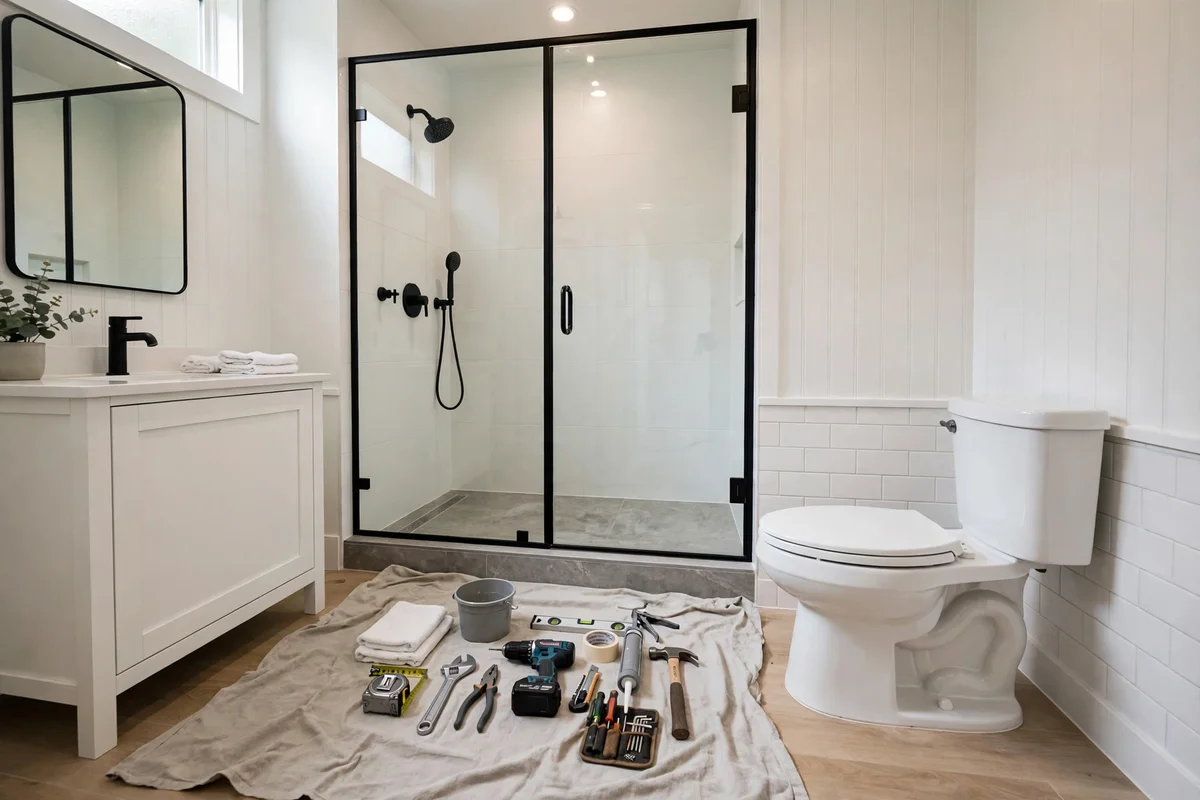
Pressure measured before and after the fix, so the homeowner sees the result in numbers, not just in a changed shower feel.
Pressure work in Conyers follows the 2024 International Plumbing Code with Georgia Amendments, effective 1 January 2026.
We measure house-wide pressure, check the main shutoff and pressure-reducing valve, and trace any restriction, because a house-wide symptom points to supply or valve causes.
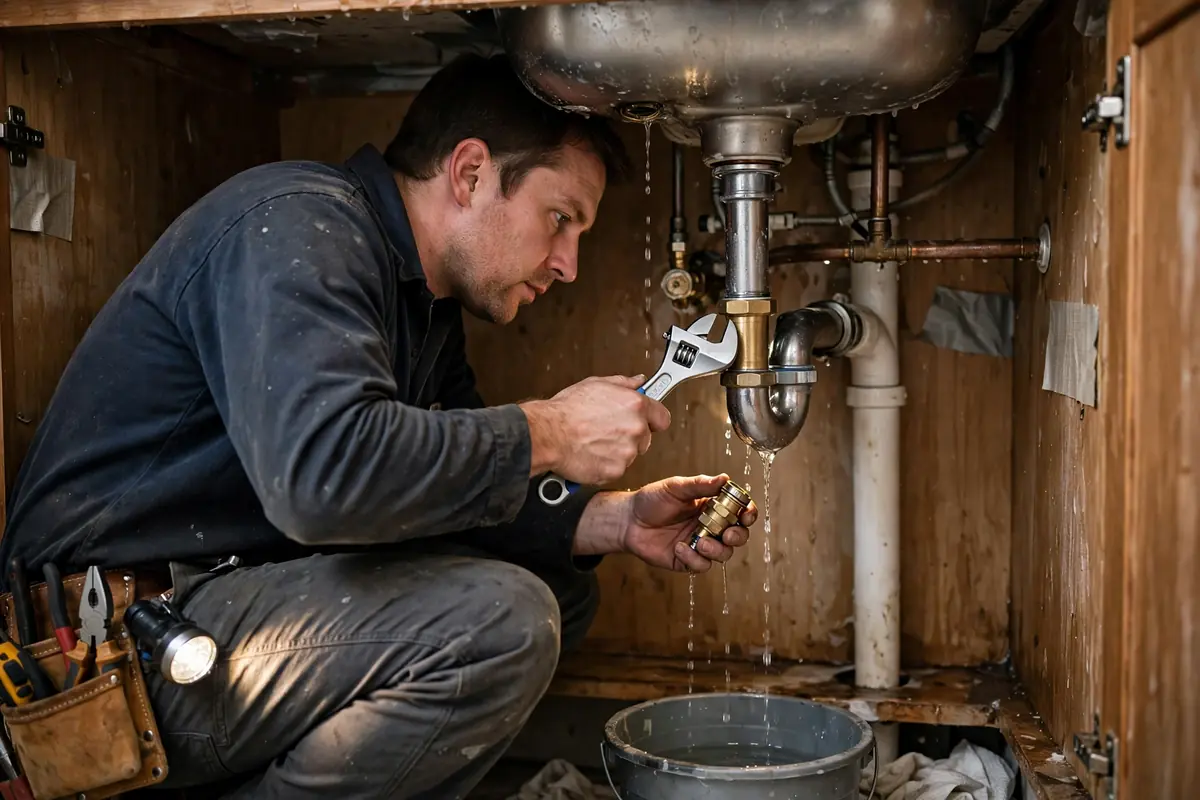
We check that tap's aerator, cartridge and supply line first. A single-fixture problem is usually a fixture problem, and it is fixed as one.
We measure pressure under load and check valve regulation and supply capacity, because a drop under load means demand is outrunning supply or regulation.
We investigate water hammer to its cause, rather than fitting an arrestor on hope, and we explain the cause before pricing any fix.
Water pressure in Conyers is a whole-system question, and its local context is the same age and parcel story as the rest of the city's plumbing. Ageing pipe narrows, pressure-reducing valves wear, and supply arrangements vary by parcel, with Rockdale surface water as the general supply. Municipal supply pressure itself can vary by area and elevation, and a pressure visit distinguishes a home-side cause from a supply-side one before recommending any home-side fix.
Showers dribbled throughout a home, and the homeowner assumed the municipal supply had fallen.
Gauge measurement showed house-wide low pressure with a failing pressure-reducing valve as the cause. The valve was replaced, pressure was re-measured, and normal pressure was restored on gauge evidence.
House-wide low pressure is measured first, then traced. Assuming a supply cause without measuring wastes the chance of a simple valve fix.
One kitchen tap ran slowly while every other tap in the home was fine, and the homeowner worried about a supply problem.
Checks showed a clogged aerator and a worn cartridge at that tap alone. Both were addressed, the tap was tested, and no house-wide work was sold.
One slow tap is usually one tap's problem. House-wide work sold for a single-tap cause is work the home did not need.
Pipes banged loudly whenever a tap closed quickly, and the homeowner feared a pipe was about to burst.
Investigation traced the banging to fast-closing valves without adequate arresting. The cause was explained, the fix was priced in writing, and post-fix measurement and operation confirmed the banging was resolved.
Banging is investigated to its cause. An arrestor fitted without diagnosis may quiet one symptom while leaving the cause in place.
Pressure problems look similar and have different causes. Here is how each one is diagnosed and fixed.
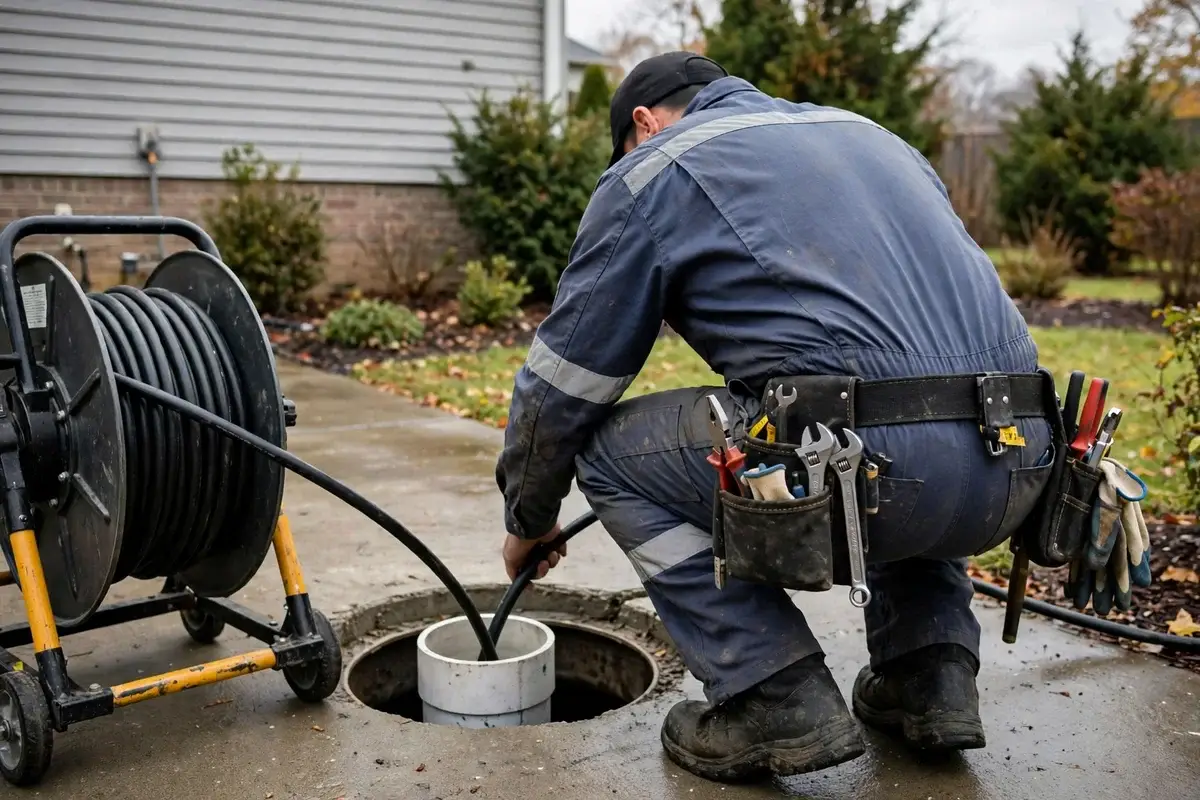
We measure pressure, check main shutoff and pressure-reducing valve, and assess pipe condition, until the cause, valve, restriction or supply, is proven and fixed at that cause.
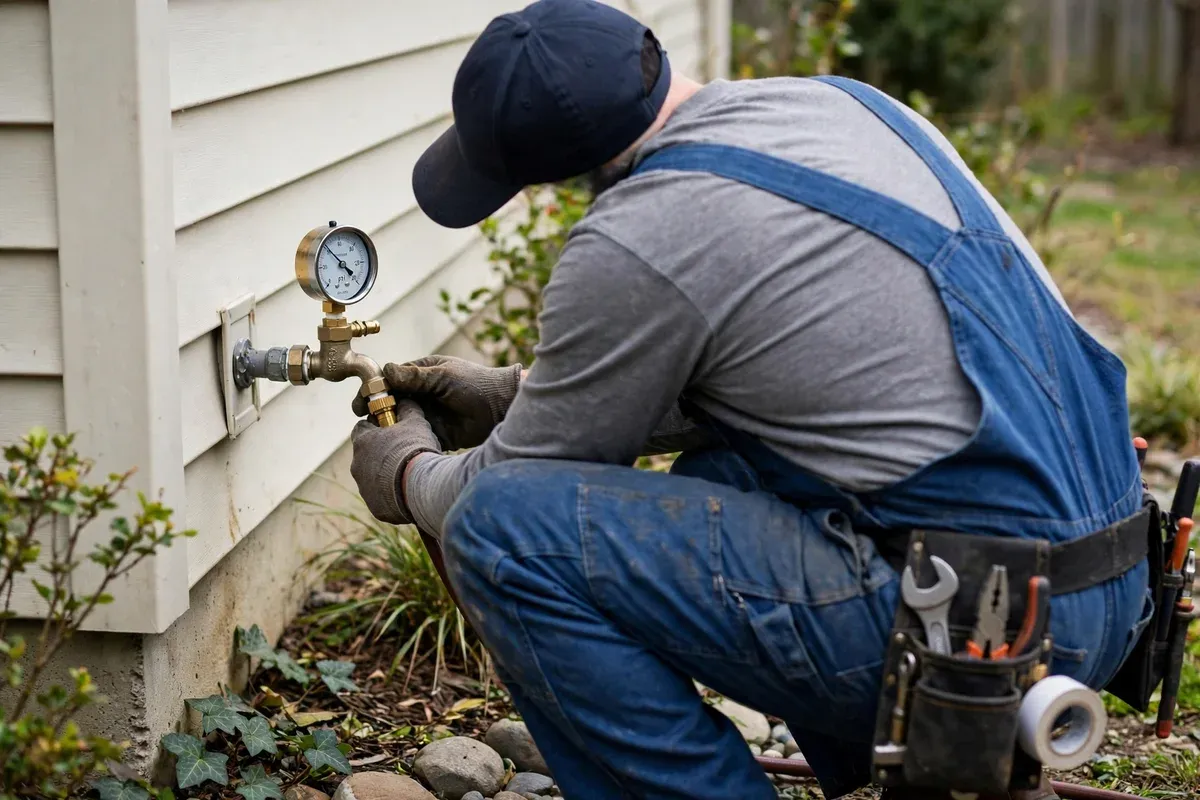
We check aerator, cartridge and fixture supply line. A single-fixture problem is fixed as a fixture problem, not as a house-wide project.
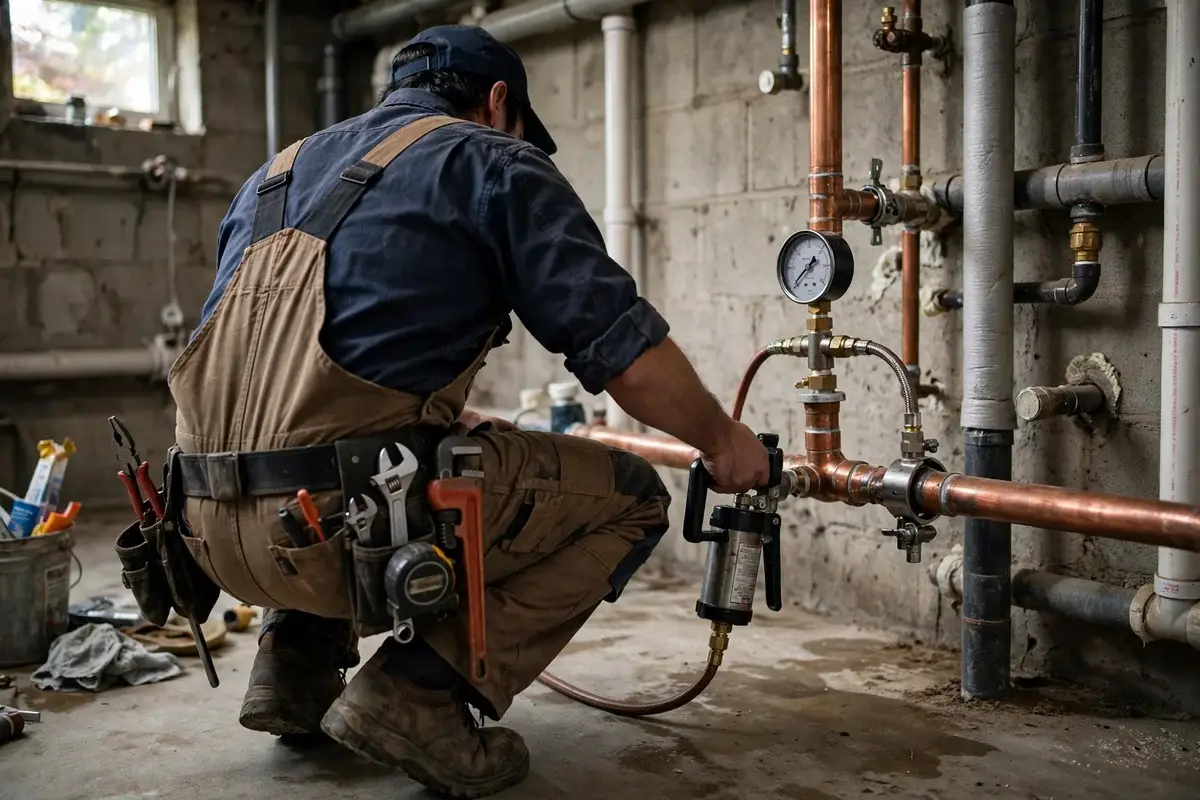
We measure pressure and check the pressure-reducing valve. Correcting high pressure protects fixtures, joints and appliances across the home, and the correction is proven by re-measurement.
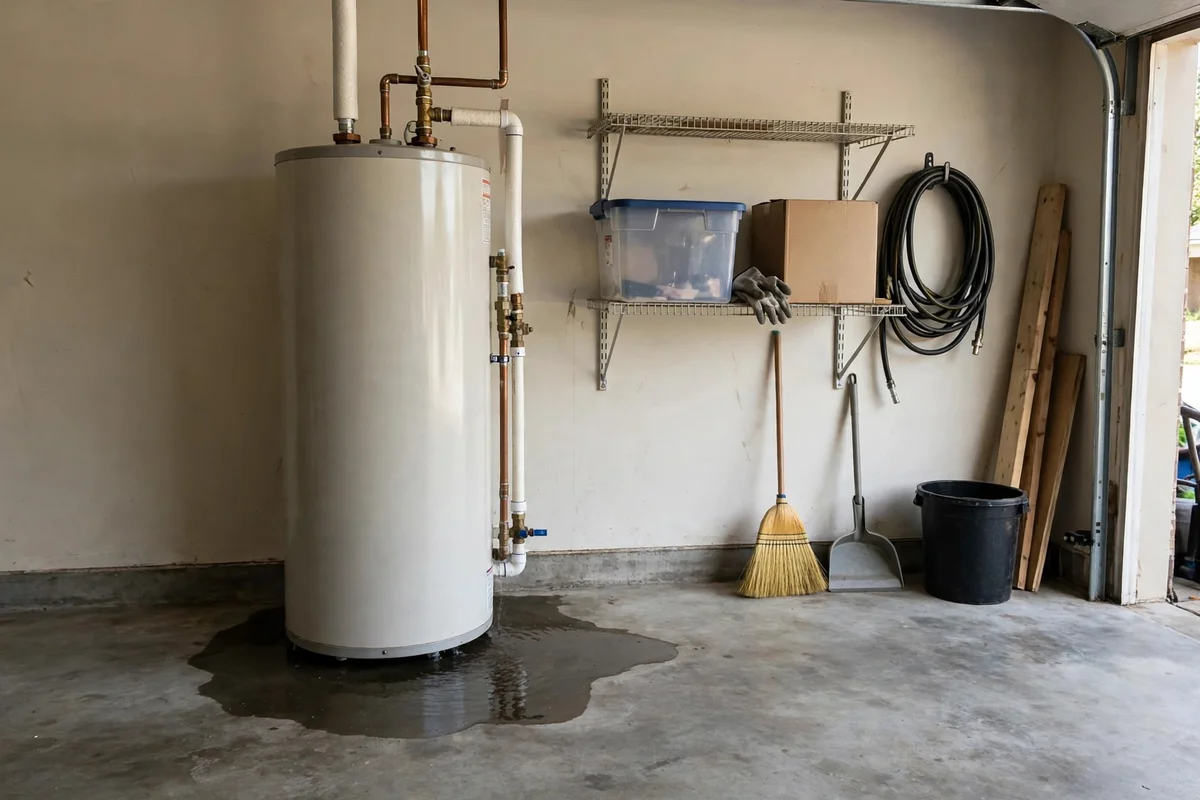
We measure pressure while taps run, and check valve regulation and supply capacity. A drop under load is diagnosed, not assumed, and the fix follows the measurement.
Pressure is measured with a gauge before and after the fix, so low, high and normal are numbers, not impressions.
Valve, restriction, fixture or supply: the repair follows the proven cause, so a valve problem is not fixed with a fixture part, or vice versa.
Correcting high pressure protects every fixture and joint in the home, not just the one that leaked first.
You approve the scope and the price in writing before we start. No firm price is published on this page. Call for a written price before work starts; any price discussion on this page is Oct-2026 Atlanta market data, not SoCo Plumbers' prices.
Records from the visit, written so you can keep and share them.
Gauge readings before and after the fix, in plain language
Whether the cause was valve, restriction, fixture or supply, and how it was proven
What was adjusted, cleared or replaced, and what to watch for
Pressure knowledge that saves money is mostly about measurement: a gauge reading prevents a misdiagnosis that a description cannot.
A pressure problem described as low can be a valve, a restriction, a fixture or a supply issue. Only a gauge reading, and a load test, separates them.
Pressure that seems generous can be quietly wearing joints, fixtures and appliances. Measuring it is what turns a feeling of good pressure into a checkable number.
Whether a problem affects one fixture or the whole home decides the diagnosis. That distinction should be established first, on every pressure visit.
Conyers and the four areas above — call +17708971640 during business hours to confirm your address.
4.7 stars from 7 Google reviews · Read reviews on Google
No firm price is published on this page. Call for a written price before work starts; any price discussion on this page is Oct-2026 Atlanta market data, not SoCo Plumbers' prices. The final price depends on the cause, whether it is a valve, a restriction, a fixture part or a supply matter, so it is given in writing after gauge diagnosis, not over the phone.
Common causes are a failing or mis-set pressure-reducing valve, a partially closed main shutoff, ageing pipe narrowed by scale or corrosion, or a municipal supply matter. Gauge measurement and tracing separate those causes before any fix is priced.
Usually water hammer: moving water stopped suddenly by a fast-closing valve, without adequate arresting. The cause is investigated before any fix is priced, because different hammer causes have different fixes.
Yes, over time. High pressure accelerates wear and leaks at joints, fixtures and appliances. Measuring pressure and correcting a failing or missing pressure-reducing valve protects the whole system, and the correction is proven by re-measurement.
Pressure too low, too high, dropping under load, or banging pipes? Call SoCo Plumbers at +1 770-897-1640 during business hours, Monday to Friday, 9 AM to 5 PM, and start with a gauge reading.
Call SoCo Plumbers at +1 770-897-1640. We are open Monday to Friday, 9 AM to 5 PM, and closed Saturday and Sunday. Tell us whether pressure affects one fixture or the whole home, and we will measure first and fix at the cause.