Written price before work
Agreed before any repair work begins.
Sewer line repair in Conyers starts with a camera, not a shovel. A backup, a persistent sewer smell or a drain that keeps returning after clearing can all point to a cracked joint, a root mass or a collapsed section — and each needs a different repair. SoCo Plumbers diagnoses the line during business hours, Monday to Friday, 9 AM to 5 PM, shows you the footage, and agrees a written price before any digging starts.
Every sewer line repair visit follows the same core scope: diagnose first, agree the price and scope in writing, do the work, and test before leaving.
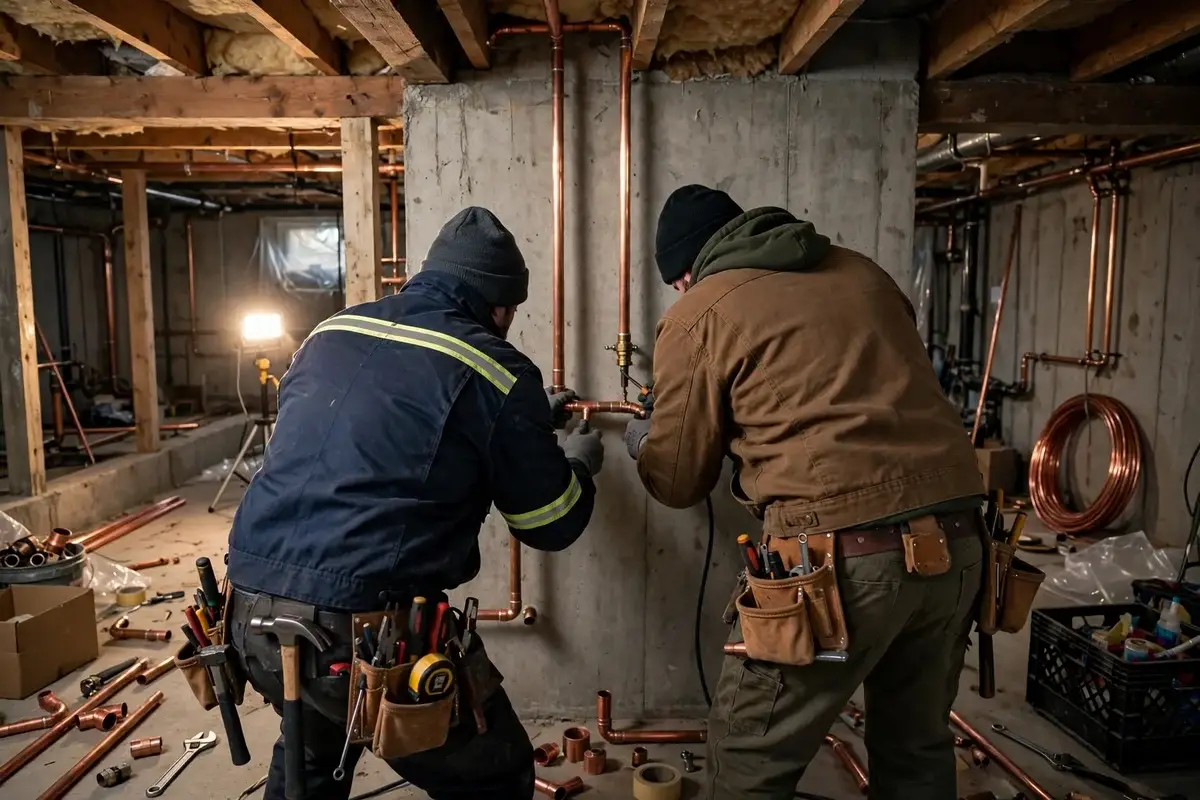
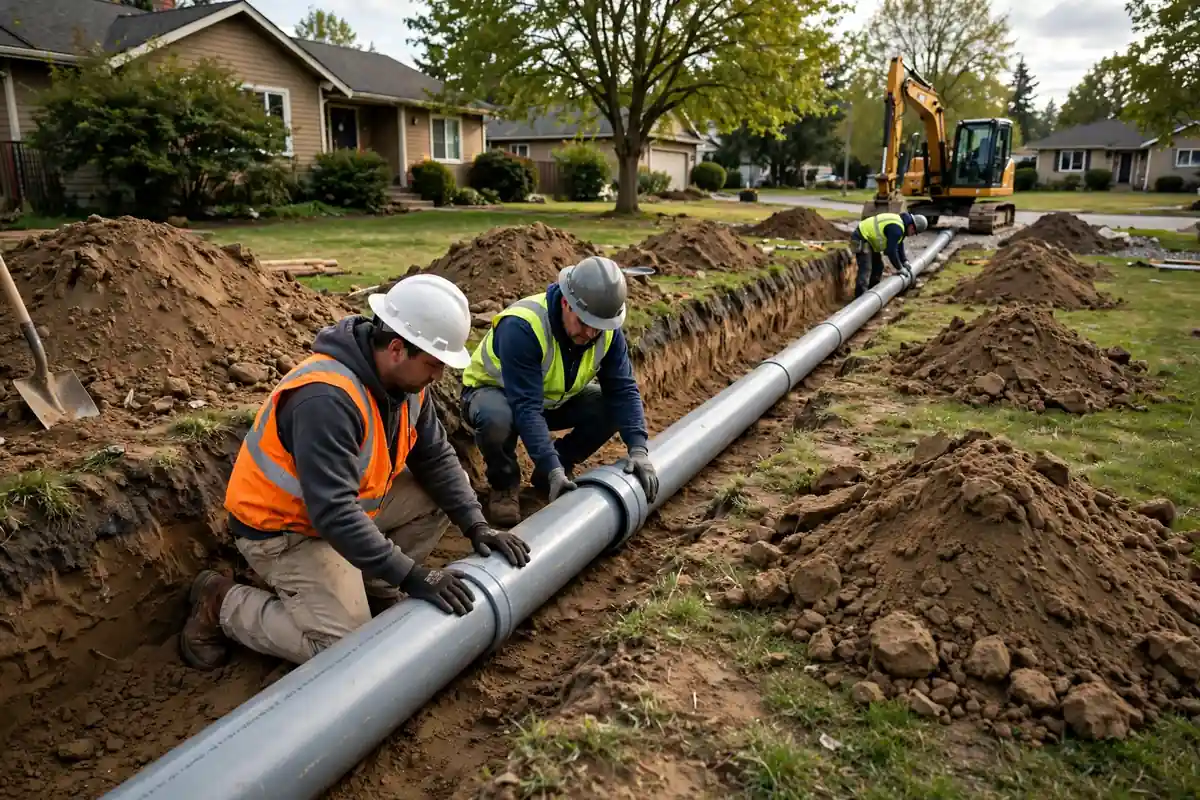
For Conyers homes: cracked joints, root intrusion, bellies and collapsed sections in the lateral, repaired section by section during business hours.
Restaurants, offices, shops and multi-family buildings with a failing lateral get the same camera-first approach during business hours, with footage and a written scope shared for the property record.
A sewer lateral is the pipe between the house and the street main or septic tank, and in Conyers it is often the oldest pipe on the property. Jointed clay tile cracks as red clay shifts, cast iron scales and thins, and roots enter every opening they find. Repair means fixing the failed section, not necessarily the whole run — but only a camera can say which sections have actually failed. Our drain cleaning work clears the blockage first where the line is still passable, and our sewer line replacement page covers the point where section repairs stop making sense.
Local conditions drive the diagnosis. Wet winters swell the clay and dry summers shrink it, cracking old joints and pulling newer joints apart; spring brings a spike in calls after the ground thaws, and late summer brings another as soil dries. Most homes inside the city limits connect to the municipal sewer, while properties toward Lake Capri and in large-lot areas are commonly septic — and that is checked per parcel, never assumed from the neighbourhood name. Trenchless methods are not claimed here: the repair method is decided after the camera inspection and after access and line condition are confirmed, and traditional section repair is the baseline described.
Camera first, repair the failed section, prove the flow.
From the first call to the final test, here is the sequence for a sewer line repair visit in Conyers, booked during business hours.
Call +17708971640 Monday to Friday, 9 AM to 5 PM. Tell us which fixtures back up and when; we will talk through stopping water use and shutting off water if that is the safe first step.
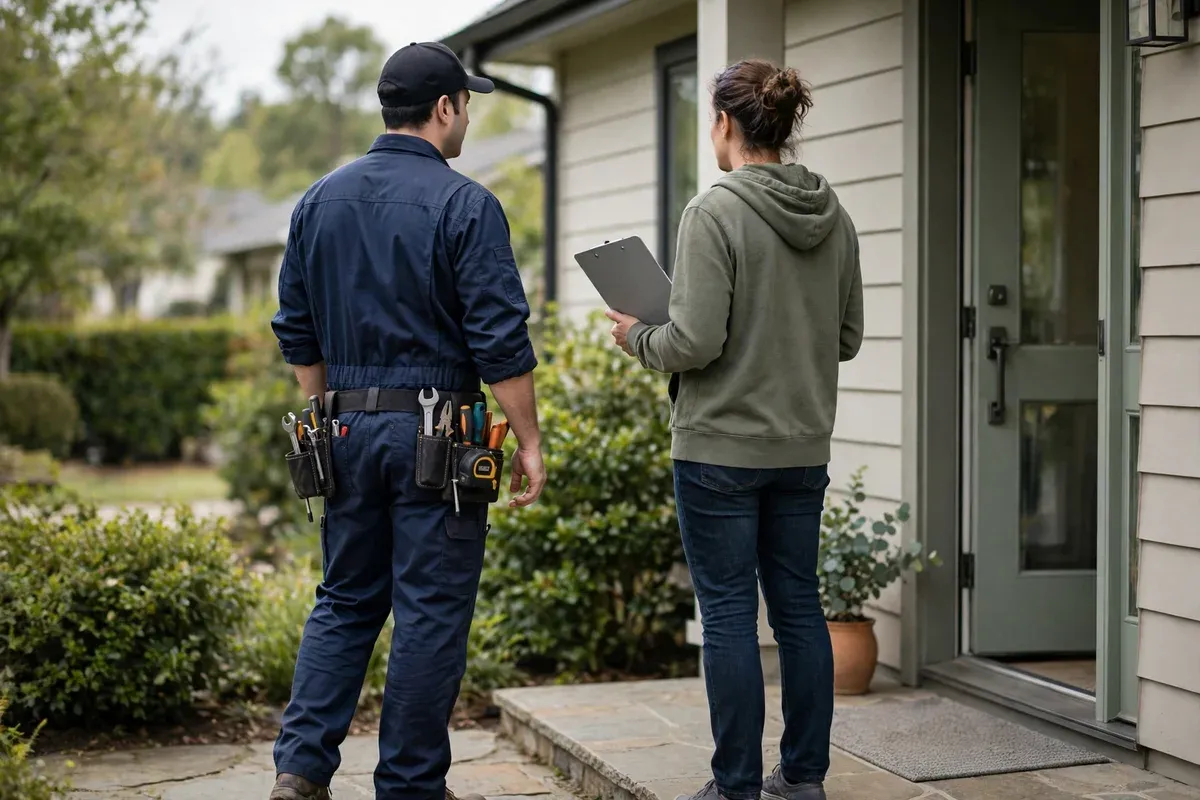
We schedule a visit during business hours and confirm the window. On arrival we camera-inspect the line first, before any digging or dismantling.
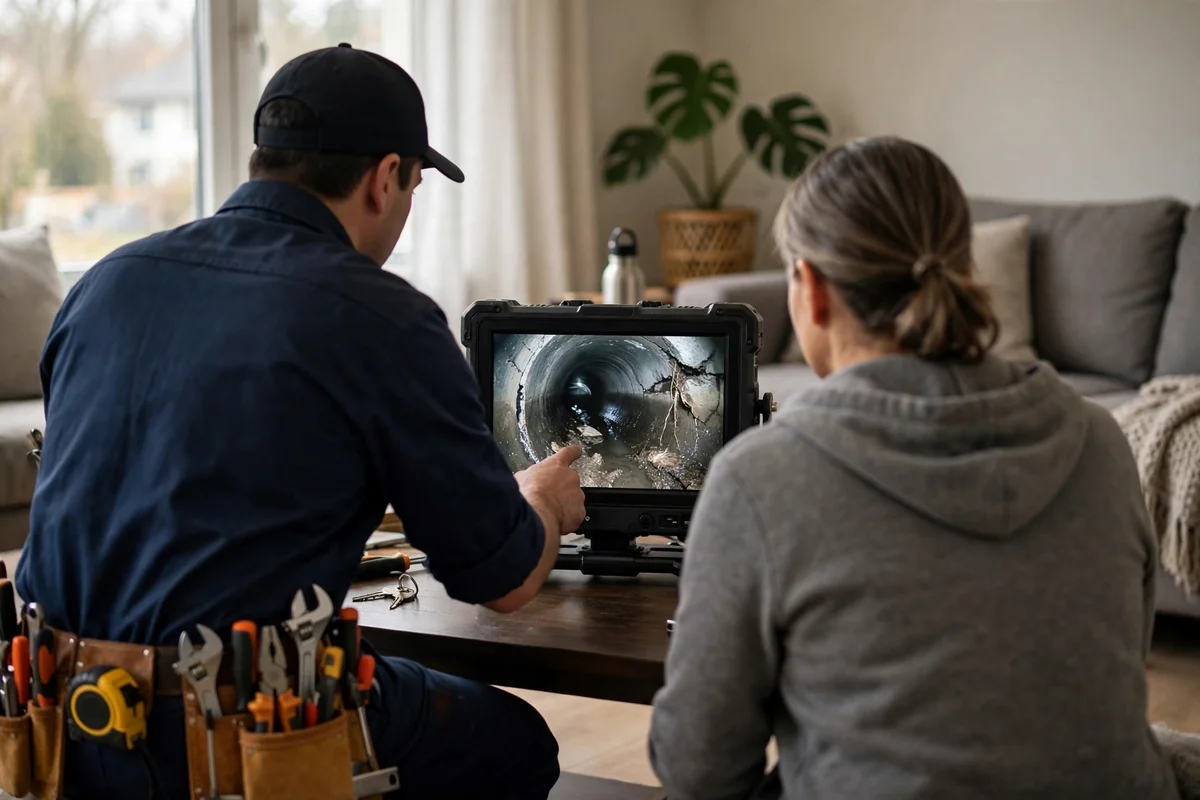
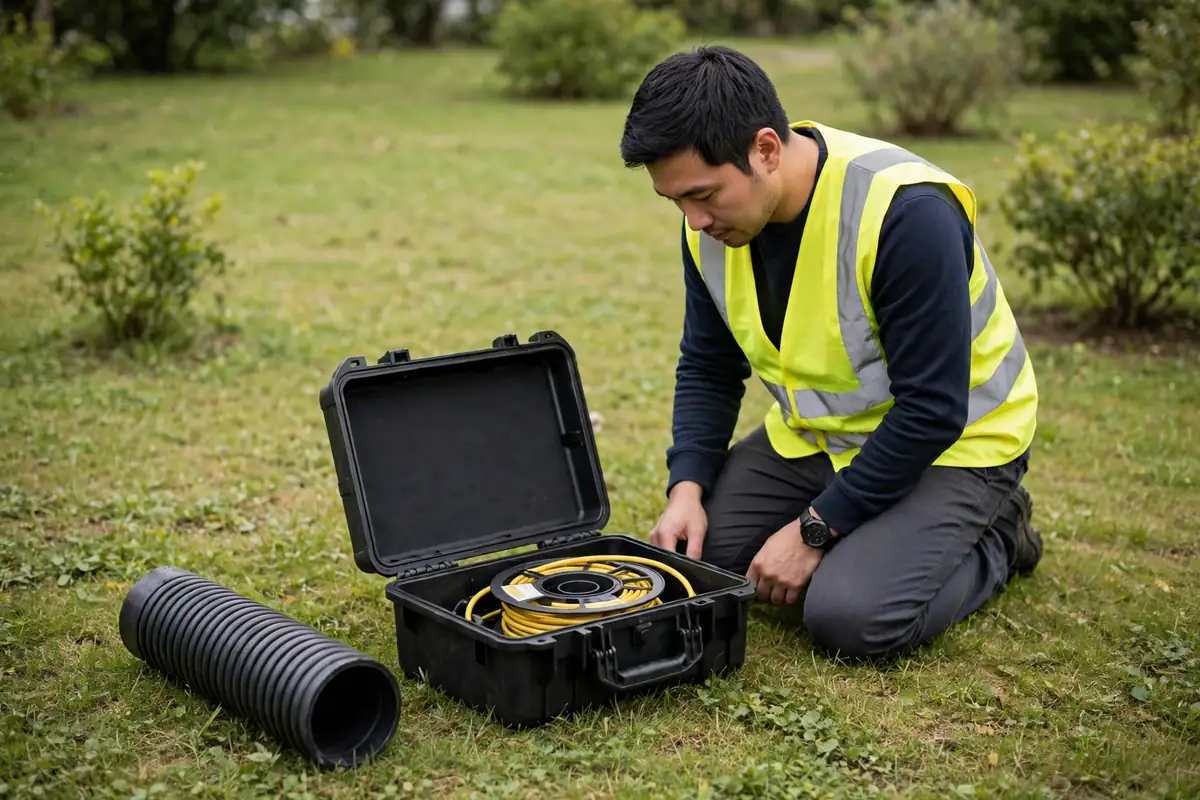
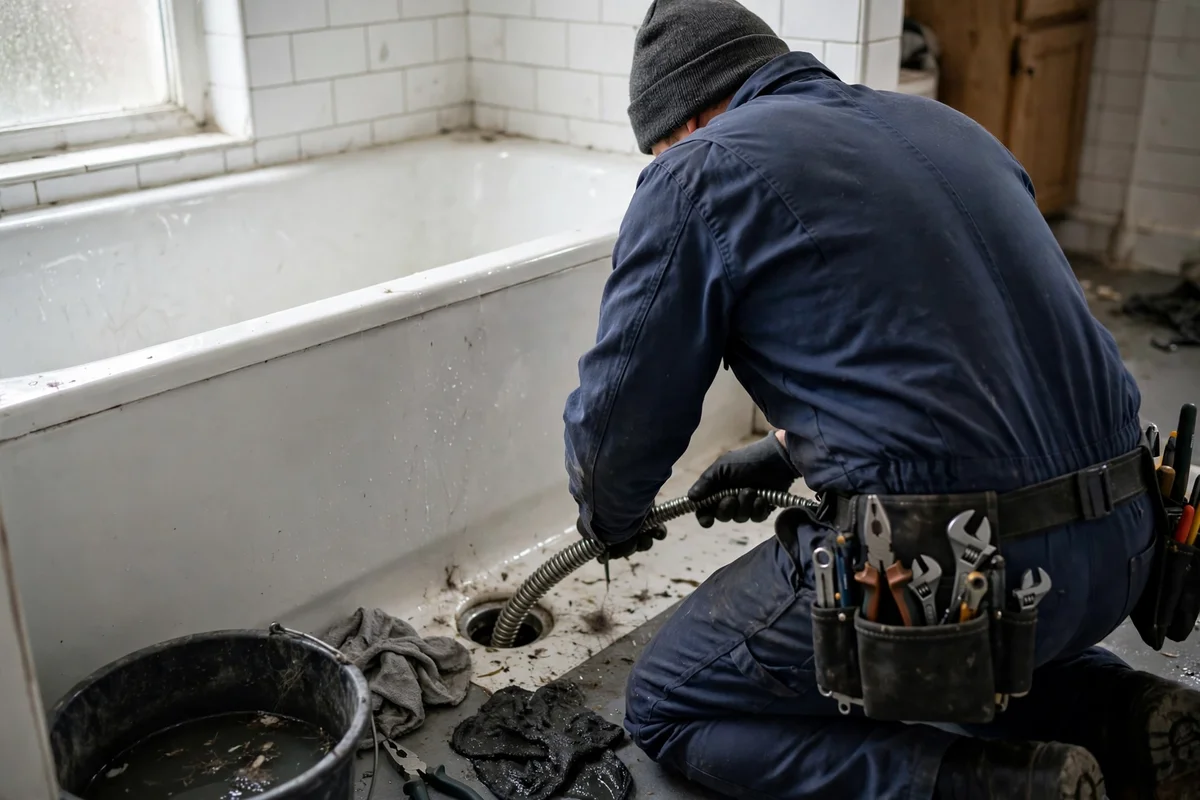
A camera run maps the line: material, joints, roots, breaks, bellies and depth. The footage is shown to you, and the repair scope follows what it actually shows.
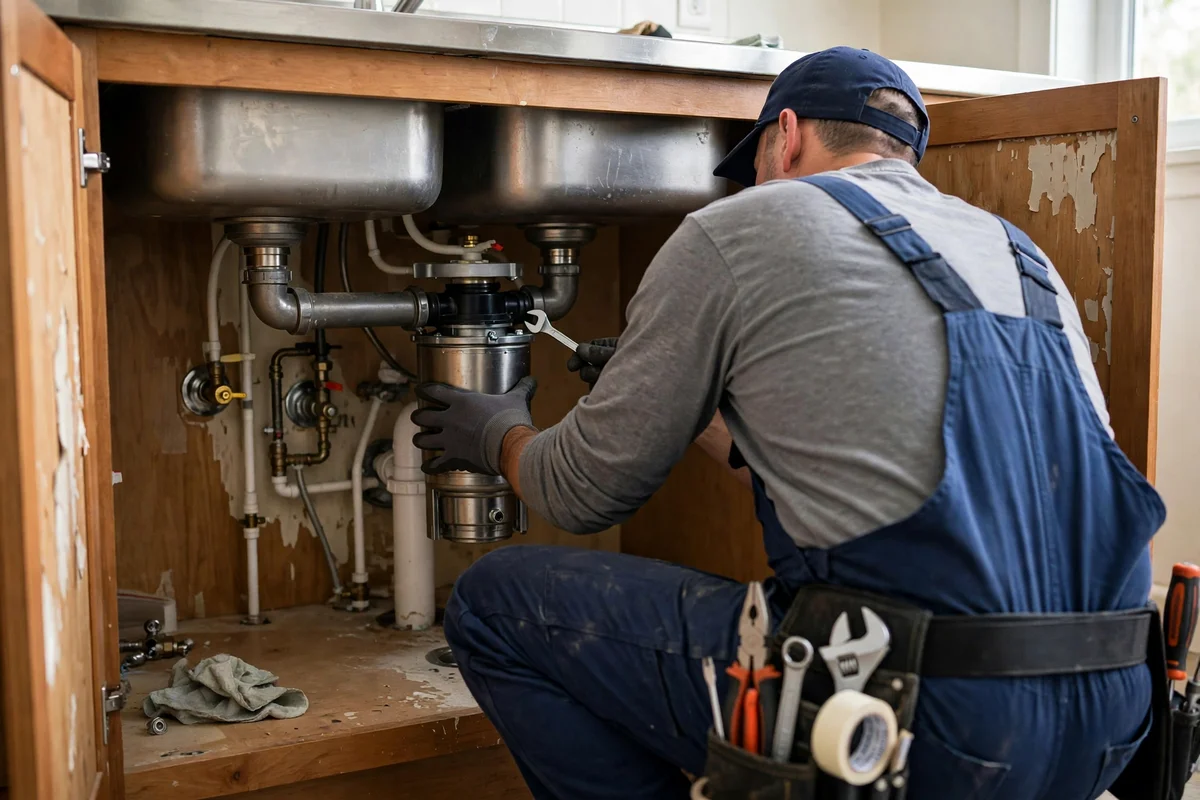
The failed section is excavated, repaired or replaced, and bedded to code. The line is then flow-tested and camera-checked again before backfill is finished.
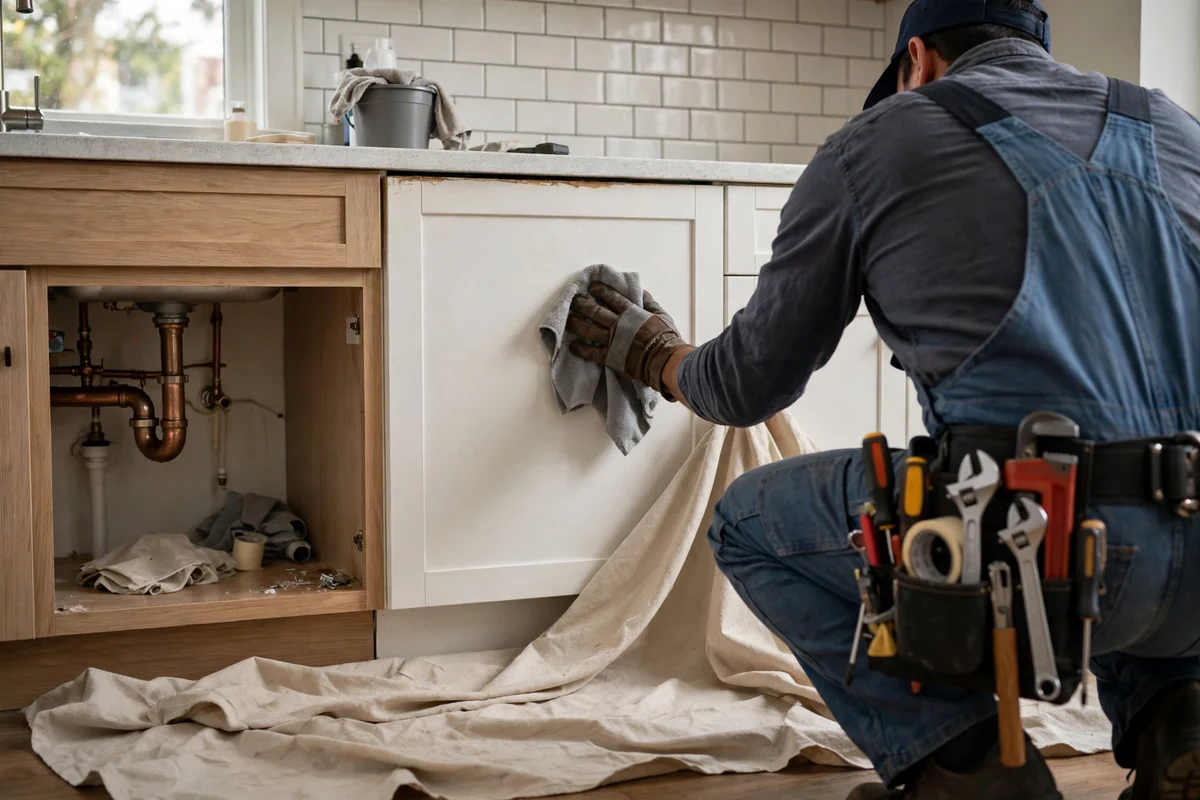
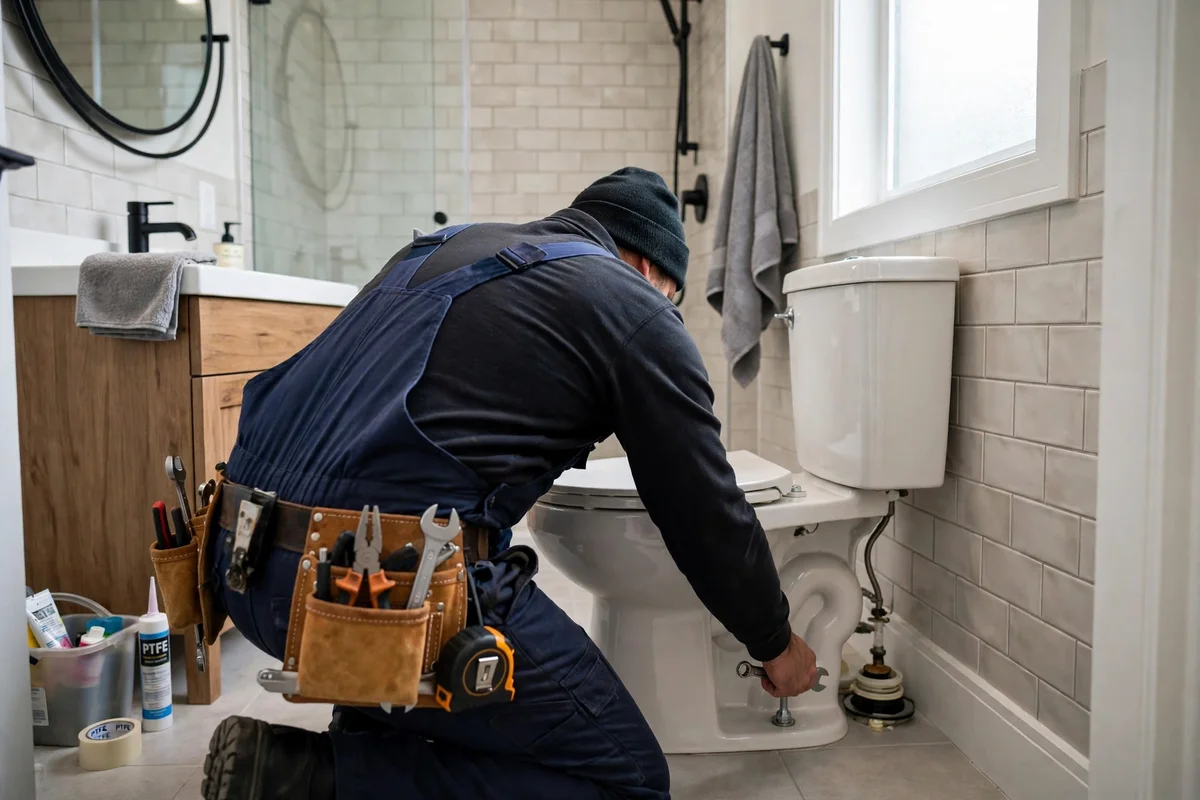
Before we leave, the repaired section is camera-checked and flow-tested, and we walk you through what failed and what to watch next.
We push a camera down the cleanout and watch the line on a monitor. It shows cracks, roots, bellies and offsets, and it tells us exactly where to dig.
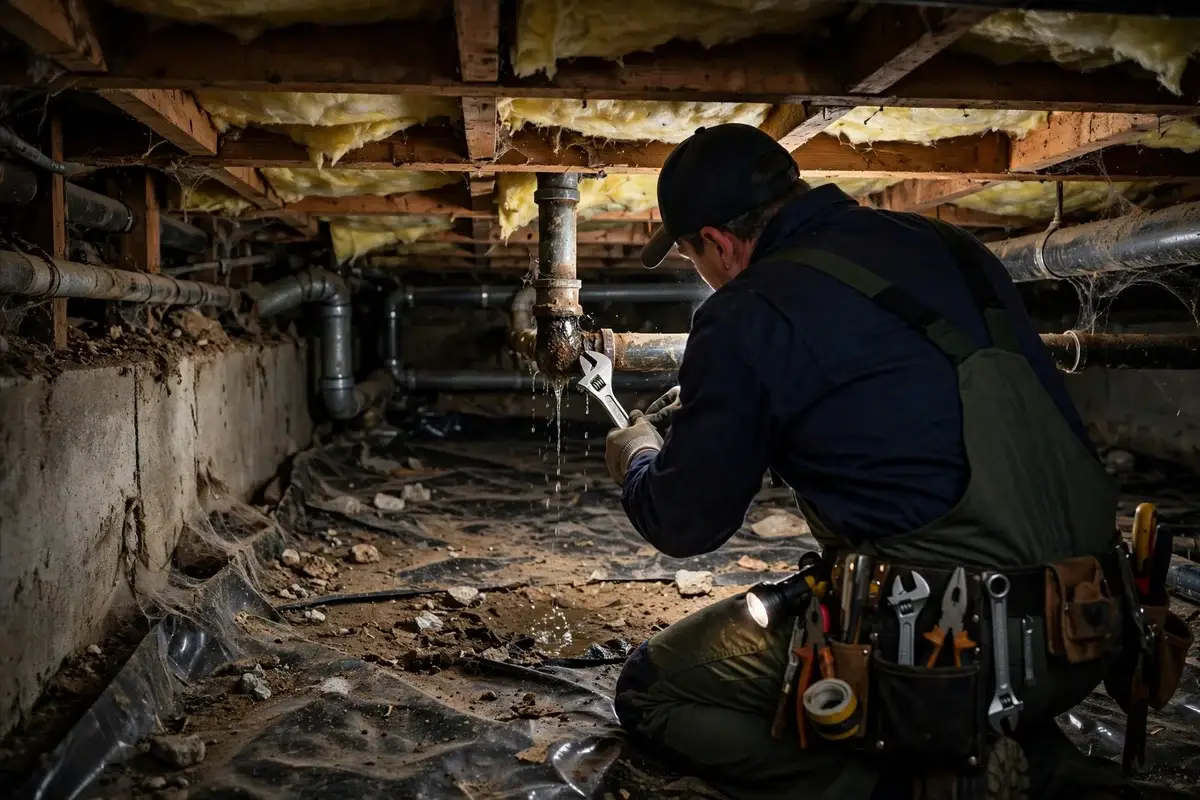
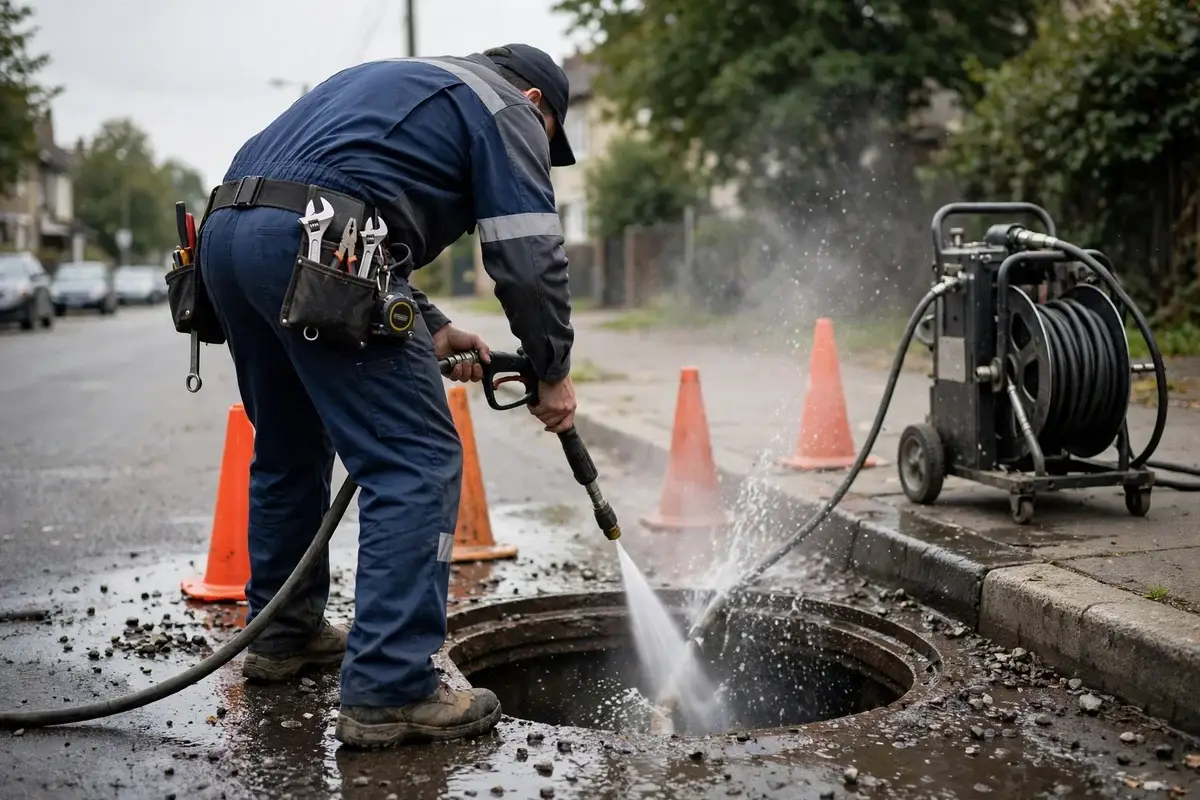
A 4,000 PSI jetter scours grease, scale and roots from the pipe walls. We use it to clean the line before a camera inspection or a repair.
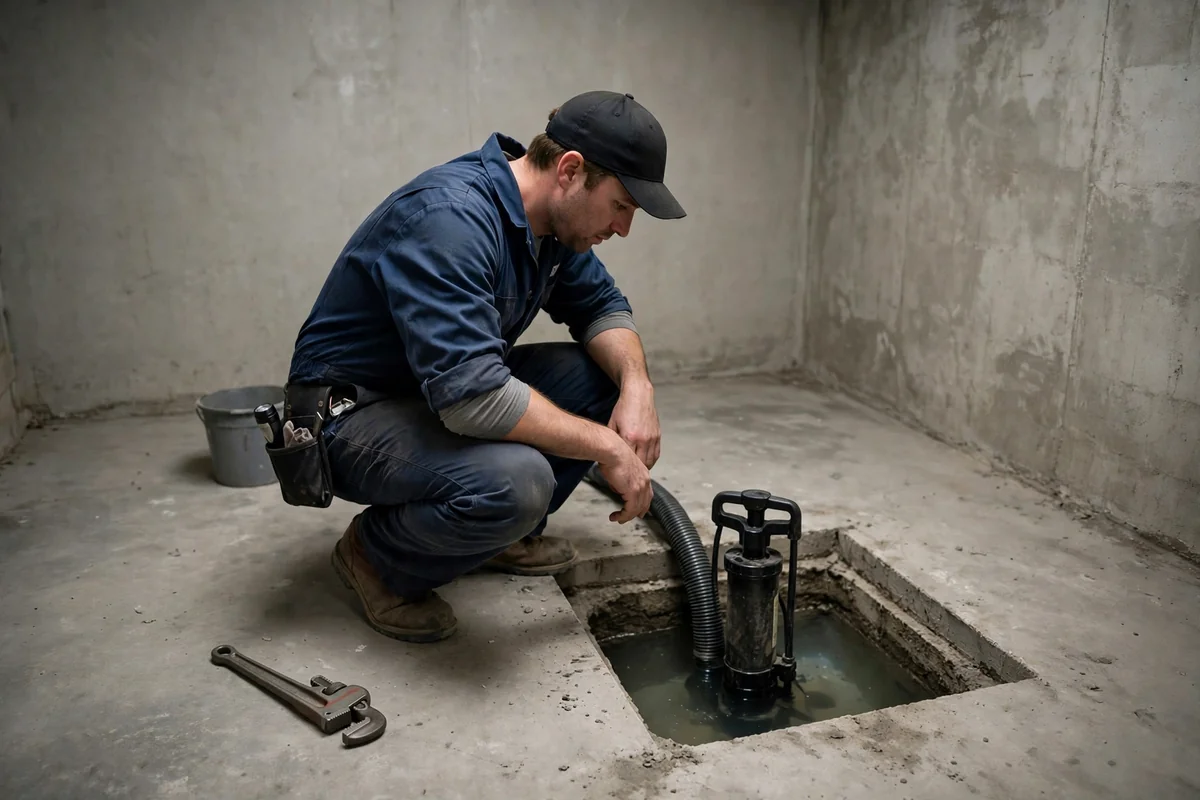
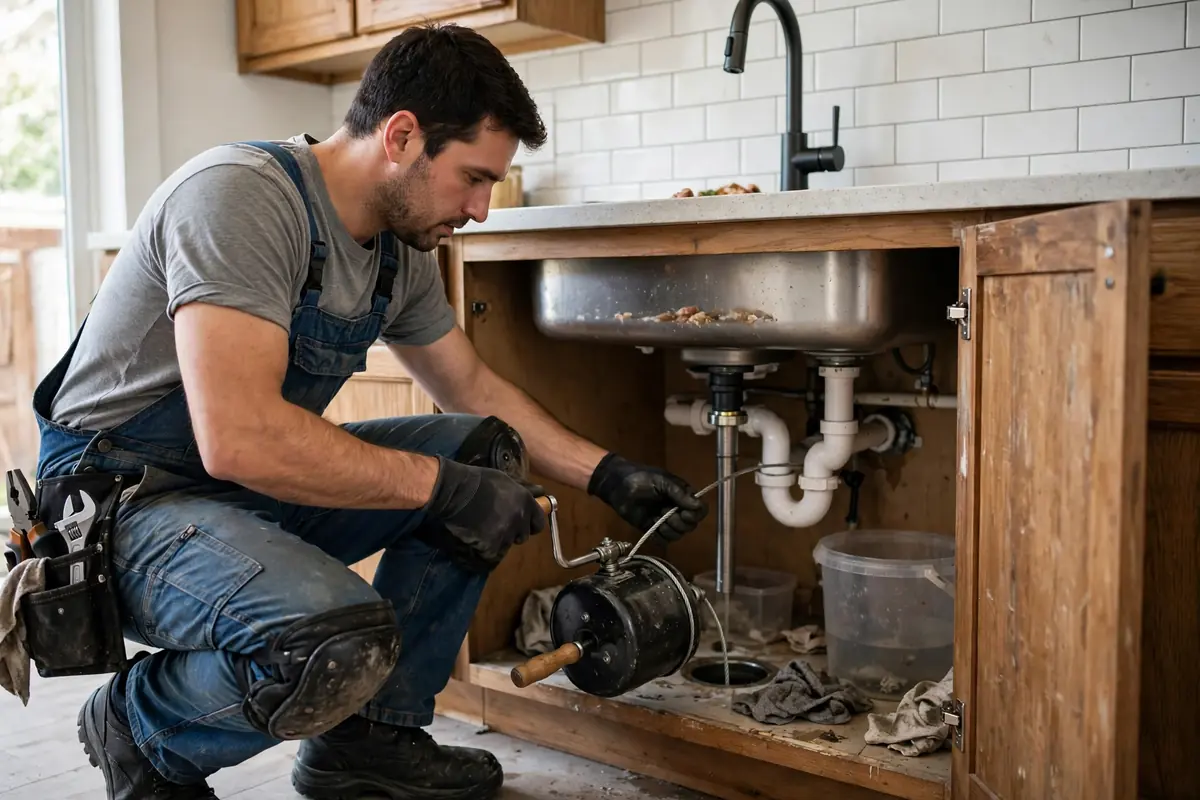
For simple clogs and root cutting, a snake or auger clears the line fast. We use it when the blockage is close to the cleanout and the pipe is sound.
This pulls a new HDPE or PVC line through the old pipe while breaking it outward. It replaces the line without a long trench.
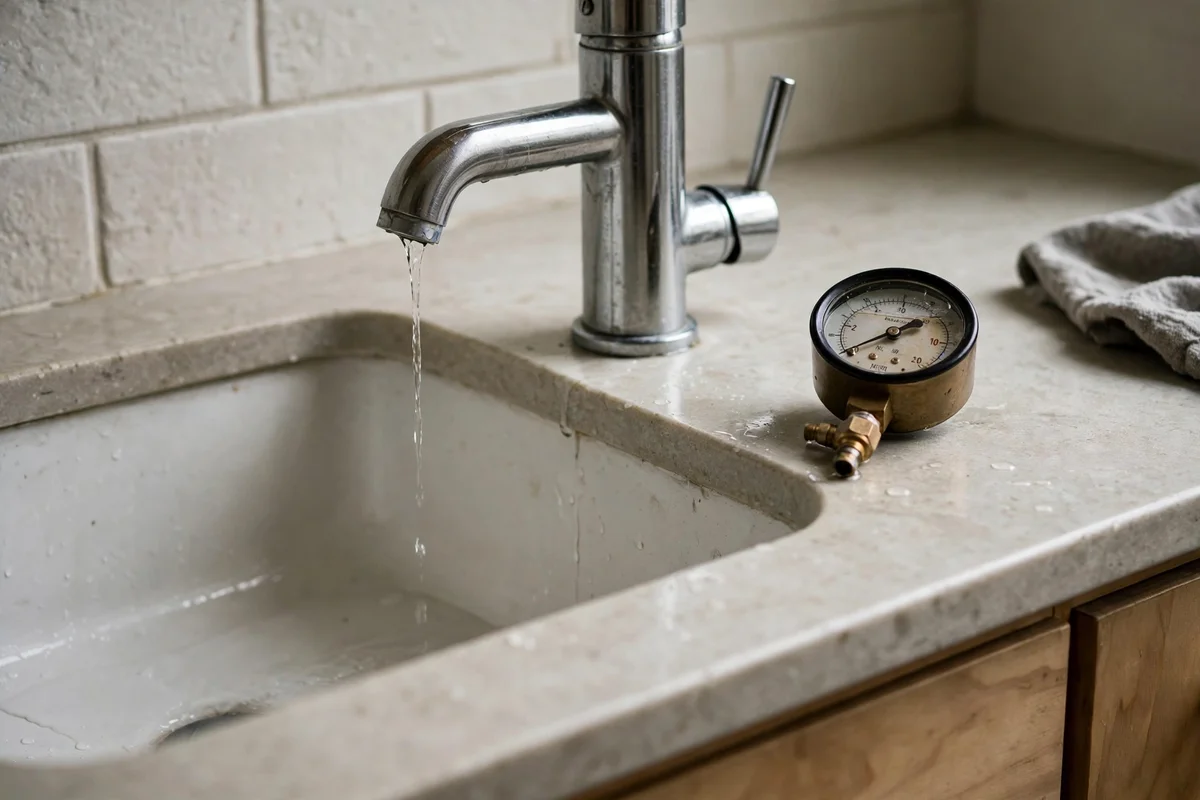
We use acoustic and pressure testing gear to tell a sewer leak from a supply line or slab leak. It keeps us from digging in the wrong spot.
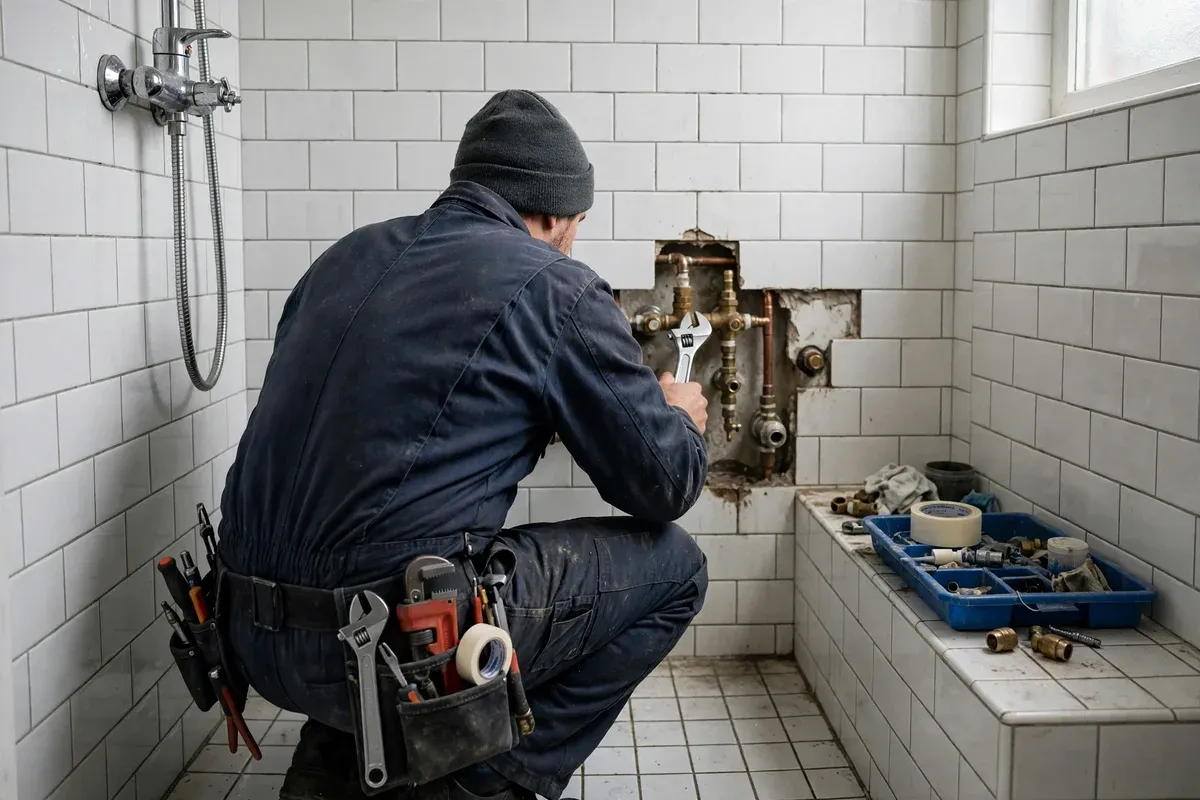
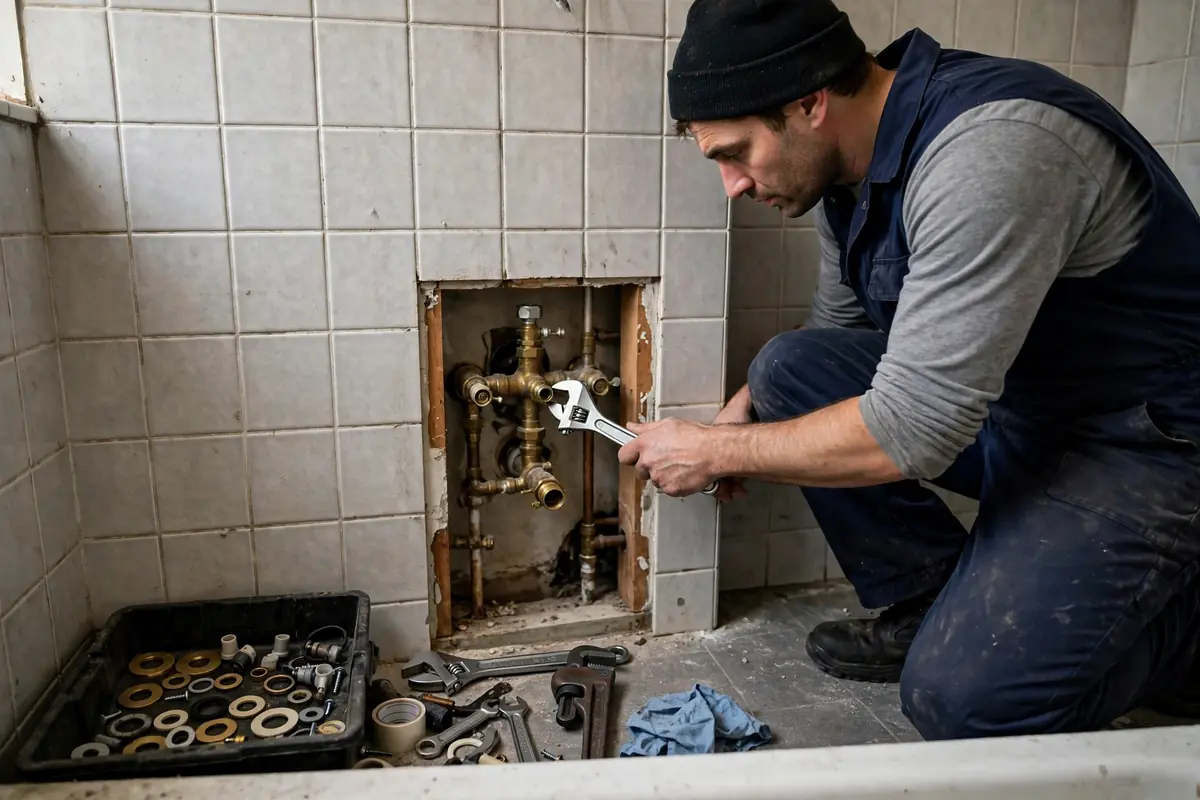
For clean cuts and secure joints on copper, PEX and PVC. The press tool makes leak-free connections without a torch in tight spaces.
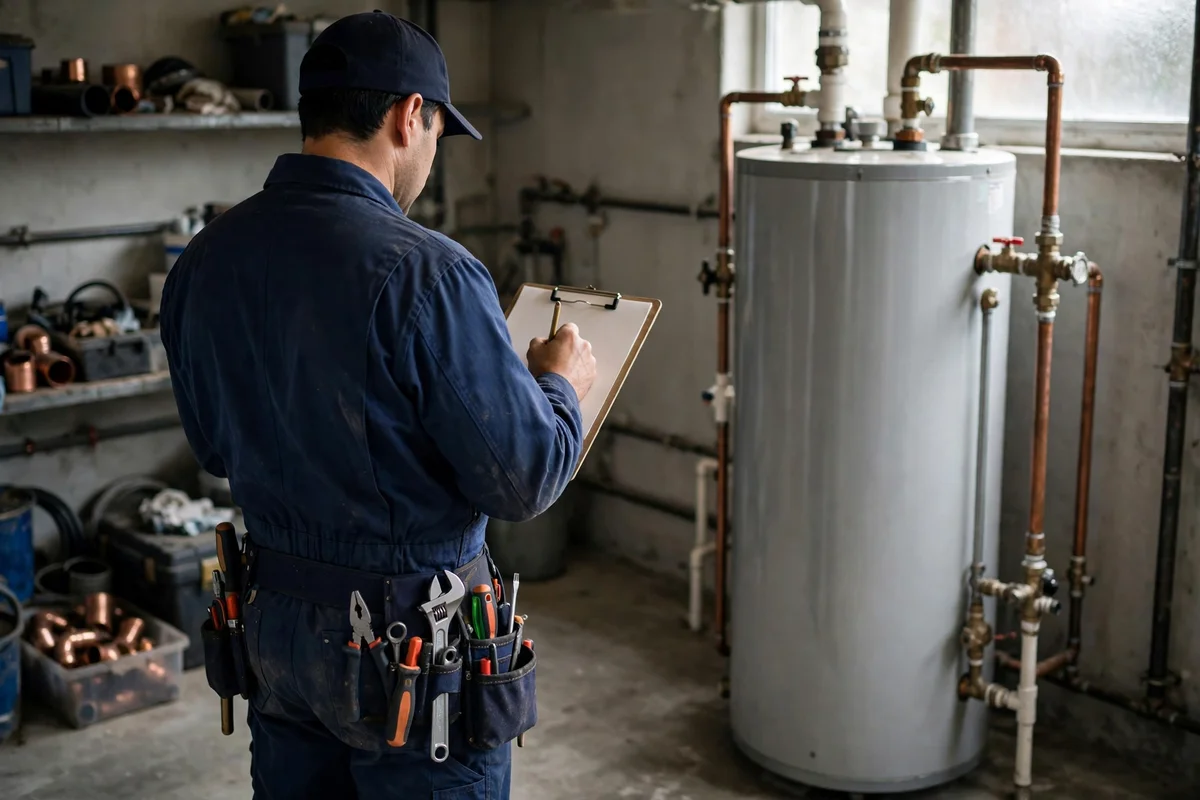
We dig two small pits, one at each end of the damaged run, and pull a new pipe through the old one. The old pipe breaks outward into the soil. It works on clay, cast iron and PVC, and it preserves your lawn and driveway.
A resin-saturated liner goes into the pipe and cures in place, forming a new smooth wall inside the old one. It's good for cracks and root intrusion, but the line must be mostly round. We camera first to confirm it will work.
A line that blocks again within weeks usually has a break or a belly, not just a blockage. A camera run finds it, and a spot repair fixes the section instead of clearing the same roots repeatedly.
A cracked lateral or a failed joint can vent sewer gas without ever backing up indoors. Camera and, where needed, pressure checks locate the break before any digging.
Whole-house symptoms point to the lateral rather than a branch. The camera decides whether the fault is roots, a collapse or a belly, and each gets a different repair.
If footage from another visit shows a cracked joint or root mass, bring it to the call. We review what it shows, confirm it with our own run where needed, and price the section repair.
Conyers sewer work follows soil and tree cover. Red clay and granite soils move with the seasons: a wet winter swells the clay and a dry summer shrinks it, cracking old clay tile and offsetting joints. Mature oak and pine roots find every crack. Most city-limit homes connect to the municipal sewer, while large-lot parcels are commonly septic, so the first diagnostic question is always which system serves the property. Permits and utility locates are checked before any excavation, and the repair method follows the camera, not a pre-set package.
Repeated clearing kept the line flowing for a short while, then it blocked again, always at the same point in the run.
A camera run found a cracked joint with a root mass behind it. The section was excavated and replaced, and a second camera pass confirmed full flow.
If clearing buys only weeks, ask for a camera run. The blockage is usually a symptom of a break.
A persistent smell around a side yard had no indoor backup and no obvious source.
Camera inspection found a cracked section venting into the soil. The section was repaired and the area backfilled, and the smell cleared with the break.
A smell without a backup still deserves a camera look — a crack vents gas long before it blocks flow.
A low section of lateral held standing water, slowing drainage after storms.
The camera mapped the belly's length and depth, and the section was re-graded and replaced so the line drains fully between uses.
A belly cannot be jetted away. Re-grading the section is the fix, and the camera proves the grade afterwards.
Most sewer repair calls fall into a handful of categories. Here are the ones we see most often in Conyers and how each is handled.
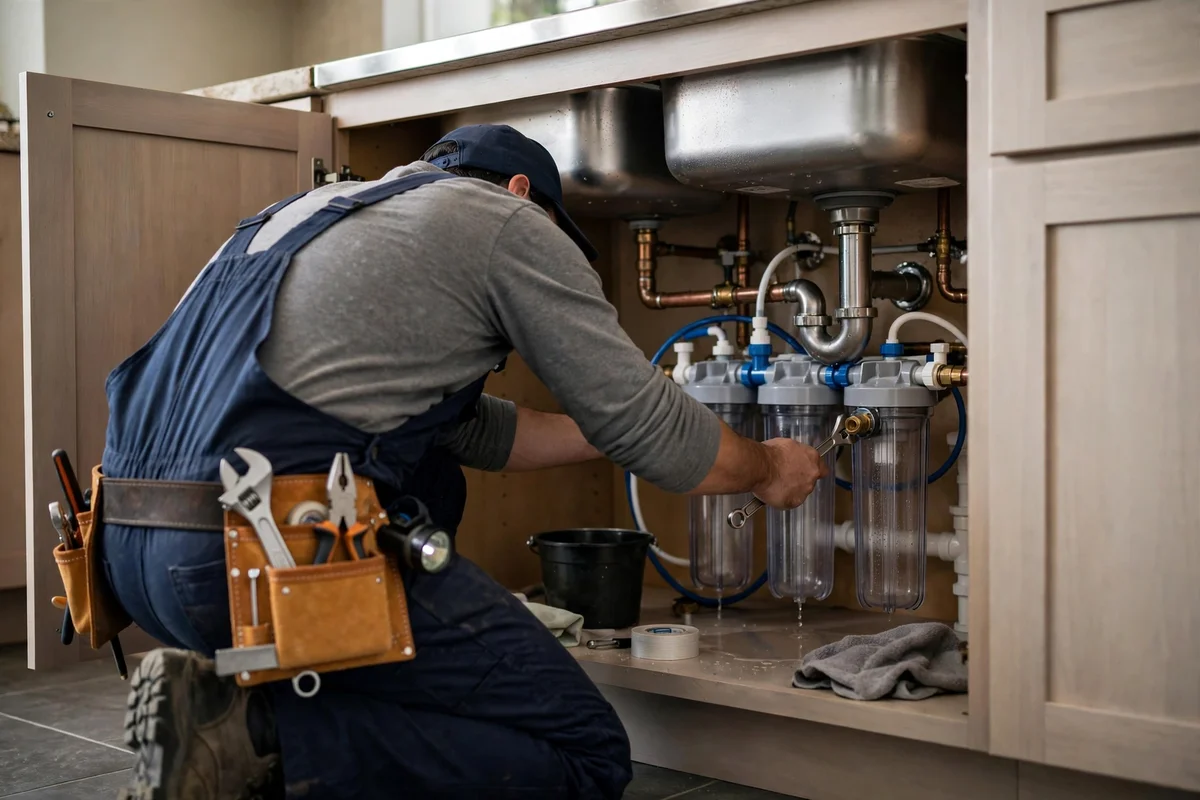
Joints are the weak point of older laterals. The camera shows which joints have failed, and only those sections are excavated and repaired.
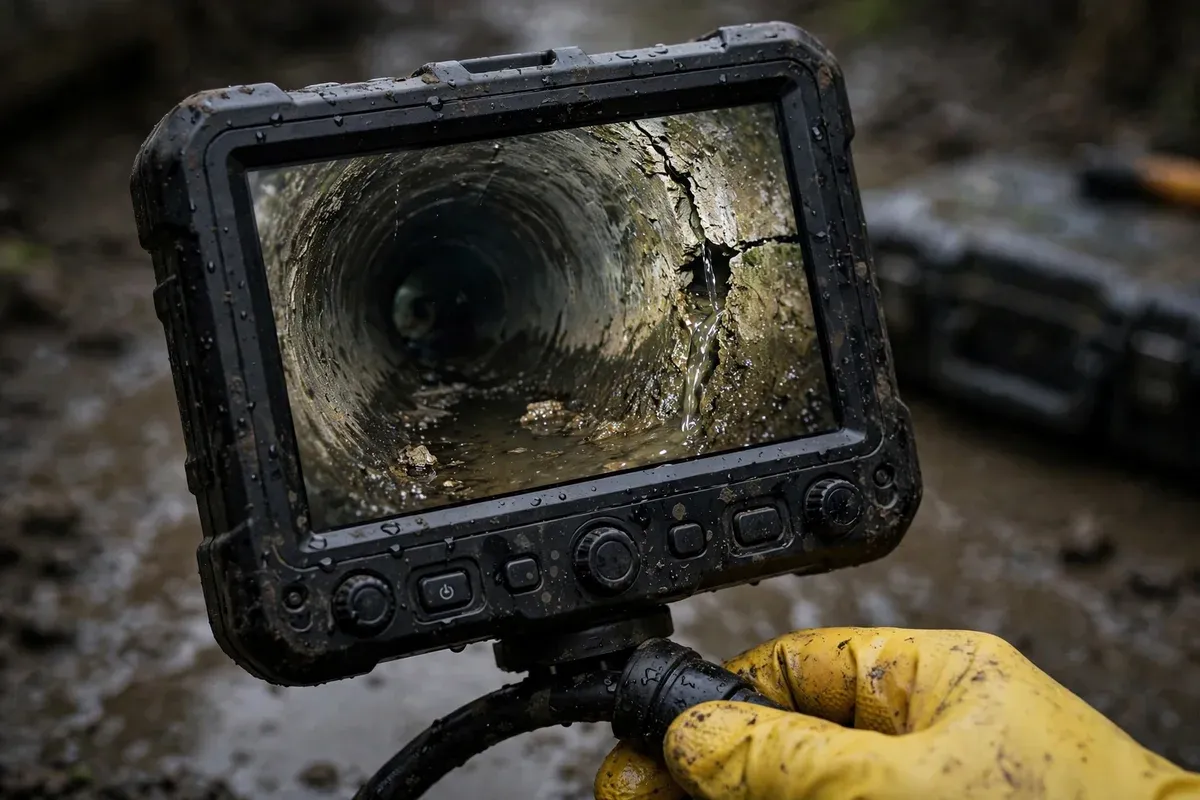
Roots are cut, then the cracked joint behind them is repaired. Cutting roots without repairing the entry point leaves the next blockage waiting to happen.
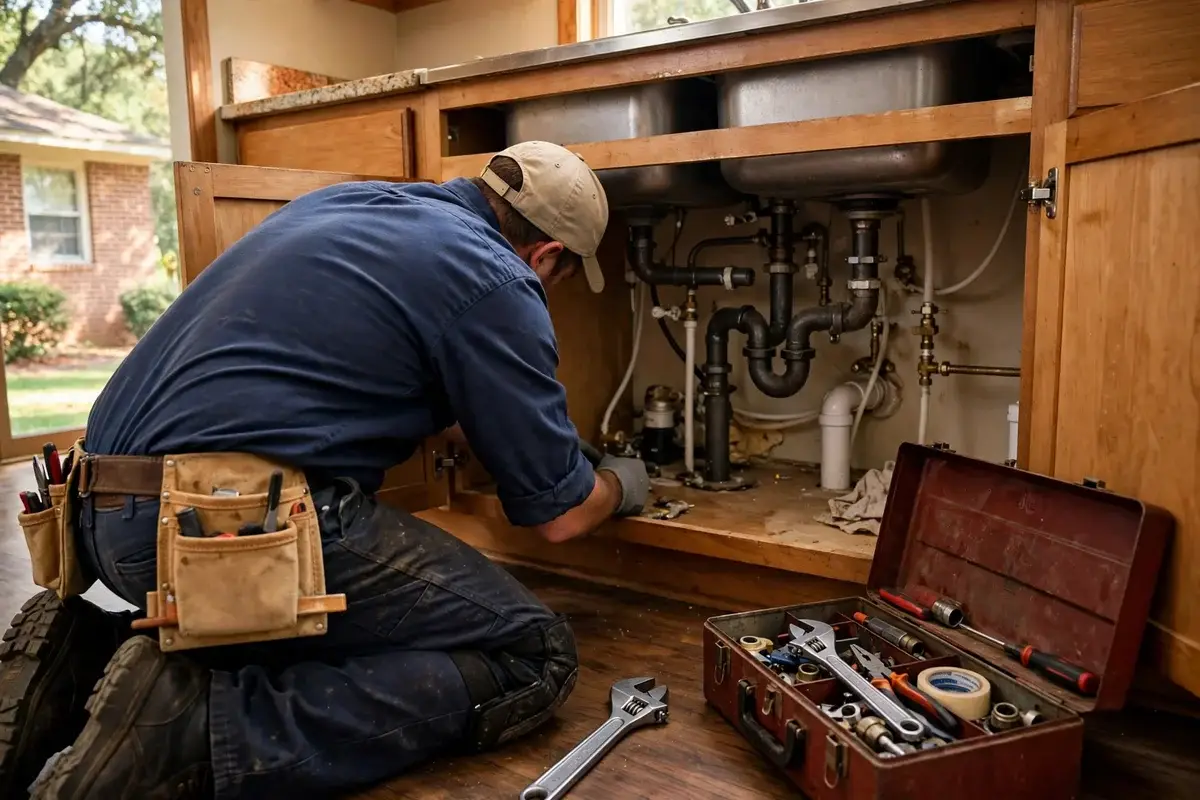
A sagging section holds water and waste. The section is re-graded and replaced, with the camera confirming the new grade.
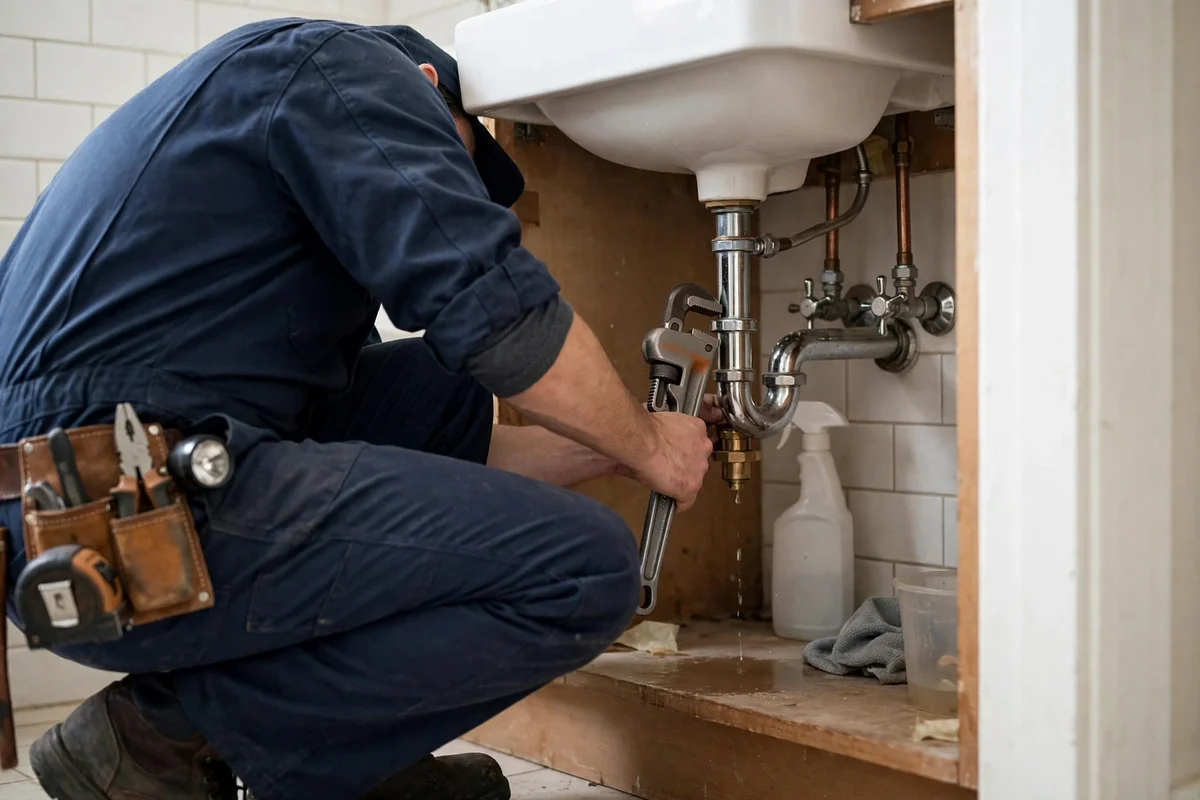
A collapsed section blocks flow outright. It is excavated and replaced, and the rest of the run is camera-checked so a second collapse is not missed.
You agree the price and the scope before work starts, with the camera footage as the basis. Oct-2026 Atlanta market data on this page is background only, never a quote for your job — call for a written price before work.
Sewer repair work is built to the 2024 International Plumbing Code with Georgia Amendments, effective 1 January 2026. Permits are checked with the City of Conyers or Rockdale County as applicable, and excavation scope is agreed in writing first.
You see the break before any digging is agreed. The repair scope follows the footage, and a second camera pass after repair proves the flow.
Repaired sewer sections are camera-checked and flow-tested before we pack up, and the footage is shown to you so you can see what was fixed.
Clear records you can keep and share.
Agreed before any repair work begins.
Every fitting and fixture noted on the invoice.
Line tested and confirmed before we leave.
Three facts help a sewer visit enormously. Here is what to have ready before calling.
The cleanout cap gives camera access. If it is buried under mulch or soil, locating it first saves visit time.
Whole-house symptoms point to the lateral; a single fixture points to a branch. The pattern decides the diagnosis.
If you know which system serves the property, say so. If not, we confirm it before recommending any sewer work.
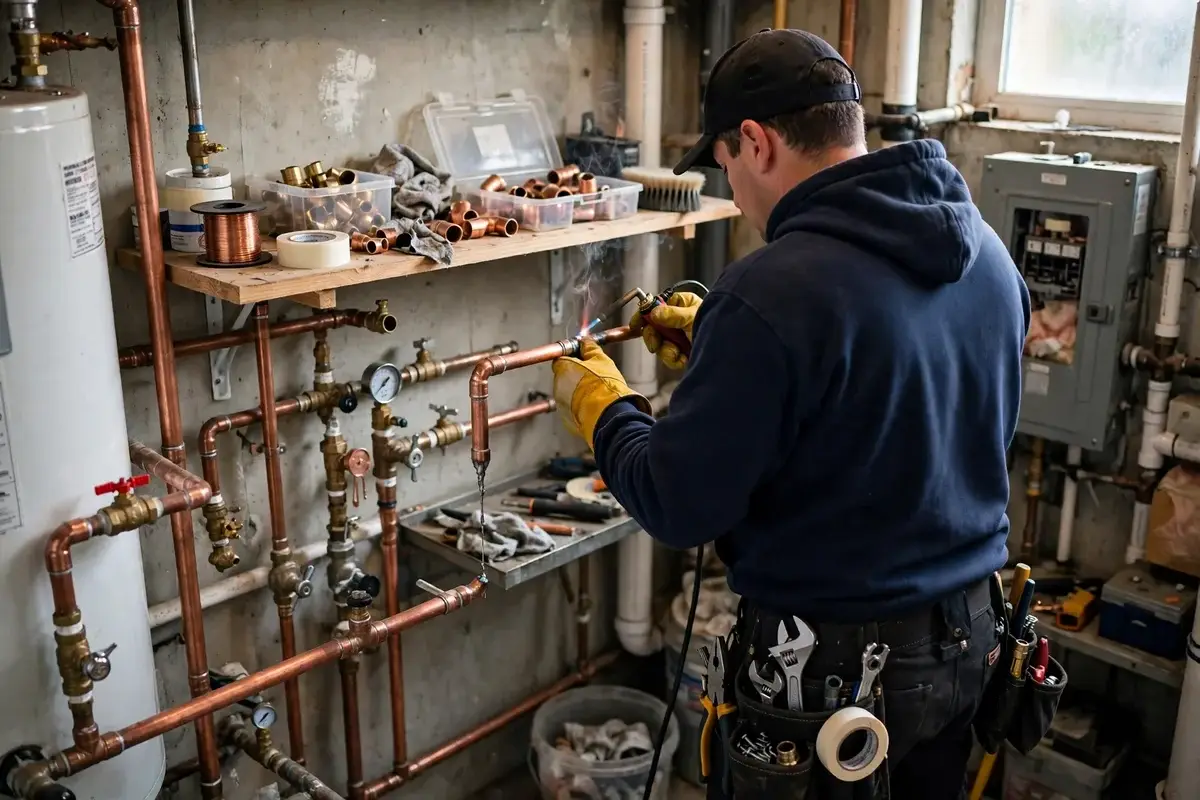
Call to confirm coverage in your part of Conyers and Rockdale County. +17708971640
4.7 stars from 7 Google reviews · Read reviews on Google
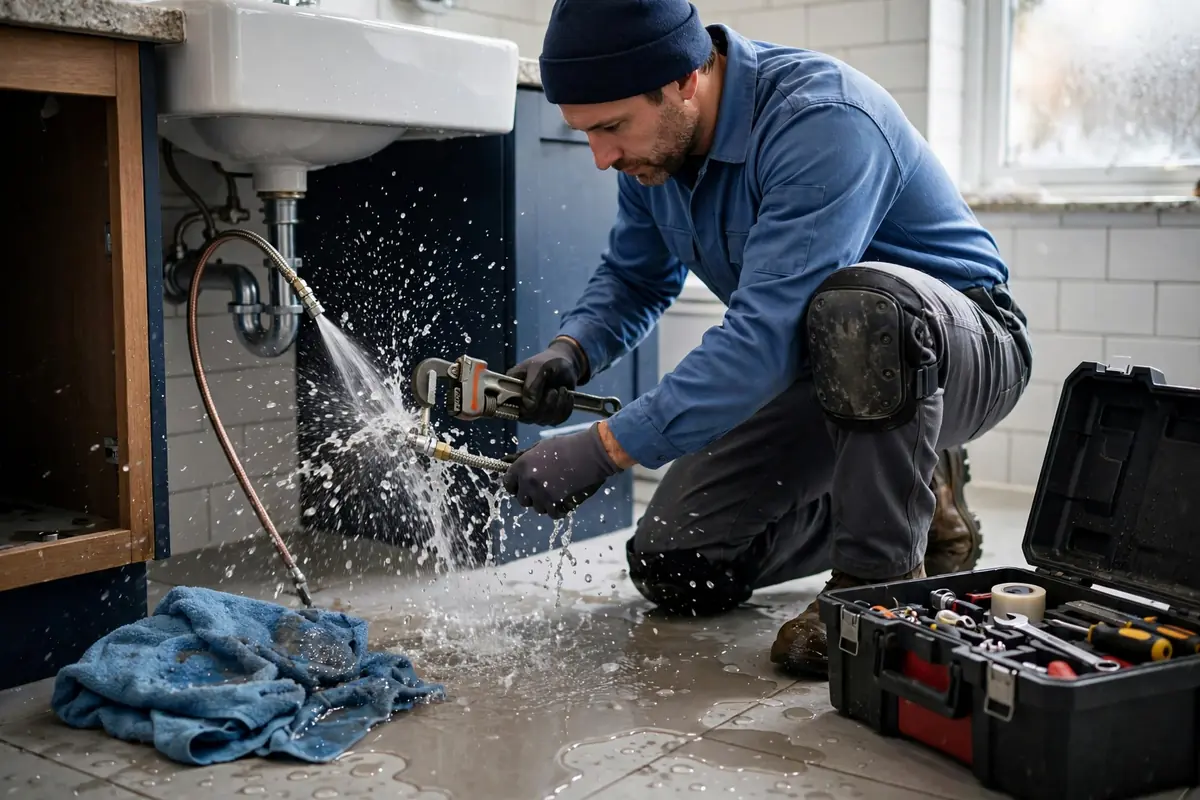
Monday to Friday, 9 AM to 5 PM; Saturday and Sunday closed. If a burst pipe or sewer backup happens outside those hours, shut off the water, stop running water, and call +17708971640 at 9 AM. If you smell gas, leave the building first and call 911 or your gas utility — do not wait for a plumber.
The camera decides. A single cracked joint or a short root-damaged section is a repair; pipe failure across most of the run, or repeated collapses, points toward replacement, which is priced as its own job with its own written scope.
No firm price is possible before the camera run, depth and access are known. As background only, Oct-2026 Atlanta market data, not SoCo Plumbers' prices — call for a written price before work.: the national average for a sewer line job was $3,319 (HomeAdvisor). A written price for your section is agreed after diagnosis.
Trenchless methods are not offered as a standard service on this page. The repair method is decided after camera inspection and after access and line condition are confirmed; traditional section repair is the baseline. If trenchless is something you want to discuss, ask on the call and we will tell you plainly whether it fits your line.
A backup that keeps returning, a sewer smell that will not clear, or camera footage showing a break — call SoCo Plumbers at +17708971640 during business hours. Camera first, then a written price.
Call SoCo Plumbers Monday to Friday, 9 AM to 5 PM for sewer line repair. Tell us which fixtures are affected and whether the property is on sewer or septic, if you know.