Written price before work
Agreed before any repair work begins.
Sewer line replacement in Conyers is the job for a lateral that has failed across most of its run — collapsed sections, repeated breaks, or root damage that section repairs can no longer keep up with. SoCo Plumbers maps the line with a camera during business hours, Monday to Friday, 9 AM to 5 PM, agrees a written price and scope before excavation, and describes traditional replacement as the baseline. The method is decided after camera inspection and after access and line condition are confirmed; trenchless options are discussed only where the line allows, and are not promised here.
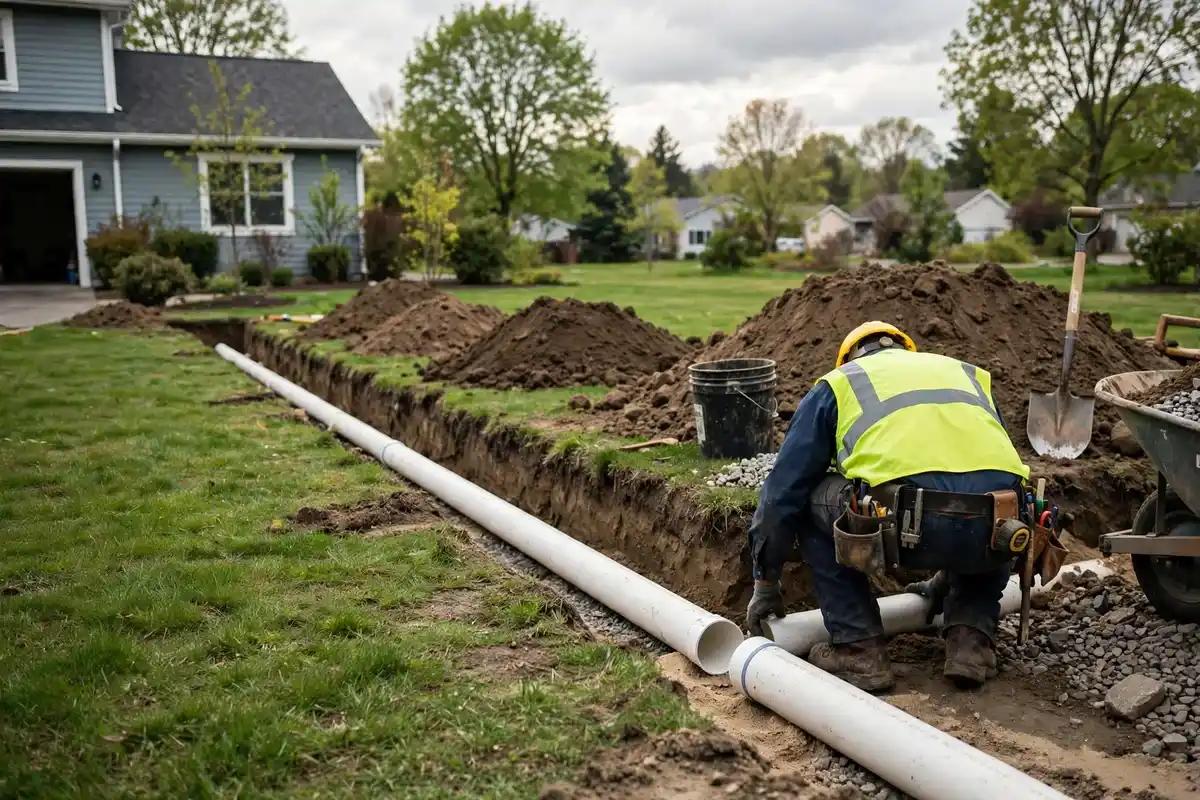
Every sewer line replacement visit follows the same core scope: diagnose first, agree the price and scope in writing, do the work, and test before leaving.
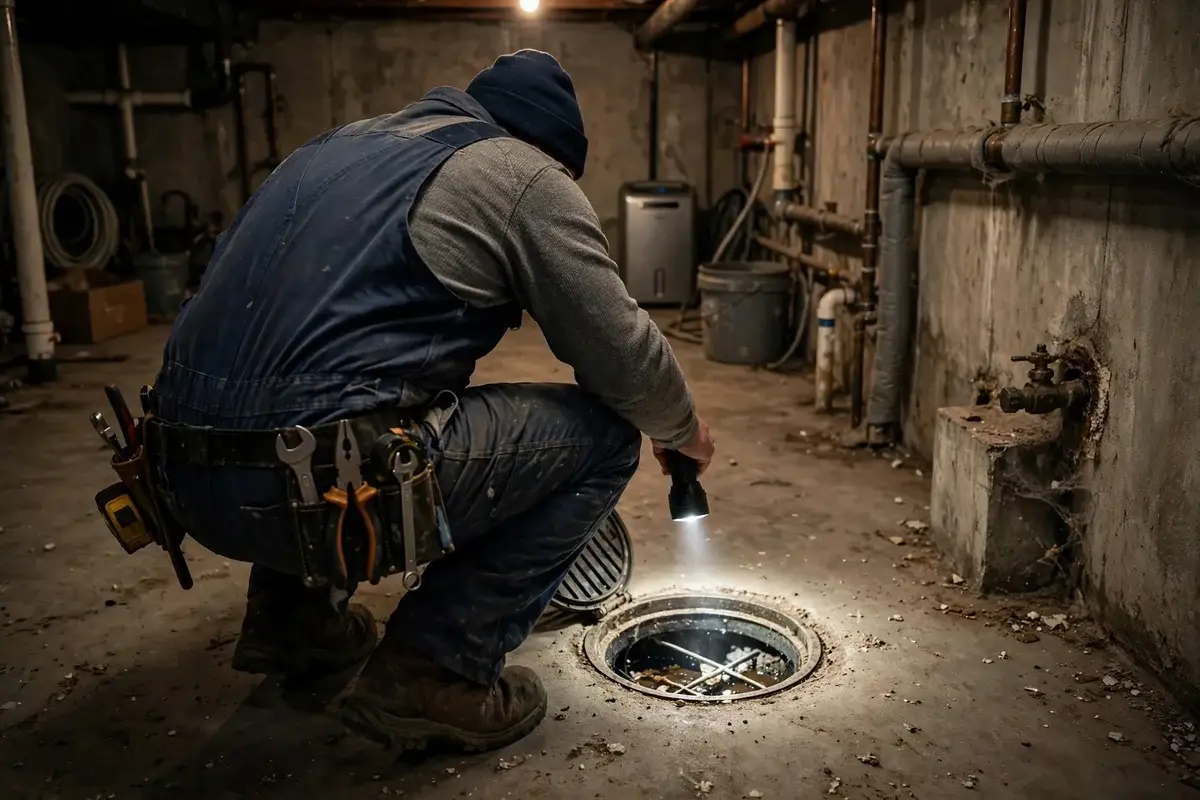
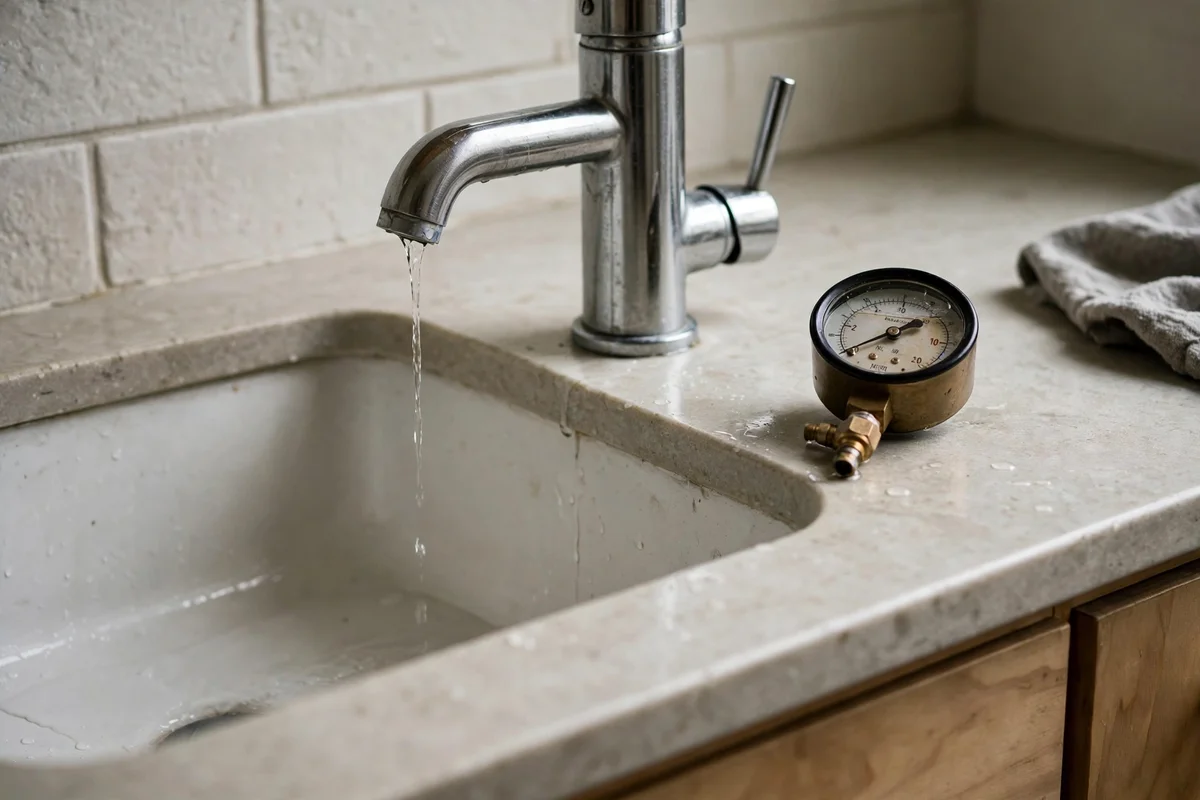
For Conyers homes whose lateral has failed across a long run: collapsed clay tile, repeated breaks or root damage beyond spot repair, replaced during business hours.
Restaurants, offices, shops and multi-family buildings with a failed lateral get the same camera-first scope during business hours, with footage, permits and a written price shared for the property record before excavation.
Replacement is different from repair in scope, not just in size. Repair fixes a failed section; replacement renews the run when the camera shows failure across most of it — collapses, breaks at joint after joint, or a grade that no longer drains. At that point repeated spot repairs cost more than a single renewal and still leave failing pipe in the ground. Our sewer line repair work covers the section-by-section cases, and drain cleaning covers the blockages that turn out to be breaks in disguise; replacement is the step after both have shown their limits.
Conyers laterals fail for local reasons. Much of the housing stock dates to the 1960s through the 1980s with original clay tile laterals, which shift with red clay, take roots at every joint, and fail long before the house does. Summer storms saturate the ground and expose a borderline belly; winter cold pushes roots deeper as they hunt for water. Sewer versus septic is parcel by parcel, so the route — to the street main or to a tank — is confirmed before any scope is written. Depth, length, access and rock all shape the price, which is why no firm figure appears on this page.
Map it, price it in writing, replace the run, prove it with a camera.
From the first call to the final test, here is the sequence for a sewer line replacement visit in Conyers, booked during business hours.
Call +17708971640 Monday to Friday, 9 AM to 5 PM. Tell us the lateral's failure history and what the camera has shown, if anything; we will talk through stopping water use if that is the safe first step.
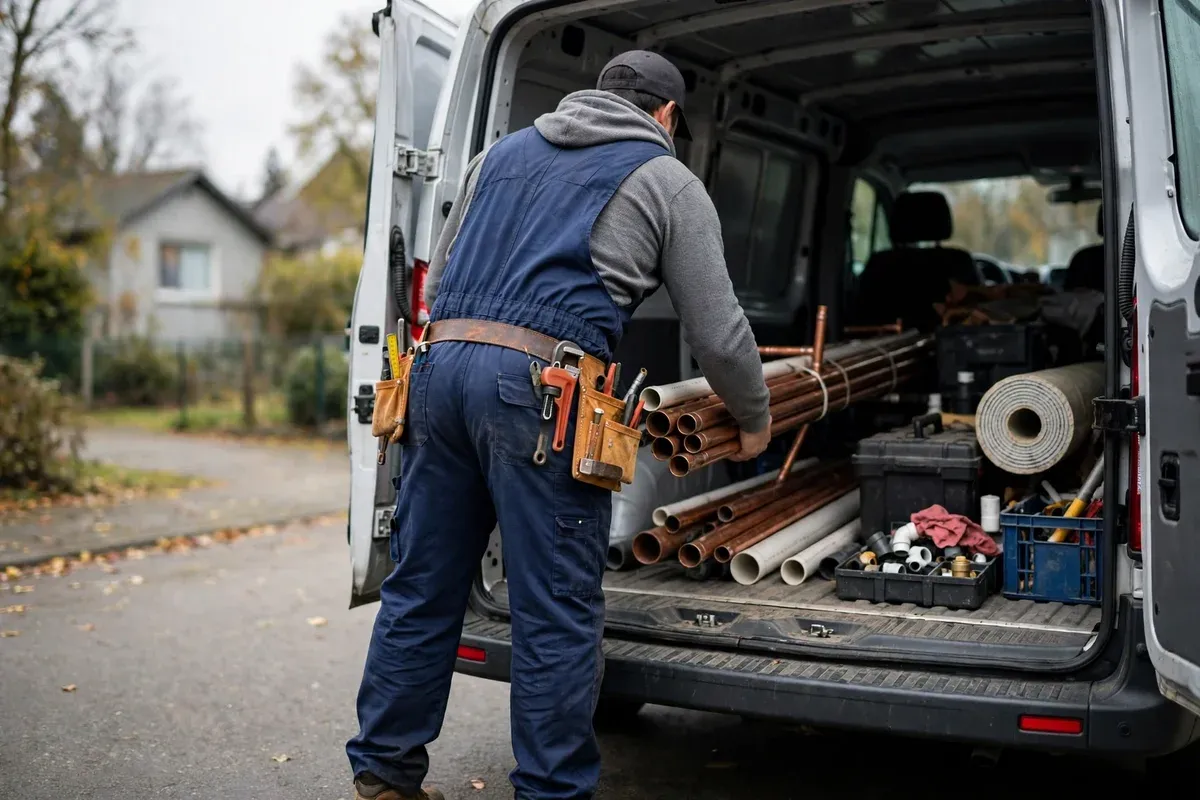
We schedule a visit during business hours and confirm the window. On arrival we review the camera footage and the route first, before any excavation.
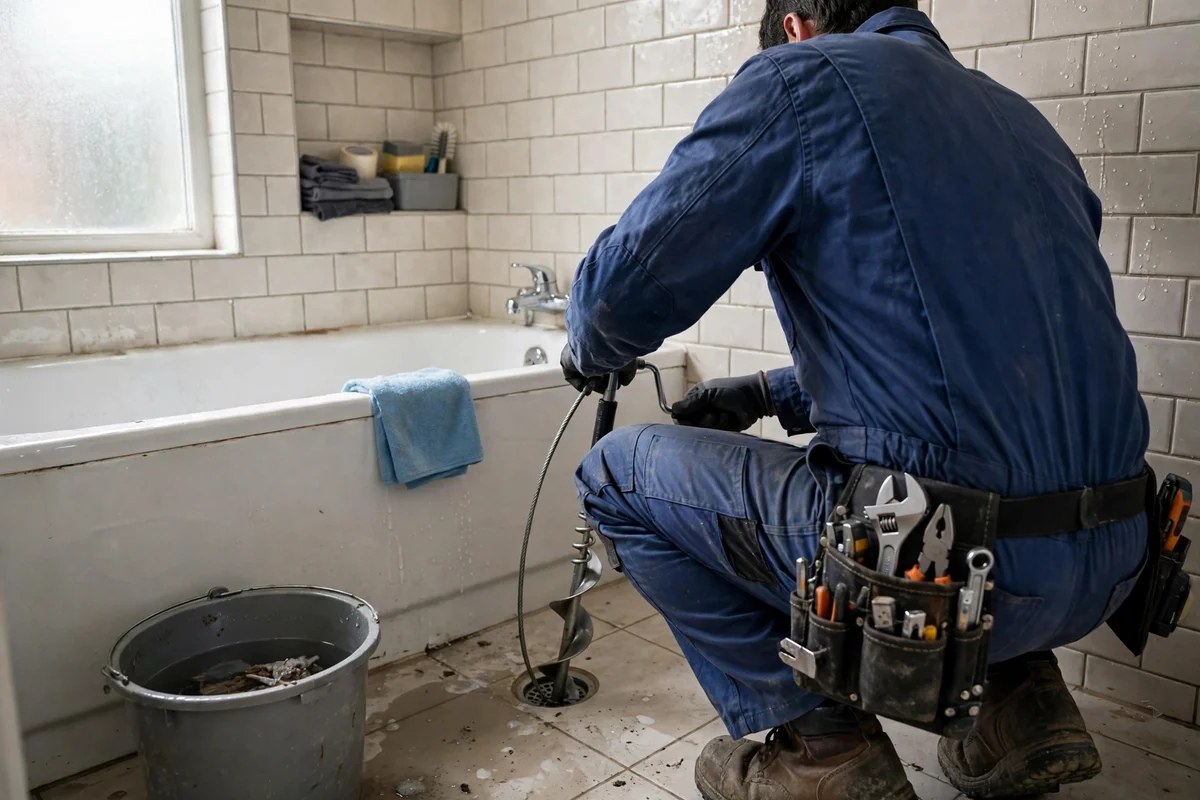
A camera run maps the full lateral, and locates confirm utilities and depth. The written scope follows that map: length, material, grade and restoration.
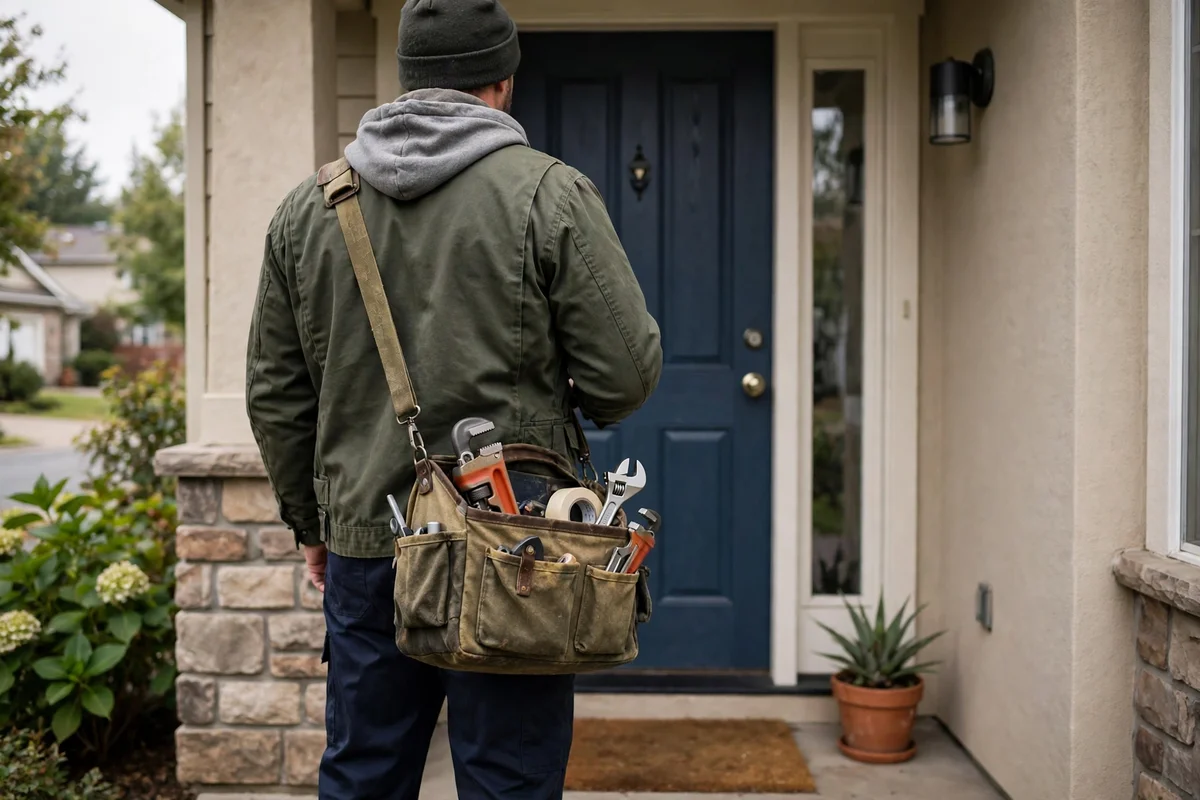
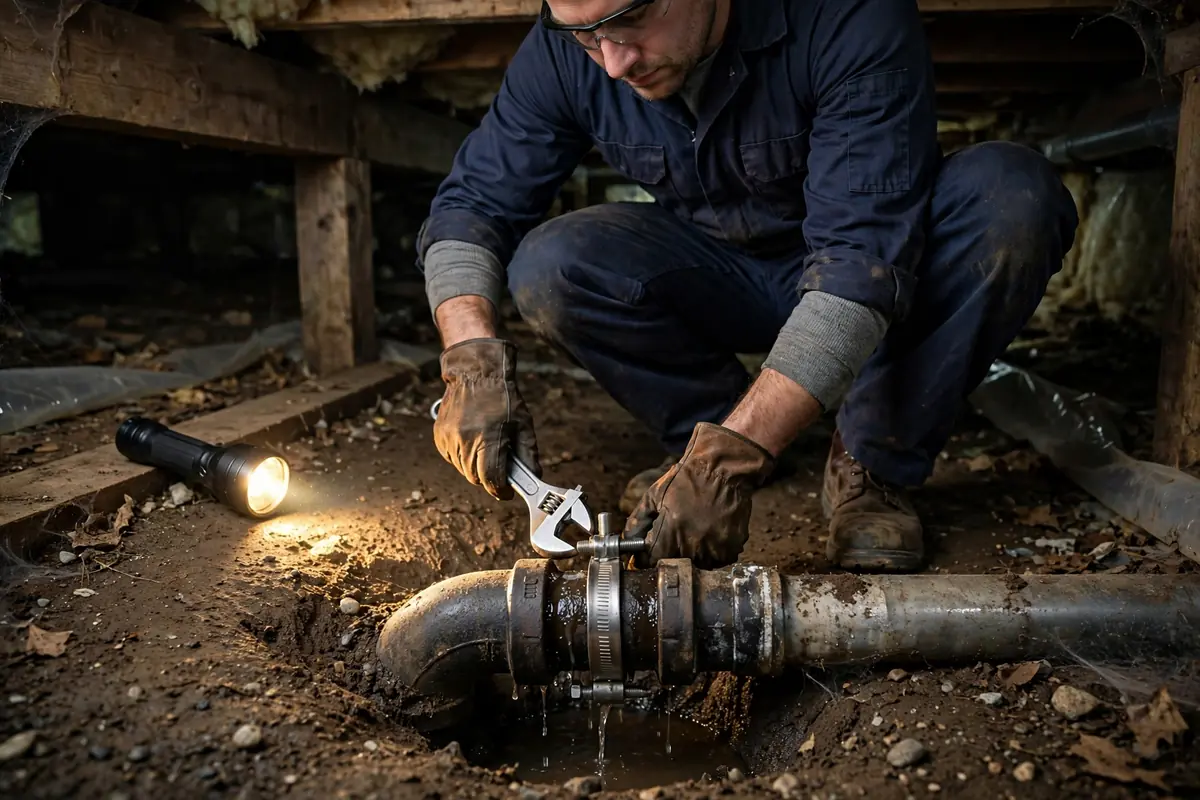
The failed run is excavated and replaced in new pipe at a draining grade, bedded to code. A final camera pass confirms joints and flow before backfill is finished.
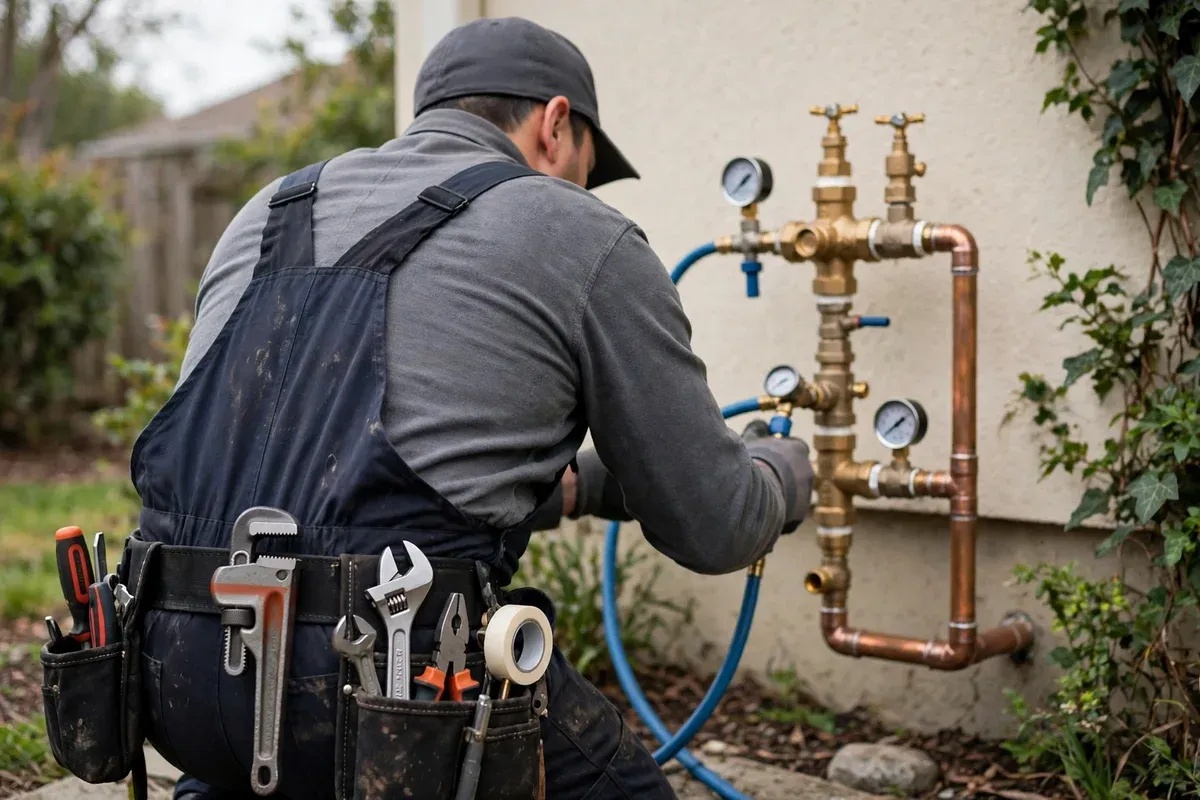
Before we leave, the new lateral is camera-checked and flow-tested, and we walk you through what was replaced and what to watch next.
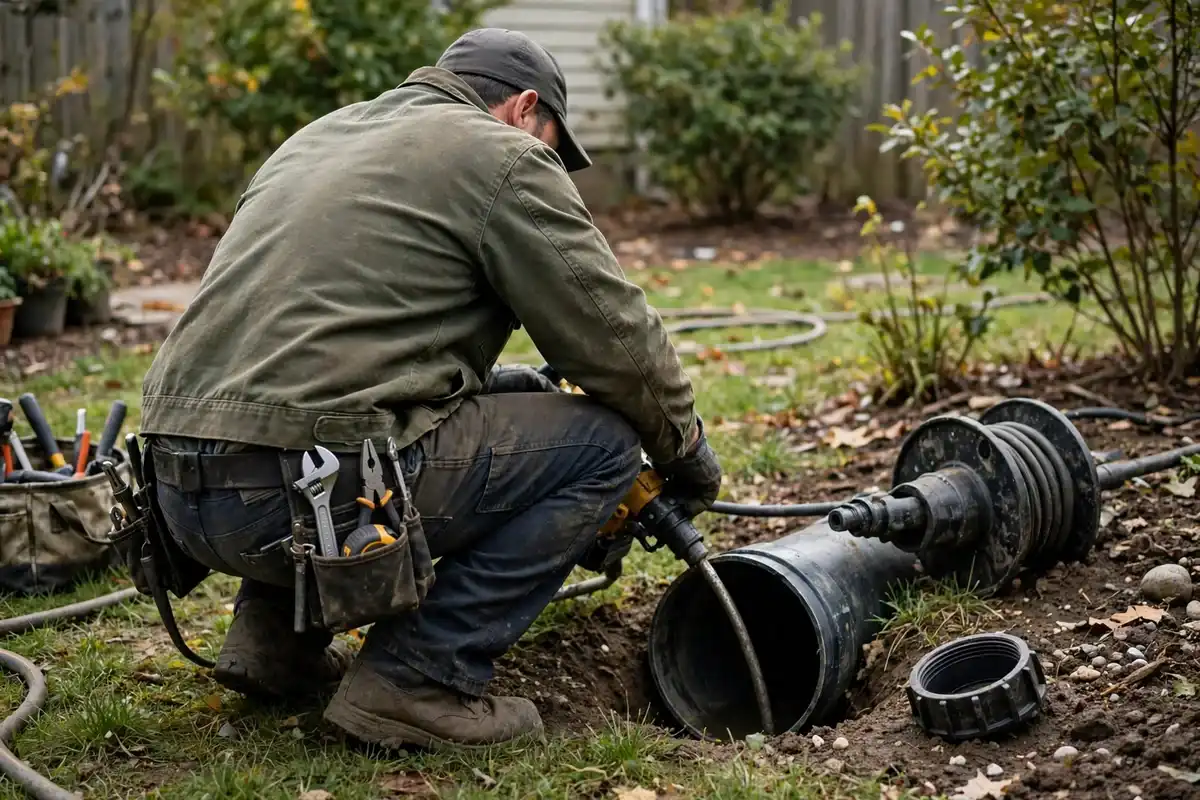
Runs from the cleanout to the city main and records the line. We use it to find breaks, roots, and bellies, and to verify the new pipe after tie-in.
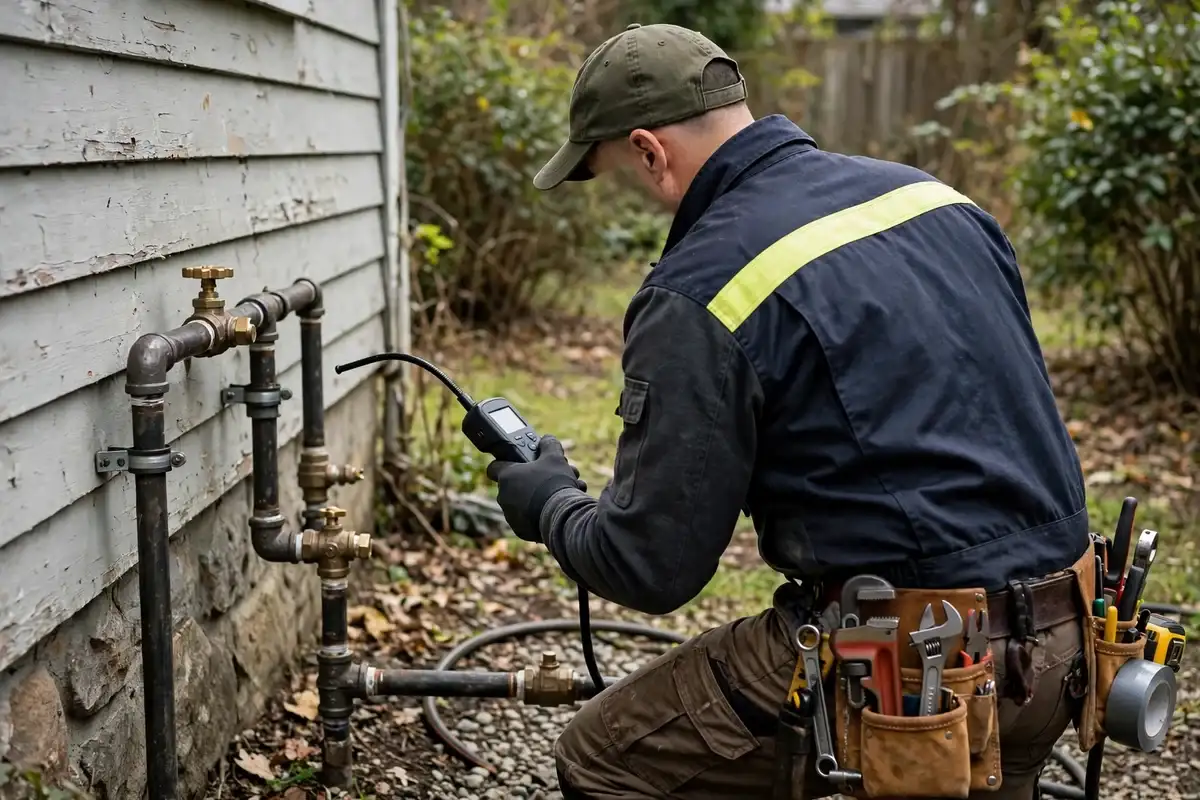
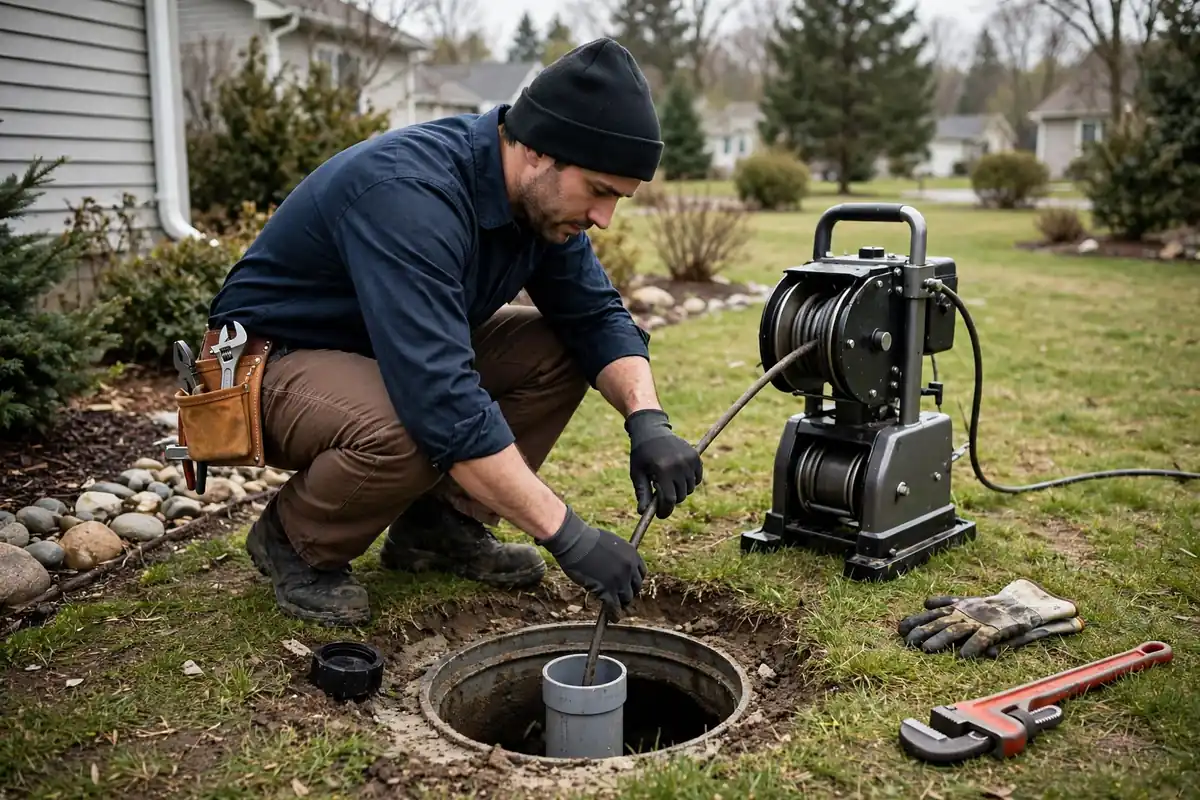
Scours grease, roots, and debris out of the line before we camera it and after we tie in the new pipe. It clears the run without cutting the pipe.

Cuts out old clay, cast iron, and Orangeburg cleanly so the new PVC can be set at the correct grade without damaging adjacent sections.
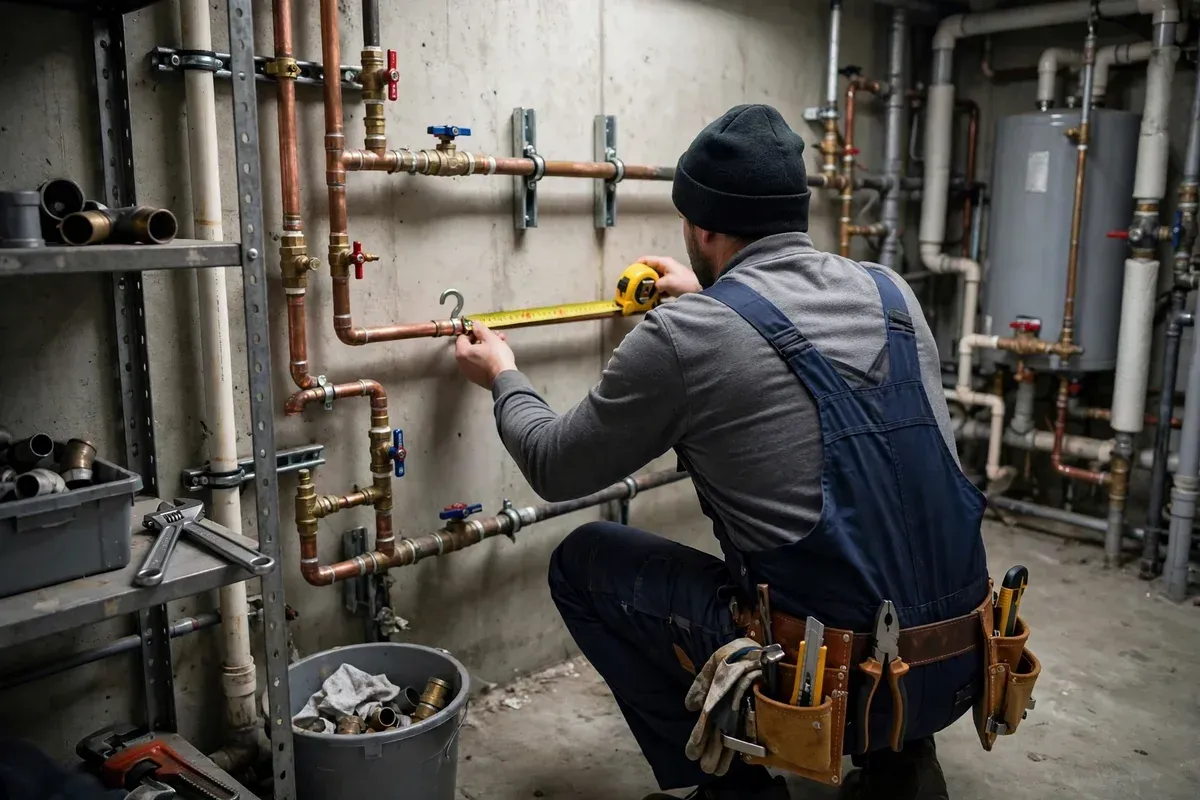
Clears accessible clogs so we can get the camera past the blockage. On a replacement job, we use it to confirm whether the clog is the problem or the pipe is.
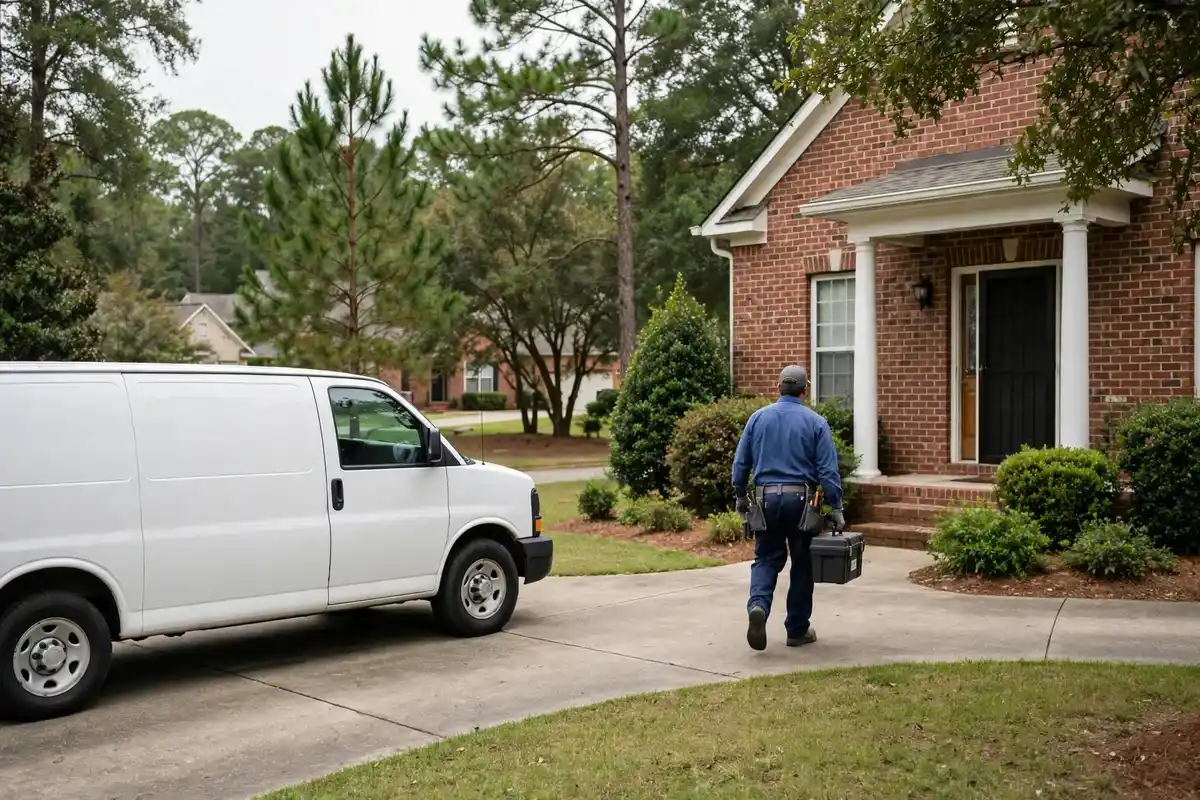
Confirms whether water in the yard is a sewer leak or a supply-side slab leak before we open a trench in the wrong place.
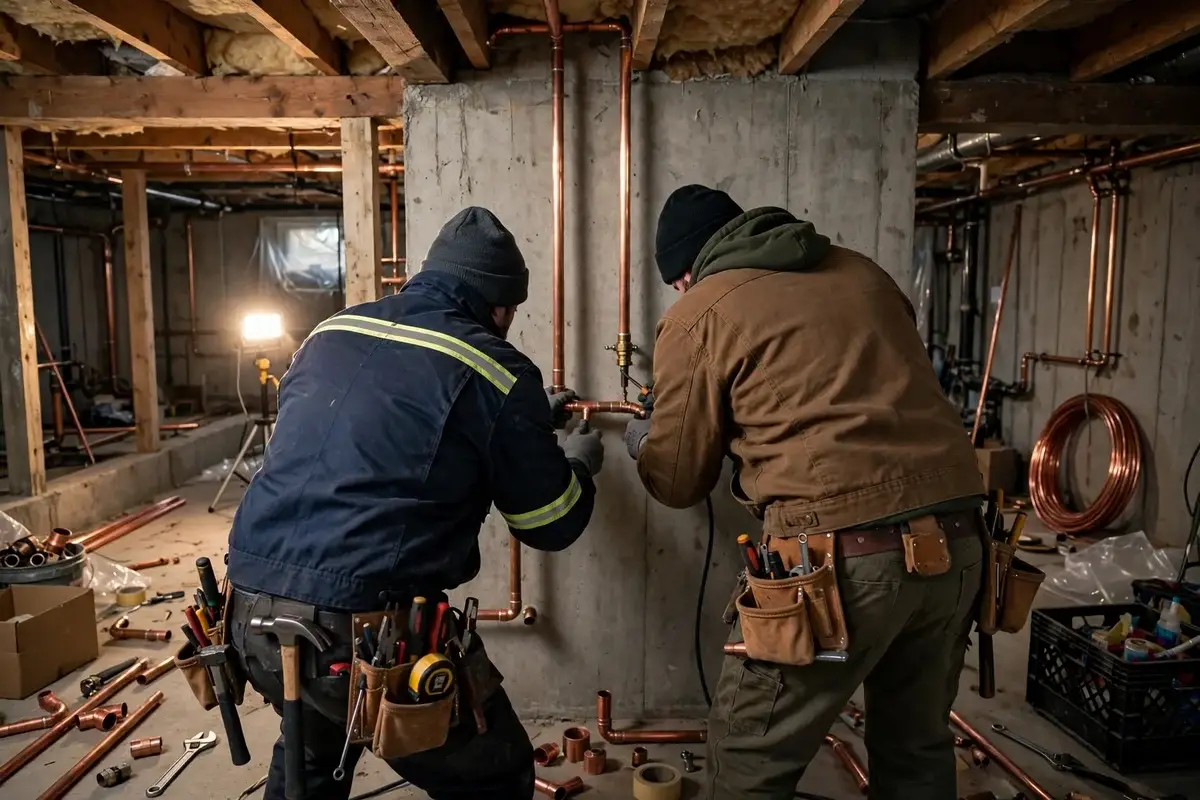
Handles supply-line tie-ins and repairs when a sewer dig exposes nearby copper pipe or PEX tubing that needs attention.

We set every replacement line to UPC fall requirements so waste moves to the city main without sitting. The grade is checked with a camera before backfill. This is the single biggest reason a replacement lasts.
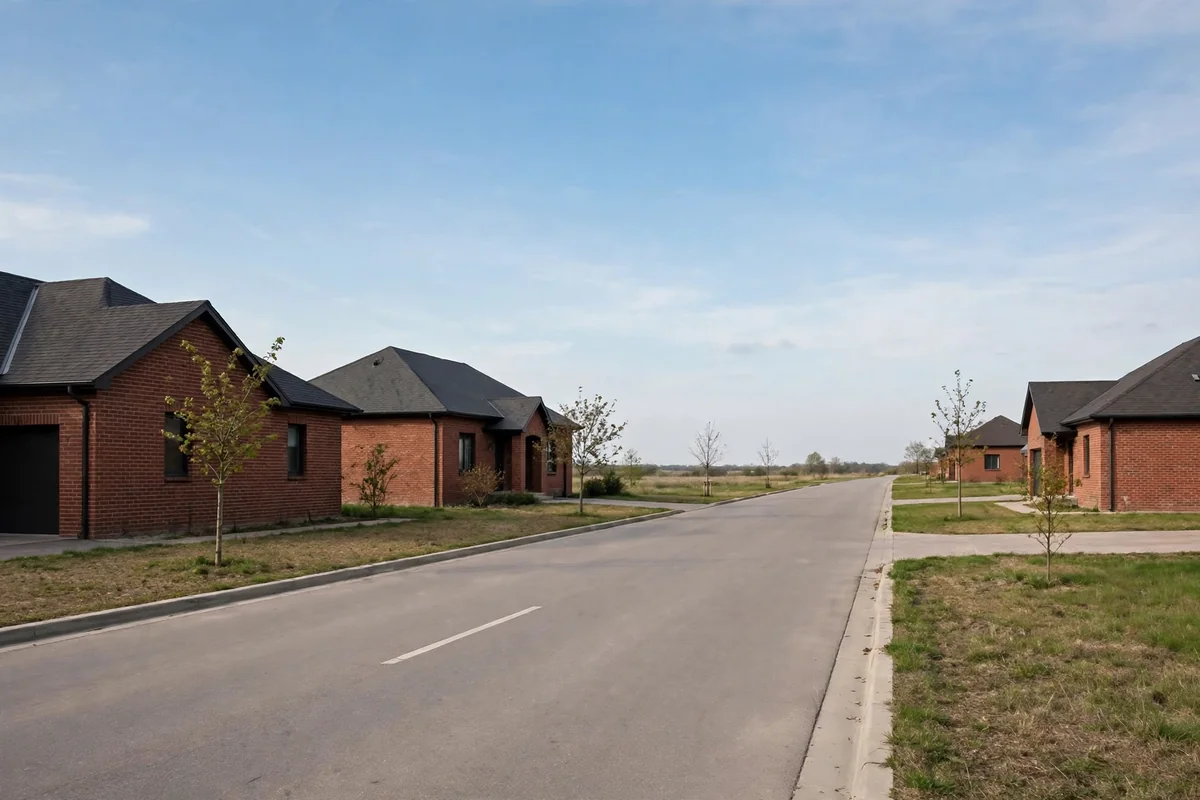
Conyers work follows IPC requirements for pipe material, bedding, and cleanout placement. We pull the permit and build to the code so the job passes inspection and holds up over time.
A lateral with failure across most of its run will not be fixed by one more spot repair. Replacement renews the run in a single scoped job, with the footage deciding the length.
Collapses block flow outright and usually signal pipe at end of life. Excavation and replacement, rather than repeated clearing, is the durable answer.
Roots re-enter through cracks. When the cracks run the length of the lateral, replacing the pipe removes the entry points instead of cutting the same roots again.
A belly or a settled run holds water and waste no matter how often it is cleared. Replacement re-sets the grade so the line drains fully between uses.
Conyers replacement work is planned around soil, trees and access. Red clay holds water and shifts with the seasons, cracking old pipe joints; granite can slow excavation, so rock is planned for when quoting a dig. Mature oaks shade many yards, and their roots are often the reason the old lateral failed — the new route and bedding are chosen with that in mind. Length drives price more than any other factor, so the run is measured on camera before any figure is agreed. Restoration of lawns and planting is discussed before work, not after.
Camera footage showed cracked joints and root entry across most of a clay lateral, with backups returning after every clearing.
The run was replaced in new pipe at a draining grade, with a final camera pass confirming joints and full flow before backfill.
When breaks run the length of the pipe, one renewal beats a series of spot repairs — ask to see the footage before deciding.
A collapsed clay section blocked all drainage, and clearing could not restore flow.
The failed run was excavated and replaced, and the remaining line was camera-checked so a second weak section was not left behind.
A collapse is an end-of-life signal for that pipe. Check the rest of the run while the trench is open.
A low, settled section held water permanently, slowing every fixture and smelling after rain.
Replacement re-set the grade, and the final camera pass showed the line draining fully between uses.
A line that holds water will always smell and slow. Grade, not clearing, is the fix.
Most replacement jobs fall into a handful of categories. Here are the ones we see most often in Conyers and how each is handled.
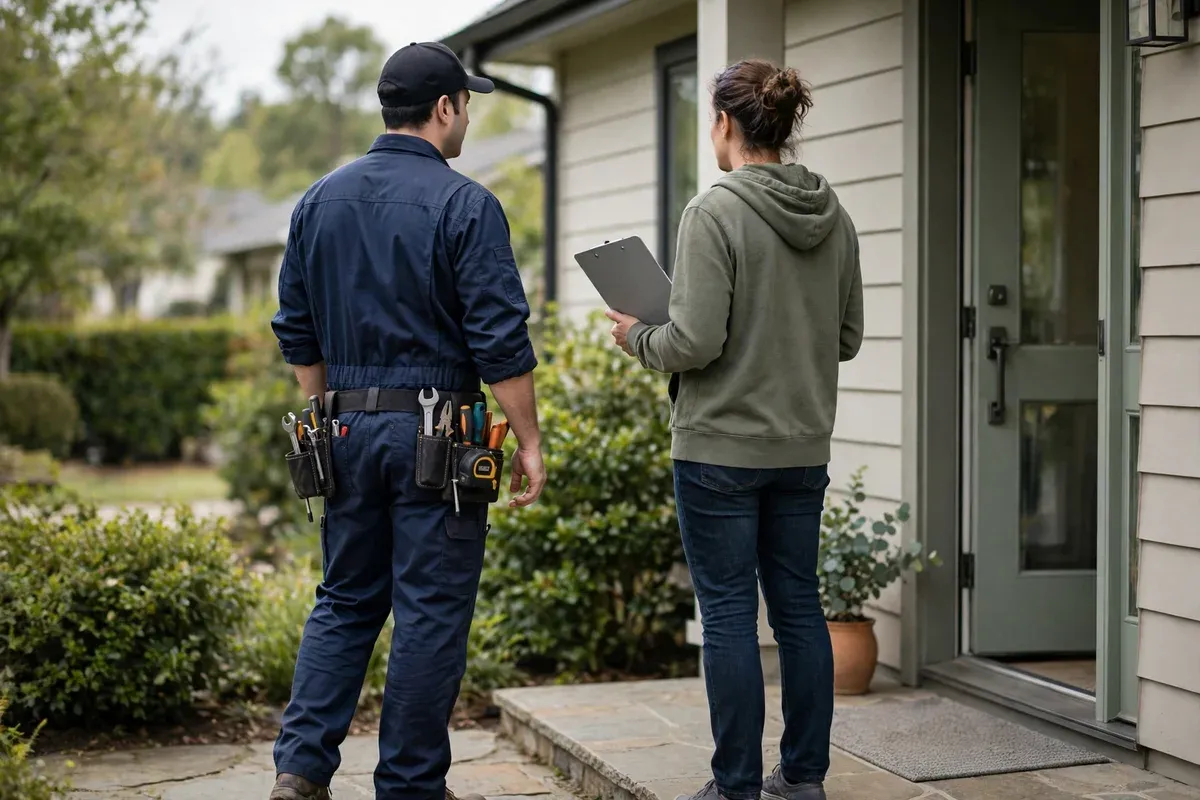
A collapsed run blocks flow outright. Replacement renews the pipe at a draining grade, with the route confirmed by camera and locates.
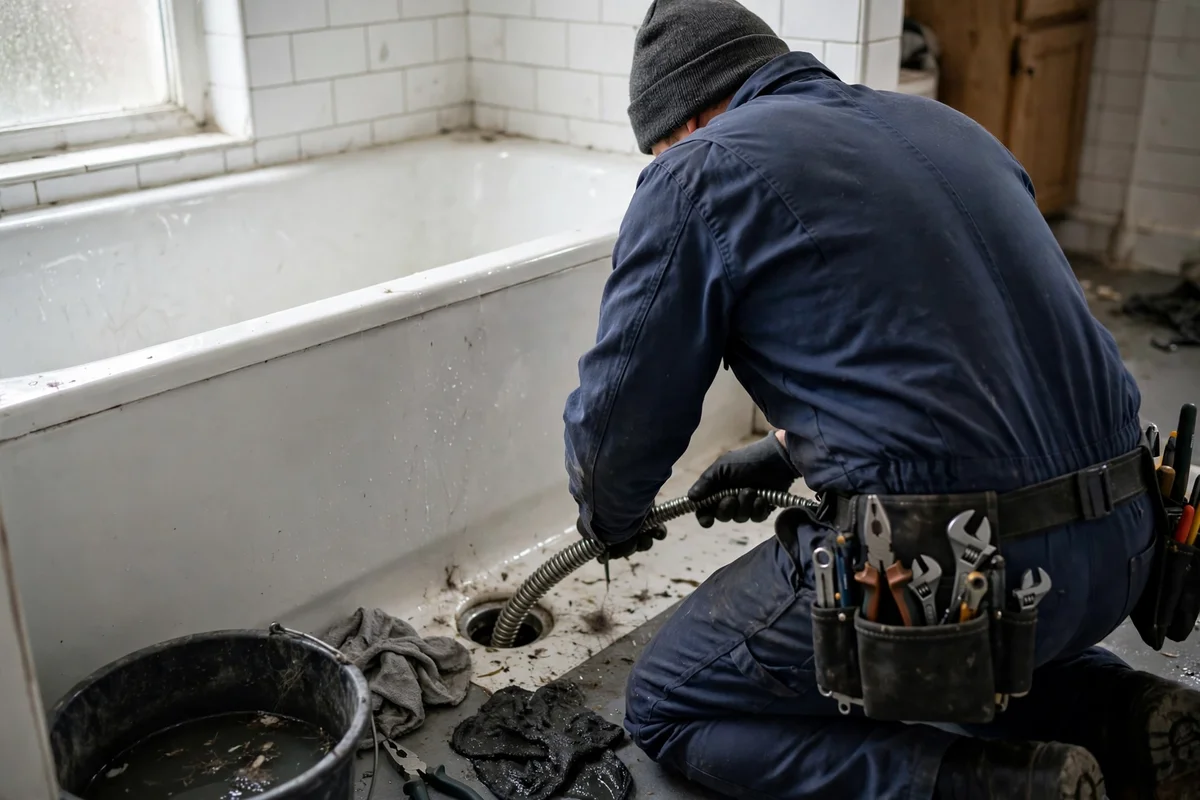
Breaks at joint after joint mean the pipe material has reached end of life. Spot repairs leave failing pipe behind; replacement removes it.
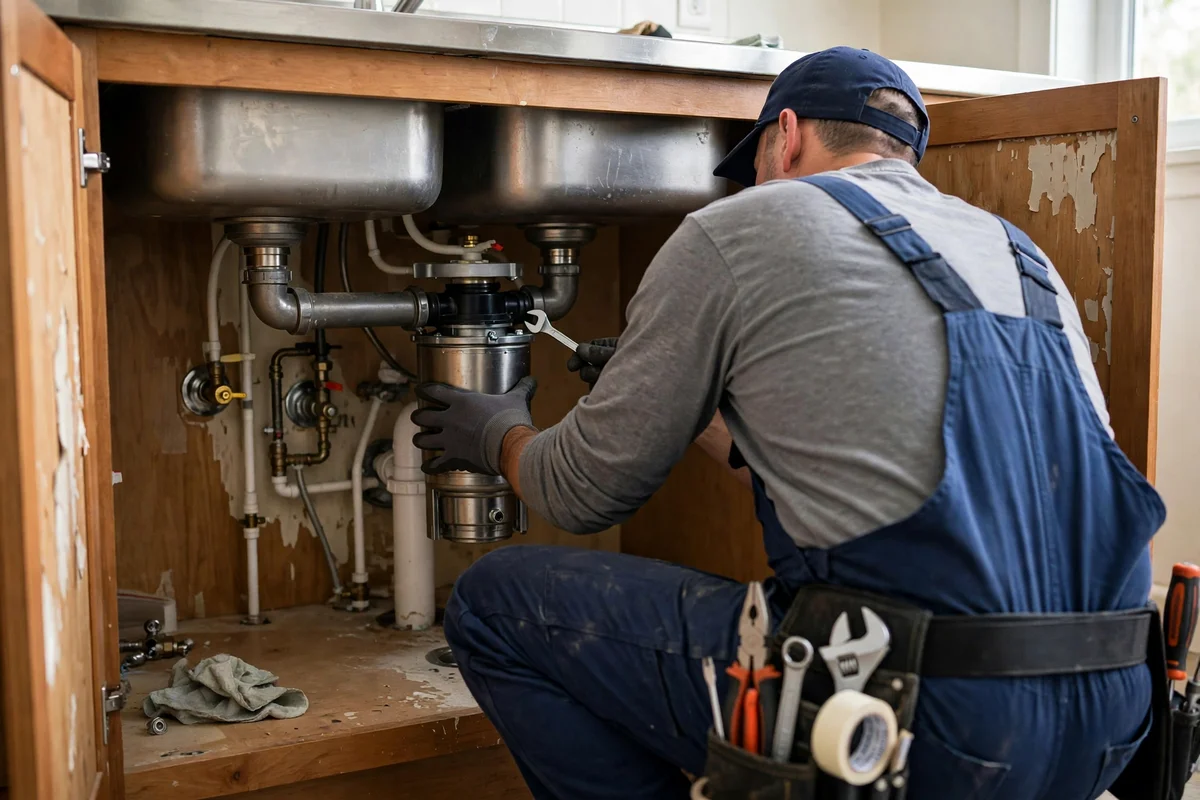
When roots have entered along the whole run, replacing the pipe removes the entry points. Bedding and jointing are chosen to resist re-entry.
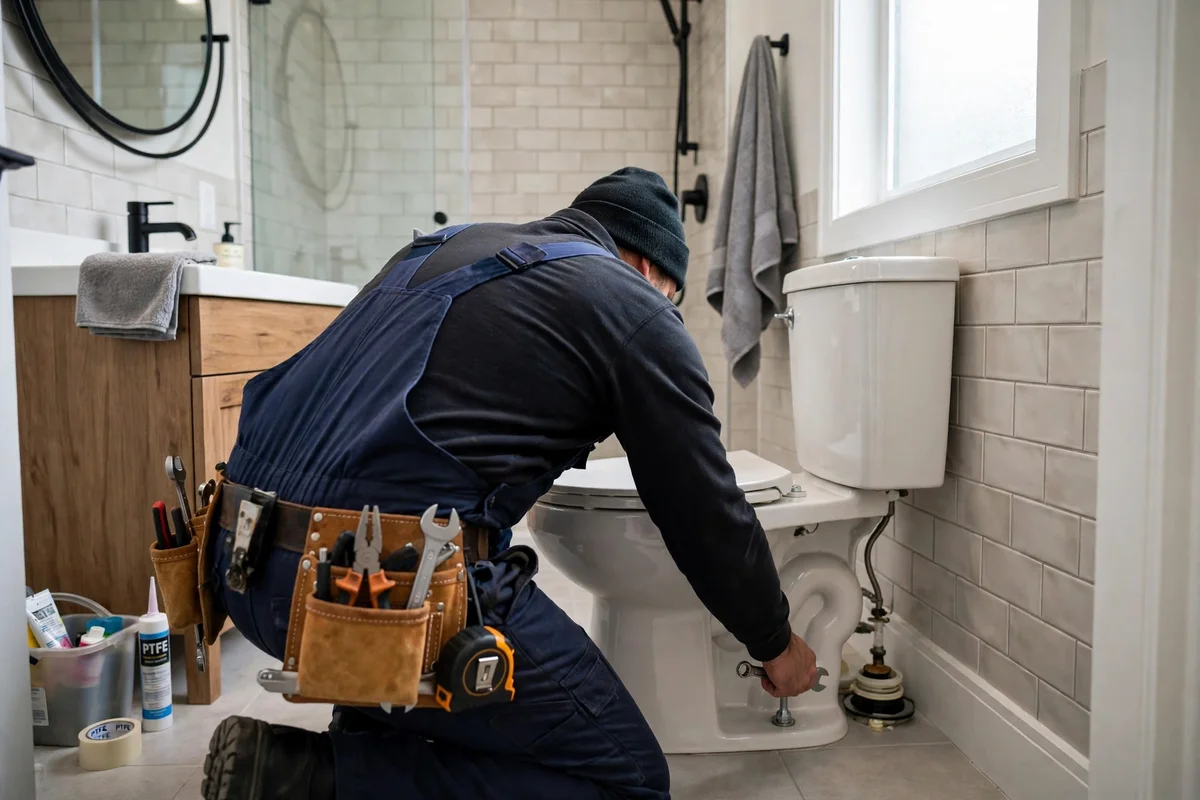
A sagging run holds water permanently. Replacement re-sets the grade, and the final camera pass proves drainage.
You agree the price and the scope before work starts, including route, depth, and restoration. Oct-2026 Atlanta market data on this page is background only, never a quote for your job — call for a written price before work.
Sewer replacement work is built to the 2024 International Plumbing Code with Georgia Amendments, effective 1 January 2026. Permits are checked with the City of Conyers or Rockdale County as applicable, and the permit route is agreed before excavation.
Replacement is priced as a single written scope after the camera map: length, depth, material, permits and restoration, agreed before excavation starts.
New laterals are camera-checked and flow-tested before we pack up, and the footage is shown to you so you can see the finished line.
Clear records you can keep and share.
Agreed before any repair work begins.
Every fitting and fixture noted on the invoice.
Line tested and confirmed before we leave.
Replacement is a bigger decision than a repair, so a few facts matter before the camera visit. Here is what helps.
Camera access starts at the cleanout. Locating it before the visit saves time and keeps the map accurate.
The replacement route ends at a street main or a tank. Knowing which decides the scope, the permits and the restoration.
If footage exists from an earlier visit, share it. It focuses the new map and avoids re-diagnosing known sections.
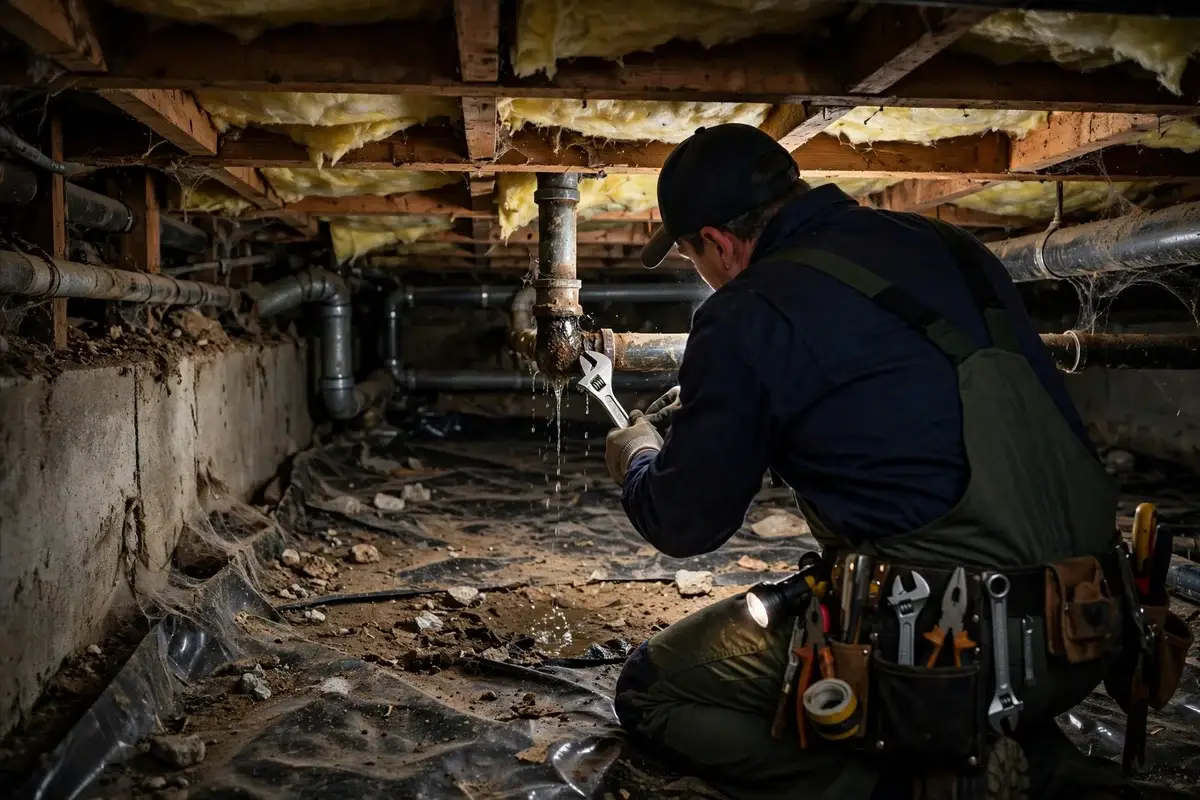
Call to confirm coverage in your part of Conyers and Rockdale County. +17708971640
4.7 stars from 7 Google reviews · Read reviews on Google
Monday to Friday, 9 AM to 5 PM; Saturday and Sunday closed. If a burst pipe or sewer backup happens outside those hours, shut off the water, stop running water, and call +17708971640 at 9 AM. If you smell gas, leave the building first and call 911 or your gas utility — do not wait for a plumber.
No firm price is possible before the camera map, length, depth and access are known. As background only, Oct-2026 Atlanta market data, not SoCo Plumbers' prices — call for a written price before work.: the national average for a sewer line job was $3,319 (HomeAdvisor), and full replacements commonly run well above a spot repair. Your written price follows the camera map.
Trenchless methods are not promised on this page. The method is decided after camera inspection and after access and line condition are confirmed, and traditional replacement is the baseline described. Ask on the call and we will tell you plainly whether your line allows another method.
Backfill and surface tidying are part of the written scope, and sod or planting restoration is discussed before work starts, so there is no surprise at the end of the job.
A lateral that has failed along its run deserves a camera map and a written scope, not another clearing. Call SoCo Plumbers at +17708971640 during business hours.
Call SoCo Plumbers Monday to Friday, 9 AM to 5 PM for sewer line replacement. Tell us what the camera has shown, if anything, and whether the property is on sewer or septic.