Written price before work
Agreed before any repair work begins.
Sink and garbage disposal services in Conyers cover the kitchen's hardest-working drain: a disposal that hums but will not turn, a sink that drains slowly, a leak at the trap or the disposal flange, or a unit ready for replacement. SoCo Plumbers diagnoses the sink, disposal and drain together during business hours, Monday to Friday, 9 AM to 5 PM, because a disposal fault and a drain fault present almost identically at the sink — and swapping the unit will not fix a drain.
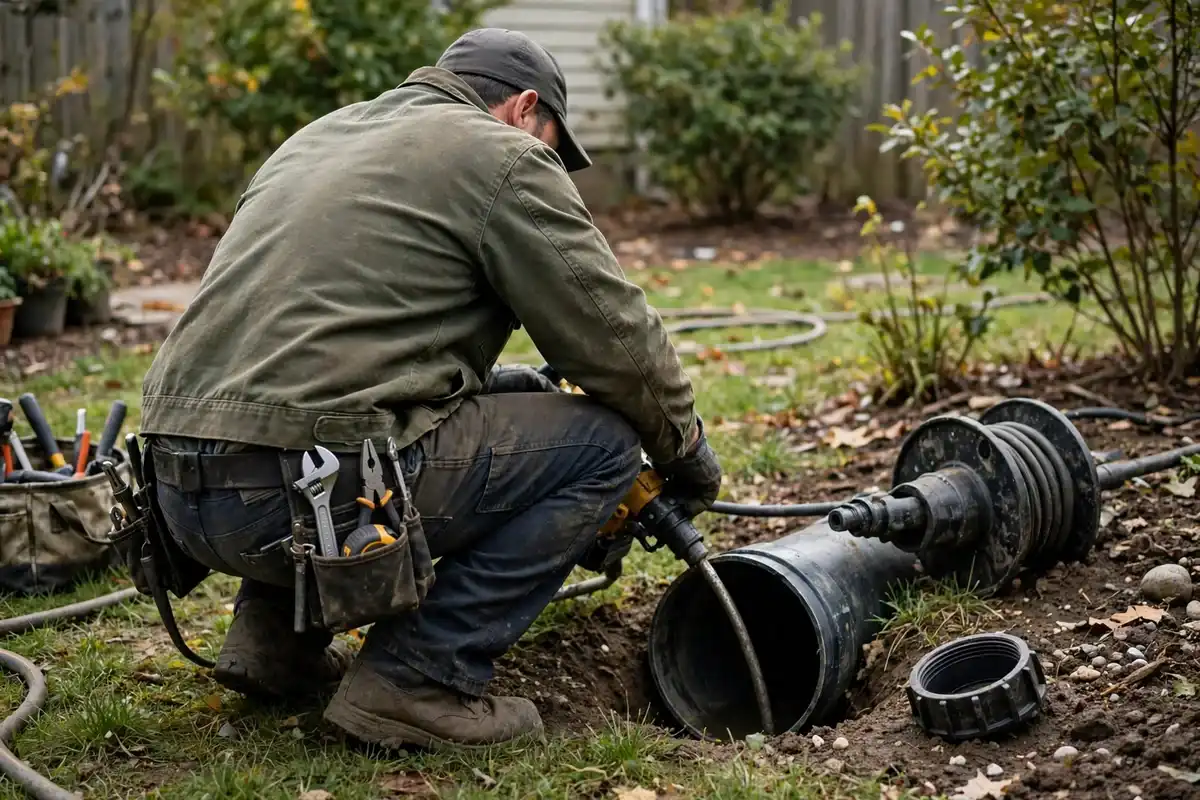
Every sink and garbage disposal services visit follows the same core scope: diagnose first, agree the price and scope in writing, do the work, and test before leaving.

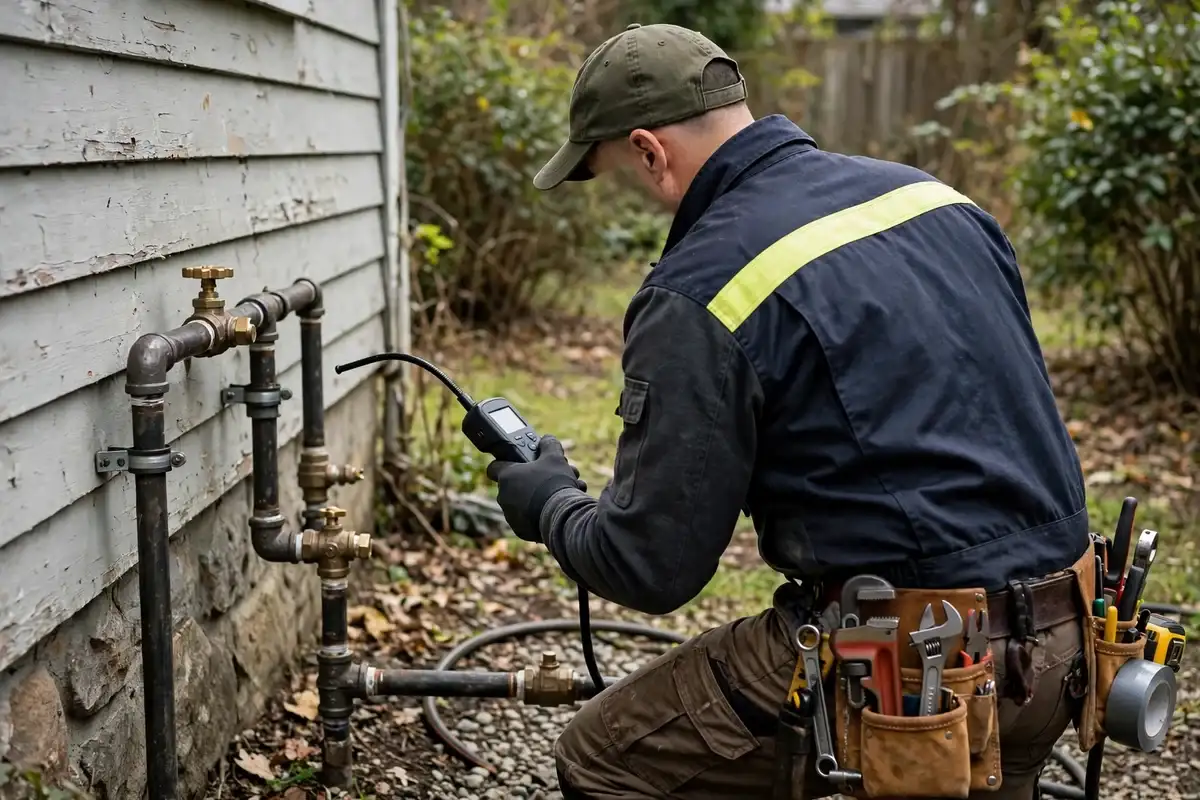
For Conyers homes: jammed disposals, slow kitchen sinks, leaks at traps and flanges, and new disposal installs, handled during business hours.
Offices, restaurants, shops and multi-family buildings with kitchen sink or disposal faults get the same sink-first approach during business hours, with repeat faults across units noted for the property record.
A kitchen sink problem is rarely a single part. A disposal that hums has a jammed flywheel or a failed motor; a sink that drains slowly may have a grease-coated branch, a rough cast-iron interior or a disposal that is not clearing; a leak under the sink may come from the trap, the disposal flange, a supply line or the faucet above. Diagnosing the sink as a system — faucet, supply, trap, disposal, drain — is what separates a fix from a swap that changes nothing. Our drain cleaning work covers the branch and main-line end of a slow sink, and our faucet installation and repair work covers the fixture above it; sink and disposal work joins them at the basin.
Conyers conditions shape the caseload. Older homes carry galvanized and cast-iron drains whose rough interiors catch grease and food waste faster, so kitchen sinks slow sooner; newer builds carry PVC and PEX, where disposal failures are more often motor-related than drain-related. Island sinks deserve a venting check, since island loops are prone to slow drains. Work follows the International Plumbing Code as adopted with Georgia Amendments, and every repair is tested under full water pressure before sign-off.
Test the sink as a system, fix the part that failed, and prove the drain.
From the first call to the final test, here is the sequence for a sink and garbage disposal service visit in Conyers, booked during business hours.
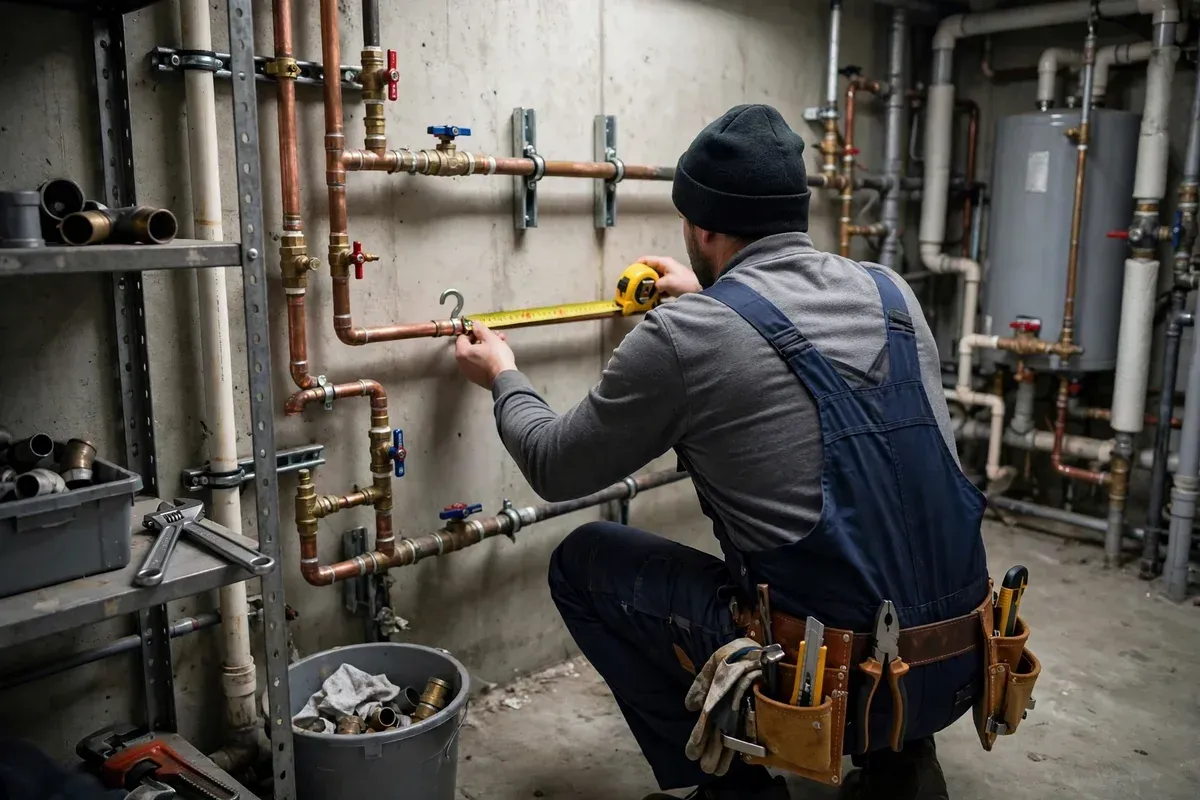
Call +17708971640 Monday to Friday, 9 AM to 5 PM. Tell us whether the sink is jammed, leaking, or slow, and which fixtures are affected; we will talk through shutting off the under-sink valves if that is the safe first step.
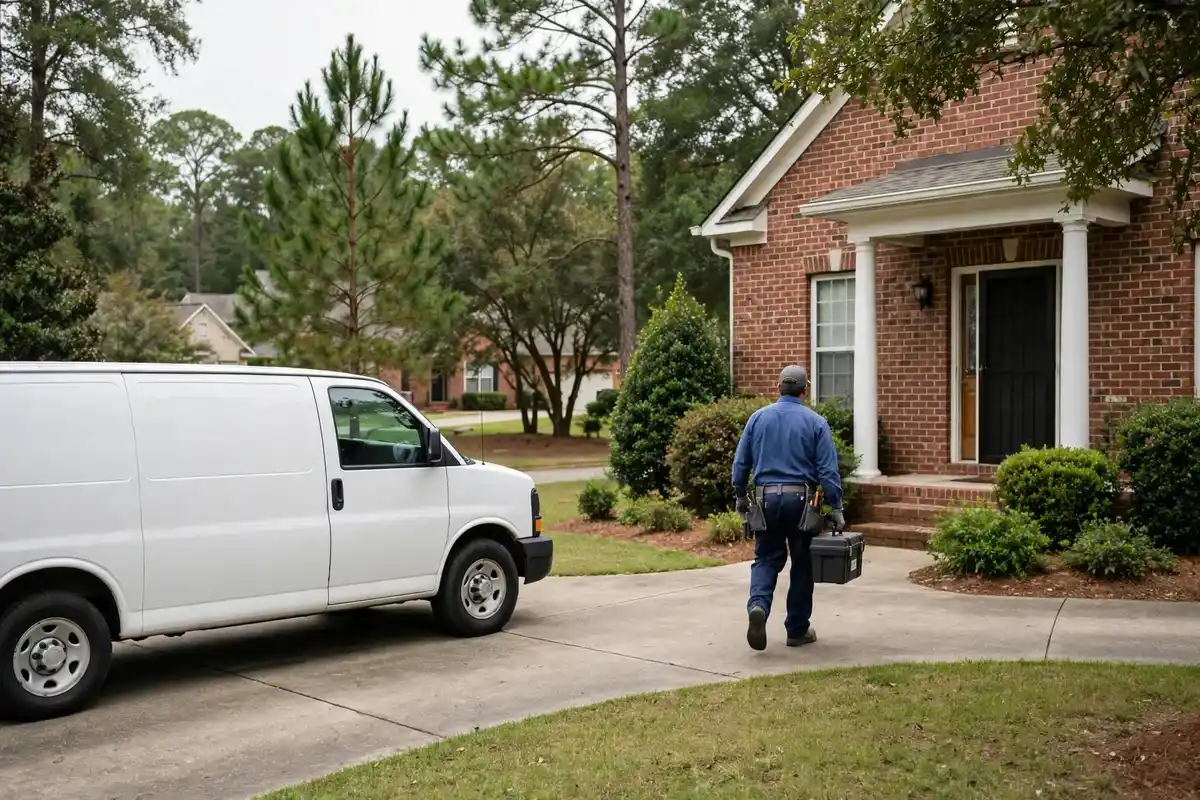
We schedule a visit during business hours and confirm the window. On arrival we check the disposal, trap, and branch drain first, before any dismantling.
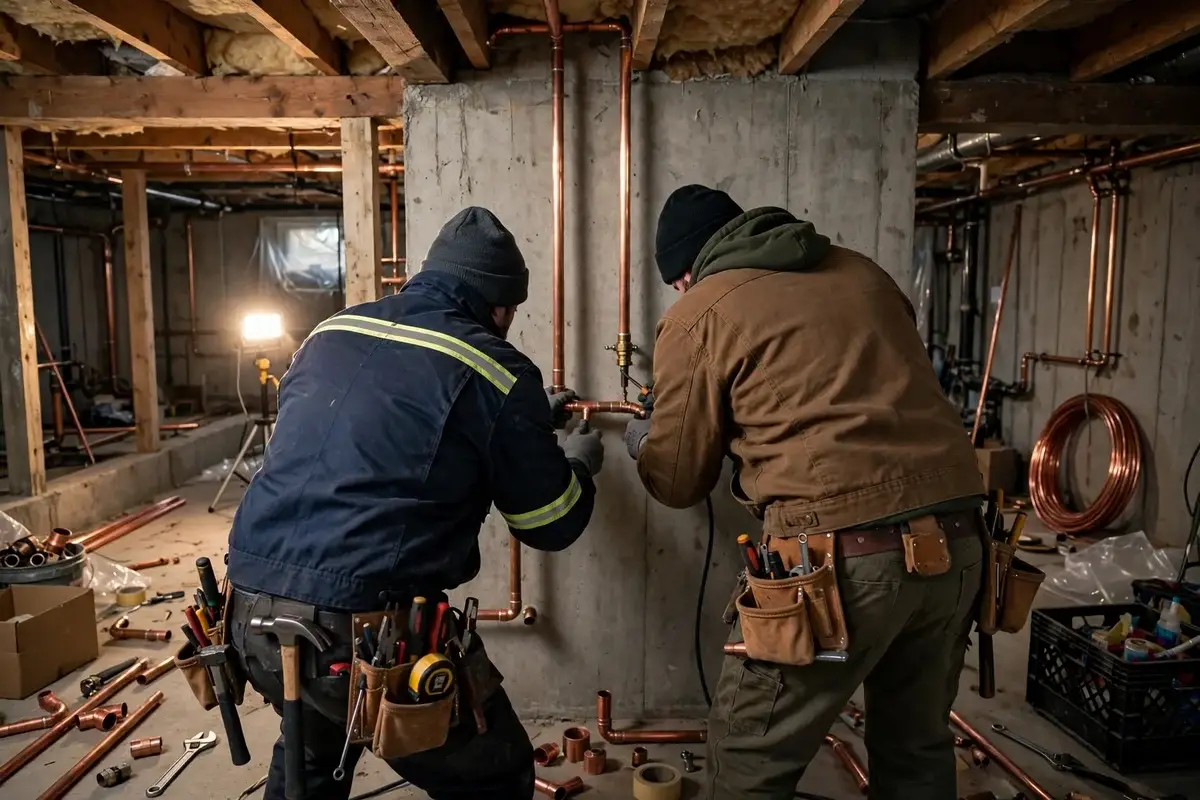
We test the disposal, the trap and flange, the faucet supply lines and the drain branch, identifying whether the fault is the unit, the trap or the drain.

The disposal is freed or replaced, the trap or flange repaired, and the drain cleared as needed — then the sink is run at full flow to prove the fix.
Before we leave, the sink and disposal are run and checked for leaks, and we walk you through what failed and what to watch next.
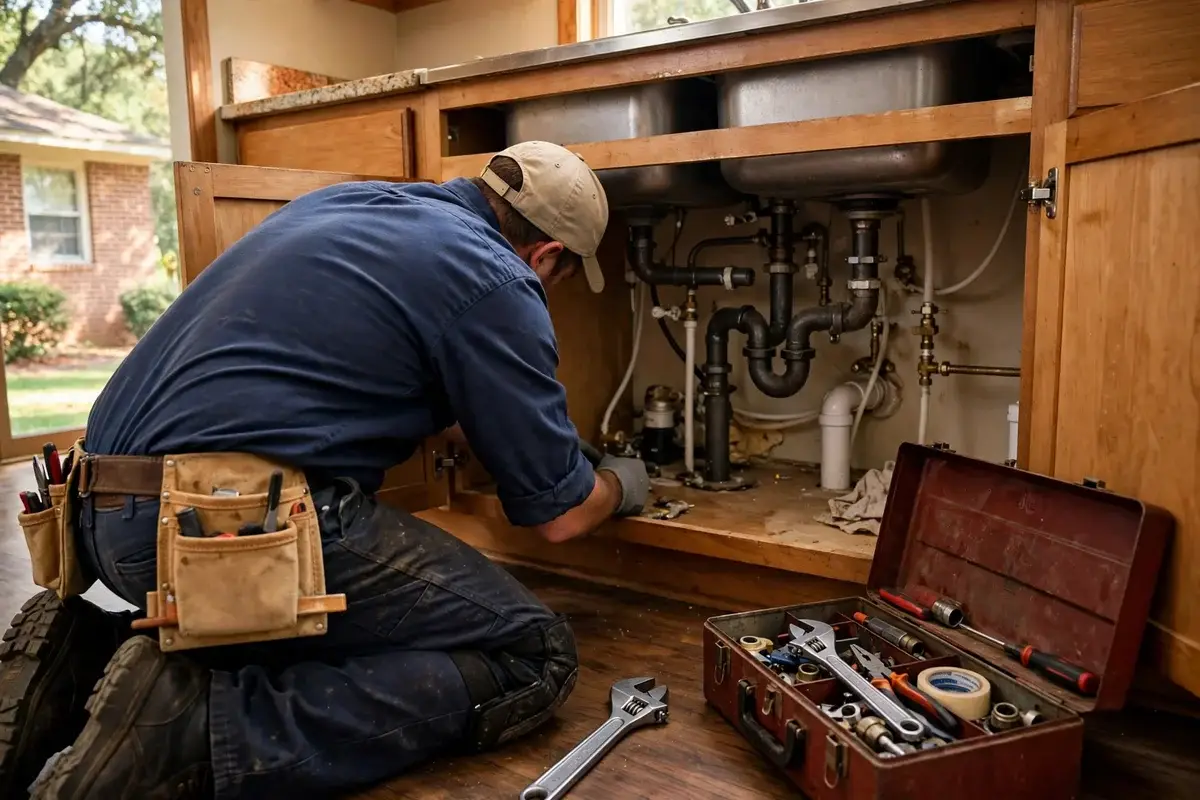
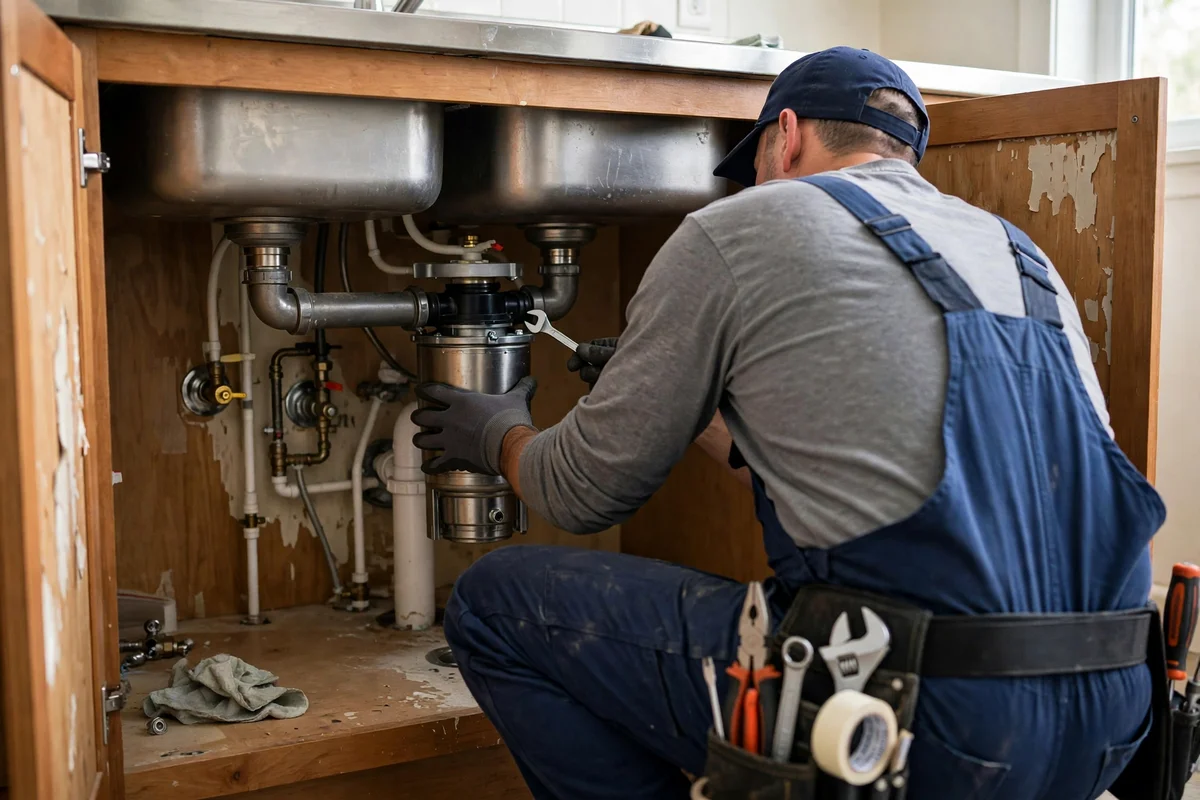
Used to loosen slip nuts and faucet mounting nuts under the sink. A basin wrench reaches the back nut on a faucet where a standard wrench will not fit.
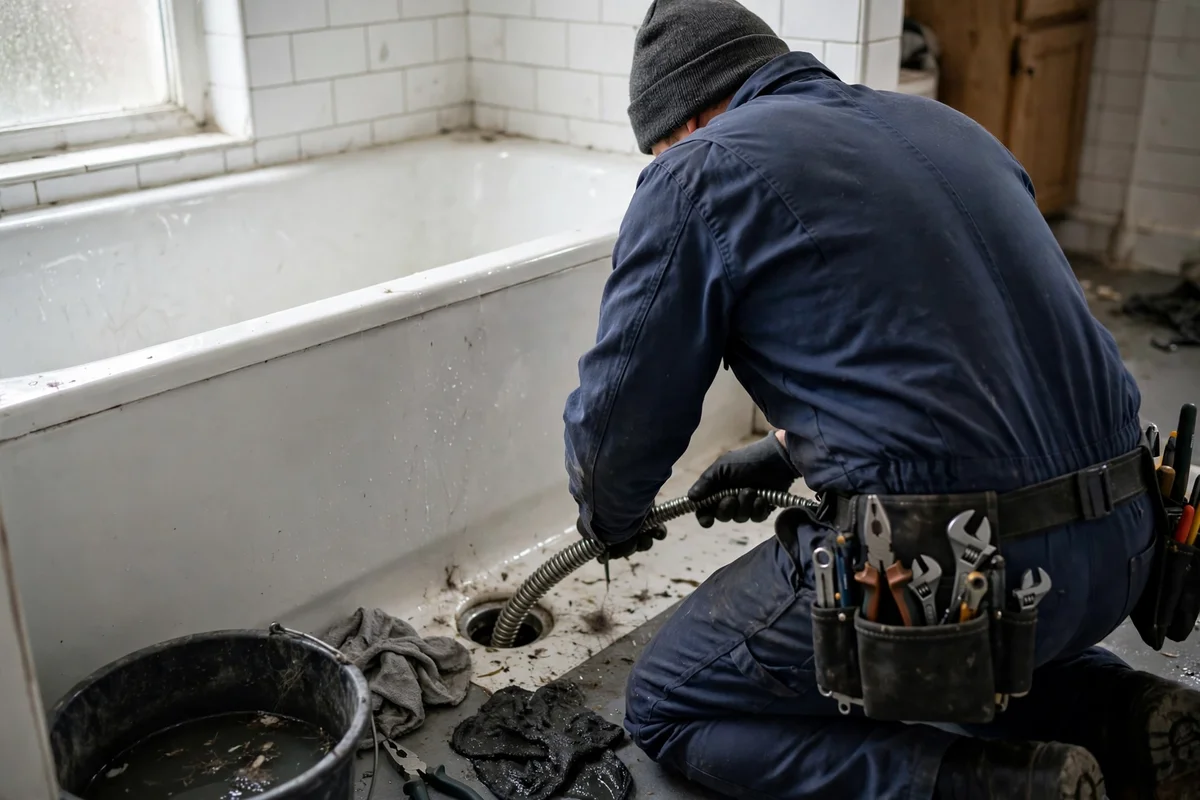
Clears clogs in the P-trap and branch line. We also use a disposal auger to free a jammed flywheel without pulling the unit.
Scours grease and food waste from kitchen drain lines. It restores full pipe diameter instead of just poking a hole through the clog.
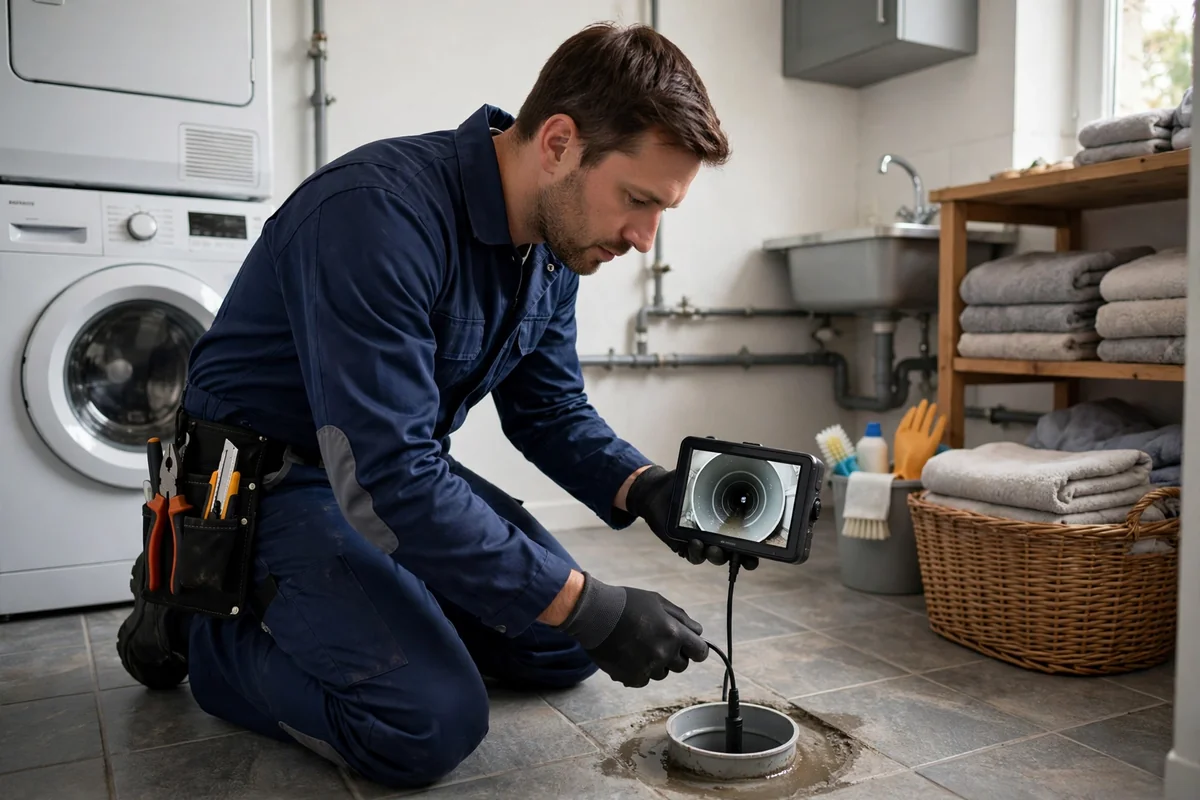
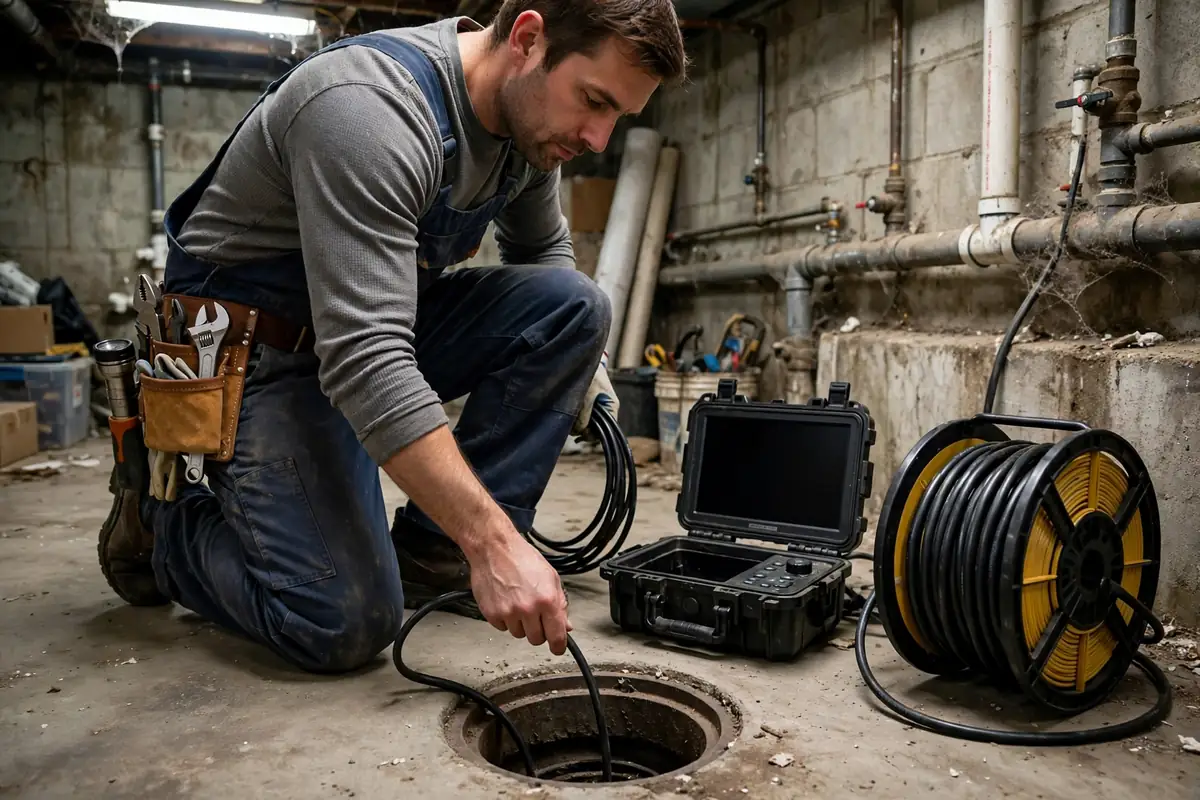
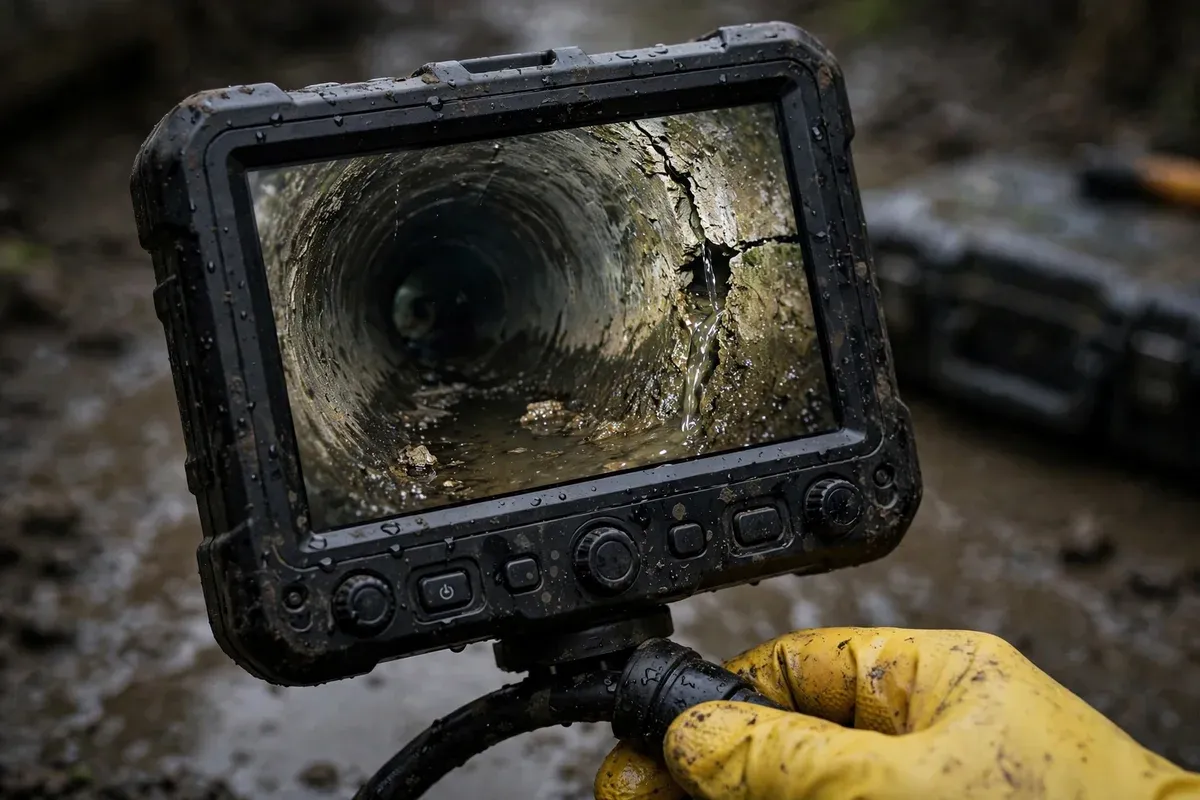
Lets us see inside the drain line when a kitchen sink backs up repeatedly. We use it to find root intrusion, bellies, or broken pipe.
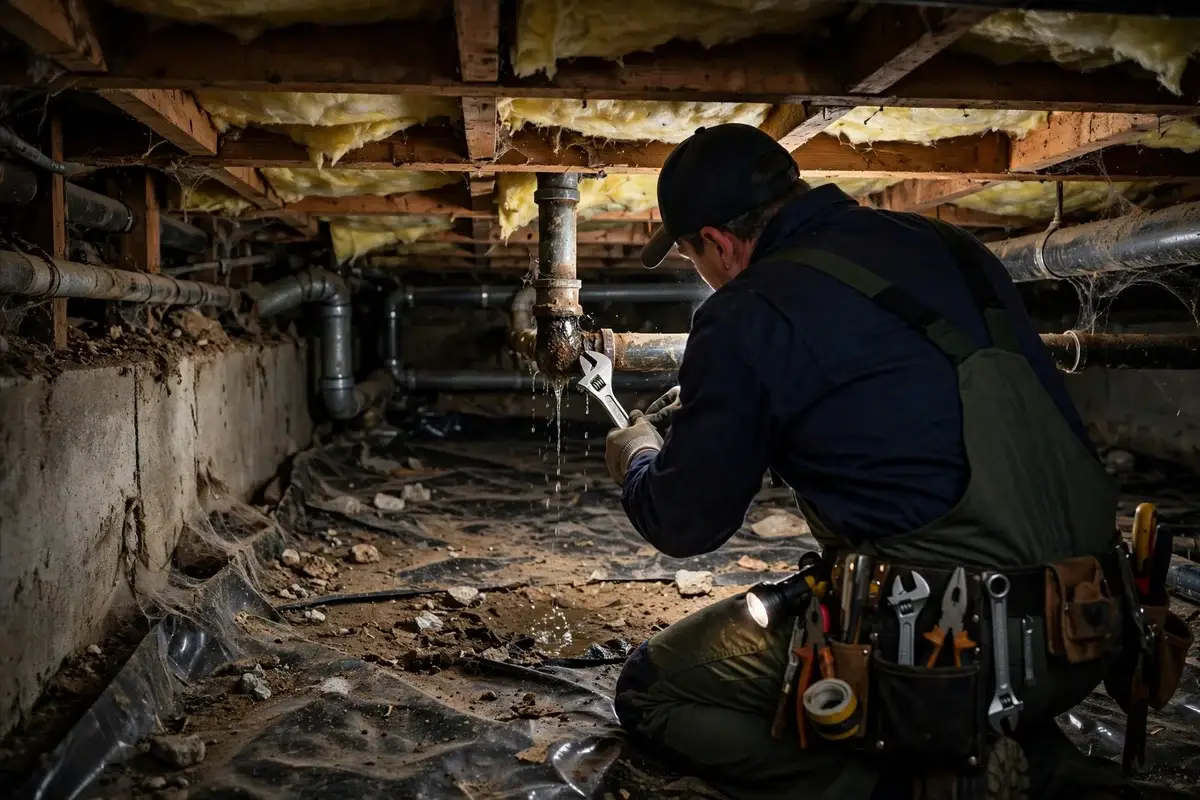
Finds hidden leaks under the cabinet or behind the wall. It helps us confirm whether the source is the supply line, drain, or disposal housing.
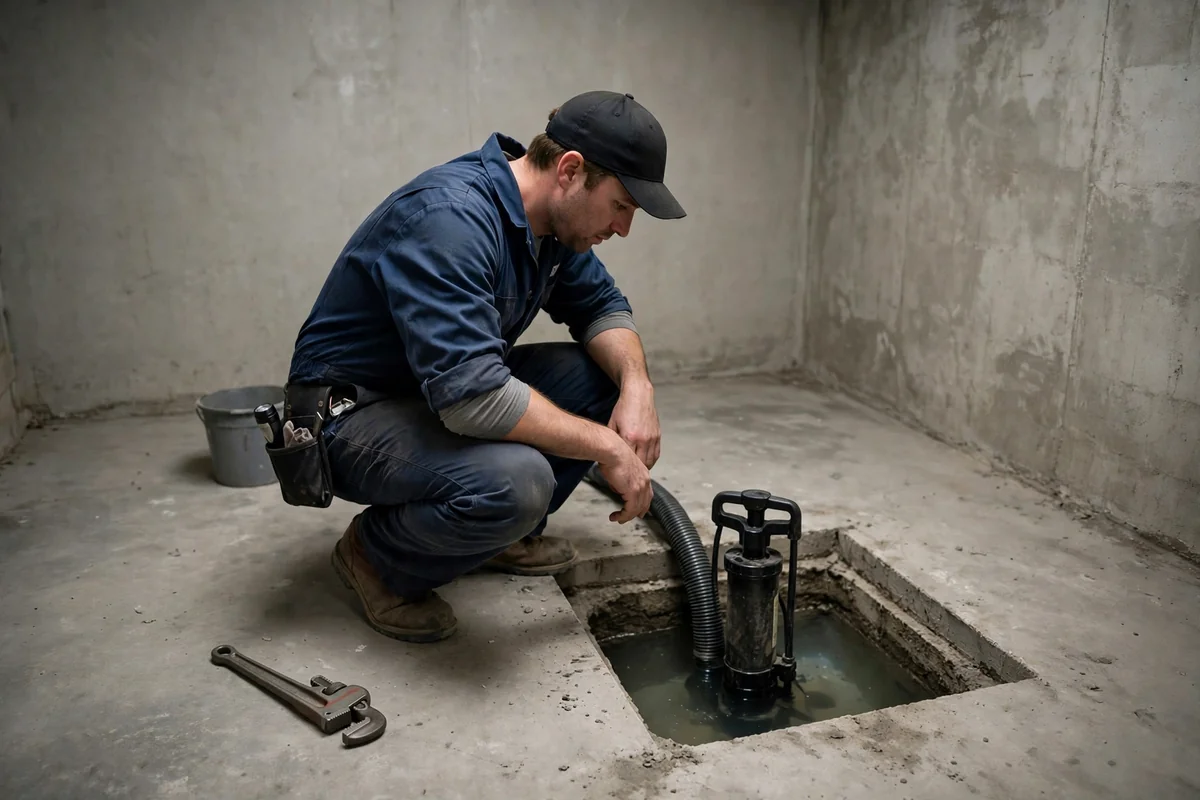
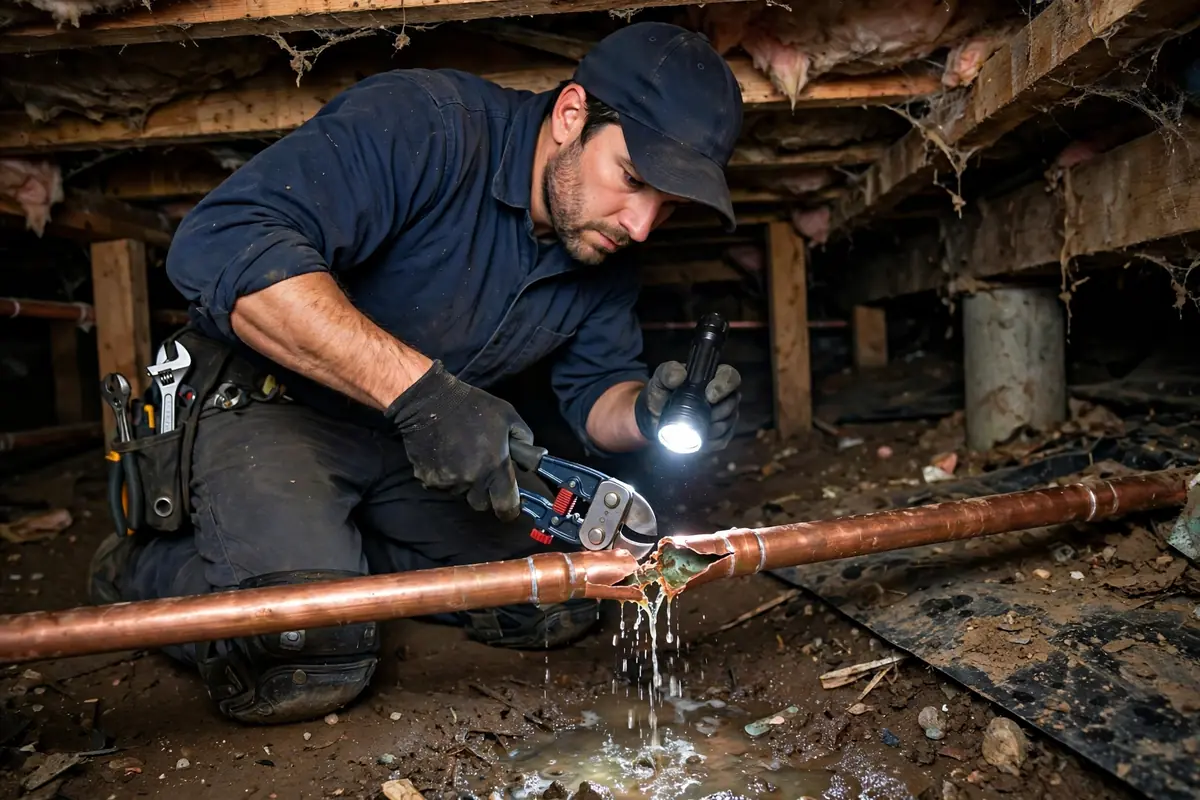
Cuts and connects copper and PEX supply lines cleanly. The press tool makes a code-correct joint without an open flame in tight cabinets.
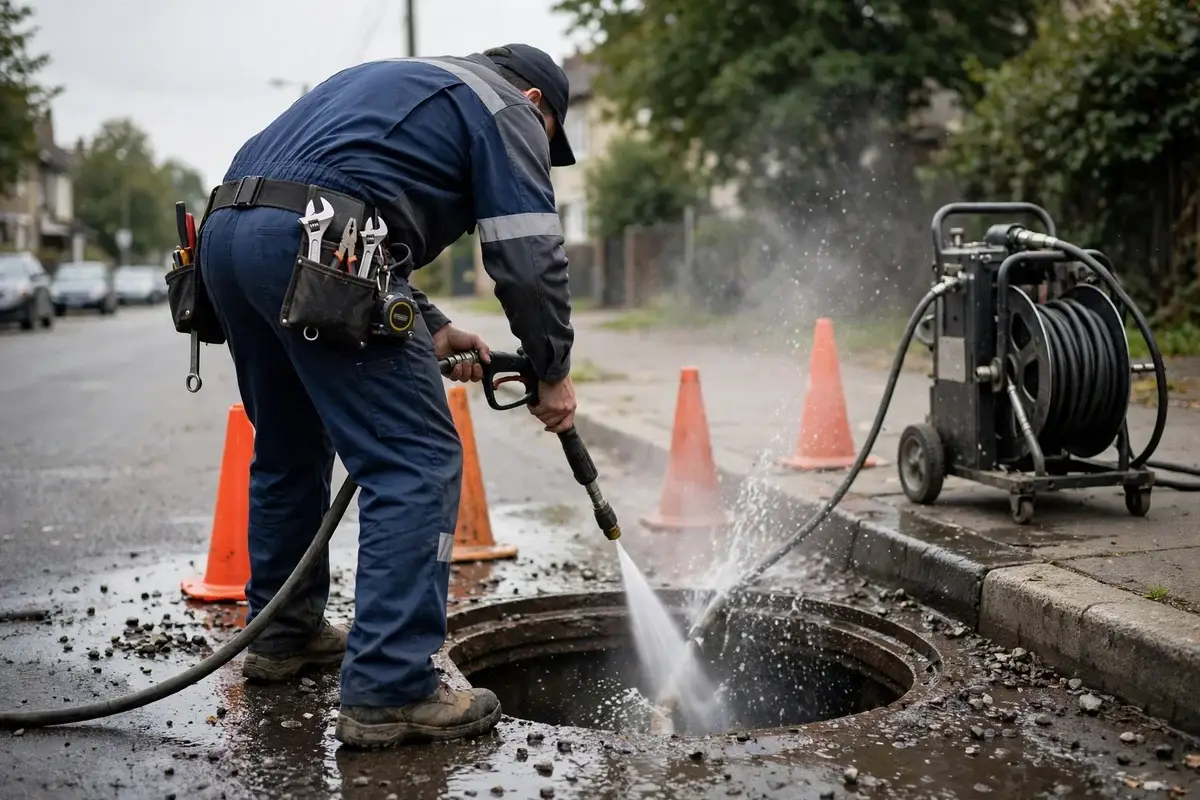
Used for quick, reliable supply line repairs. Teflon tape and pipe thread sealant go on threaded connections to prevent drips.
We set the P-trap at the correct depth and slope so the kitchen sink drains fully without siphoning. That means no standing water in the trap and no sewer gas smell in the cabinet.
A humming disposal is usually jammed, not dead. We check the flywheel and the reset before recommending any replacement, since a jam is a far simpler fix than a motor failure.
Grease and food waste coat kitchen branches, and rough older drains catch them faster. Clearing is followed by a check of the branch where the problem recurs.
A leak under a kitchen sink can come from the trap, the disposal flange, a supply line or the faucet. Each is tested in order before any part is replaced.
A disposal that will not reset, or leaks from its body rather than a connection, has failed. Replacement is fitted with a fresh flange, trap connection and supply check.
Sink and disposal work in Conyers follows drain era and kitchen layout. Older homes carry galvanized and cast-iron drains whose rough interiors catch grease and food waste, so kitchen sinks slow faster and need clearing more often. Newer builds carry PVC drains and PEX supply lines, where disposal failures are usually motor-related and the fix is often a straight swap. Island sinks in larger kitchens need a venting check, since island loops are prone to slow drains. Every repair is tested under full water pressure before sign-off, and the drain's ability to handle disposal flow is confirmed before a replacement is recommended.
A disposal hummed when switched on but the flywheel would not move, and the sink backed up behind it.
The jam was freed, the flywheel and reset tested, and the unit ran cleanly at full flow without replacement.
A humming disposal is usually jammed, not dead. Check the reset and the flywheel before assuming a new unit.
A kitchen sink slowed repeatedly despite careful use, with grease suspected but never confirmed.
Clearing removed a grease build-up, and a check of the branch showed a rough cast-iron section catching waste. The household got a plain account of the cause.
Grease belongs in the trash. Hot water moves it further down the line; it does not remove it.
Water under a sink looked like a disposal failure until trap, flange and supply lines were tested.
A failed trap joint was found and replaced, with the disposal flange and supply lines checked and left sound. The sink was run at full flow to prove the fix.
Water under a sink has four usual sources: trap, flange, supply or faucet. Test in order before replacing anything.
Most sink and disposal calls fall into a handful of categories. Here are the ones we see most often in Conyers and how each is handled.
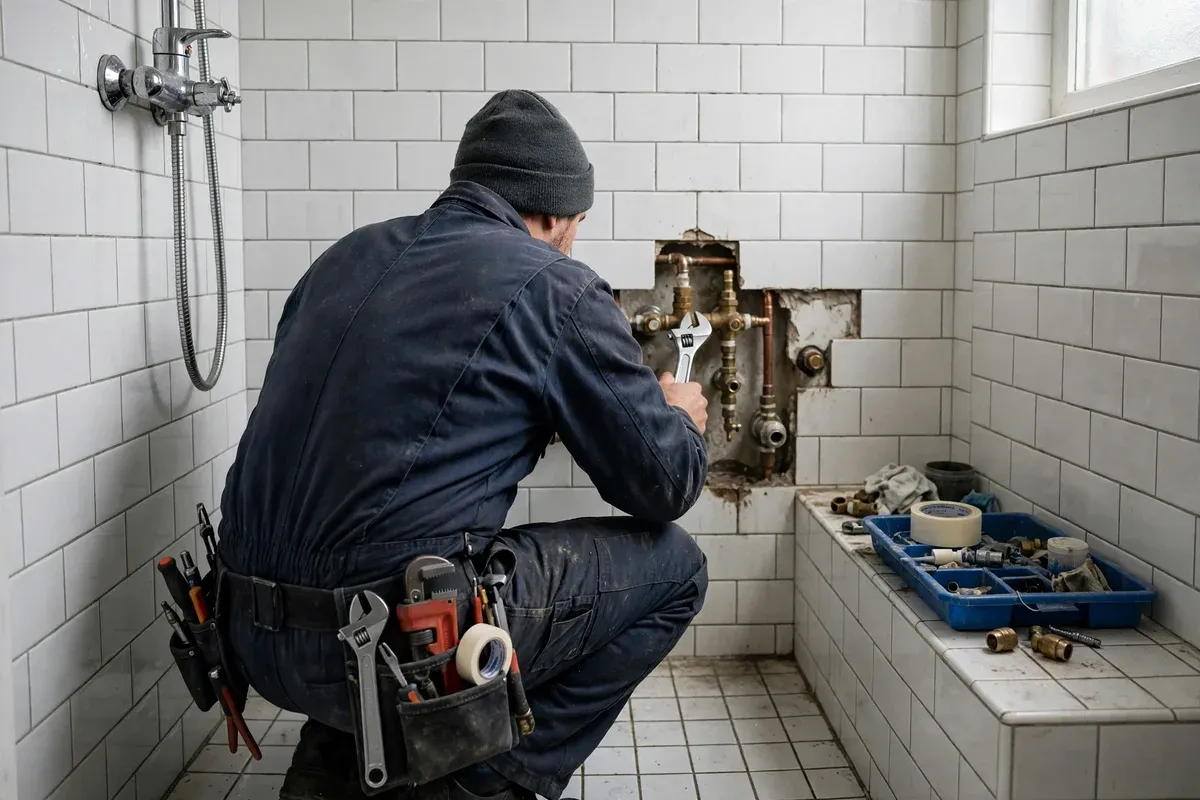
Flywheel and reset are checked first. A jam is freed and tested; only a failed motor or body leads to replacement.

Grease and food-waste build-up is cleared mechanically, with a branch check where the problem recurs.
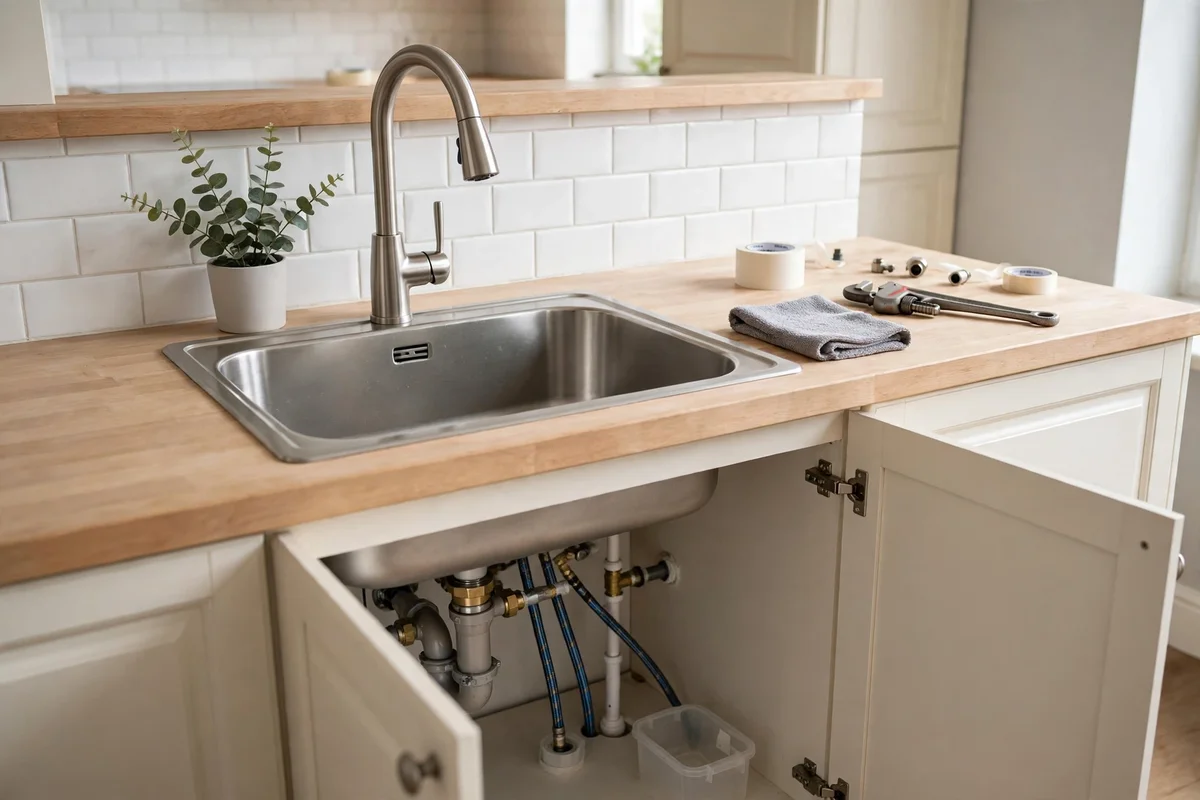
Trap, flange, supply line and faucet are tested in order, so the replaced part is the failed one.
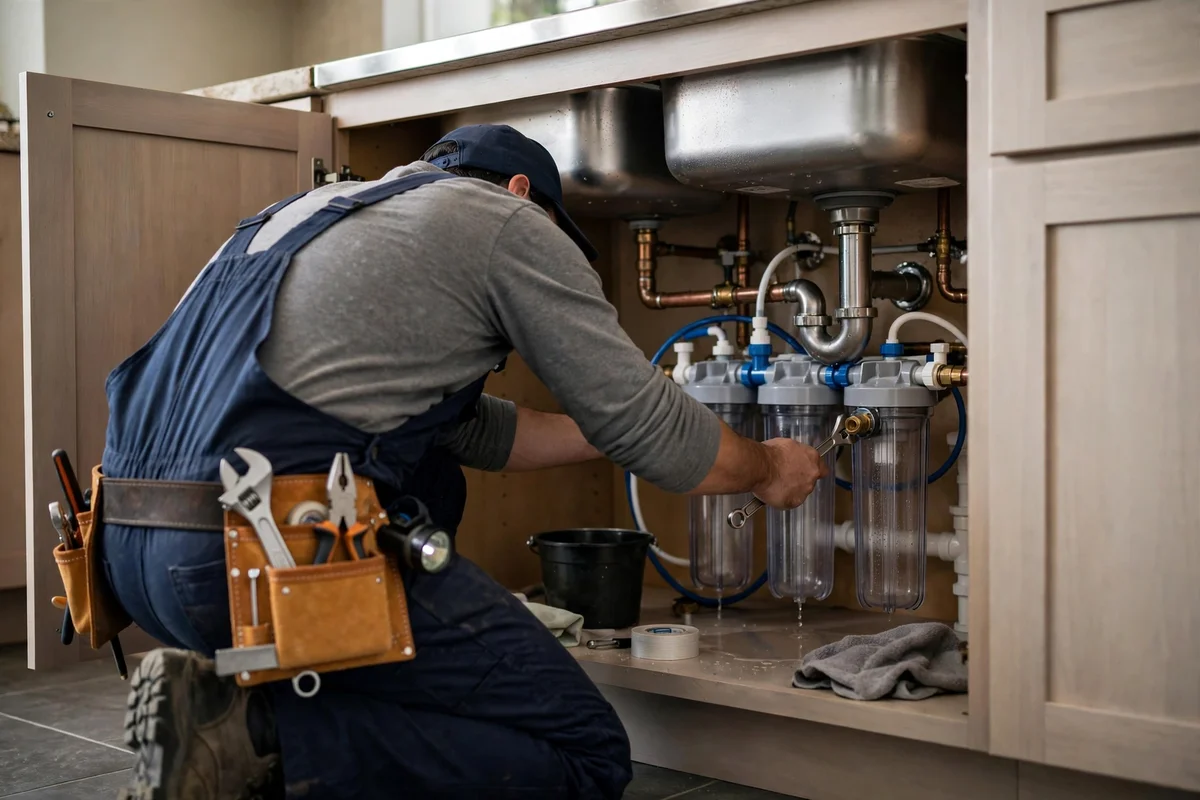
A unit that will not reset, or leaks from its body, is replaced with a fresh flange and trap connection.
You agree the price and the scope before work starts. Oct-2026 Atlanta market data on this page is background only, never a quote for your job — call for a written price before work.
Sink and disposal work is built to the 2024 International Plumbing Code with Georgia Amendments, effective 1 January 2026. Permits are checked with the City of Conyers or Rockdale County as applicable, where a replacement changes drain routing.
A disposal is replaced only when the unit itself has failed. Jams, trap faults and drain faults are tested first, since a new unit fixes none of them.
Cleared and replaced sinks and disposals are run and checked for leaks before we pack up, and old parts are shown to you so you can see what was replaced.
Clear records you can keep and share.
Agreed before any repair work begins.
Every fitting and fixture noted on the invoice.
Line tested and confirmed before we leave.
Three observations make a sink visit faster. Here is what to note before calling.
A humming disposal, a silent one and a leaking one are three different faults. Note which you have.
A single slow sink is a branch fault; every kitchen drain slow points further down the line.
Grease, coffee grounds and fibrous food each block differently. Note what the sink has been handling.
Call to confirm coverage in your part of Conyers and Rockdale County. +17708971640
4.7 stars from 7 Google reviews · Read reviews on Google
Monday to Friday, 9 AM to 5 PM; Saturday and Sunday closed. If a burst pipe or sewer backup happens outside those hours, shut off the water, stop running water, and call +17708971640 at 9 AM. If you smell gas, leave the building first and call 911 or your gas utility — do not wait for a plumber.
No firm price is possible before the unit, trap and drain are checked. As background only, Oct-2026 Atlanta market data, not SoCo Plumbers' prices — call for a written price before work.: Angi's Atlanta average for a plumber visit was $316 (range $174–$460) in July 2026. A written price is agreed after diagnosis.
A jammed disposal can often be freed with the unit's own hex key and reset button, with power off, and our kitchen-sink guide covers the careful steps. If the unit hums after freeing, will not reset, or leaks from its body, book a visit during business hours.
Grease, coffee grounds, fibrous foods and non-food items all cause blockages or damage. Grease in particular coats the branch and hardens downstream, where it cannot be reached from the sink.
A jammed disposal, a slow kitchen sink, or water under the sink — call SoCo Plumbers at +17708971640 during business hours. Sink tested as a system, price agreed in writing.
Call SoCo Plumbers Monday to Friday, 9 AM to 5 PM for sink and disposal service. Tell us whether the disposal hums, is silent or leaks, and whether other drains are slow.