Failed-part finding
Which component failed, and why, in plain language
Kitchen plumbing works harder than any other room's plumbing, and its failures arrive at the worst moments: a sink that will not drain before guests arrive, a disposal that jams, a dishwasher connection that leaks into a cabinet. SoCo Plumbers repairs and installs kitchen sinks, taps, disposals, dishwasher connections and kitchen drains across Conyers, with diagnosis first and a written price before work. SoCo Plumbers is open Monday to Friday, 9 AM to 5 PM, and closed Saturday and Sunday. If you call outside those hours, call again during business hours.

Kitchen work covers the sink, tap, disposal, dishwasher connection and drain that make a kitchen usable, and the supply and waste plumbing behind them. Each item is diagnosed separately, because a slow sink and a leaking dishwasher connection are different jobs that happen to share a cabinet.

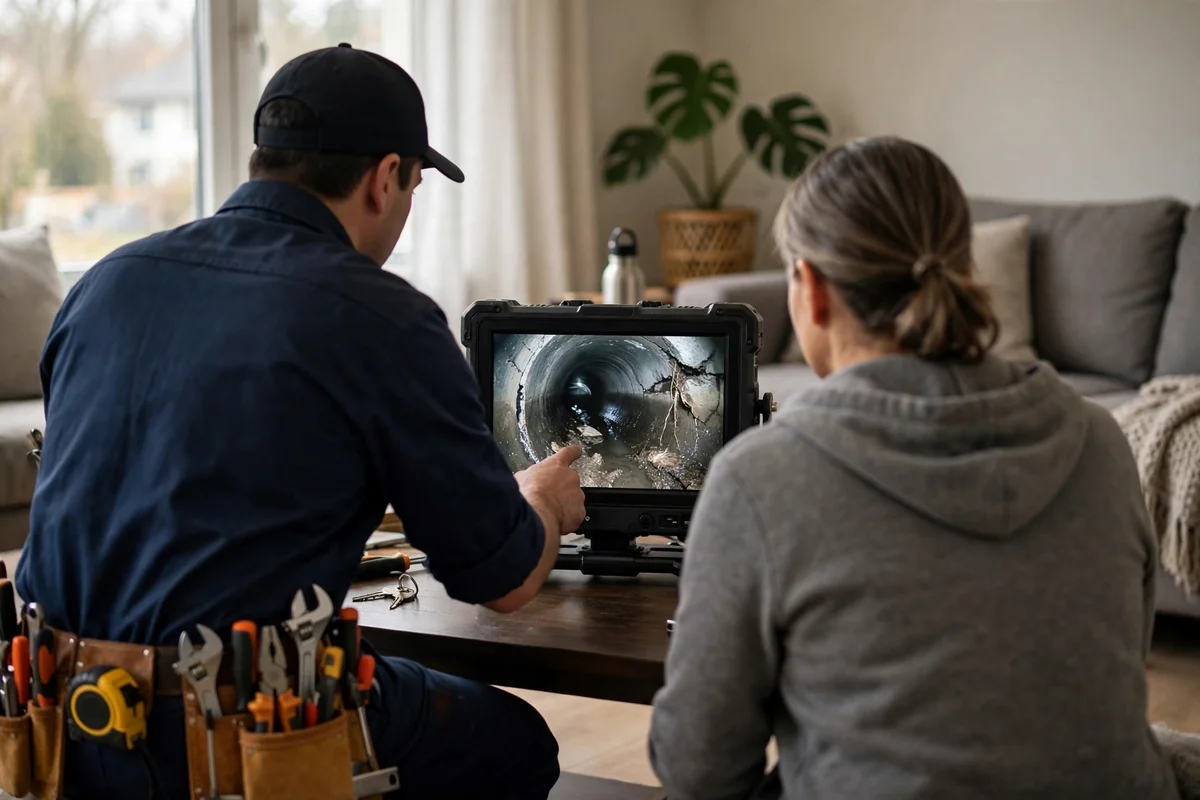
Conyers kitchens range from original 1990s kitchens to remodelled kitchens where a new sink, tap or disposal meets older supply and waste lines. The join between new and old is where many kitchen problems start, and diagnosis looks there first.
Small commercial kitchens and break rooms need the same sink, tap and drain work as homes, under heavier use. Grease-trap servicing is not presented as a standard offering on this page; confirm on the call whether it is available.
A kitchen sink system is deceptively busy: hot and cold supplies feed the tap, the tap feeds the sink, the sink drains through a trap that holds water against sewer gas, a disposal may grind waste into that drain, and a dishwasher may share the same trap and drain hose. Grease is the kitchen's special enemy, because it coats a drain along its length and narrows it gradually, while food waste and soap add to the coating. That is why a kitchen sink that drains slowly is rarely a single clog: it is usually a coated line, and clearing it means cleaning the line, not just punching through it. Conyers kitchens, many of them original to 1990s homes and many remodelled since, add the usual age and join problems, where new fixtures meet older traps and waste lines.
Two kitchen jobs are worth calling out because homeowners often try them first. A slow kitchen sink can sometimes be helped with gentle methods, and our guide to unclogging a kitchen sink without harsh chemicals explains those methods and their limits, while a sink that drains slowly for no obvious reason may be telling a different story, as our guide to a slow-draining sink in Olde Town Conyers describes. Harsh chemical drain cleaners, by contrast, are not recommended: they rarely clear a coated line, and they can damage pipes and make later professional work hazardous. For the drain work behind every kitchen fixture, drain cleaning is the related service to read first.
Kitchen problems usually live under the cabinet, so that is where diagnosis starts.
Look under the cabinet, test the fixture, price the fix, prove it works.
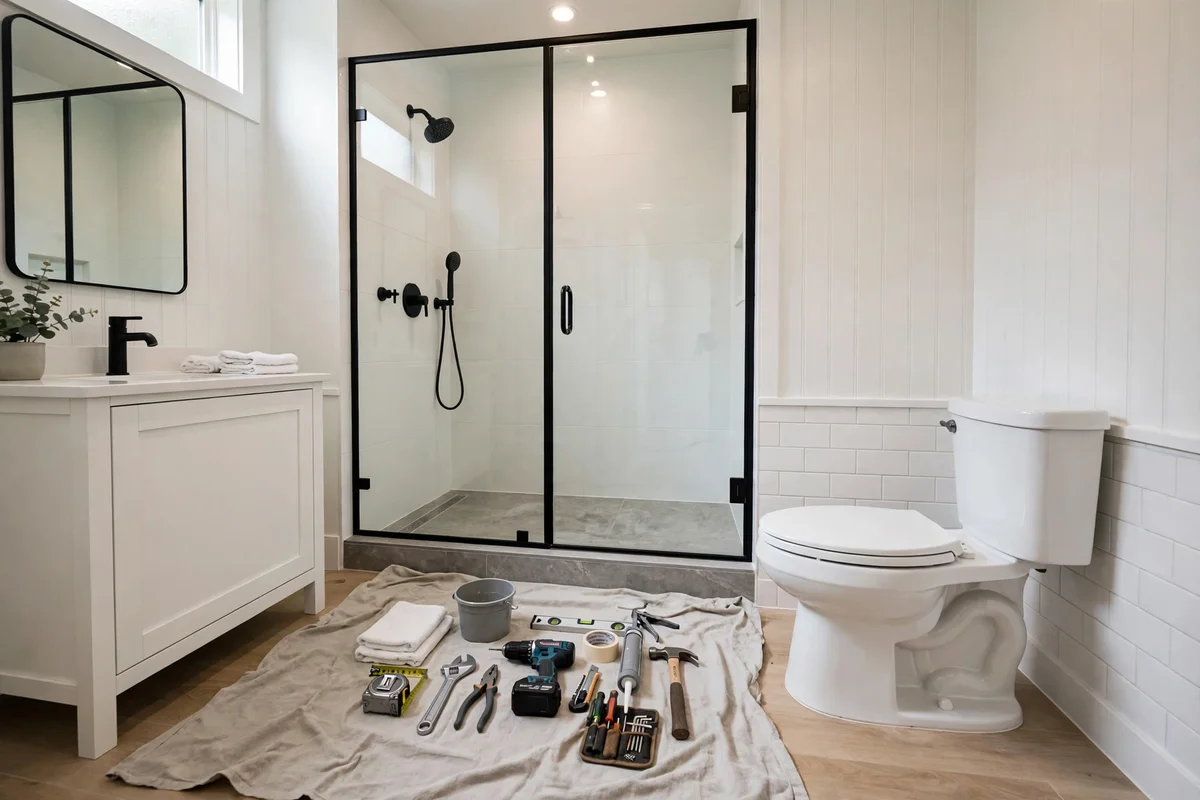
Call +1 770-897-1640 during business hours and tell us the fixture, the symptom, and whether the problem is new or recurring. A recurring kitchen drain problem points to a coated line, not a one-off clog.

On site we inspect the sink, tap, trap, disposal and dishwasher connections, run the tap and disposal, and time the drain. A kitchen problem is diagnosed in operation, not from the doorway.
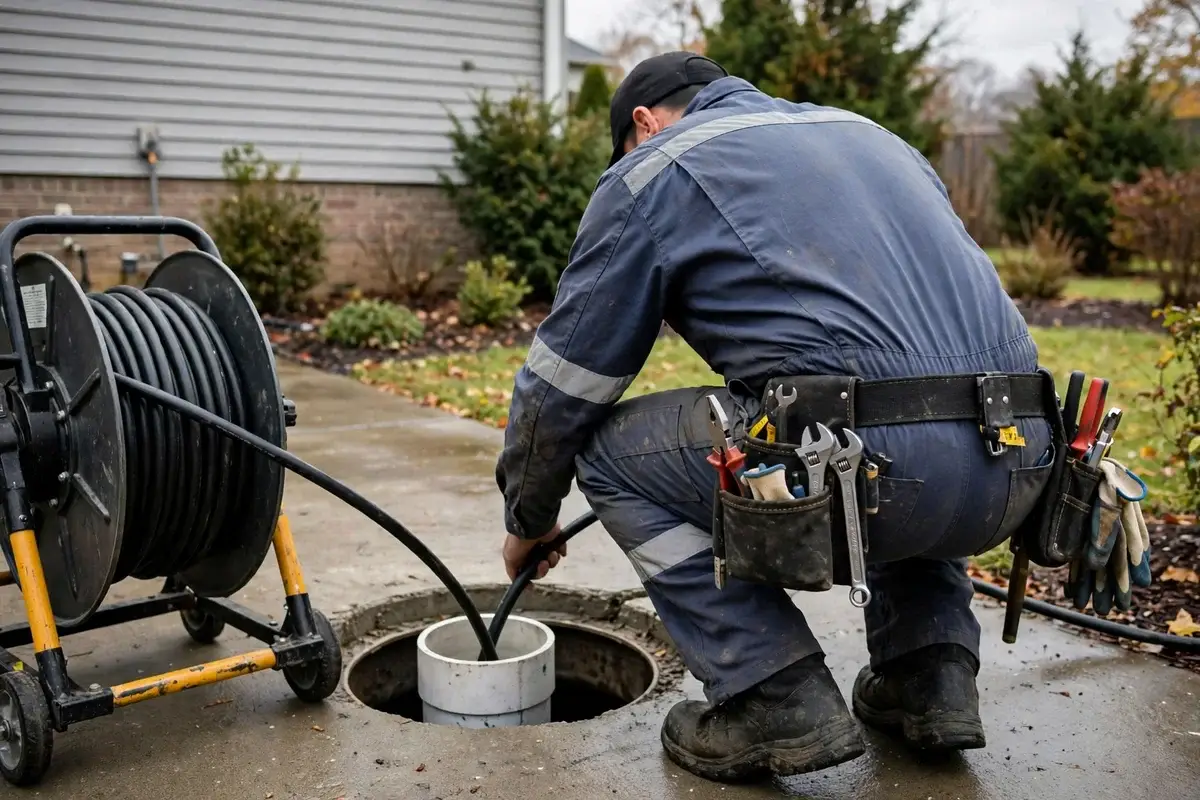
You get the scope and the price in writing before work starts, including whether repair of a part or replacement of a fixture is the honest answer.

We repair the failed component or install the new fixture, with seals, traps, shutoffs and dishwasher connections checked as part of the job.
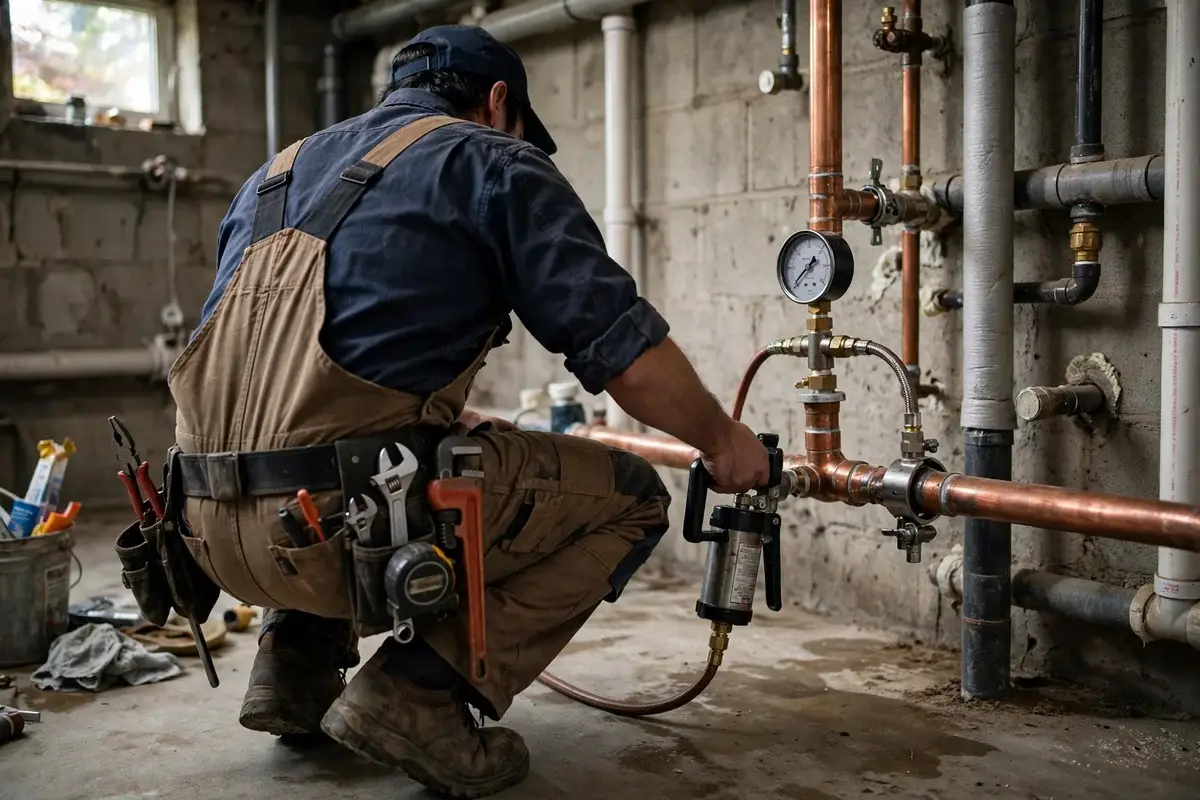
We run the tap, disposal and, where relevant, a dishwasher cycle, check every joint touched for leaks, and leave the cabinet clean and dry.
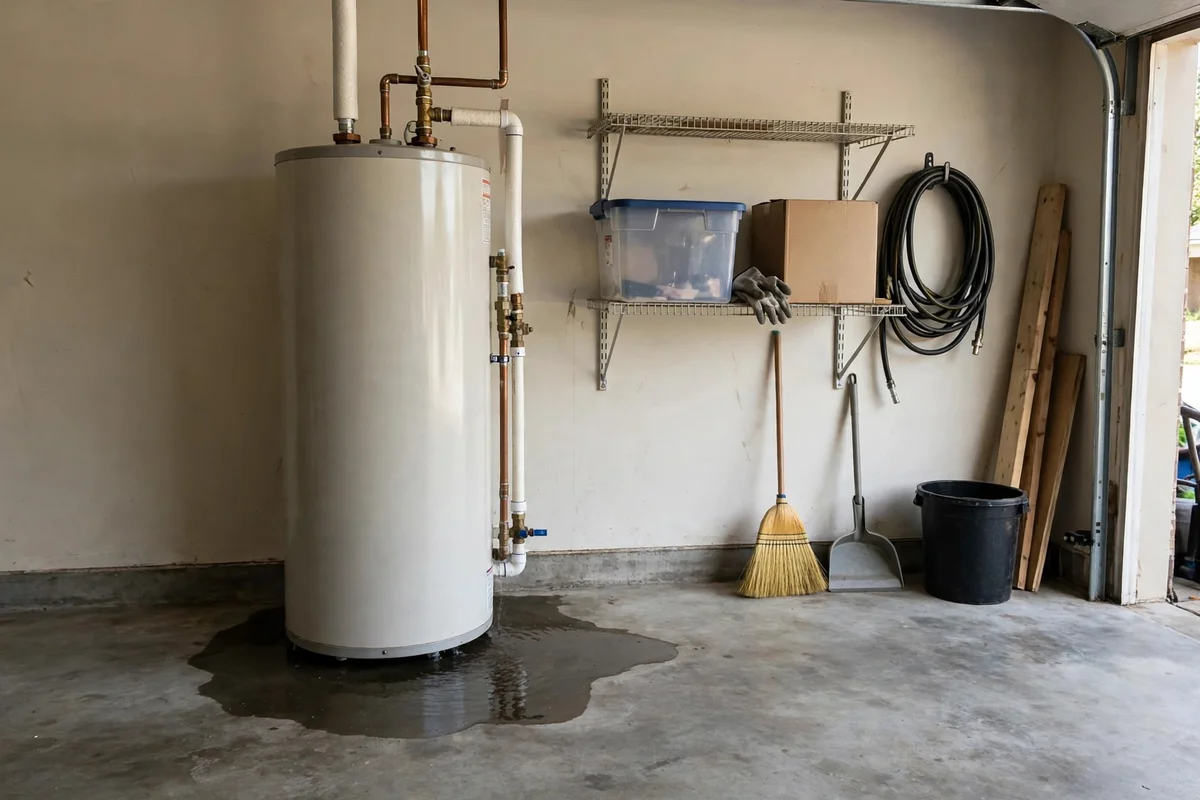
A full look at trap, supply lines, disposal and dishwasher connections, because most kitchen problems live under the cabinet, not in the fixture above it.
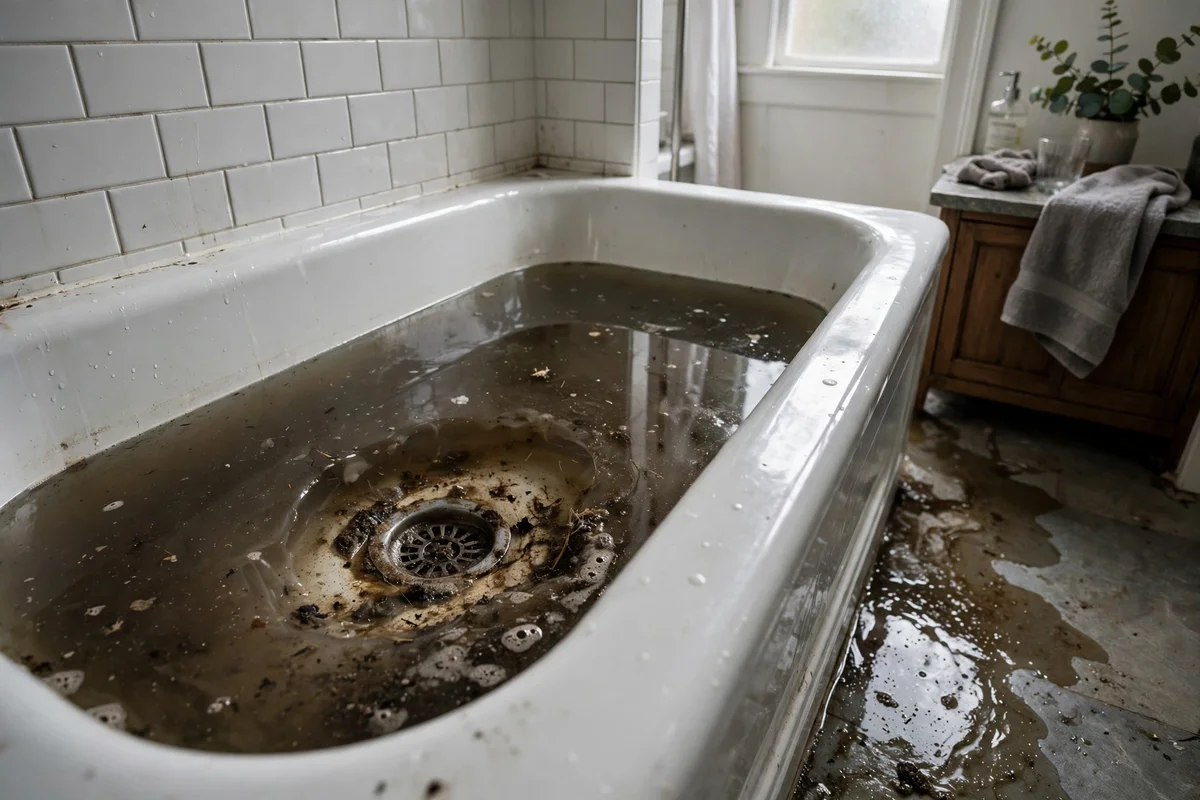
Kitchen traps and drains cleared of grease and food build-up, then flow-tested, so a clearance is proven rather than assumed.
Kitchen taps diagnosed to cartridge, washer or valve body, with the failed part replaced by the matching component.

Jams, humming motors, leaks and failed seals distinguished from each other, because each one has a different repair or replacement answer.
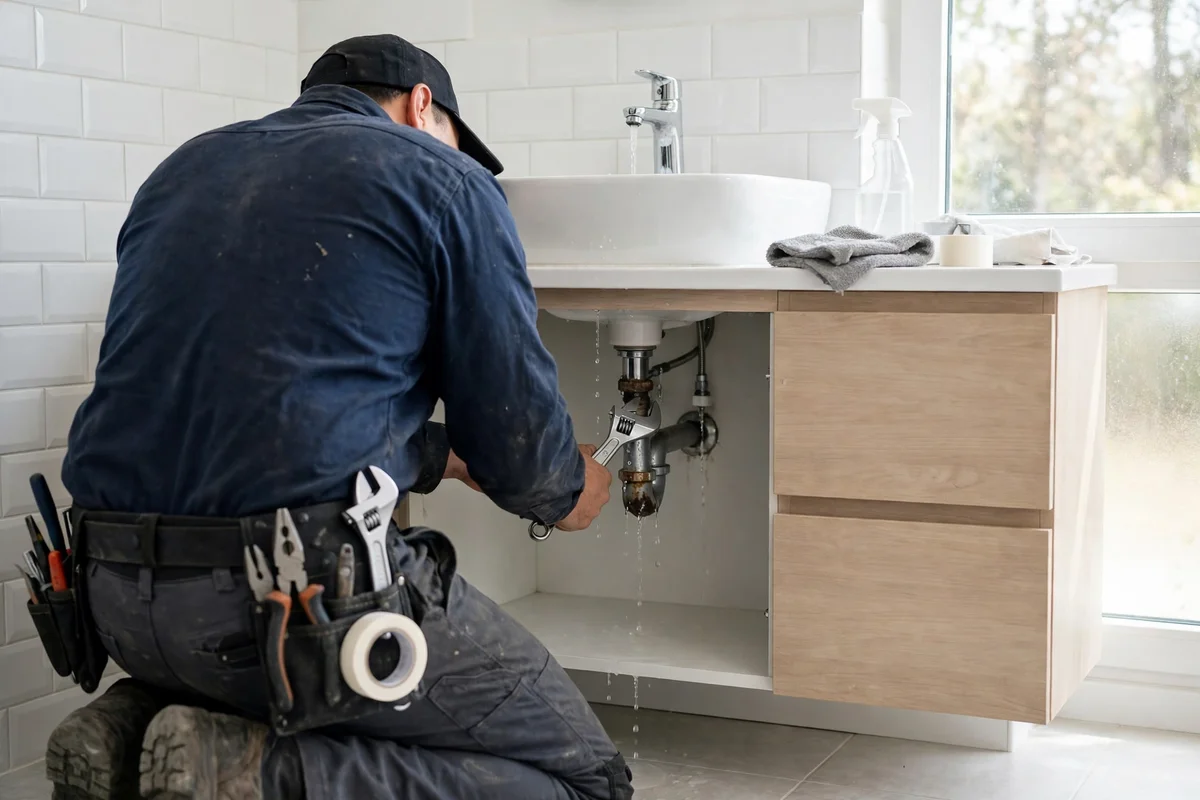
Dishwasher connections tested with a full cycle, including drain and fill, so a connection that leaks only under load is caught before we leave.
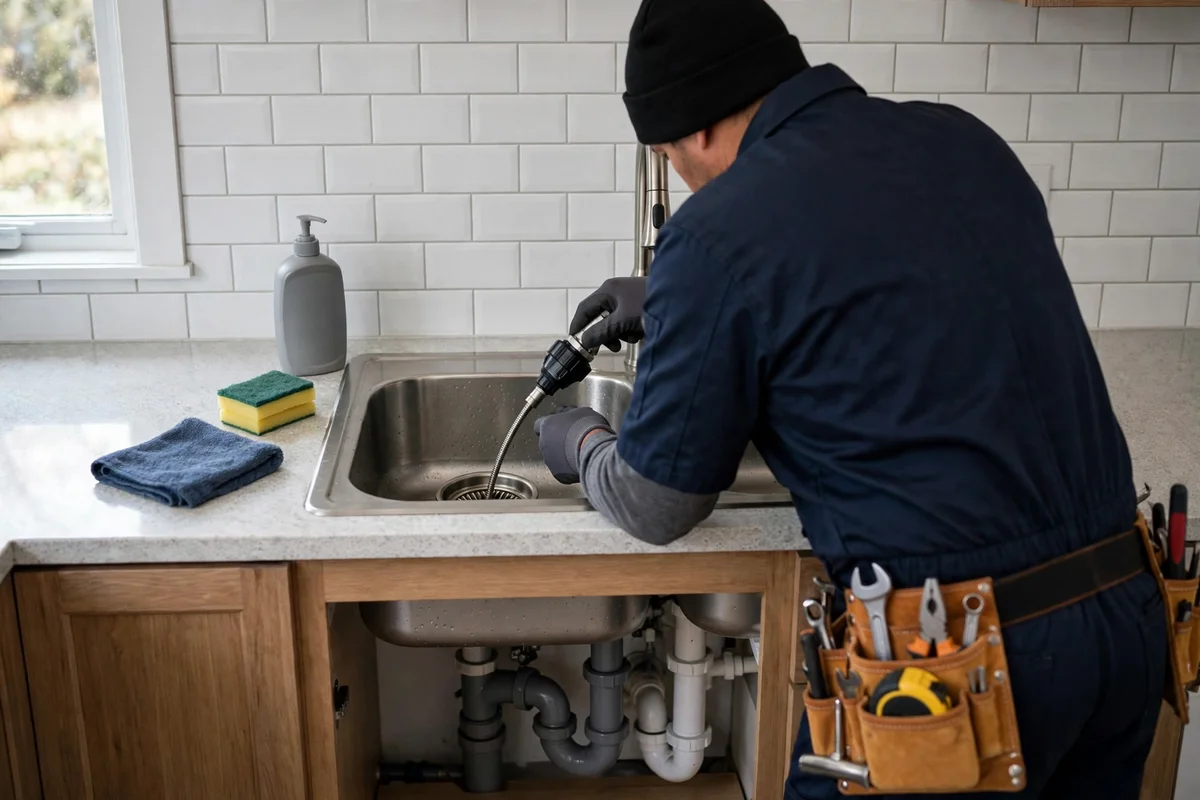
Sink seals and mounts checked for leaks and movement, because a sink that moves will break its own seal.

Kitchen shutoffs verified on every visit, so a future repair does not require shutting the whole house down.
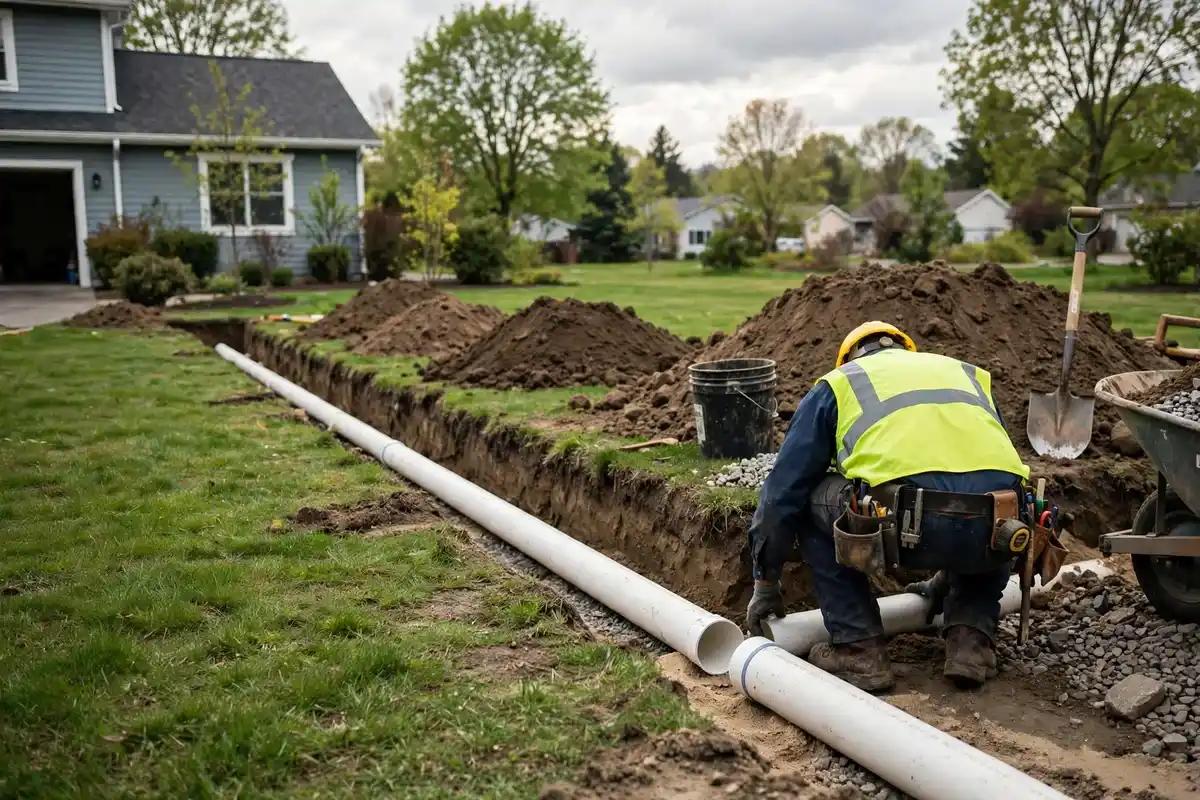
Kitchen work in Conyers follows the 2024 International Plumbing Code with Georgia Amendments, effective 1 January 2026.
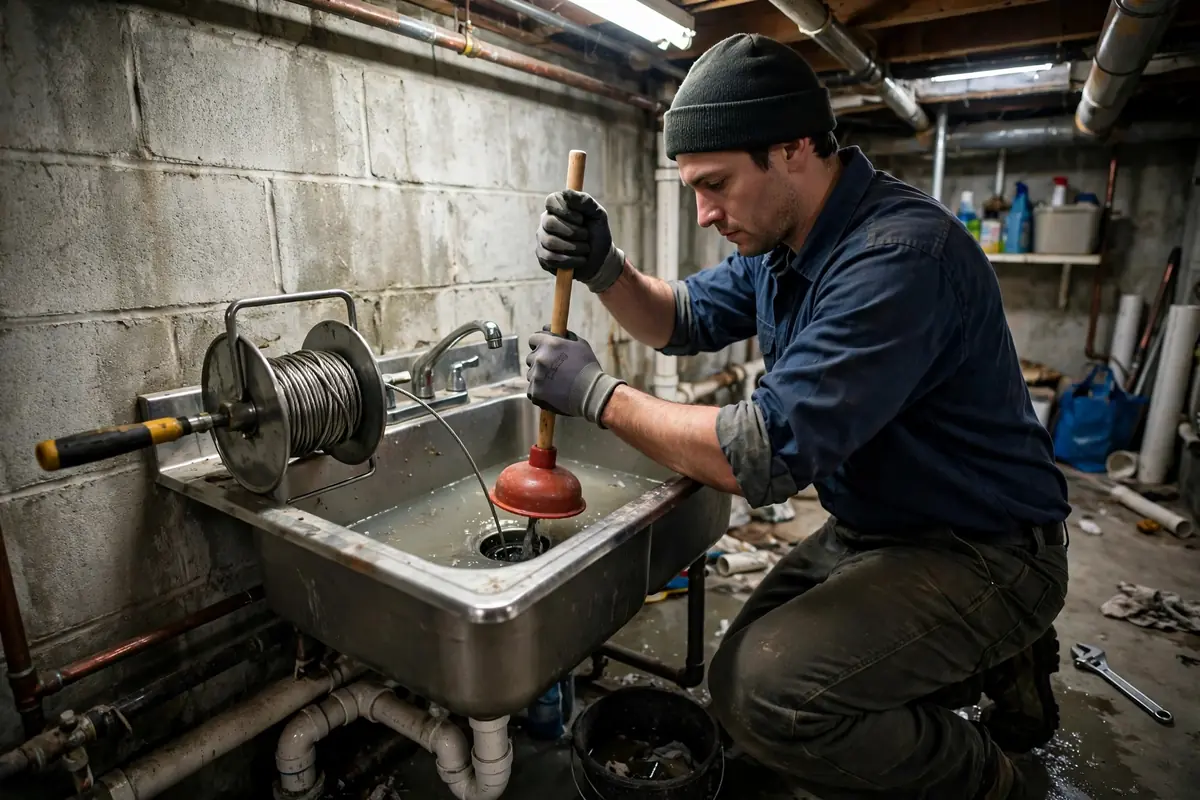
We check trap and drain for grease and food build-up, clear it, and flow-test the result. A recurring slow sink points to a coated line that needs cleaning, not another quick clearance.
We diagnose jam, motor, seal or connection in turn. A jammed disposal is often a simple reset and clear; a leaking disposal is a seal or unit problem, and the two are not confused.
We check supply, drain hose, air-gap or high-loop arrangement, and door seal area, then test with a full cycle so the leak is caught under load, not just at rest.
We diagnose the tap to cartridge or supply, check the aerator and supply lines, and explain whether a part or a tap replacement is the answer.
Kitchen plumbing in Conyers follows the same age and parcel story as the rest of the city's plumbing. Original kitchens from the 1990s building wave present ageing traps, supply lines and disposals, while remodelled kitchens present the join between new fixtures and older waste lines. Grease is a constant across both, because kitchen drains in every era coat themselves with grease unless they are cleaned, and Rockdale's parcel-by-parcel sewer and septic arrangements mean a kitchen drain symptom is never assumed to be a city sewer problem without checking.
A kitchen sink drained slowly for months, and repeated plunging helped for a day at a time. The homeowner assumed a deep blockage.
Inspection showed grease coating along the drain, not a single blockage. The line was cleared and flow-tested, and the homeowner was told what kitchen habits would slow the coating's return.
A sink that slows gradually is coating, not clogging. Clearing the coating, not plunging the symptom, is the fix.
A cabinet floor was damp after dishwasher use, but dry at all other times. The homeowner could not find the leak by looking.
Connections were checked at rest and then tested with a full dishwasher cycle, which revealed a drain-hose connection leak under load. The connection was corrected and retested with another full cycle.
A dishwasher leak that appears only during a cycle needs a cycle test to find. A visual check at rest will miss it.
A disposal hummed but would not turn, and the homeowner assumed it needed replacing.
Diagnosis showed a jam, not a motor failure. The jam was cleared, the disposal was tested in operation, and no replacement was sold.
A humming disposal is often jammed, not dead. Diagnose jam before motor, and a replacement is avoided.
Kitchen problems are frequent, local, and usually diagnosable under the cabinet. Here is how each one is approached.
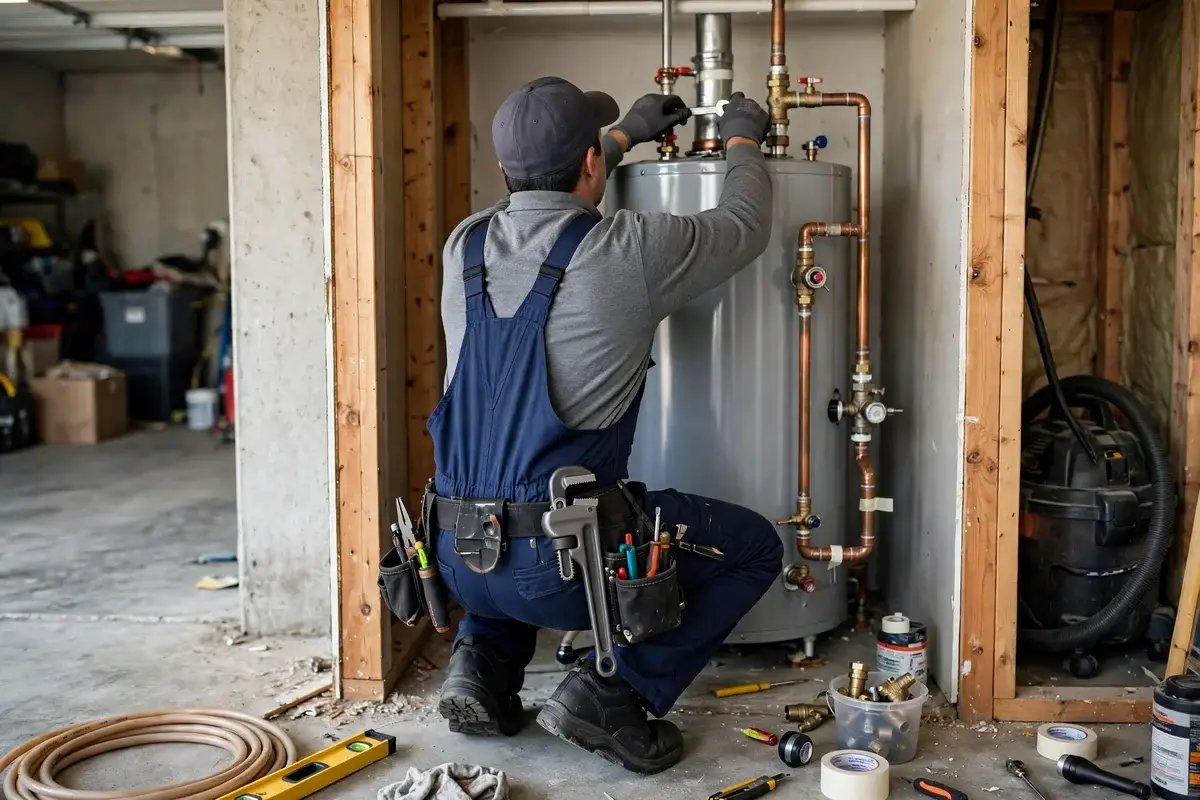
We check trap and drain for grease and food build-up, clear it, and flow-test the result. A recurring slow sink is treated as a coated line, not a one-off clog.
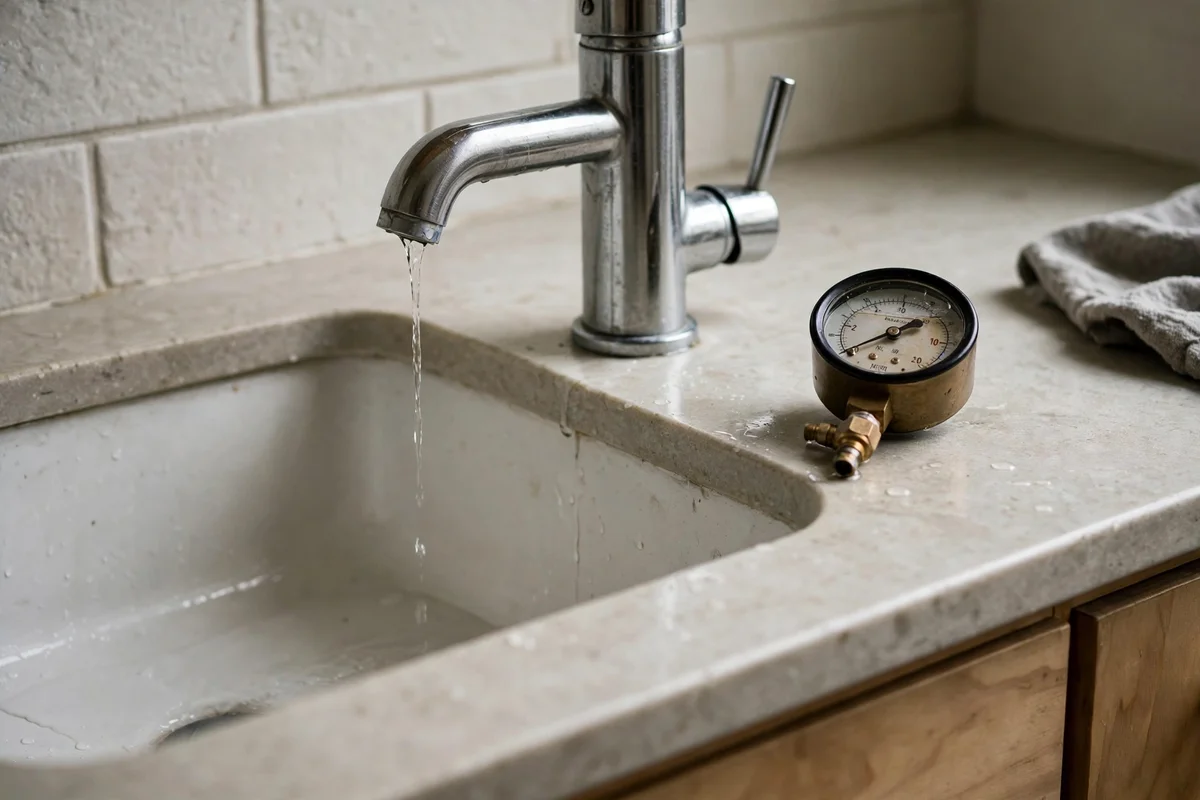
We diagnose the tap to cartridge, washer or valve body, and replace the failed part with the matching component.
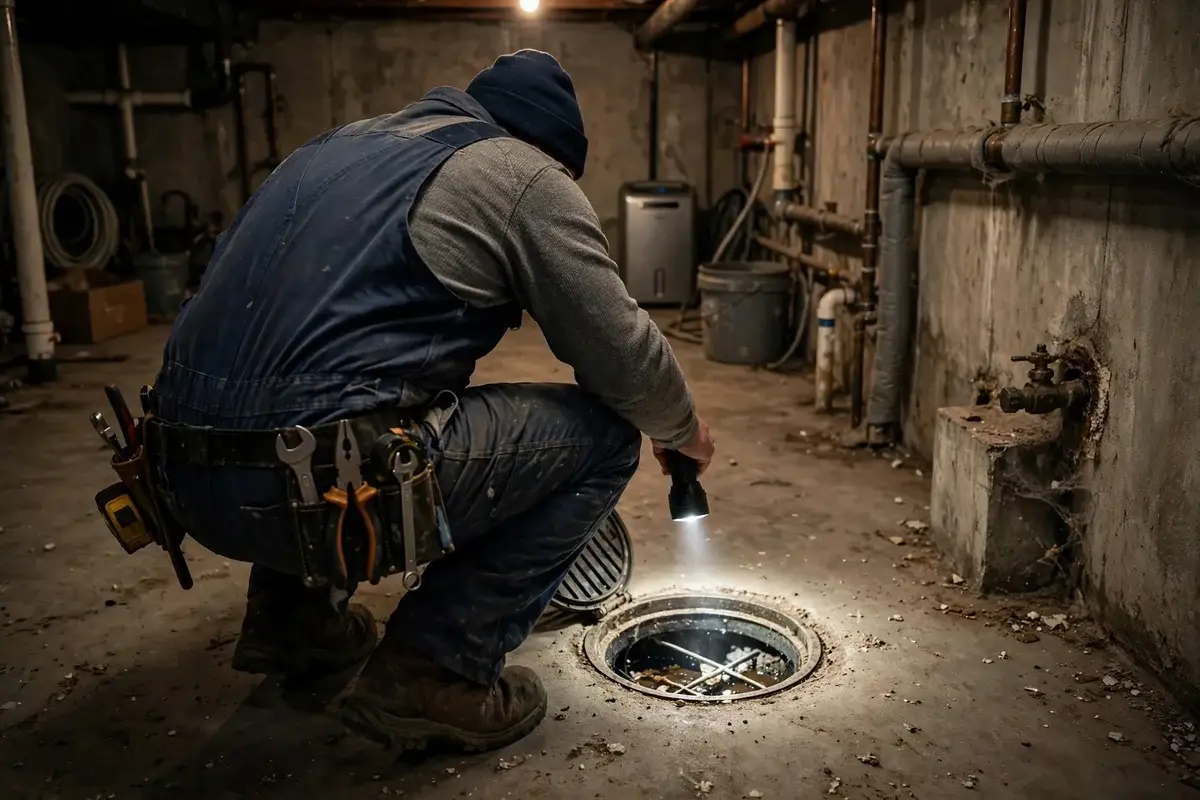
We distinguish jam, motor failure, seal failure and connection leaks, and repair or replace on that diagnosis, not on the symptom alone.

We check supply, drain hose and air-gap or high-loop arrangements, and test with a full cycle so a load-only leak is caught.
Most kitchen problems live under the cabinet. Looking there first, in operation, finds the cause faster than replacing fixtures above it.
Taps, disposals and traps usually fail at a component. Repairing that component saves the cost of replacing a whole fixture.
Dishwasher connections and disposals are tested in operation, so a leak that appears only under load is caught before we leave.
You approve the scope and the price in writing before we start. No firm price is published on this page. Call for a written price before work starts; any price discussion on this page is Oct-2026 Atlanta market data, not SoCo Plumbers' prices.
Records from the visit, written so you can keep and share them.
Which component failed, and why, in plain language
Confirmation that the finished fixture was run and checked for leaks, including a dishwasher cycle where relevant
Work area wiped down and cabinet left dry
Kitchen plumbing rewards two habits above all: keeping grease out of the drain, and calling a slow drain early.
Grease poured down a sink coats the drain along its length and narrows it gradually. That coating is the most common kitchen drain problem, and it is preventable.
Chemical drain cleaners rarely clear a grease-coated line, and they can damage pipes and make later work hazardous. Gentle methods, or a professional clear, are the safer answers.
A kitchen sink that slows gradually is warning of a coated line. Clearing it early is a small job; waiting until it blocks completely is a larger one.

Conyers and the four areas above — call +17708971640 during business hours to confirm your address.
4.7 stars from 7 Google reviews · Read reviews on Google
No firm price is published on this page. Call for a written price before work starts; any price discussion on this page is Oct-2026 Atlanta market data, not SoCo Plumbers' prices. The final price depends on the fixture, the failed component, and whether repair or replacement is the honest answer, so it is given in writing after diagnosis, not over the phone.
Most often grease and food build-up coating the drain along its length. A coated line needs cleaning, not just plunging, and a recurring slow sink is the sign that cleaning, rather than another quick clearance, is due.
We do not recommend it. Harsh chemicals rarely clear a grease-coated line, they can damage pipes, and they make later professional work hazardous. Gentle methods or a professional clear are safer and more effective.
Often a connection that leaks only under load, during fill or drain. That is why dishwasher connections are tested with a full cycle, not just checked visually at rest.
Slow sink, jammed disposal, leaking dishwasher connection, or dripping kitchen tap? Call SoCo Plumbers at +1 770-897-1640 during business hours, Monday to Friday, 9 AM to 5 PM, and describe the fixture.
Call SoCo Plumbers at +1 770-897-1640. We are open Monday to Friday, 9 AM to 5 PM, and closed Saturday and Sunday. Tell us the fixture and the symptom, and we will look under the cabinet before pricing any work.