Written price before work
Agreed before any repair work begins.
Toilet repair and installation in Conyers covers the faults that waste water quietly and the ones that flood loudly: a toilet that runs all night, one that rocks on a failed flange, one that clogs repeatedly, and one whose time has come for replacement. SoCo Plumbers diagnoses the fixture during business hours, Monday to Friday, 9 AM to 5 PM, repairs where the fixture is sound, and replaces where it is cracked or its parts are no longer viable — with a written price agreed before work.
Every toilet repair and installation visit follows the same core scope: diagnose first, agree the price and scope in writing, do the work, and test before leaving.
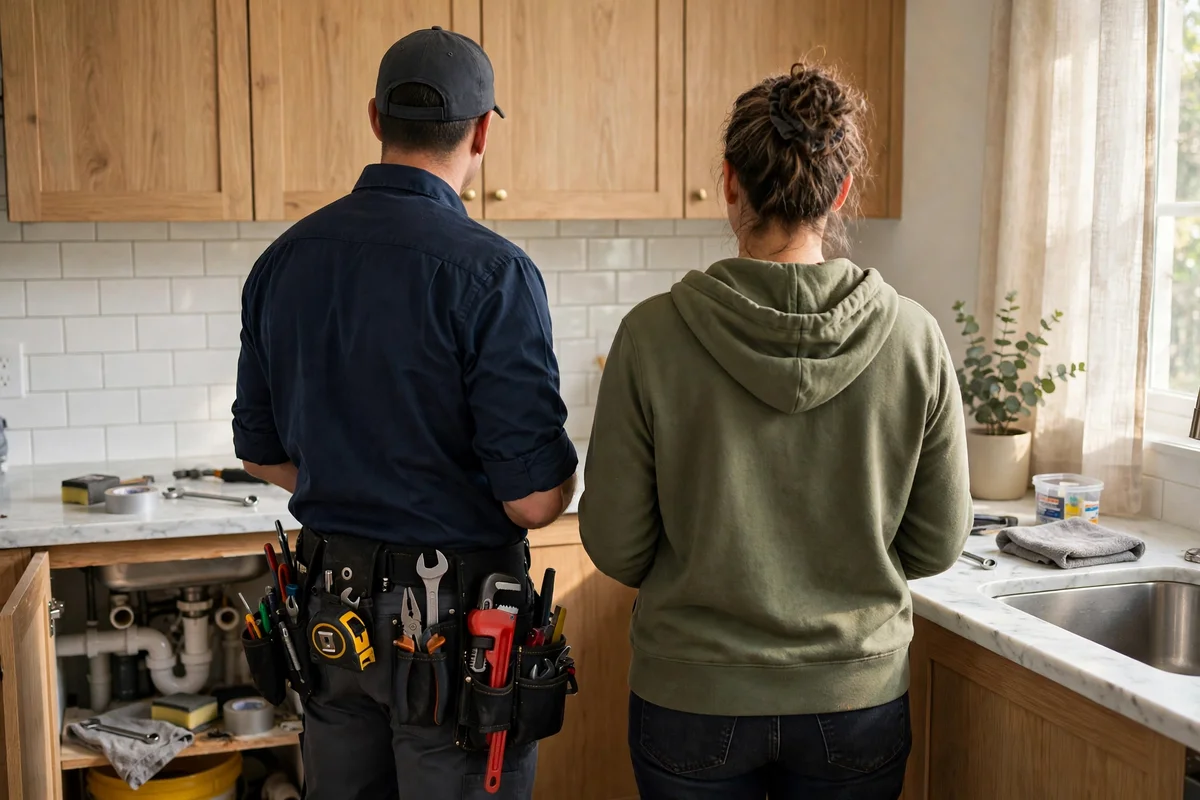
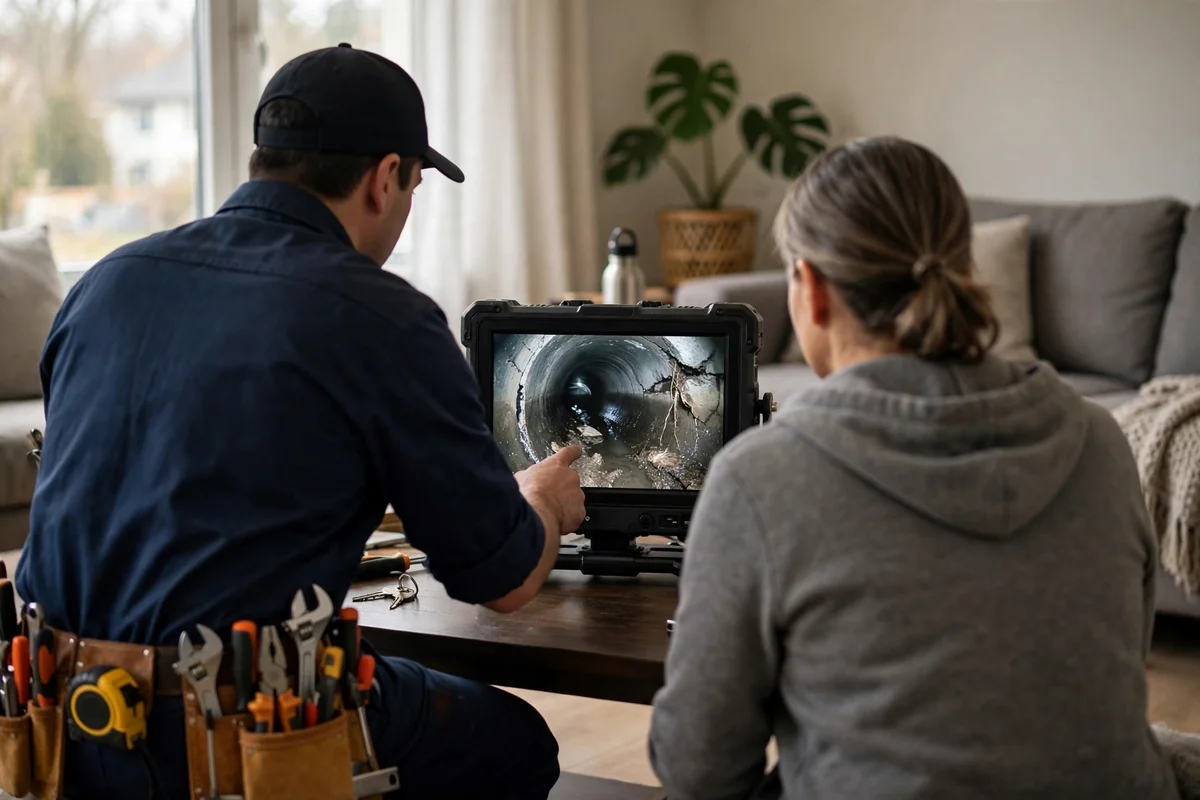
For Conyers homes: running toilets, weak flushes, rocking bowls, repeated clogs and new toilet installs, handled during business hours.
Offices, restaurants, shops and multi-family buildings with toilet faults get the same fixture-first approach during business hours, with repeat faults across restrooms noted for the property record.
A toilet has few parts, but its faults waste water and damage floors in different ways. A running toilet leaks from tank to bowl continuously, wasting water without ever flooding — which is why it is often ignored until the bill arrives. A rocking toilet usually means a failed flange or seal, and left alone it damages the floor beneath. A toilet that clogs repeatedly may have a fixture fault, a branch fault or a main-line fault, and each needs a different fix. Our plumbing repairs work covers the wider fixture picture, and our drain cleaning work covers the main-line end of a repeated clog; toilet work is the fixture itself, tested before it is swapped.
Conyers conditions add their own layer. Mineral content wears flappers and fill valves faster, causing running toilets and weak flushes, and older homes often still carry cast-iron drains and original fixtures that need a different parts approach from newer low-flow models. After heavy rain, root intrusion backs up main lines and shows first as a clogged toilet, so a repeated clog is always checked against the main line before the fixture is blamed. Work is built to the 2024 International Plumbing Code with Georgia Amendments, effective 1 January 2026.
Test the fixture, fix the failed part, replace only the failed fixture.
From the first call to the final test, here is the sequence for a toilet repair and installation visit in Conyers, booked during business hours.
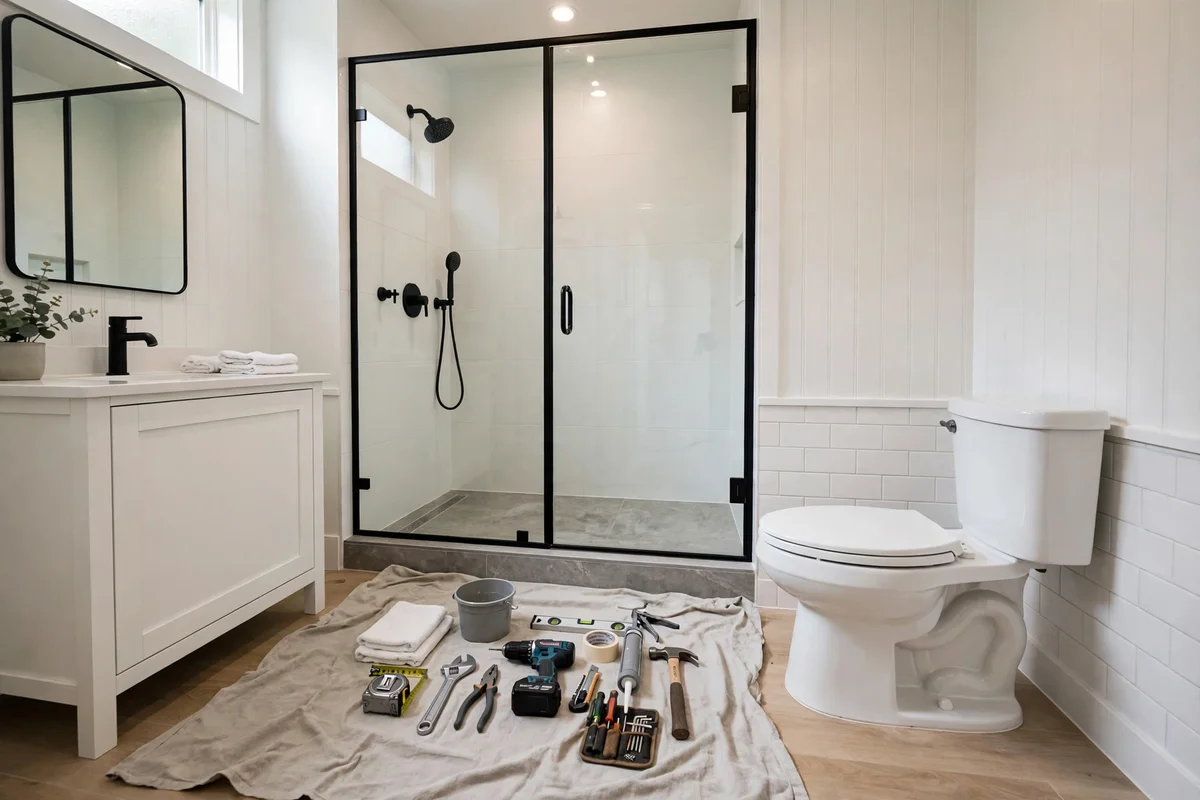
Call +17708971640 Monday to Friday, 9 AM to 5 PM. Tell us whether the toilet runs, rocks, leaks, or flushes weakly, and how often it refills; we will talk through shutting off the supply valve if that is the safe first step.
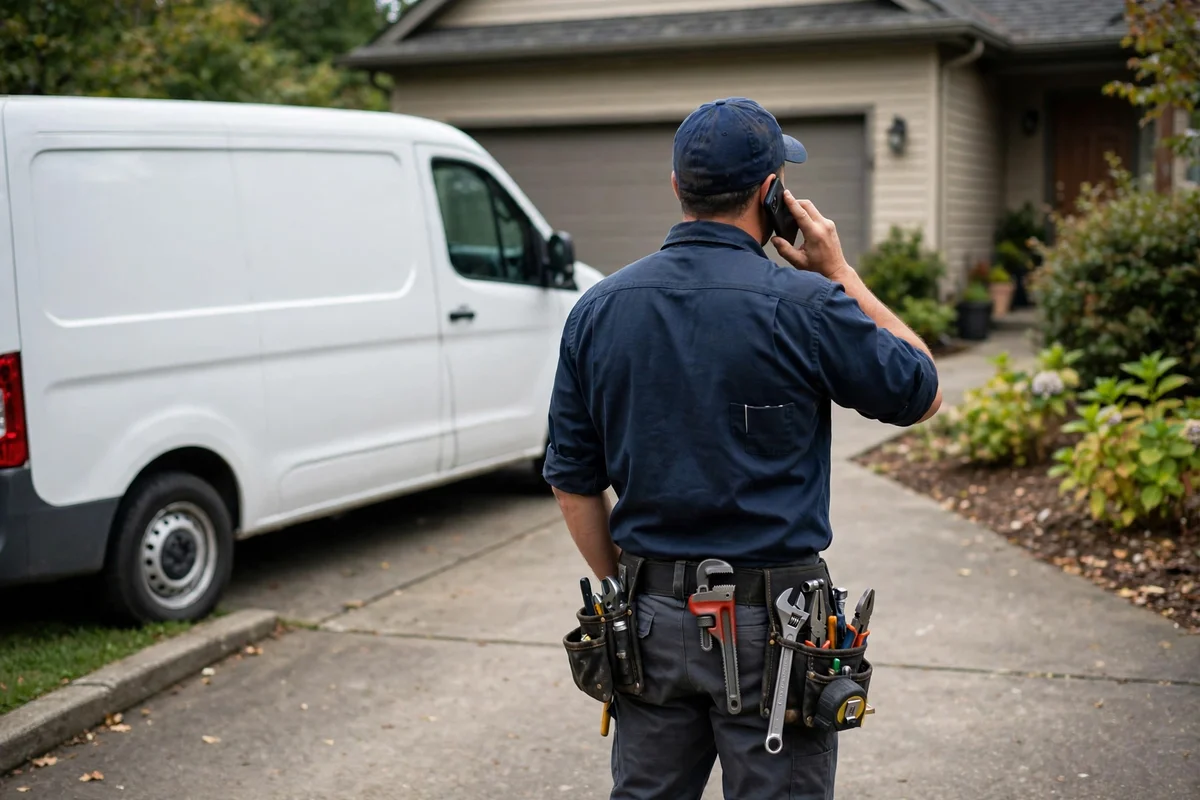
We schedule a visit during business hours and confirm the window. On arrival we check the flapper, fill valve, seal, and flange first, before any removal.
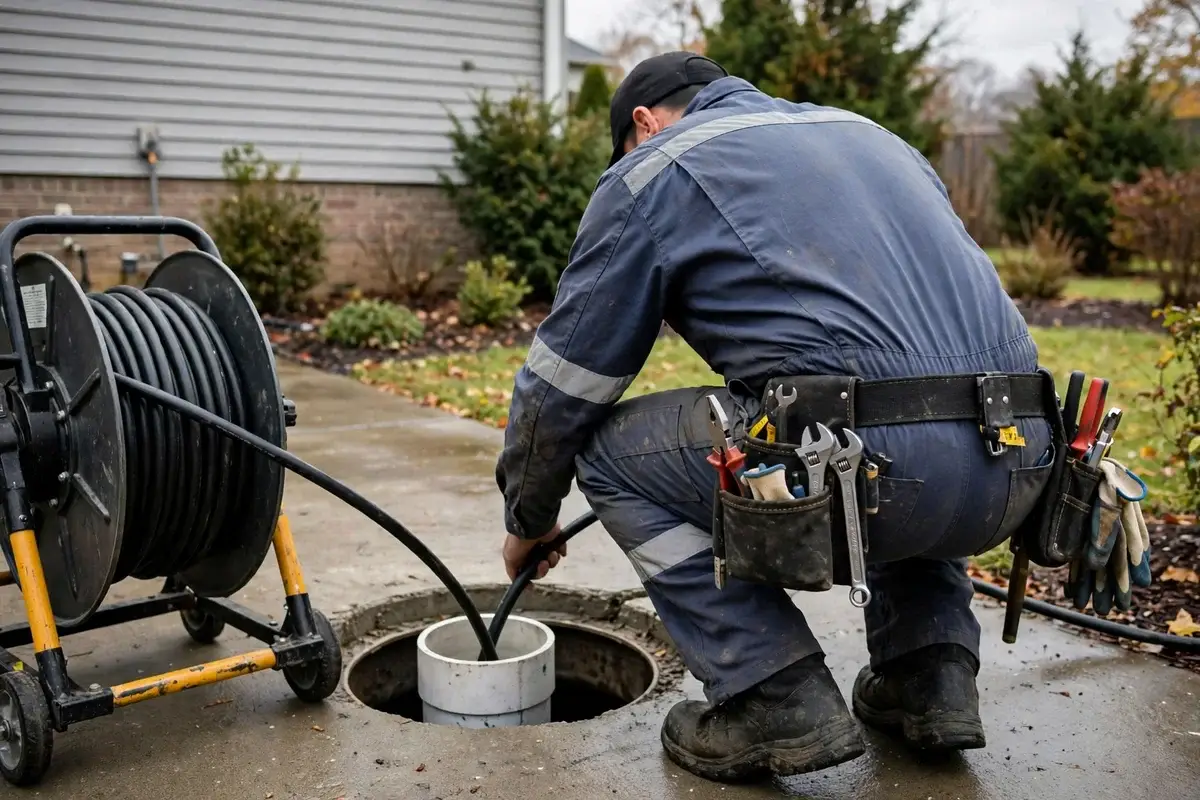
We test fill valve, flapper, flush mechanism, flange and seal, and clear any clog, checking whether the fault is in the fixture, the branch or the main line.
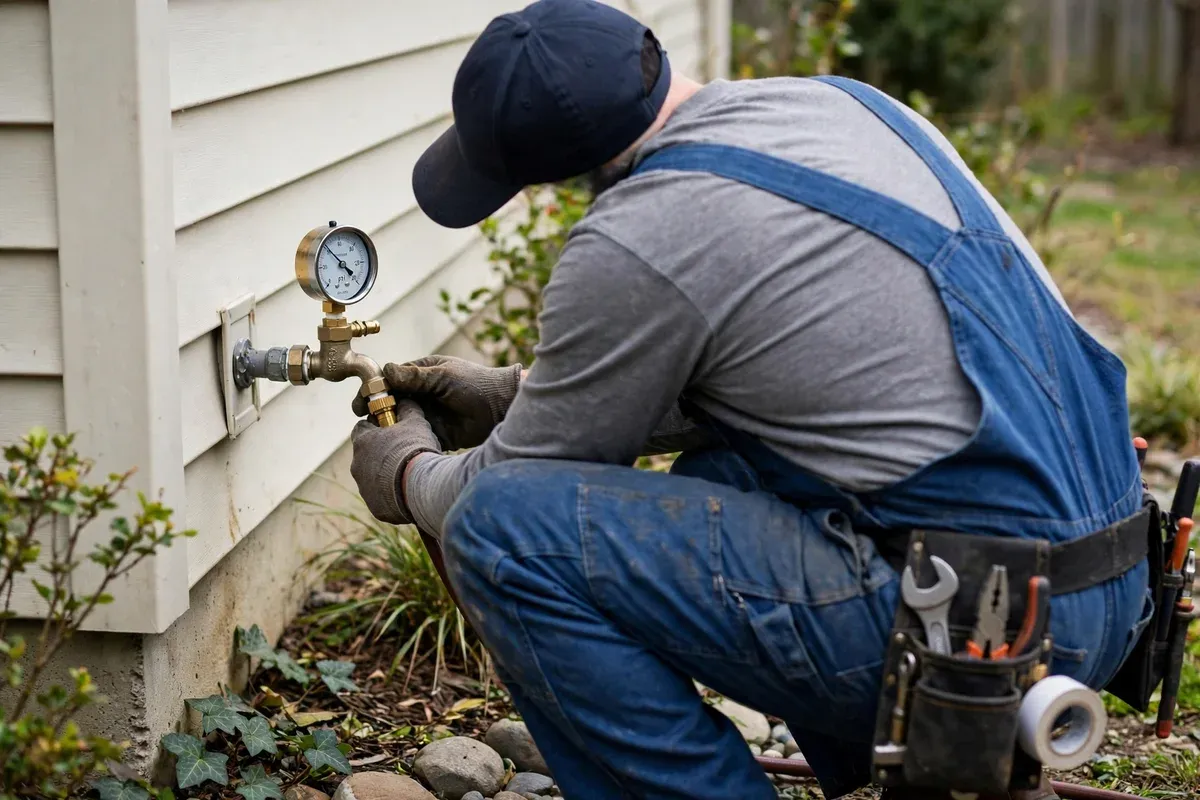
Failed internals are replaced, or the new toilet is fitted with a fresh seal, supply line and shut-off, then tested over several flush cycles before sign-off.
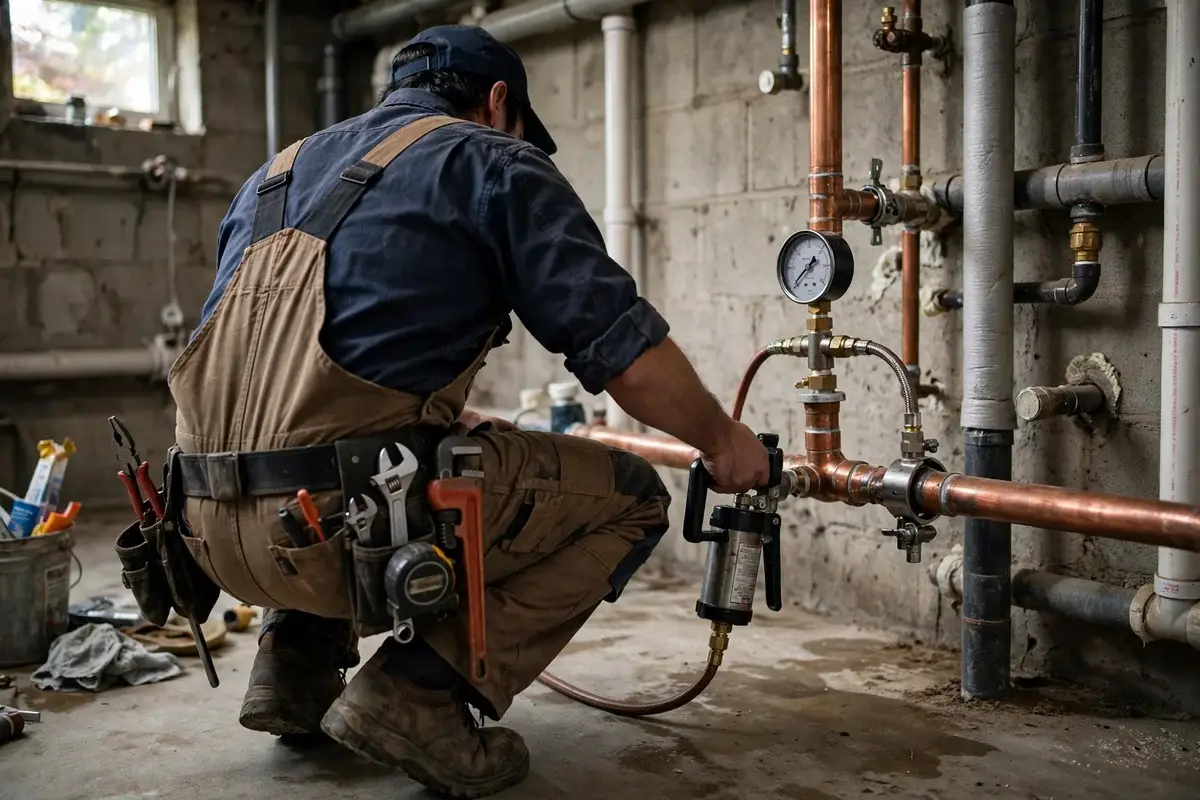
Before we leave, the toilet is flushed repeatedly and checked at the base and supply, and we walk you through what failed and what to watch next.
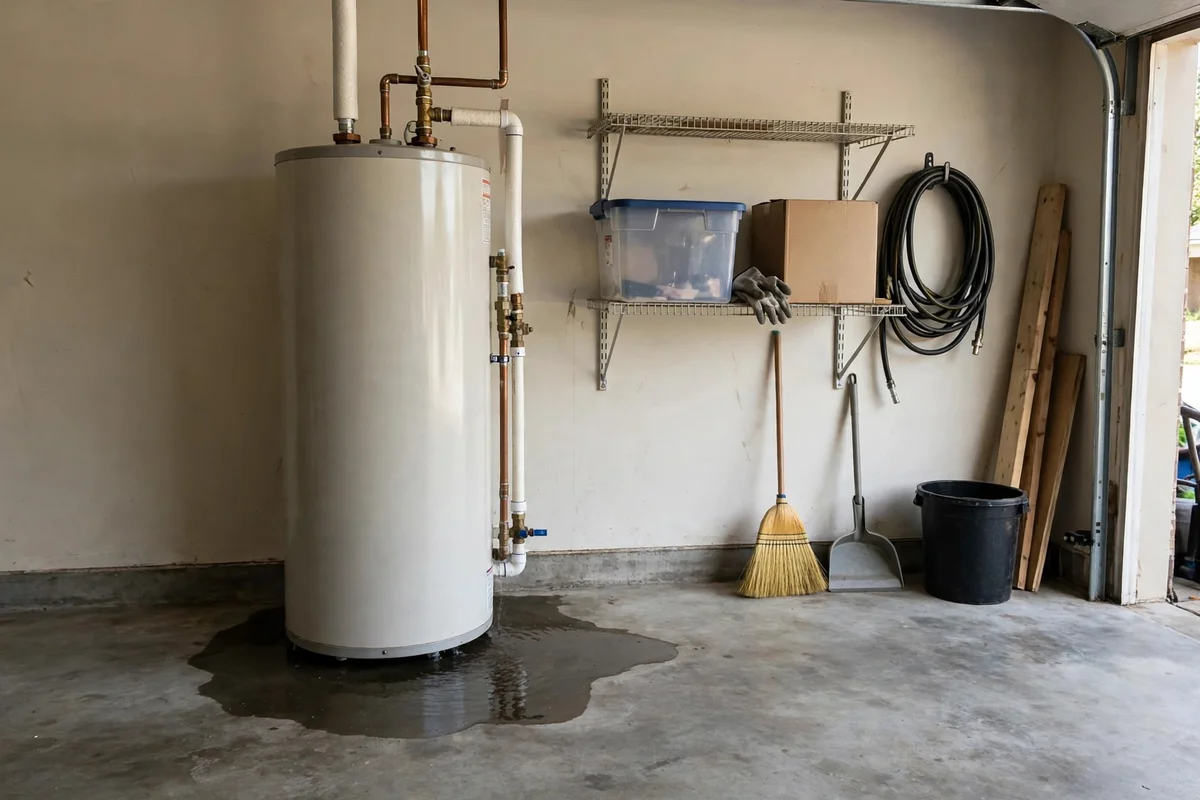
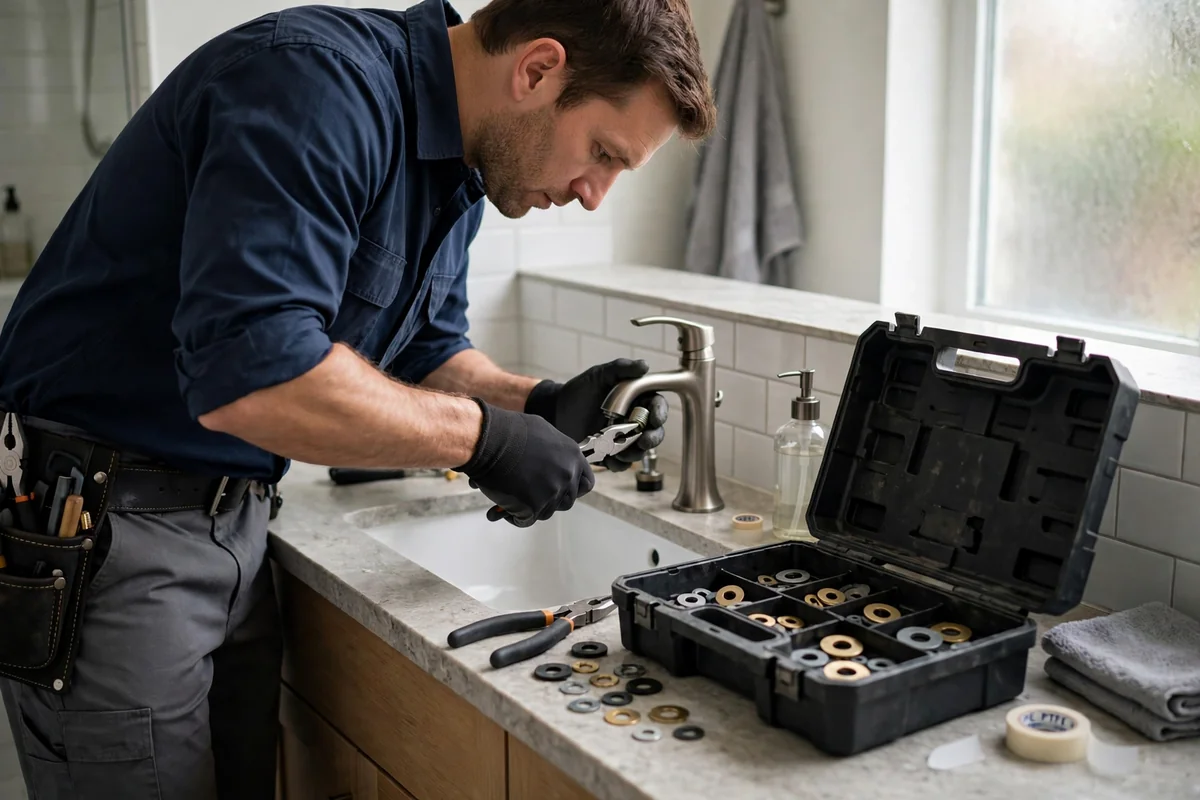
Used to loosen and tighten supply lines, shutoff valves, and tank bolts. A proper pipe wrench prevents stripped fittings and cross-threading.
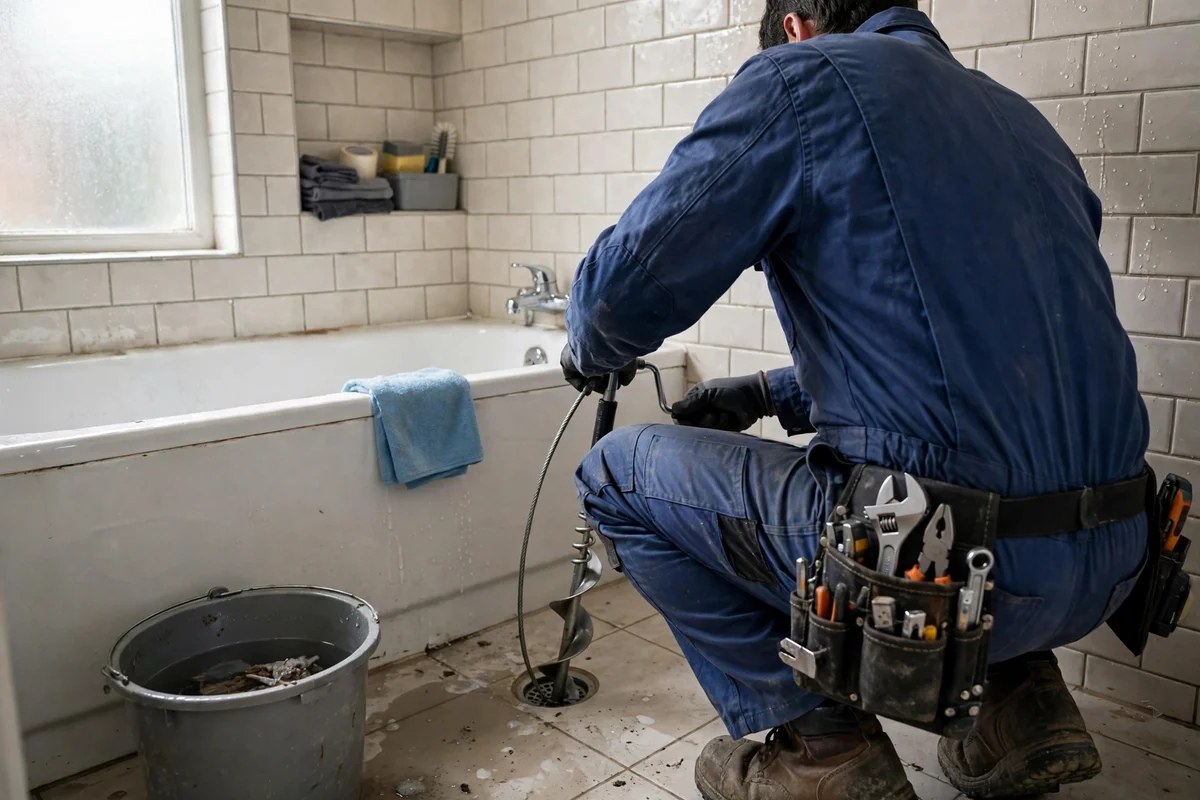
Clears clogs in the toilet trapway and drain line. We choose the right size based on where the blockage sits.
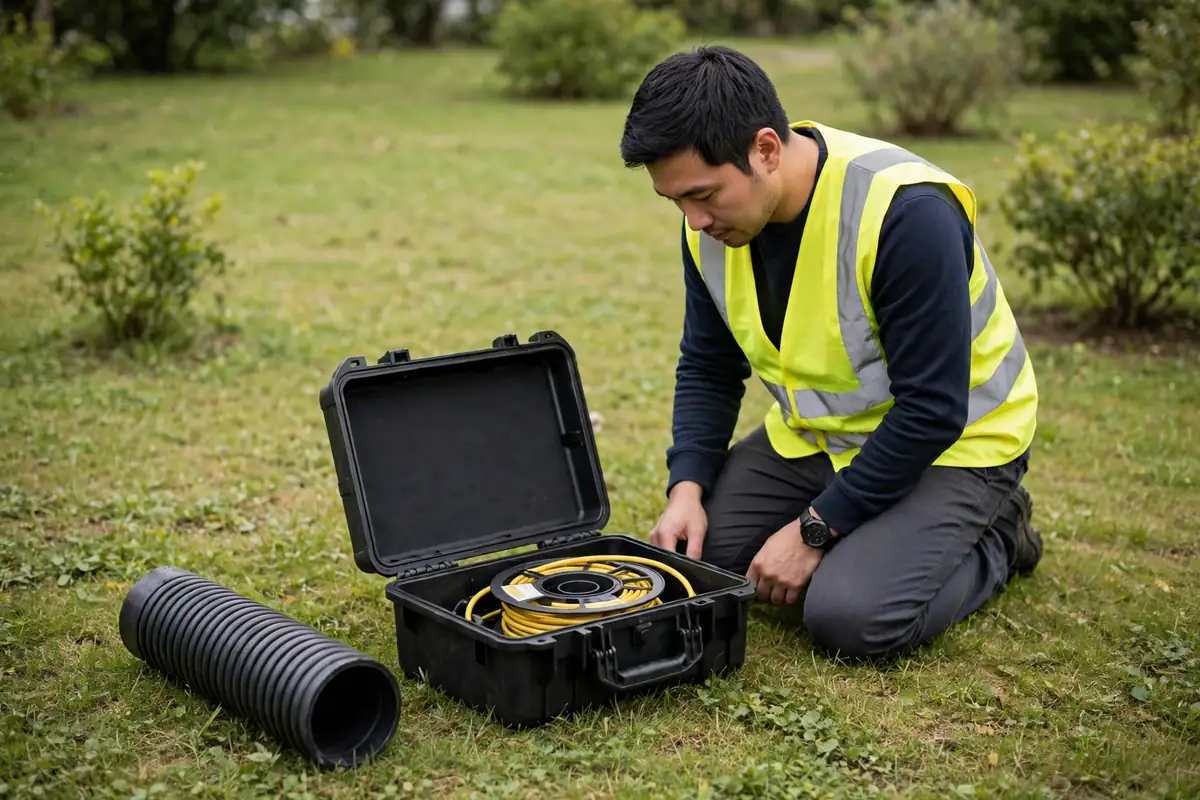
Lets us see inside the drain line to find root intrusion, broken pipe, or heavy scale. We show you the screen so you see the problem.
Blasts away grease, scale, and roots with high-pressure water. More thorough than snaking for main line clogs.
Finds hidden leaks behind walls and under floors. Helps us catch water damage before it spreads.
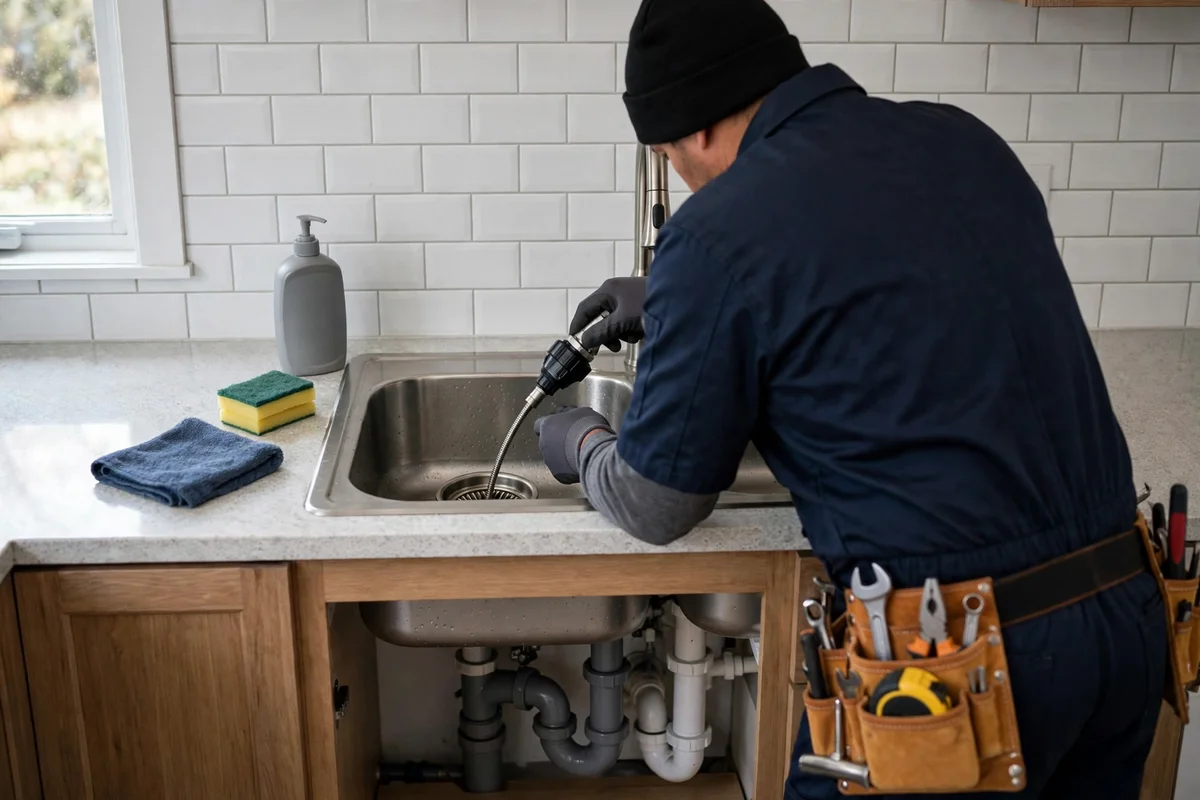
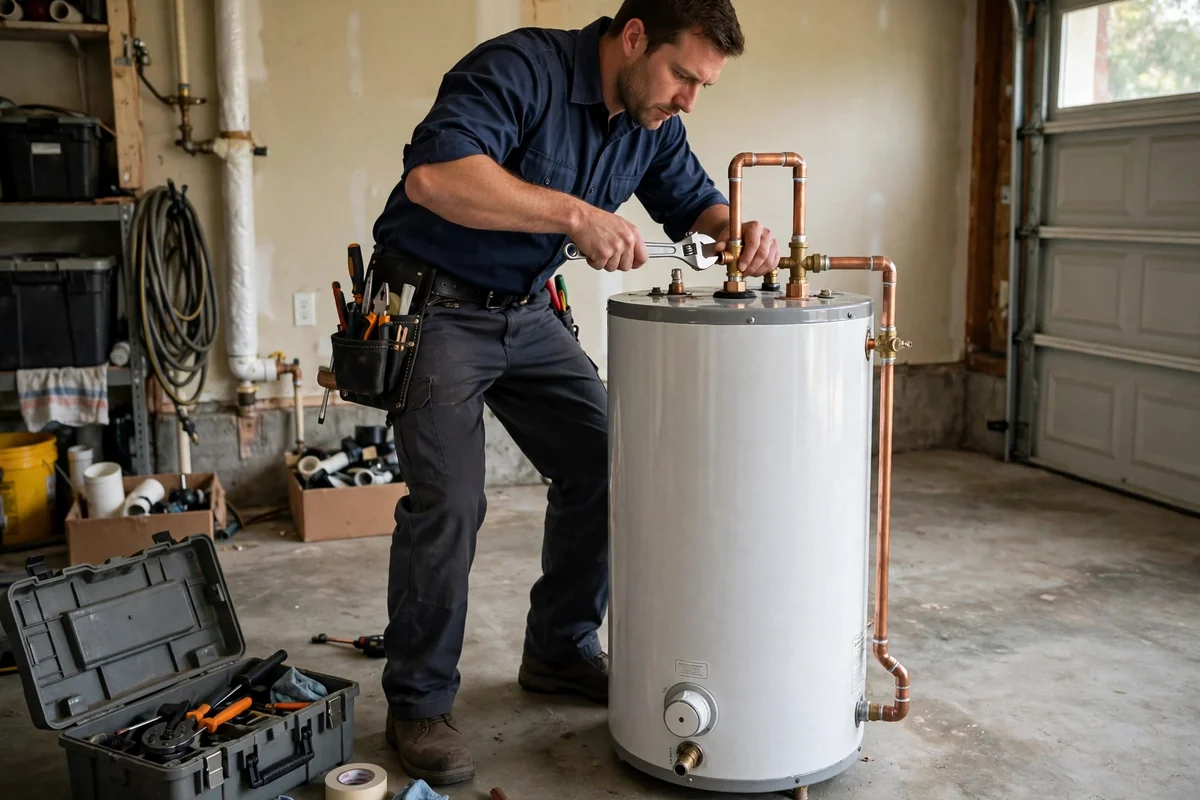
Cuts and connects copper pipe, PEX tubing, and CPVC pipe. Used when a supply line or drain pipe needs repair during a toilet job.
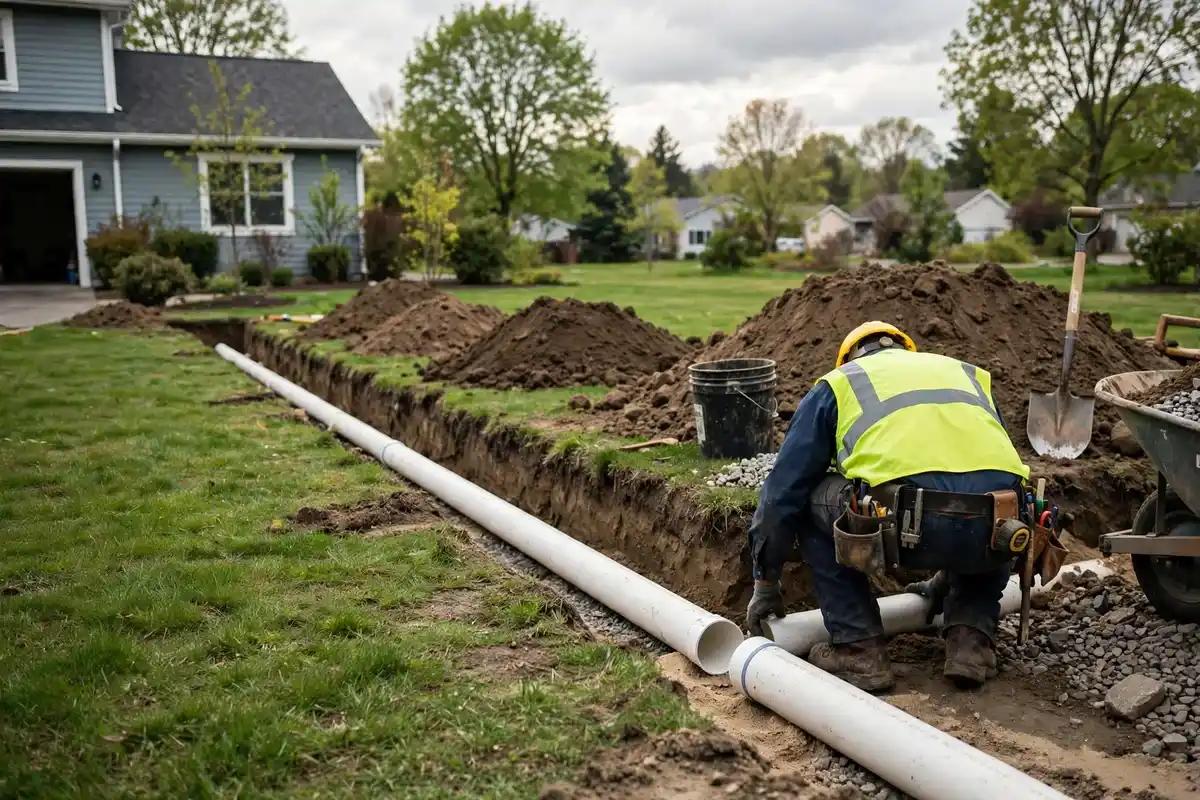
We follow UPC standards for toilet installation, including flange height, wax ring seating, and supply line connections. This ensures your install passes inspection and works properly.
When we install a new toilet, we confirm it meets EPA WaterSense standards. These toilets use 1.28 gallons per flush or less, saving water without sacrificing performance.
A toilet that refills between uses is leaking from tank to bowl, usually at the flapper or fill valve. Both are tested and the failed part replaced.
Rocking usually means a failed flange or seal. The toilet is lifted, the flange and seal assessed, and the fixture reseated properly before floor damage spreads.
Repeated clogs are checked against the branch and the main line, not just the fixture. A main-line cause needs clearing and a camera look, not a new toilet.
A cracked bowl or tank cannot be repaired safely, and a fixture whose parts are no longer available is replaced with a fresh seal, supply line and shut-off.
Toilet work in Conyers follows fixture era and drain material. Older homes often have cast-iron drains and original toilets, which need parts matched to vintage fixtures and a careful approach to old flanges. Newer builds carry PVC pipe and low-flow toilets, where fill valve adjustments and comfort-height upgrades are the common calls. Mineral content wears flappers and fill valves across both eras, causing running toilets and weak flushes. After heavy rain, root intrusion in main lines shows first as toilet clogs, so repeated clogs are always checked against the main line.
A toilet refilled on its own between uses, wasting water without flooding, noticed only on the bill.
Fill valve and flapper were tested, the failed parts replaced, and flush and refill checked over several cycles.
A toilet that refills between uses has a tank-to-bowl leak — usually a flapper or fill valve. It is worth fixing promptly.
A rocking bowl had begun leaking at the seal, with floor damage starting beneath.
The toilet was lifted, a failed flange and seal were found and renewed, and the fixture was reseated level and tested.
A rocking toilet is a flange or seal fault, not a tightening job. Left alone it damages the floor.
Weekly clogs continued despite a new plunger and careful use.
The branch and main line were checked, and a main-line restriction was found behind the fixture fault. Clearing and a camera look addressed the real cause.
A toilet that clogs weekly is rarely a toilet problem alone. Check the branch and main before replacing the fixture.
Most toilet calls fall into a handful of categories. Here are the ones we see most often in Conyers and how each is handled.
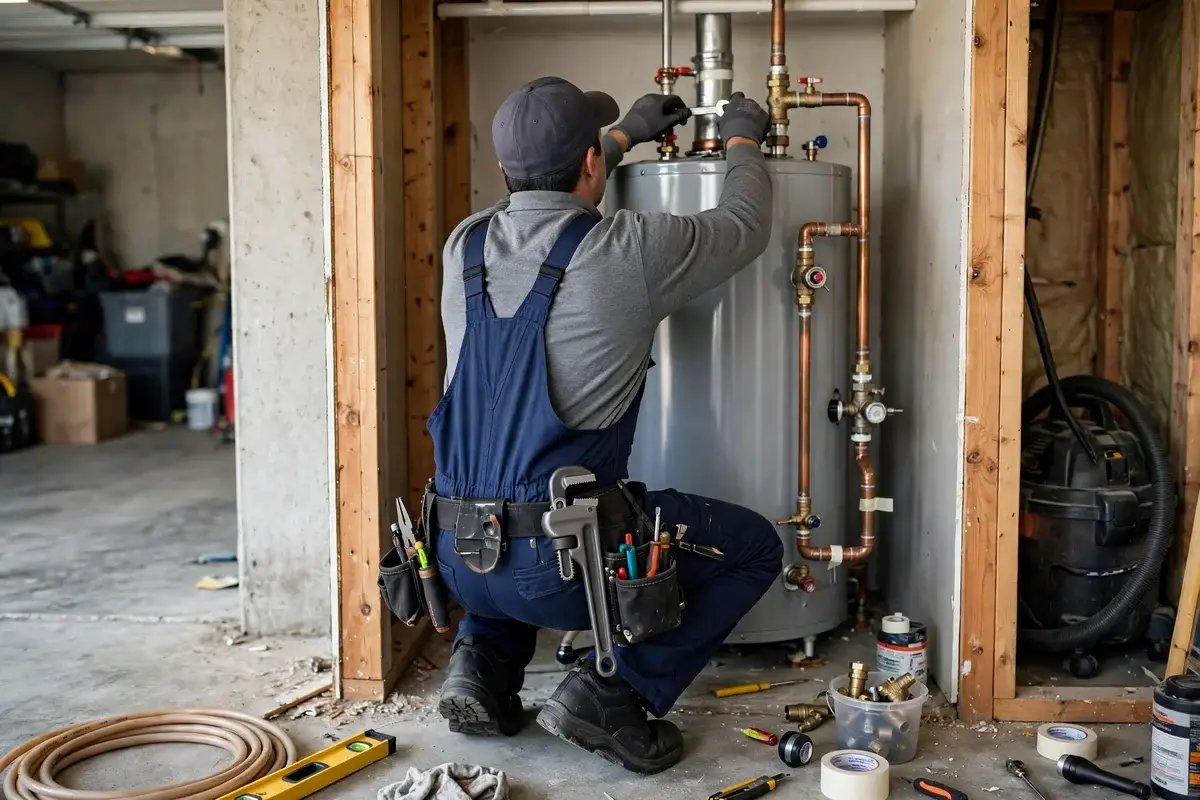
Fill valve and flapper are tested. The failed part is replaced, and flush and refill are checked over several cycles.
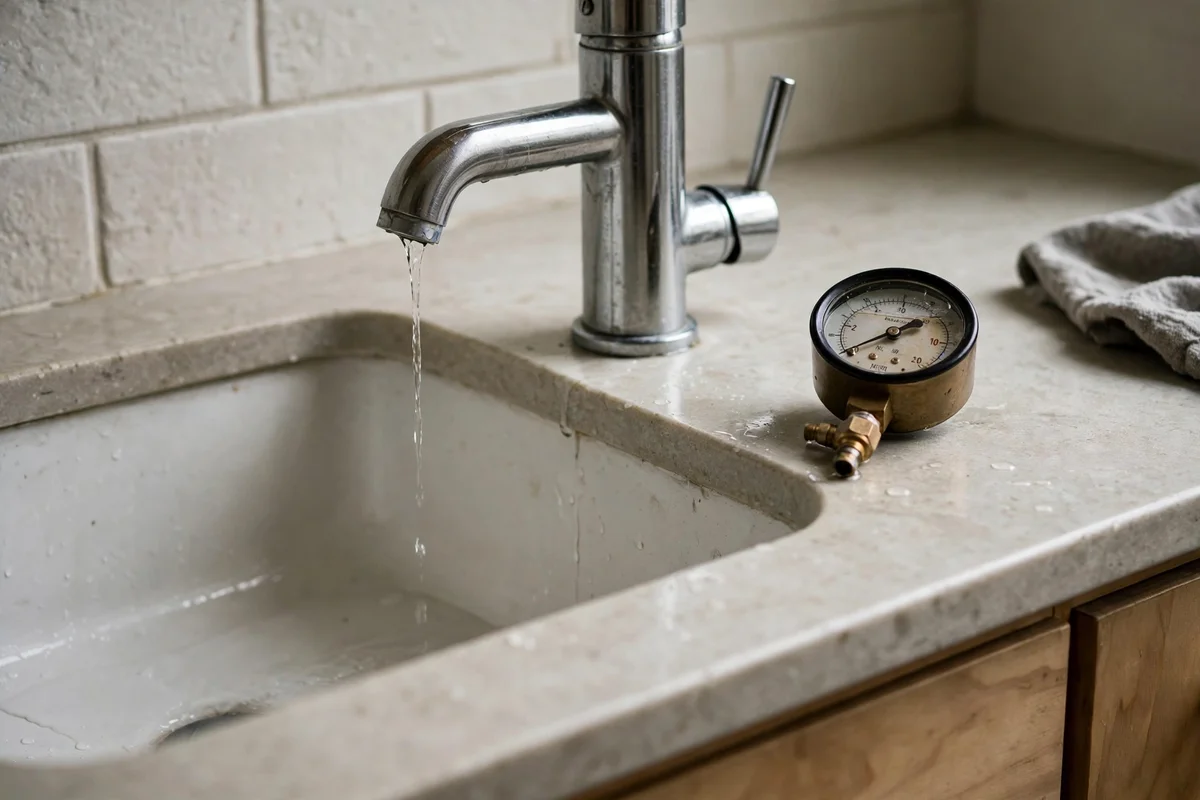
Flange and seal are assessed with the toilet lifted. The fixture is reseated properly, not just tightened down.
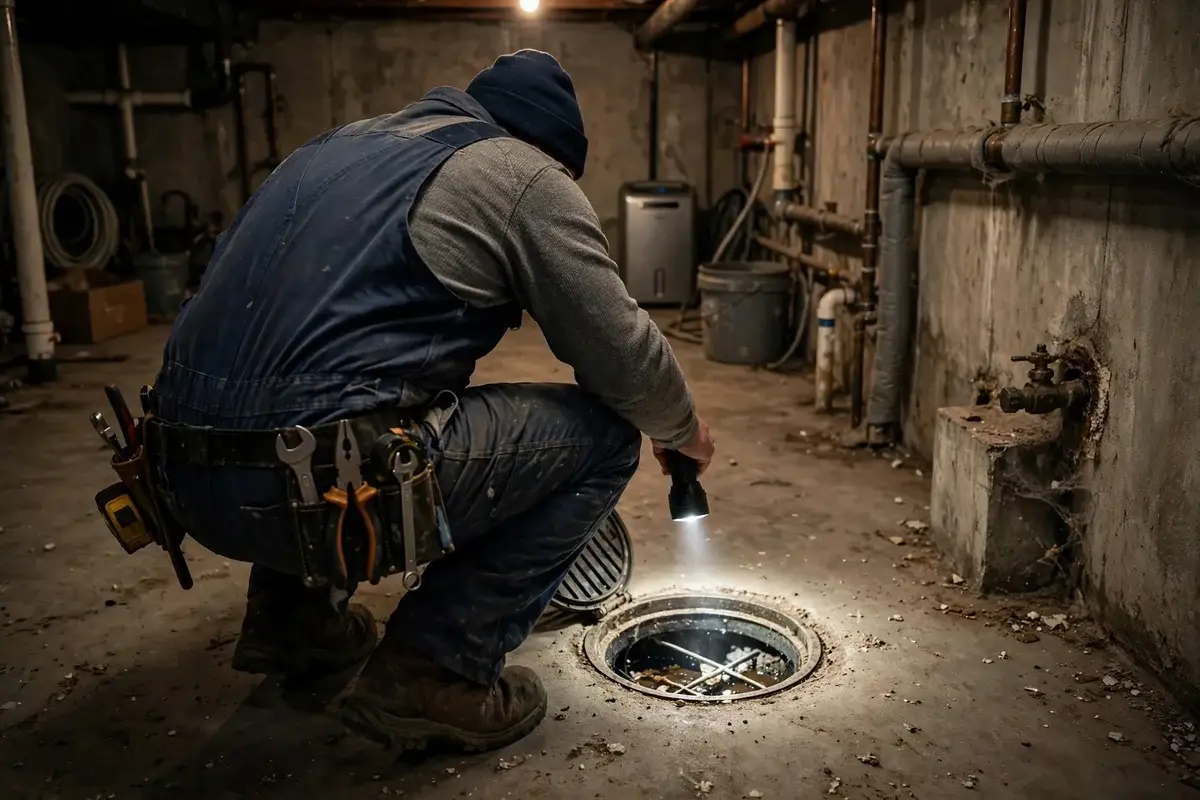
Fixture, branch and main line are checked in order. A main-line cause gets clearing and a camera look, not a new toilet.
A cracked bowl or tank, or a fixture without available parts, is replaced with a fresh seal, supply line and shut-off.
You agree the price and the scope before work starts. Oct-2026 Atlanta market data on this page is background only, never a quote for your job — call for a written price before work.
Toilet work is built to the 2024 International Plumbing Code with Georgia Amendments, effective 1 January 2026. Permits are checked with the City of Conyers or Rockdale County as applicable, where a replacement changes the flange or drain.
A toilet is replaced only when the fixture itself has failed. Running, rocking and clogging faults are tested first, since most are parts or drain faults.
Repaired and installed toilets are flushed repeatedly and checked at the base and supply before we pack up, and old parts are shown to you so you can see what was replaced.
Clear records you can keep and share.
Agreed before any repair work begins.
Every fitting and fixture noted on the invoice.
Line tested and confirmed before we leave.
Three observations make a toilet visit faster. Here is what to note before calling.
A toilet that refills between uses has a tank-to-bowl leak. Note whether it happens constantly or occasionally.
Rocking points to flange or seal. Note whether water appears at the base when it flushes.
Other fixtures backing up points to the main line. Note which fixtures are affected, not just the toilet.
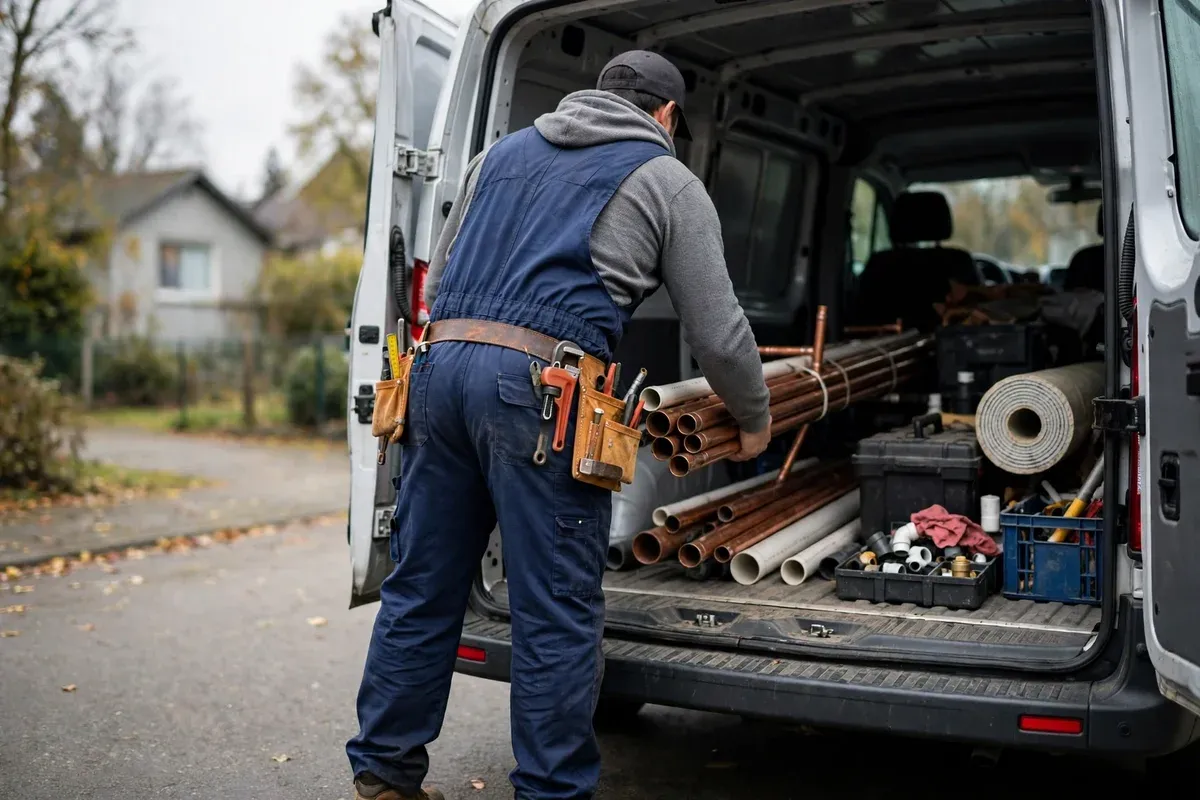
Call to confirm coverage in your part of Conyers and Rockdale County. +17708971640
4.7 stars from 7 Google reviews · Read reviews on Google
Monday to Friday, 9 AM to 5 PM; Saturday and Sunday closed. If a burst pipe or sewer backup happens outside those hours, shut off the water, stop running water, and call +17708971640 at 9 AM. If you smell gas, leave the building first and call 911 or your gas utility — do not wait for a plumber.
No firm price is possible before the fixture and fault are known. As background only, Oct-2026 Atlanta market data, not SoCo Plumbers' prices — call for a written price before work.: Angi's Atlanta average for a plumber visit was $316 (range $174–$460) in July 2026. A written price is agreed after diagnosis.
Usually a worn flapper or a faulty fill valve lets water leak from tank to bowl, triggering refills. Both are tested on the visit, and the failed part is replaced.
Not before the branch and main line are checked. A toilet that clogs weekly often has a drain cause behind it, and a new fixture will clog just as often until that cause is addressed.
A running toilet, a rocking bowl, a toilet that clogs weekly, or a fixture past its time — call SoCo Plumbers at +17708971640 during business hours. Tested first, priced in writing.
Call SoCo Plumbers Monday to Friday, 9 AM to 5 PM for toilet service. Tell us whether it runs, rocks or clogs, and whether other fixtures are affected.