Checklist report
What was checked, what is sound, what is wearing, and what needs attention, in priority order
A maintenance visit is a planned check of a home's plumbing, fixture by fixture and system by system, before small wear becomes a leak, a blockage or a failed heater. SoCo Plumbers describes the maintenance visit checklist on this page, and gives plan details on the call, because no plan prices, plan terms or durations are published here. Call for plan details. SoCo Plumbers is open Monday to Friday, 9 AM to 5 PM, and closed Saturday and Sunday. If you call outside those hours, call again during business hours.
A maintenance visit follows a checklist, and this page lists that checklist honestly. It is a check and a report. Repairs found during the visit are separate jobs, priced in writing before they start, and no repair is bundled into the visit by surprise.
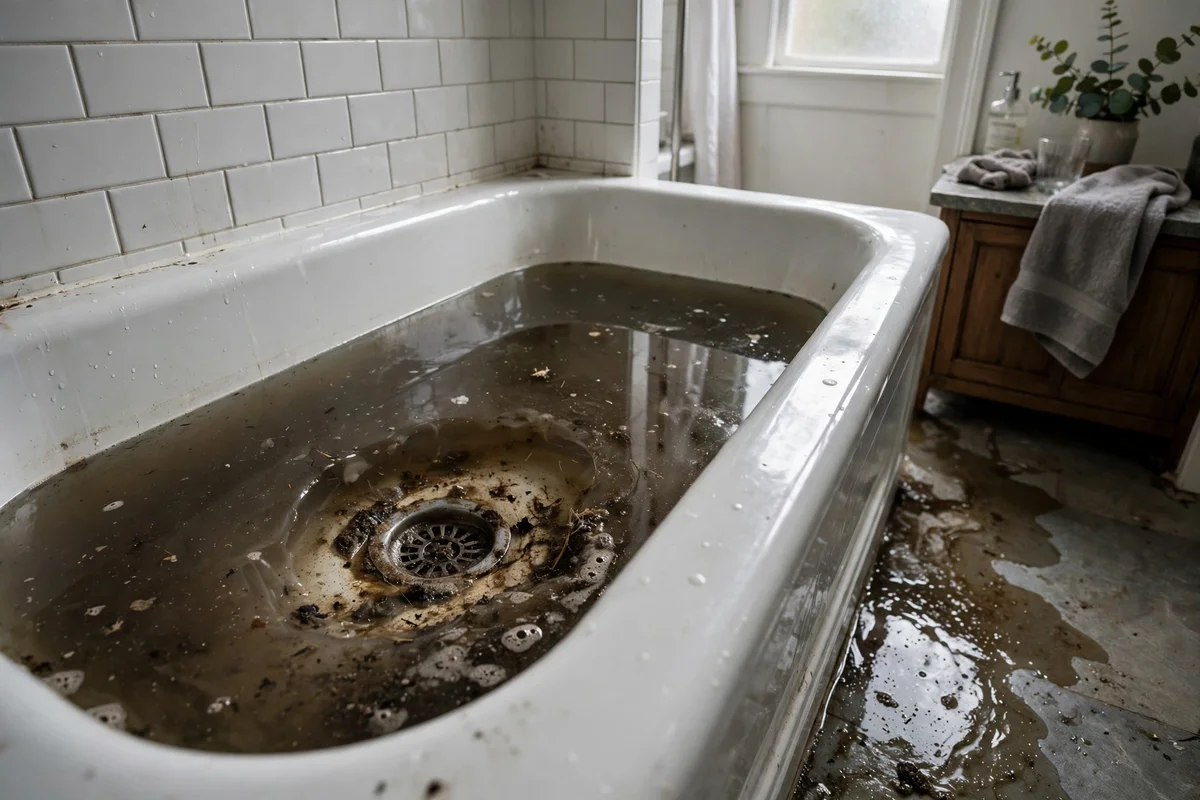
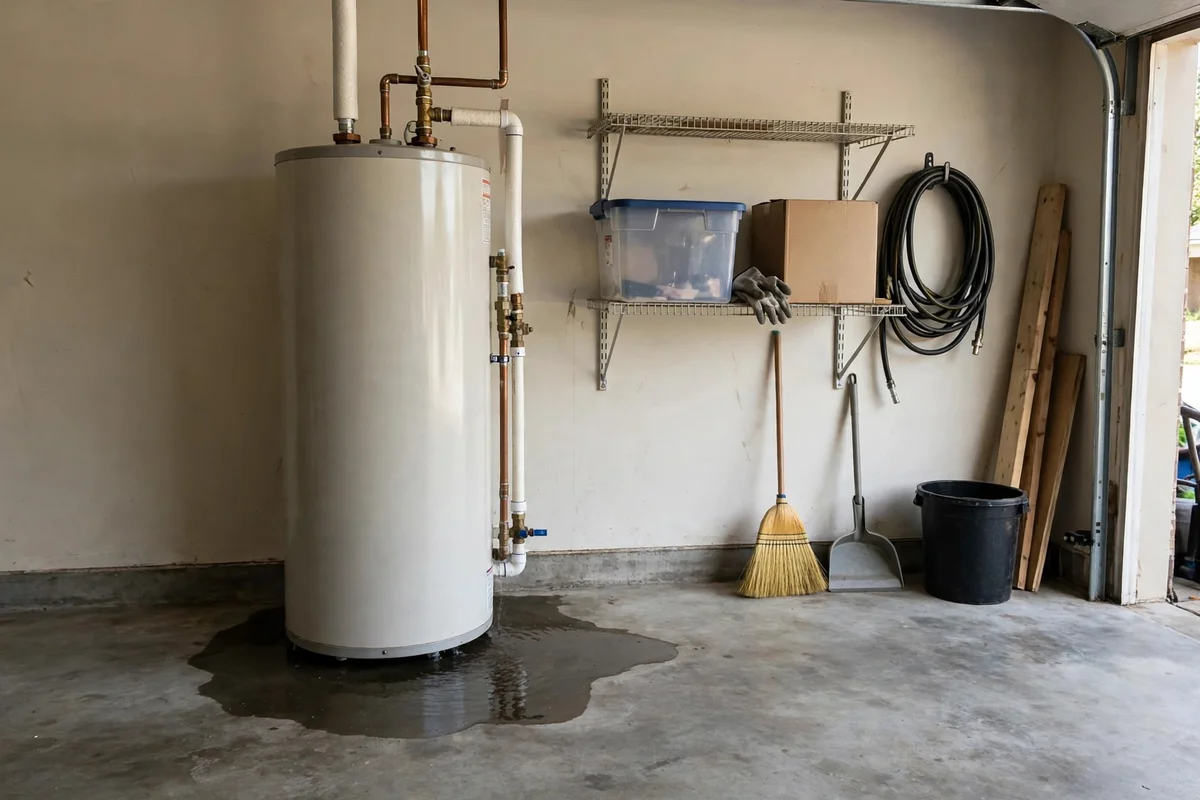
Conyers homes benefit from a planned check because so many of them carry mid-life systems: 1990s homes on original components, 1970s homes with ageing pipework, and remodelled homes where new and old meet. A checklist visit catches wear in each case before it becomes damage.
Small commercial premises benefit from the same checklist logic, with high-use fixtures and drains checked for wear that home use would take longer to produce. Larger commercial maintenance contracts are not claimed here; small-premises visits are described, and details are given on the call.
Plumbing fails gradually more often than it fails suddenly. A toilet flapper wears until it runs all night, a supply line corrodes until it weeps, a water heater ages until it leaks, and a drain coats itself with grease until it blocks. A maintenance visit interrupts that gradual failure at the cheap stage, by checking each part in turn and reporting what is wearing before it breaks. That is the whole logic of maintenance, and it does not depend on any particular plan structure: a visit, a checklist, a report, and repairs priced separately where the report shows they are needed. Conyers homes, with a 1990s median build and a significant 1970s cohort, are at exactly the age where gradual wear, rather than sudden failure, is the dominant story.
What this page deliberately does not do is publish a plan. No plan prices, no plan terms, no durations and no included-repair promises appear here, because none were supplied for publication, and inventing them would mislead a homeowner into expecting terms that may not exist. Call for plan details, and the details given on that call are the terms that apply. For seasonal preparation that a maintenance visit naturally covers, see our guide to preparing plumbing for spring in Lake Capri, and for winter preparation, our guide to preventing pipes from freezing in a Conyers winter covers the seasonal checks a visit includes.
A maintenance visit reports wear before failure, and leaves the next decision to the homeowner.
Walk the home, check the list, report plainly. Repairs, where needed, are separate and priced in writing.
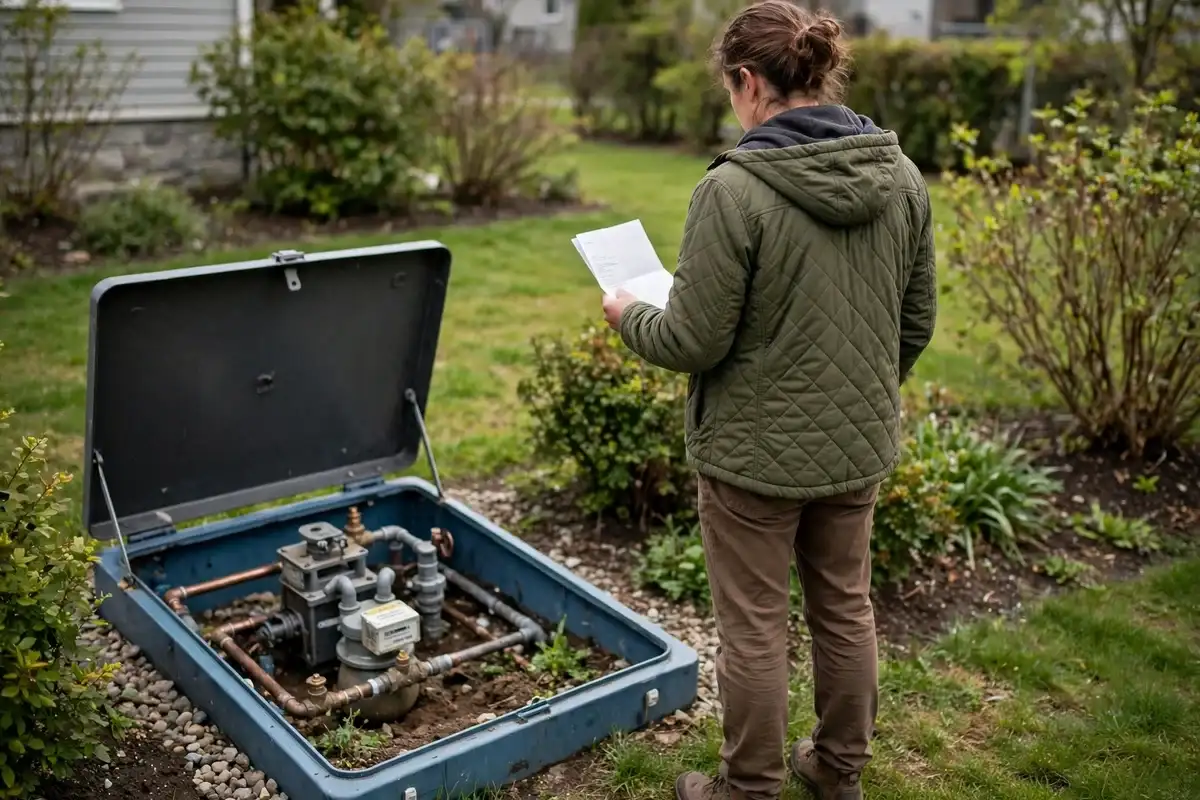
Call +1 770-897-1640 during business hours and ask for plan details, including what a visit covers and how it is arranged. No plan prices or terms are published on this page, and the call is where they are given.
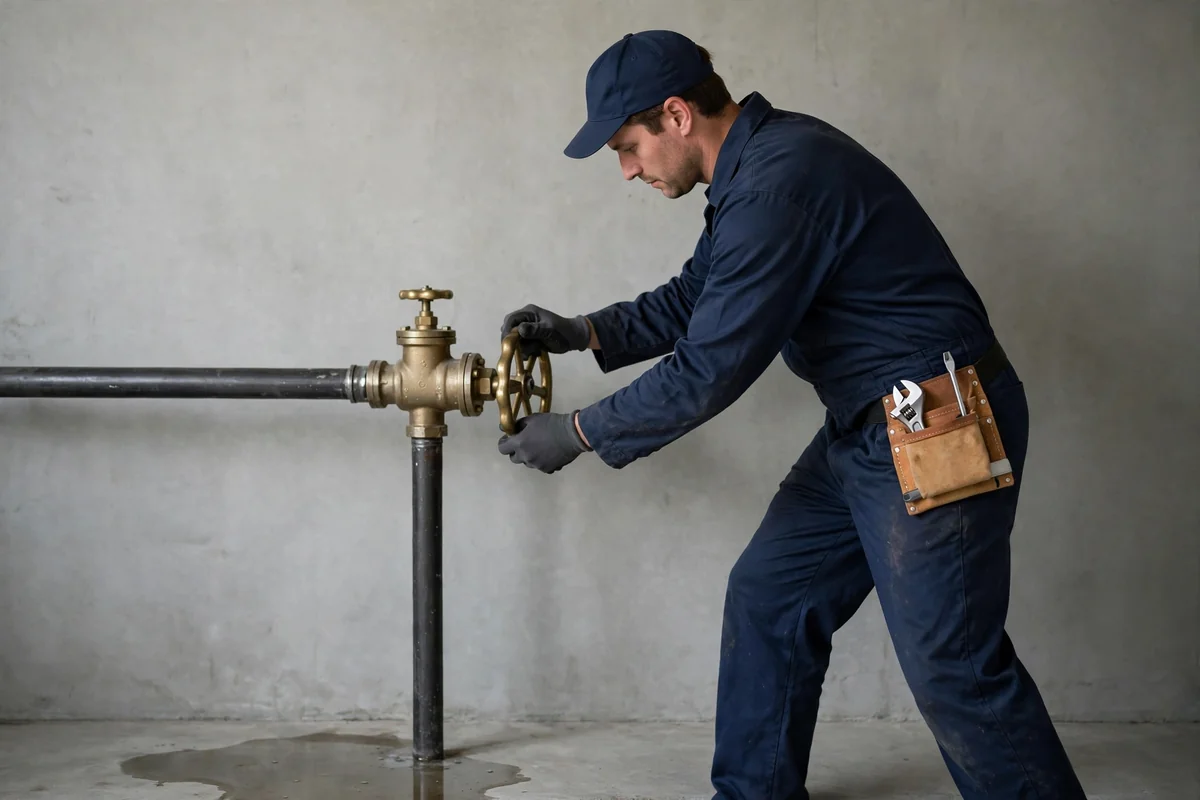
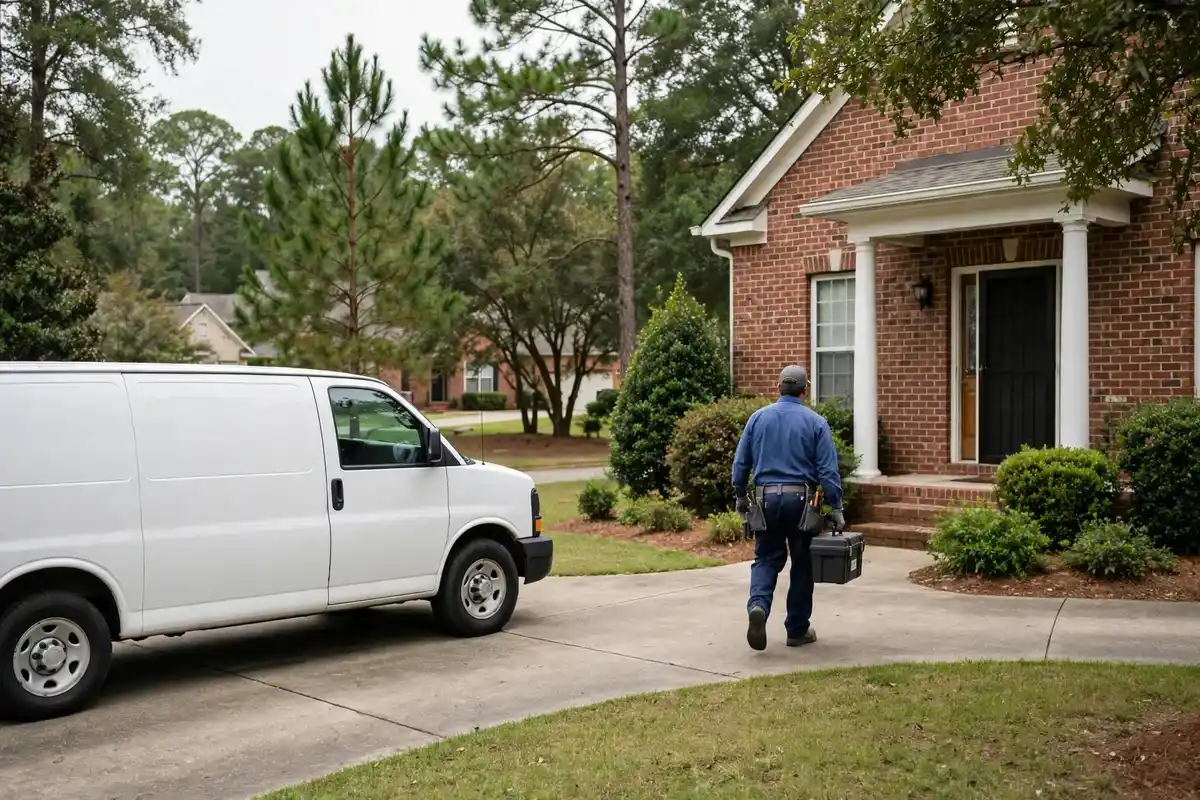
On site we work through the checklist room by room: fixtures run, drains flow-tested, shutoffs verified, heater checked, and visible pipework surveyed for damp and wear.
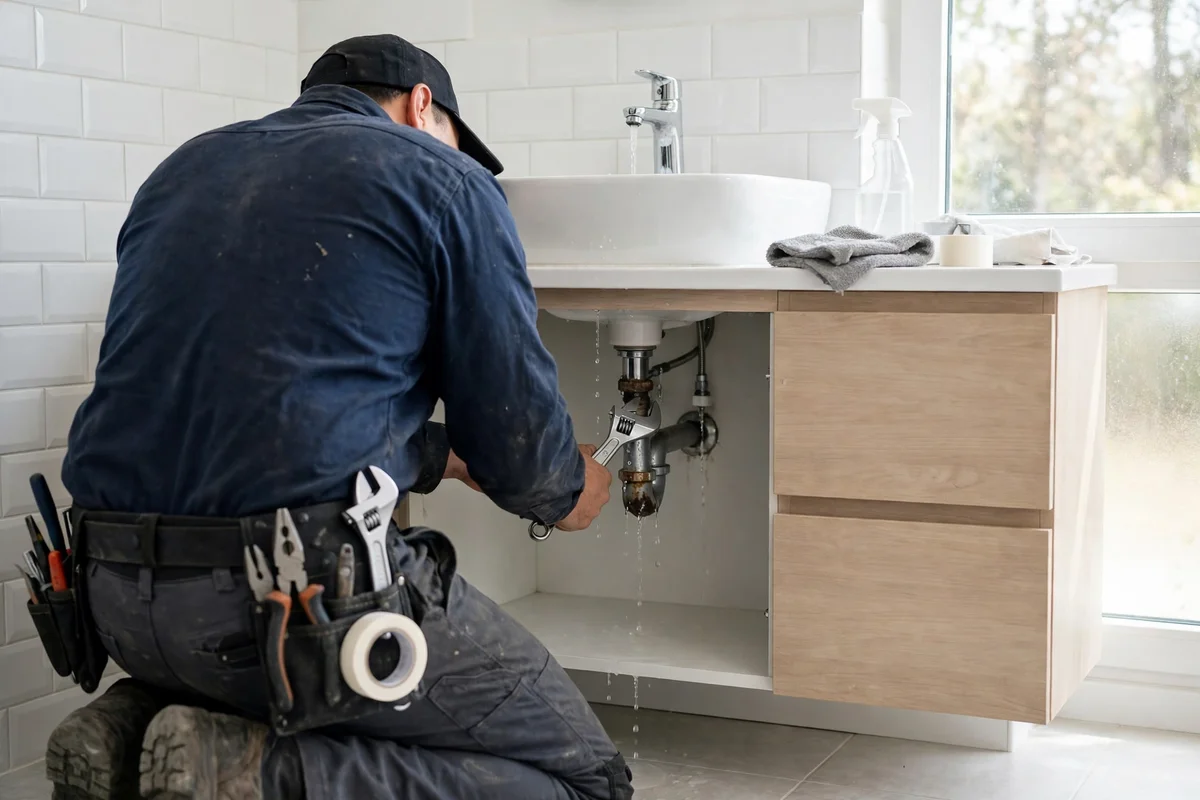
We note parts that are wearing as well as parts that have failed, because a maintenance report that only lists breakages has missed its purpose.
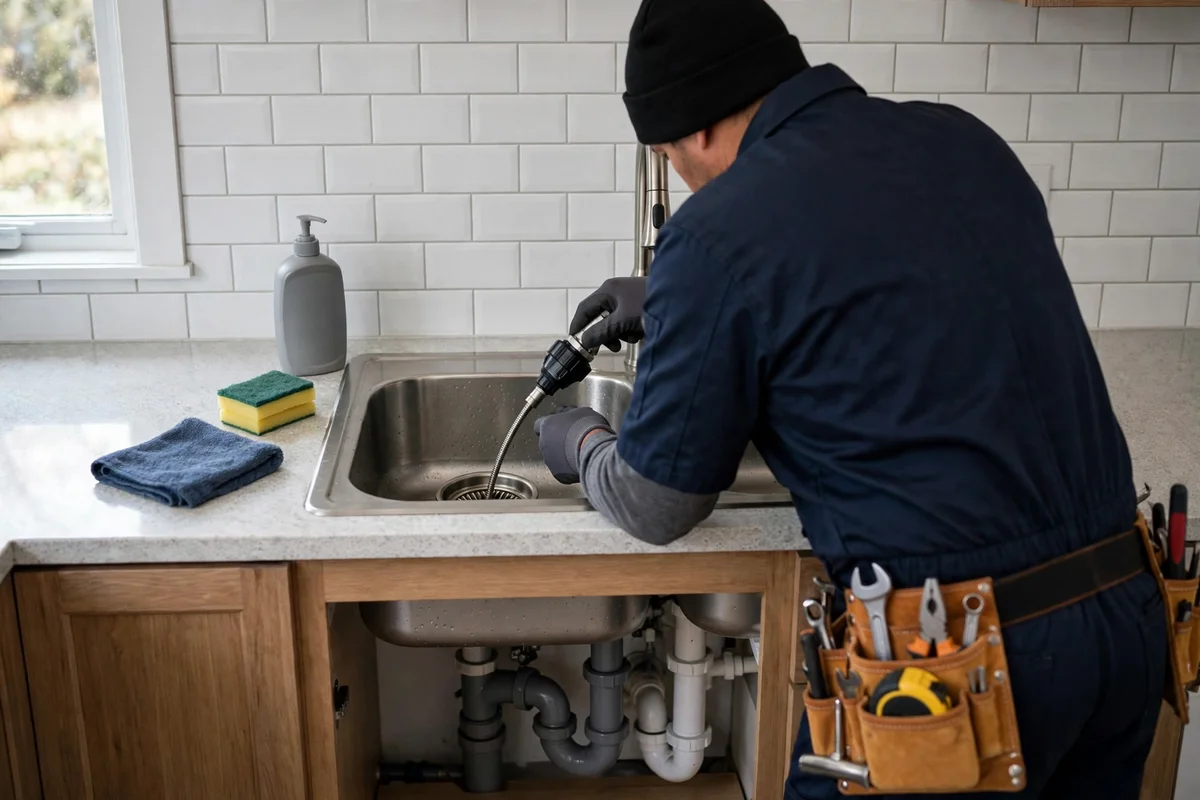
You receive a plain report: what is sound, what is wearing, and what needs attention, in priority order, so the next decision is yours and informed.
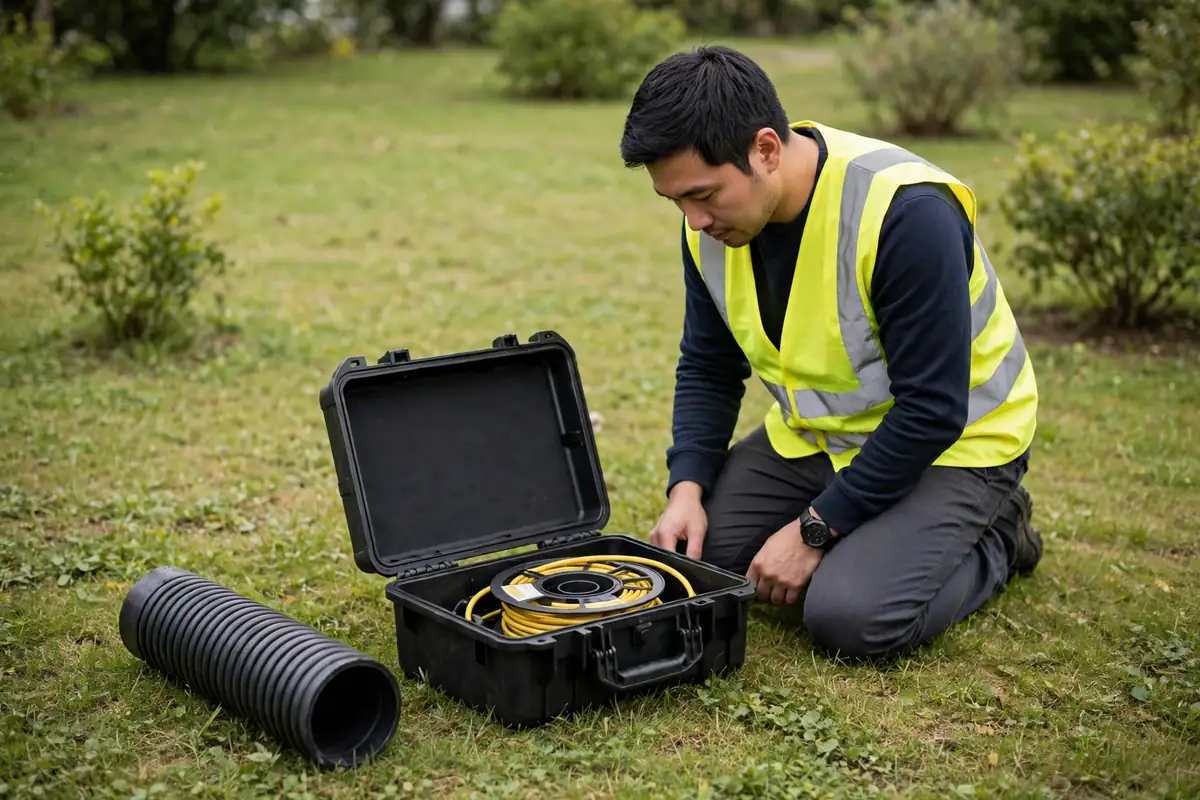
Any repair the report recommends is priced in writing as a separate job before it starts. No repair is bundled into the visit, and no repair is started on the strength of the visit alone.
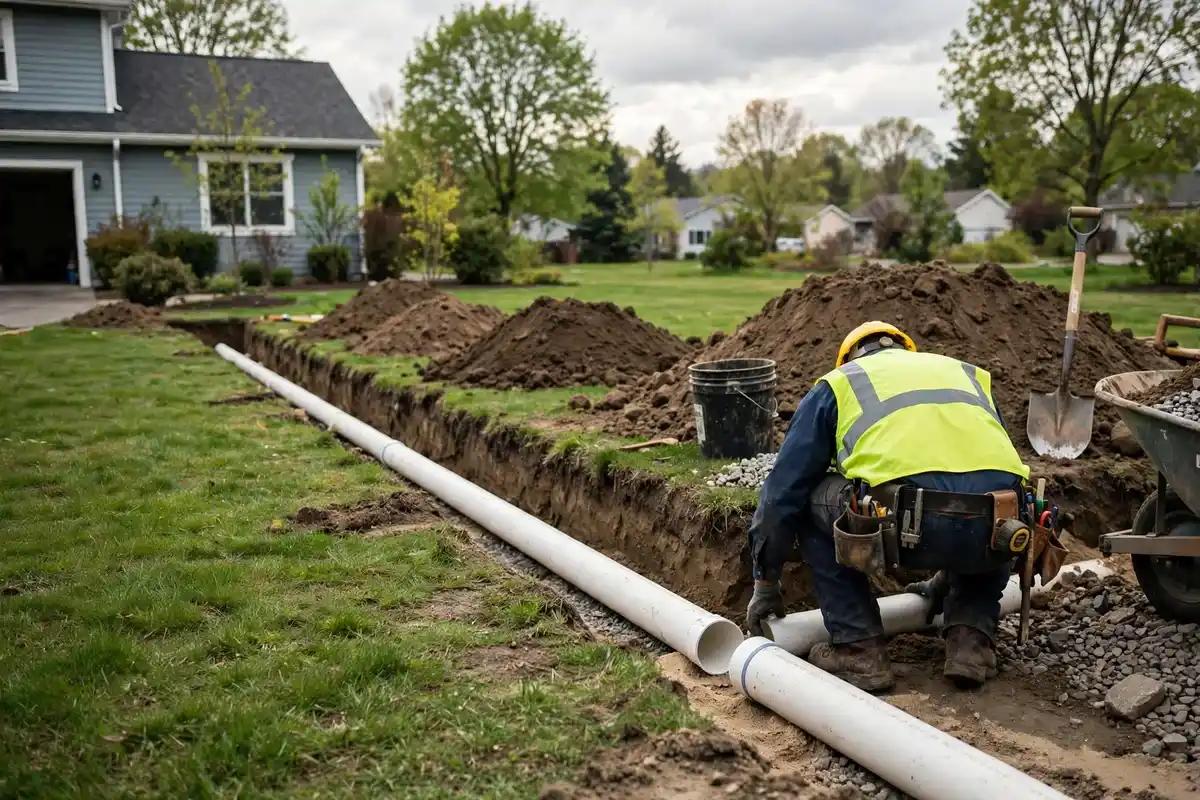
A fixed checklist worked through in order, so a visit does not drift into checking only the rooms that look problematic.
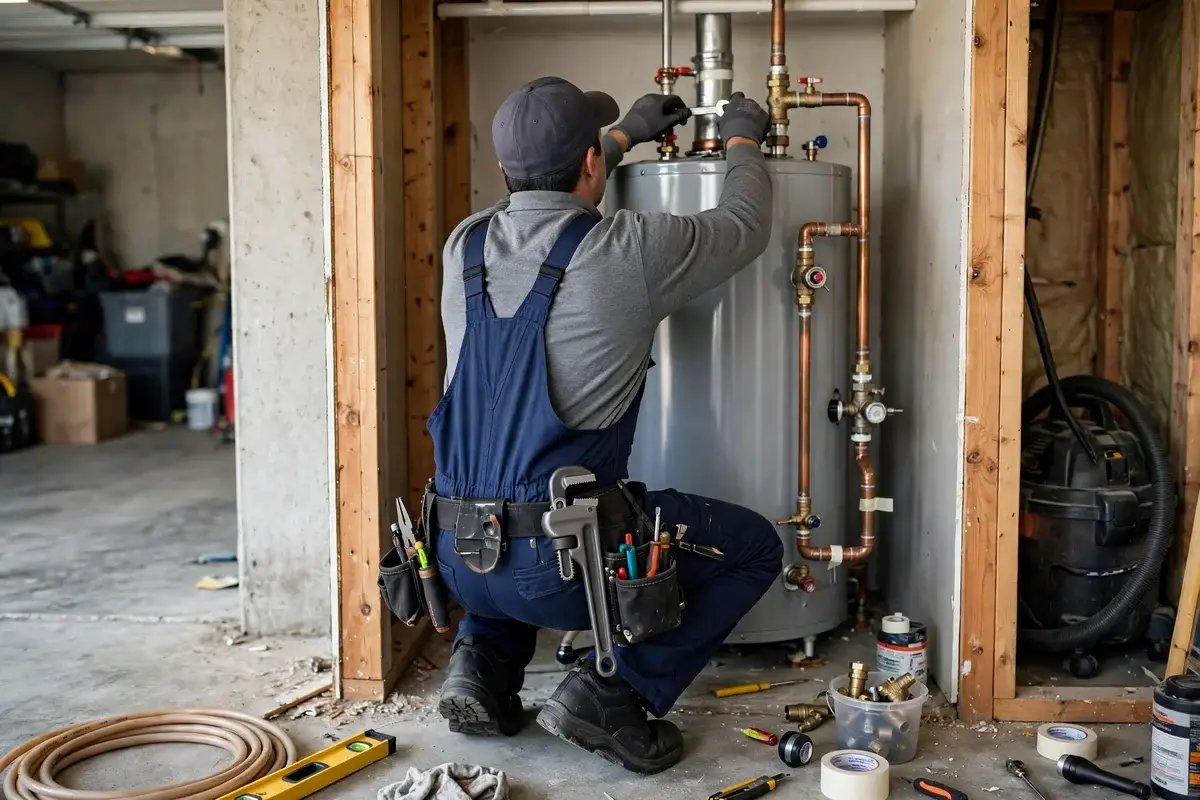
Fixtures run, flushed and timed, because a fixture tested in operation reveals wear that a visual look misses.
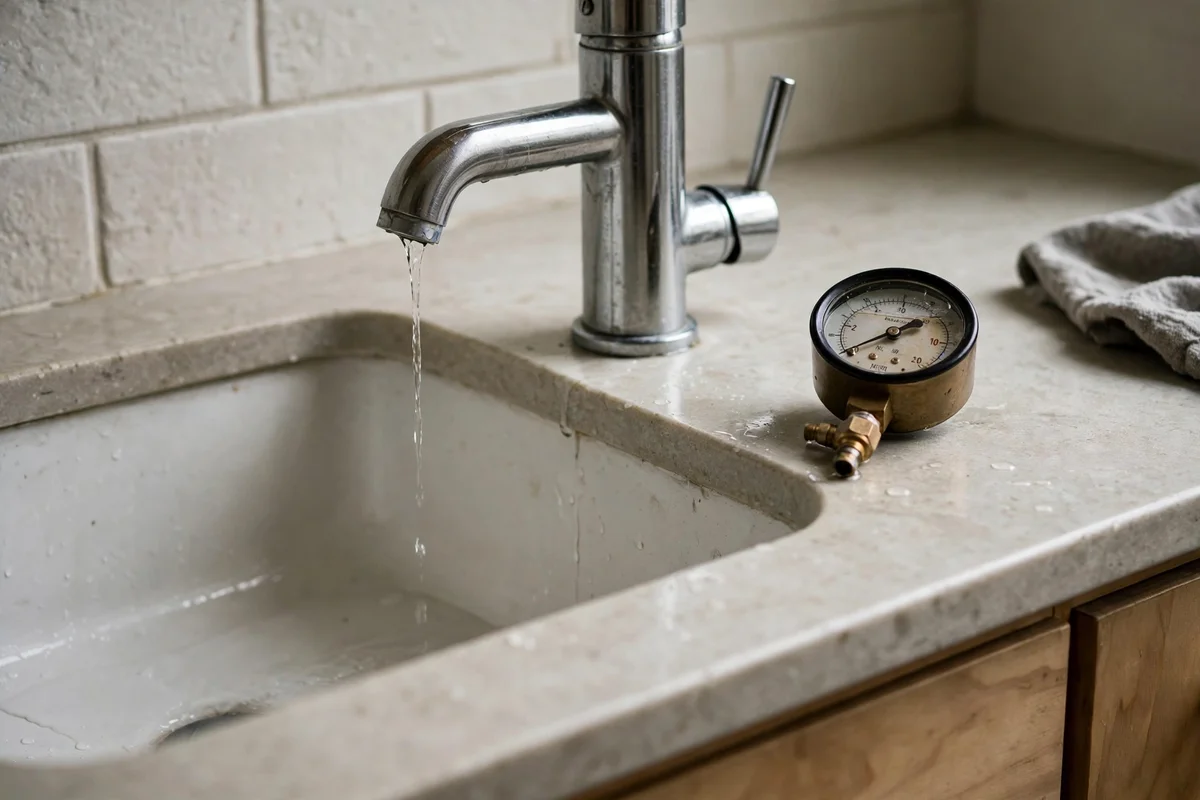
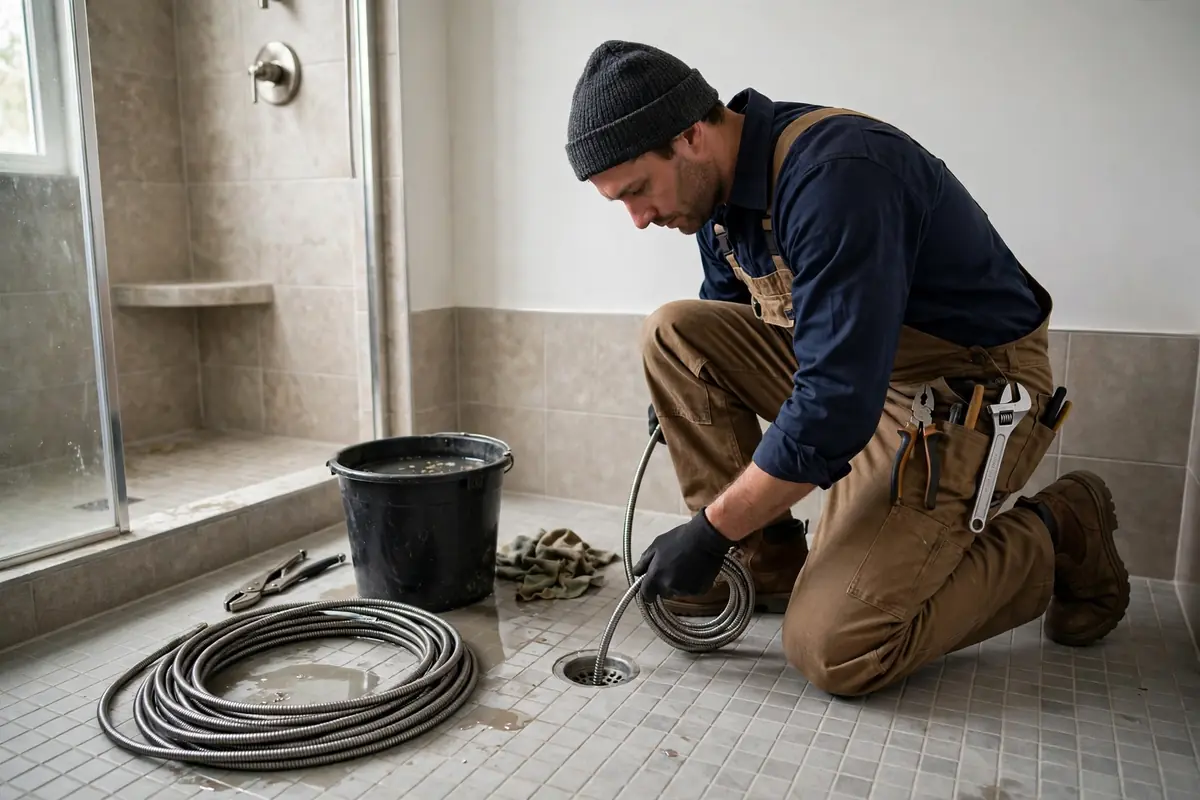
Drains timed and flow-tested, with slow drains noted and their likely cause recorded, rather than cleared and forgotten.
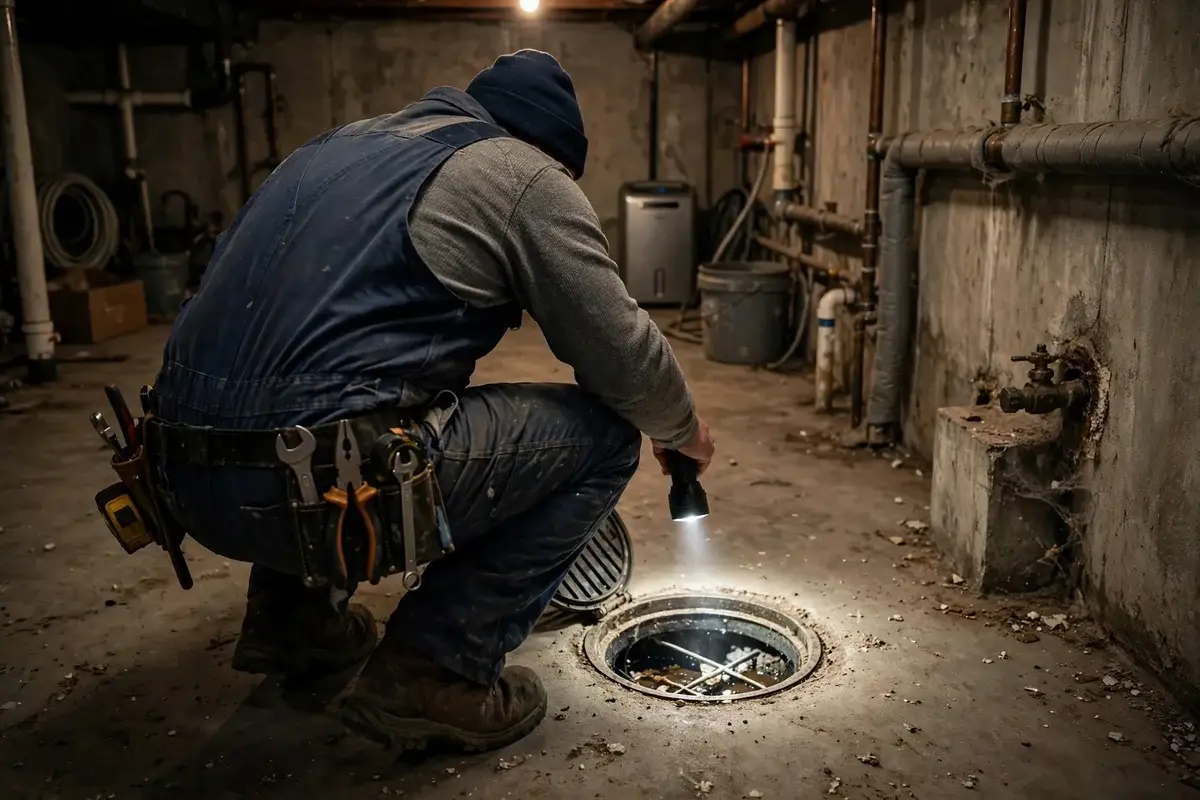
Every fixture shutoff and the main shutoff tested, because isolation is what turns a future emergency into a manageable repair.
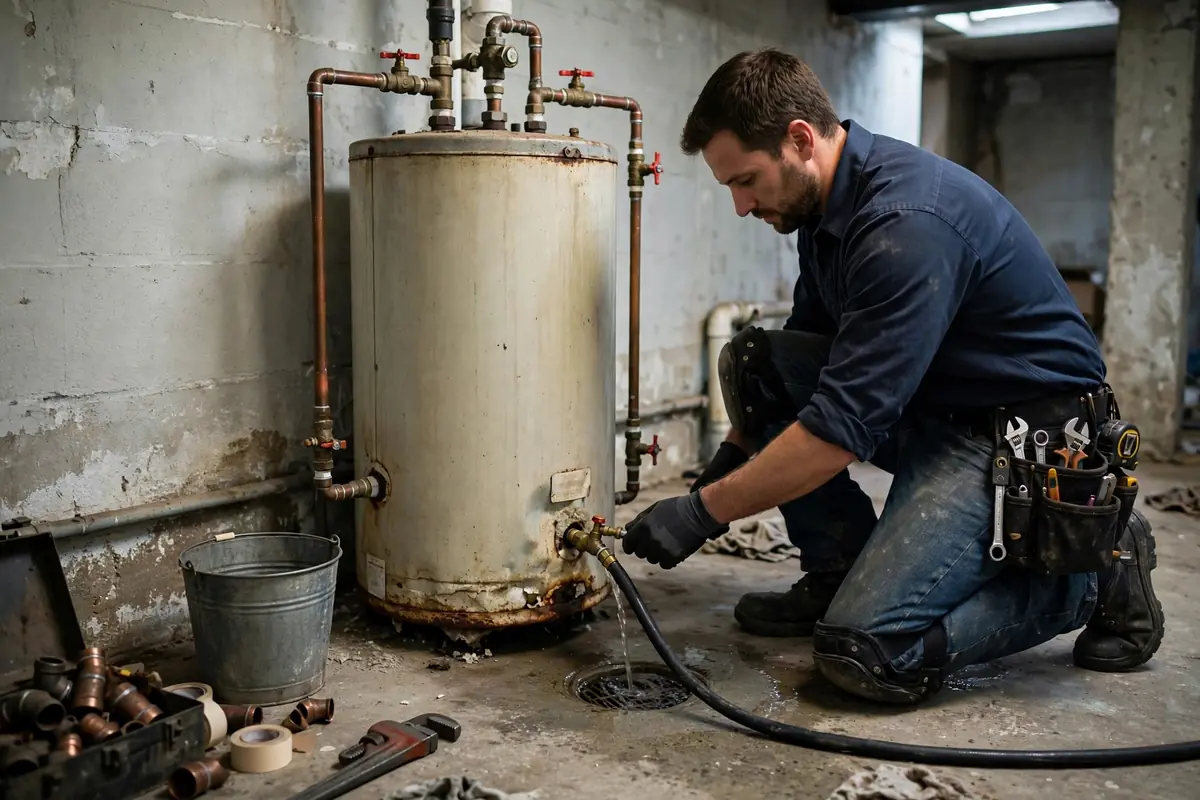
Visible leaks, corrosion, venting and operation checked, with age and capacity noted against household demand.
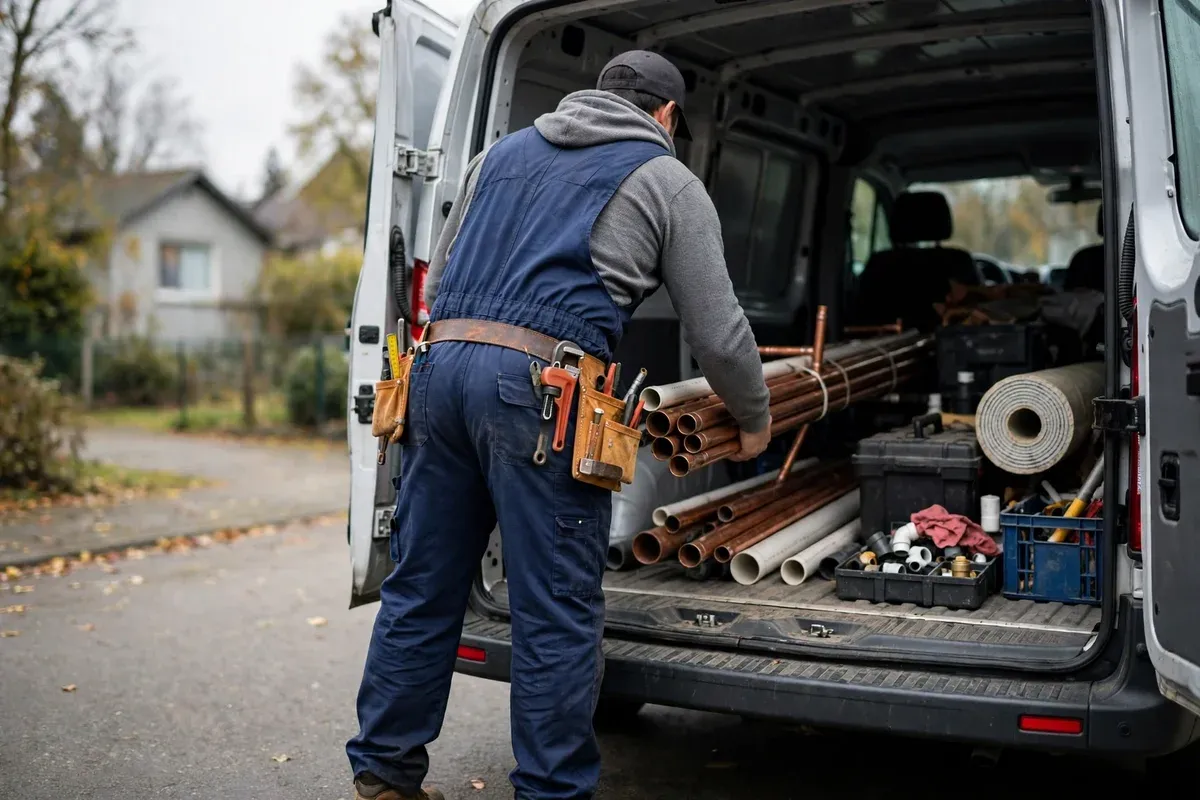
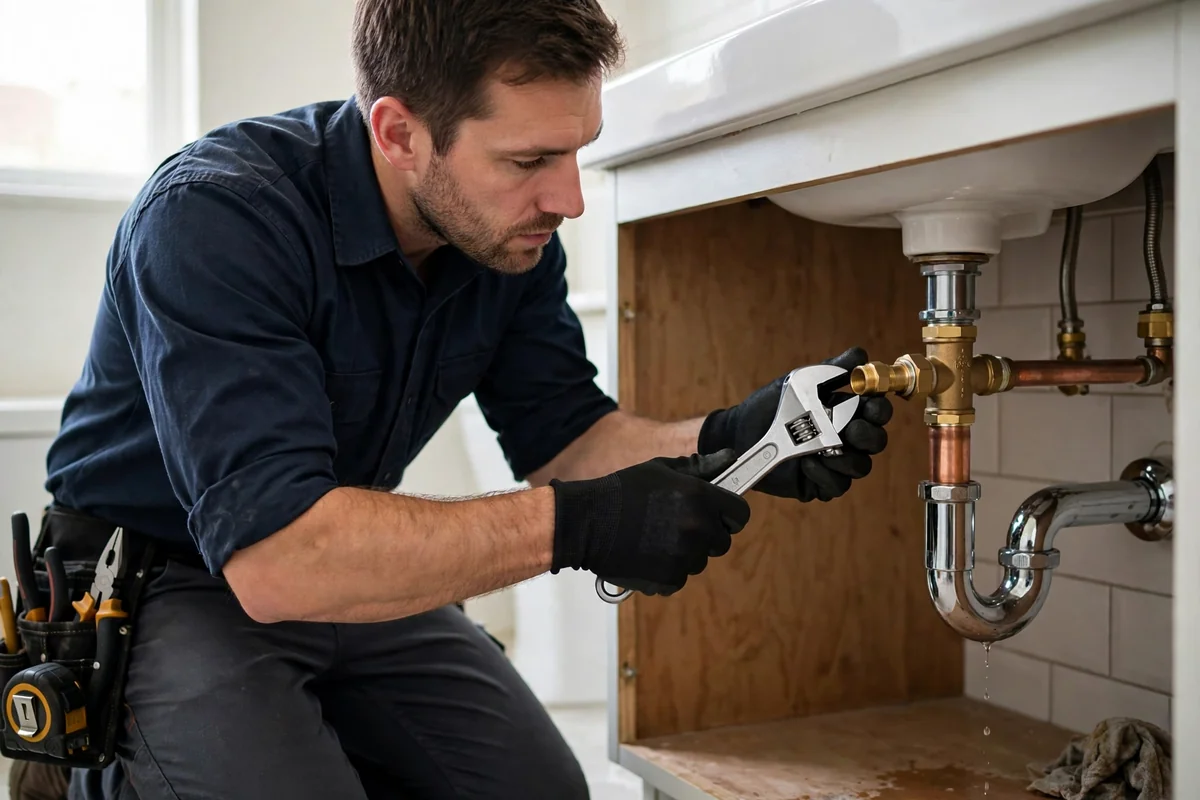
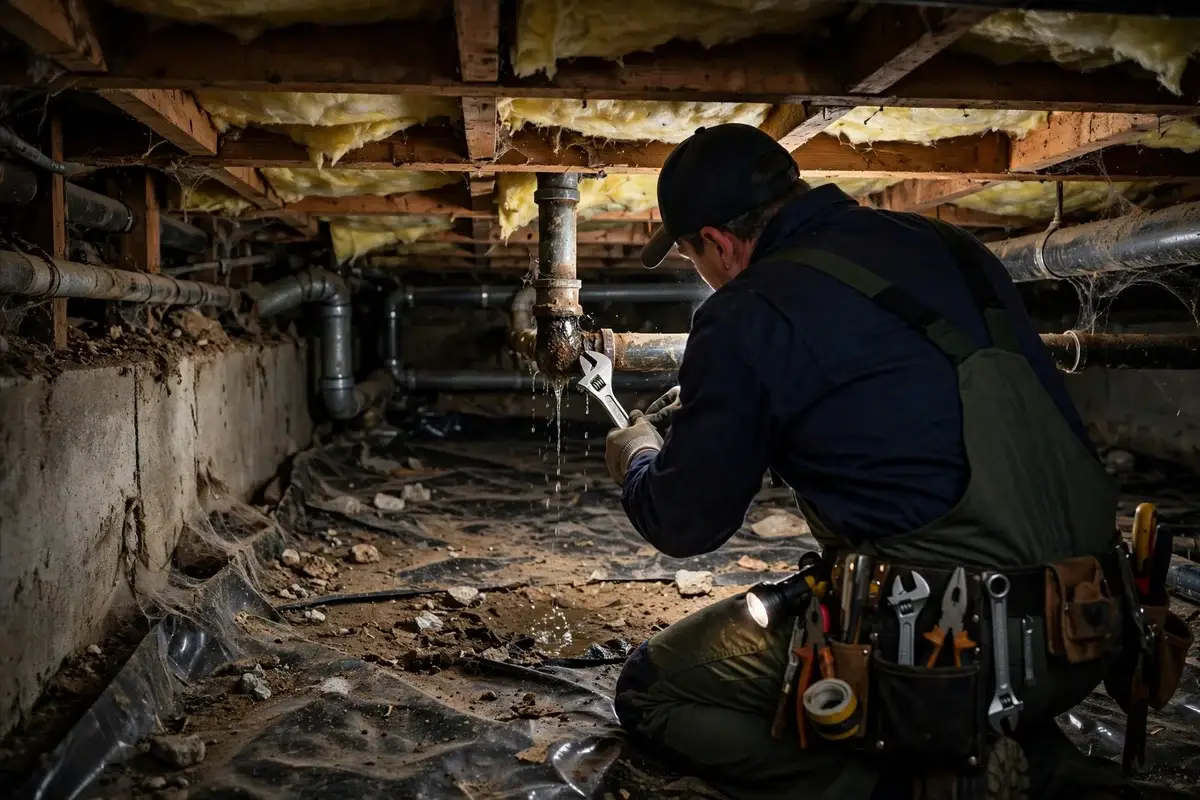
Under-cabinet areas, visible pipework and ceilings below bathrooms checked for damp, staining and silent leaks.
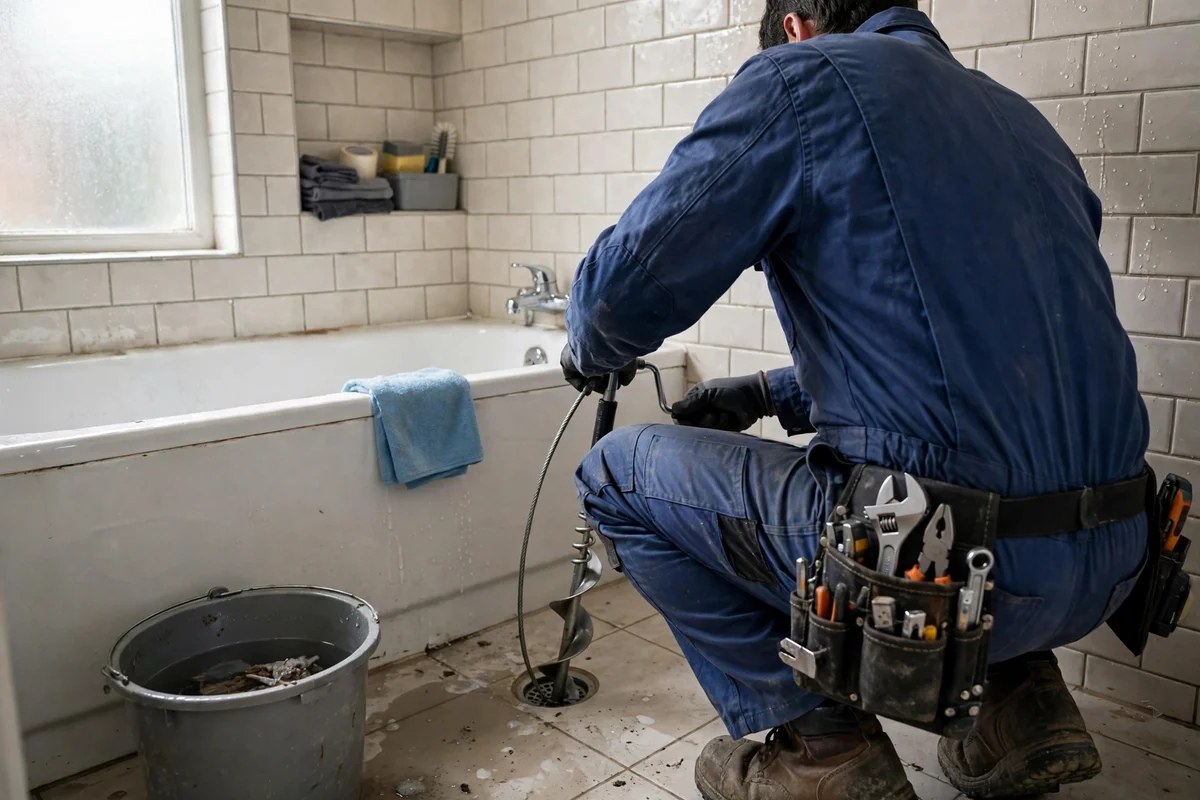
Findings reported in priority order, separating what needs attention now from what is merely wearing, so the homeowner can decide without pressure.
Maintenance findings in Conyers are judged against the 2024 International Plumbing Code with Georgia Amendments, effective 1 January 2026.
A first maintenance visit establishes a baseline: what is sound, what is wearing, and what the home's plumbing history actually is, rather than what its age suggests.
A pattern of small fixture and drain problems is often a system wearing together. A checklist visit finds the pattern, where single repairs only find the latest symptom.
A heater check notes age, condition and capacity against household demand, so replacement, when it is eventually needed, is planned rather than forced by a leak.
A maintenance report gives a seller or landlord a plain record of plumbing condition, and a buyer or tenant a basis for discussion, without a sales agenda.
Maintenance in Conyers is shaped by age and season. Mid-life and older homes carry the wear a checklist is designed to find, summer storms load drains and outdoor plumbing, and winter brings sharp freezes that test exposed pipework and outdoor taps. Rockdale surface water is generally soft, so scale is rarely the maintenance story here; wear, seals, traps and shutoffs are. Sewer and water arrangements vary by parcel, so a maintenance report is written for the parcel in front of us, not for a neighbourhood average.
A home had never had a plumbing check, and the homeowner assumed everything was sound because nothing was visibly broken.
The checklist visit found a toilet running silently and a supply line weeping under a cabinet. Both were reported in priority order and repaired as priced, separate jobs, before either caused damage.
Silent leaks are the maintenance visit's best catch. A running toilet and a weeping supply line cost little to fix early and much to ignore.
A homeowner had paid for several small fixture repairs over two years, each treated as an isolated failure.
A checklist visit showed the pattern: ageing supply components across several rooms wearing together. The report prioritised the worst first and gave the homeowner a plan, rather than another isolated repair.
Several small failures in a home are often one ageing system. A checklist finds the pattern that single repairs miss.
A water heater was ageing, and the homeowner worried it would fail without warning.
The maintenance check noted age, condition and capacity, and reported that replacement was not yet needed but should be planned. When replacement eventually came, it was a planned job, not an emergency.
A heater check does not always end in a replacement. Noting age and condition honestly is what makes the eventual replacement planned.
Maintenance exists for problems that are cheap early and expensive late. Here is what a checklist visit is designed to catch.
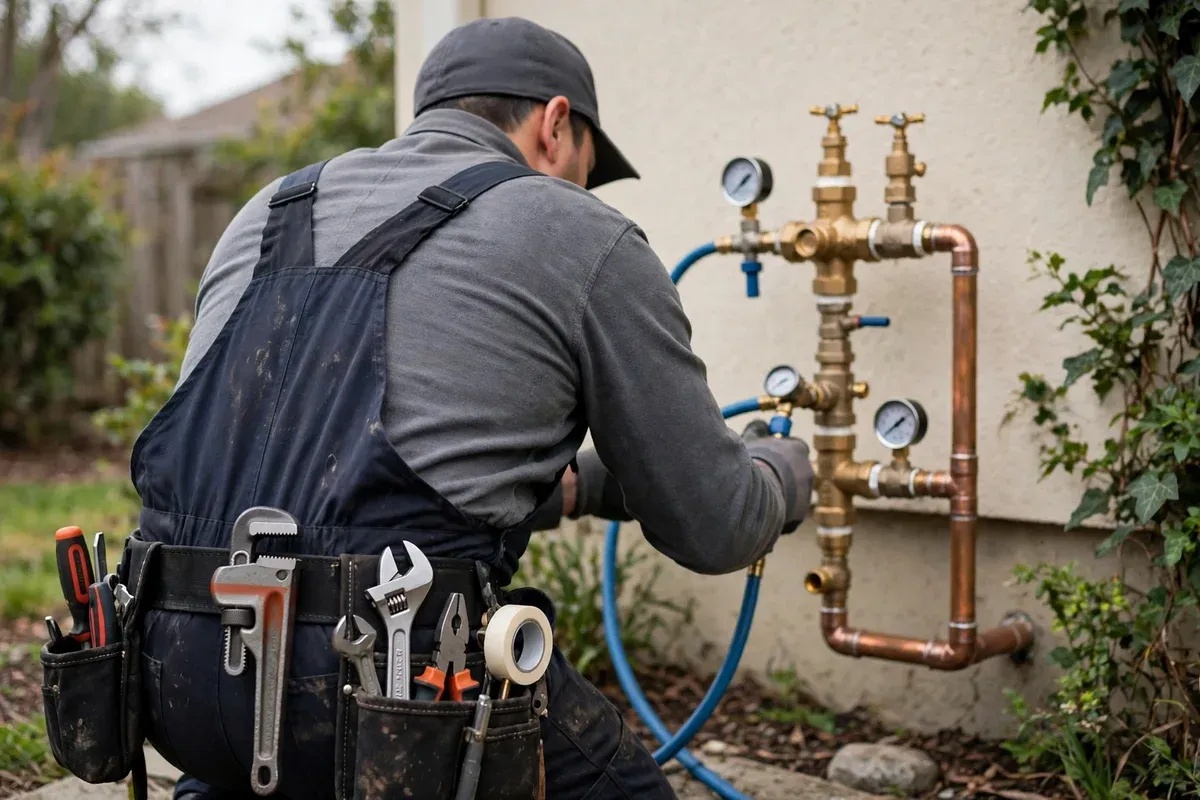
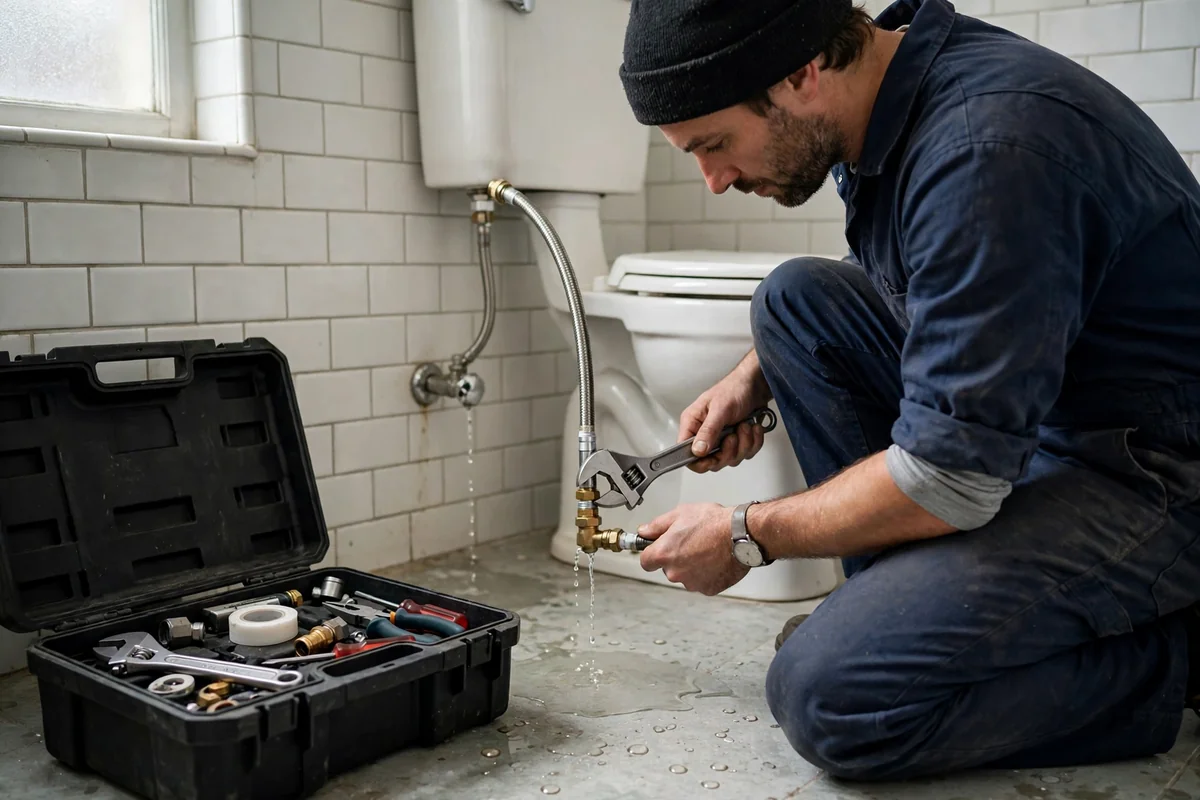
A toilet that runs silently wastes water for months. A checklist visit runs every toilet and catches the wear before the bill does.
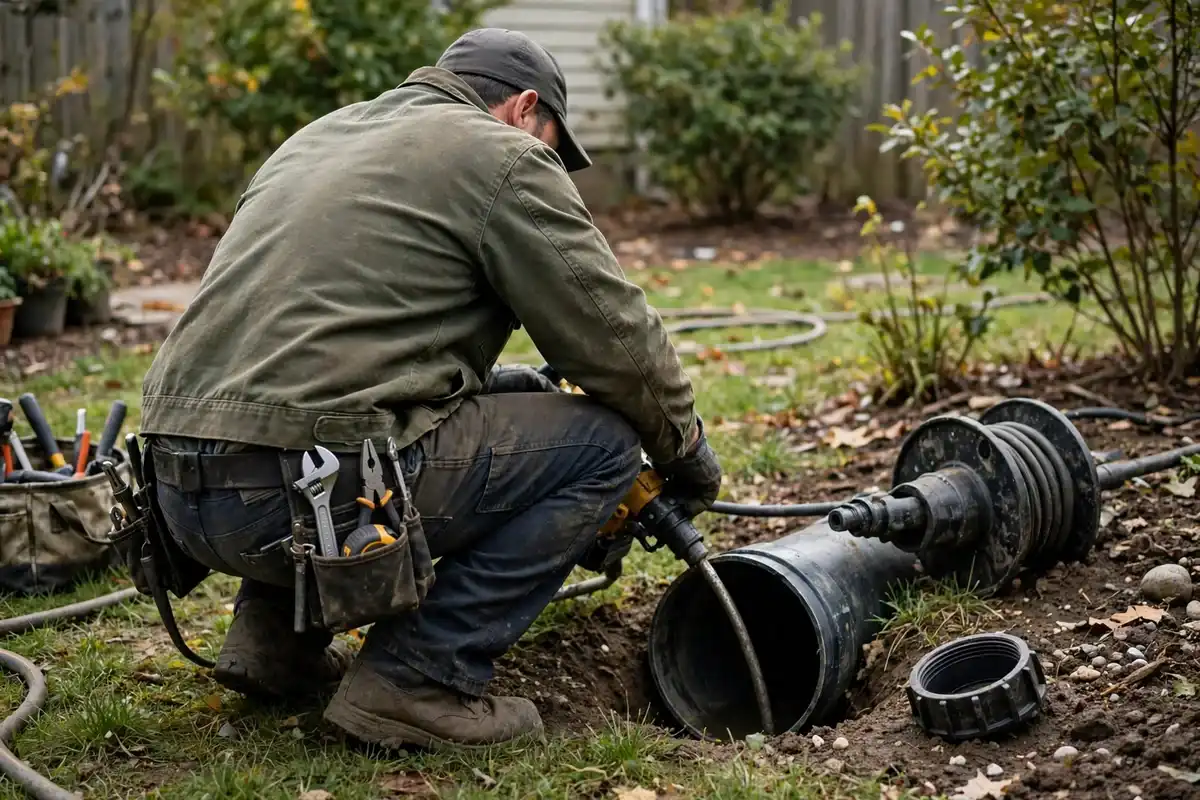
Supply lines and shutoffs that weep or will not close are found by checking, not by waiting for a flood. Both are reported in priority order.
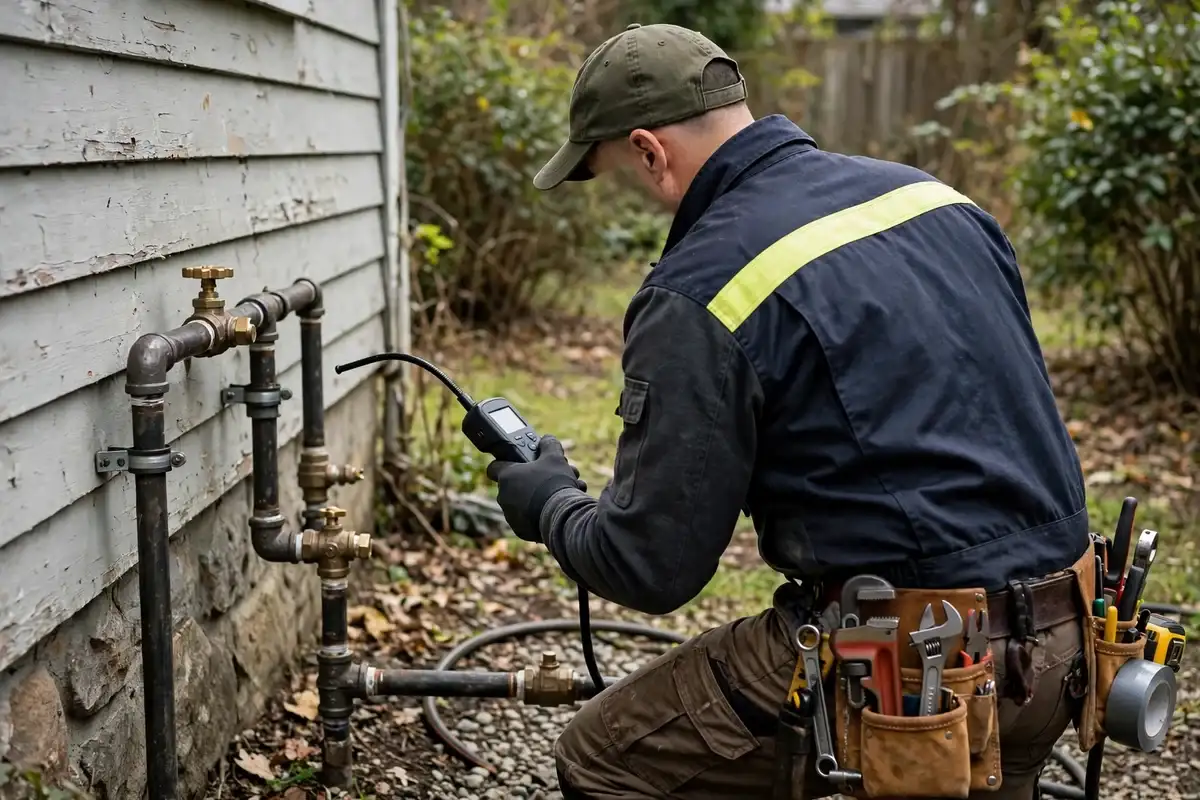
A drain that slows gradually is a coating or build-up problem in its early stage. Noting it early makes the eventual clear a small job.
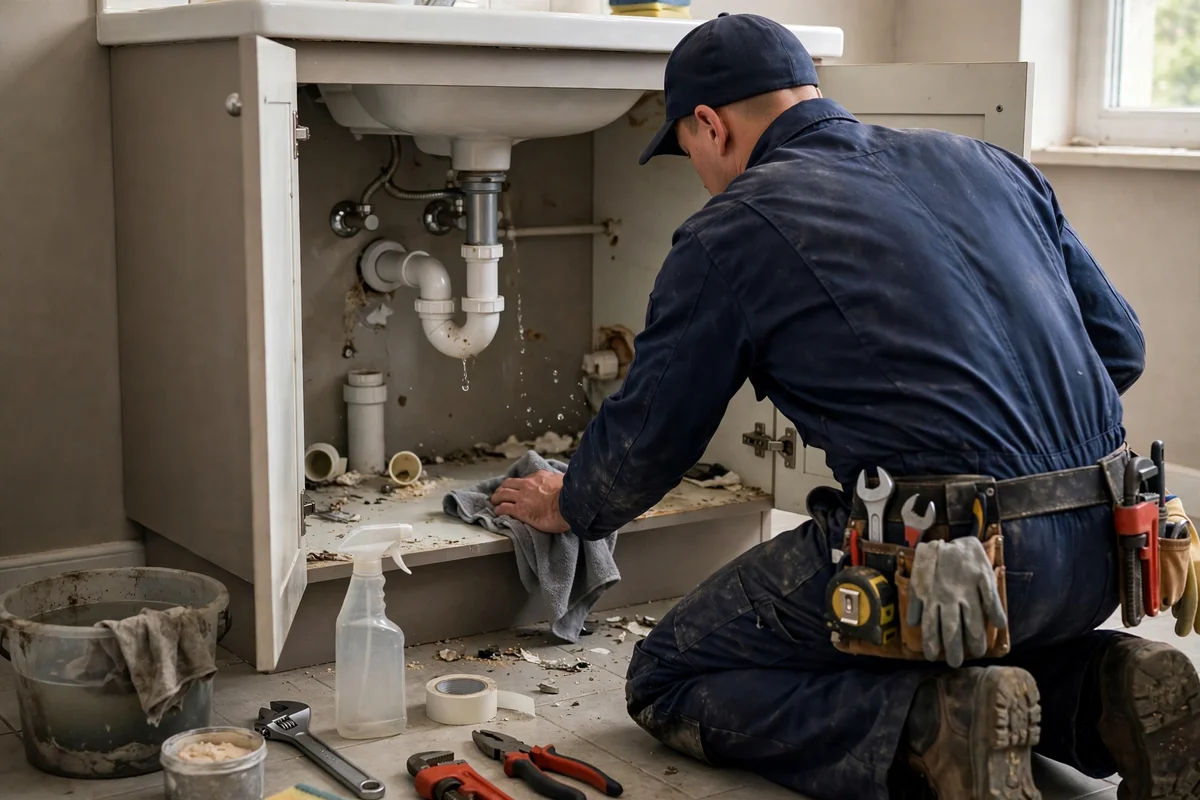
A heater's age, corrosion and capacity are noted together, so replacement is planned on evidence rather than forced by a leak.
Parts wearing out are reported before they break, when the repair is still small and the damage is still nil.
Findings are reported in priority order, separating what needs attention now from what is merely wearing, so decisions are made without pressure.
Any repair found is priced in writing as a separate job. A maintenance visit never bundles a repair by surprise.
No plan prices, terms or durations are published here. Call +1 770-897-1640 during business hours for plan details.
Records from the visit, written so you can keep and share them.
What was checked, what is sound, what is wearing, and what needs attention, in priority order
Any recommended repair listed separately, to be priced in writing before work
Plan prices, terms and durations are given on the call, not published here
Maintenance knowledge is mostly about timing: check before failure, and report without pressure.
Most plumbing fails gradually, not suddenly. A checklist visit is designed for gradual failure, and that is why it checks wear, not just breakage.
A maintenance report lists priorities. Each repair that follows is priced separately, and the homeowner decides, without the visit itself creating an obligation.
A home whose shutoffs work can isolate any future problem. A home whose shutoffs do not work cannot, and verifying them is part of every visit.
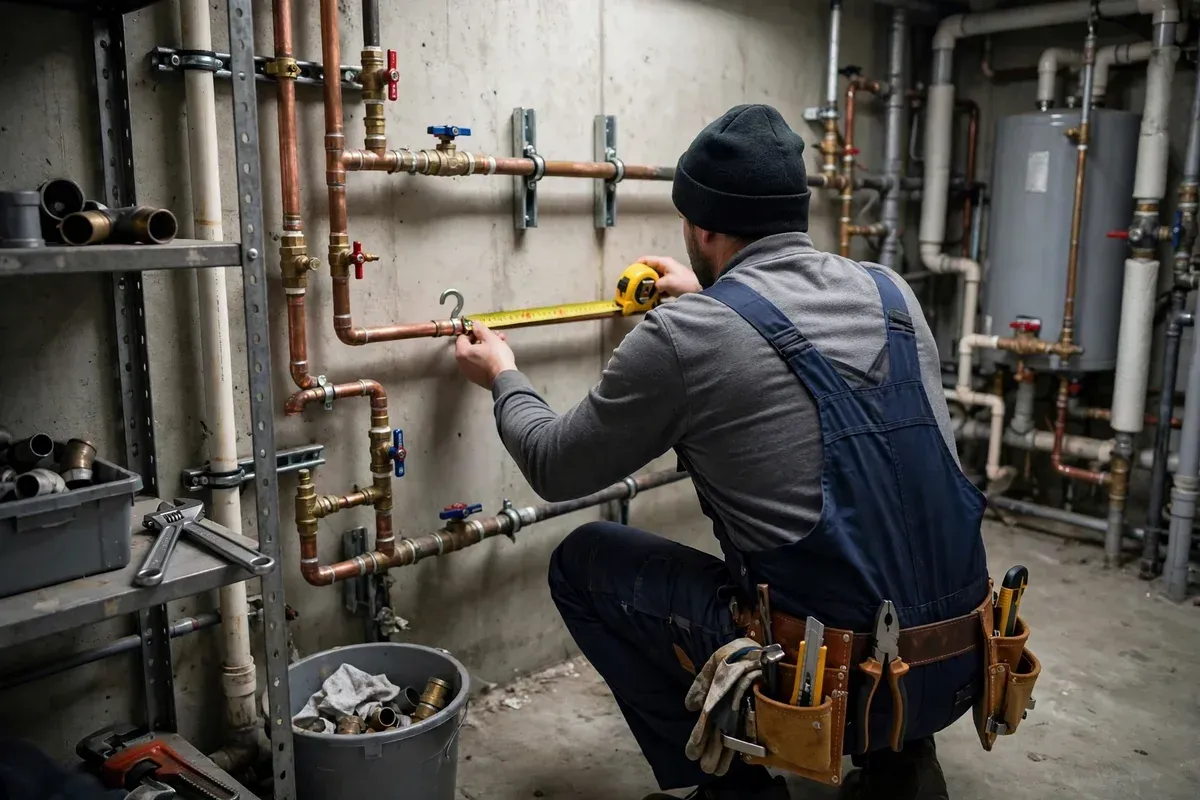
Conyers and the four areas above — call +17708971640 during business hours to confirm your address.
4.7 stars from 7 Google reviews · Read reviews on Google
No plan prices are published on this page. Call for plan details, and the price, terms and durations given on that call are the terms that apply. Any repair found during a visit is priced in writing separately before work.
Fixtures run and checked, drains flow-tested, supply lines and shutoffs verified, water heater checked, and visible pipework surveyed for damp and wear, with findings reported in priority order in plain language.
No repair promise is published on this page, and no repair is bundled into a visit by surprise. Repairs found during a visit are priced in writing as separate jobs, and the homeowner decides whether to proceed.
That depends on the home's age, system condition and use, and it is part of the plan details given on the call. Older and mid-life homes, which form much of Conyers stock, generally benefit from a regular planned check.
Home never checked, small problems adding up, or a heater ageing quietly? Call SoCo Plumbers at +1 770-897-1640 during business hours, Monday to Friday, 9 AM to 5 PM, and ask for plan details.
Call SoCo Plumbers at +1 770-897-1640. We are open Monday to Friday, 9 AM to 5 PM, and closed Saturday and Sunday. Ask for plan details, including what a visit covers, and we will give the terms on the call rather than publishing terms that were never supplied.