Failed-part finding
Which component failed, and why, in plain language
Bathroom plumbing is the plumbing most homes use most often, and its failures are the ones that waste water, stain ceilings and ruin mornings: a running toilet, a shower that will not drain, a tap that drips all night. SoCo Plumbers repairs and installs bathroom toilets, showers, tubs, sinks and drains across Conyers, with diagnosis first and a written price before work. SoCo Plumbers is open Monday to Friday, 9 AM to 5 PM, and closed Saturday and Sunday. If you call outside those hours, call again during business hours.

Bathroom work covers the fixtures and drains a bathroom actually contains, and the supply and waste plumbing behind them. Each fixture is diagnosed on its own terms, because a running toilet and a slow shower drain have nothing in common but the room they share.
Conyers bathrooms span 1990s subdivision bathrooms, older Olde Town bathrooms with ageing pipework, and remodelled bathrooms where new fixtures meet old supply lines. Each type fails differently, and diagnosis respects that difference.
Small commercial bathrooms in offices, retail and restaurants need the same fixture and drain work as homes, with the added pressure of public use. We keep commercial bathroom work to small-premises fixtures and drains, and we do not claim large commercial restroom contracts here.
A bathroom is a compact system: hot and cold supply lines feed taps, showers and toilets, each fixture has a trap that holds water against sewer gas, and each drain joins a waste stack that must vent correctly to drain at all. When one part of that system fails, the symptom is local, but the cause may not be: a slow shower drain can be hair in the trap, a vent problem, or a main-line issue, and each one is fixed differently. Conyers adds an age dimension, because a city median year built of 1993 and a county median of 1990 mean many bathrooms still run on original supply lines and traps, while remodelled bathrooms pair new fixtures with older pipework that may not match them. Diagnosis, not fixture replacement on suspicion, is what sorts those cases out.
Two bathroom jobs deserve a special mention because they are so often misdiagnosed. A running toilet is usually a fill valve or flapper problem, not a toilet problem, and our guide to fixing a running toilet explains the check in full. A slow bathroom sink, meanwhile, is often hair and soap in the trap, and the kitchen-sink unclogging guide's gentle methods apply in spirit, though bathroom traps deserve their own check. For the supply and waste work that sits behind every bathroom fixture, plumbing repairs are the related service to read first.
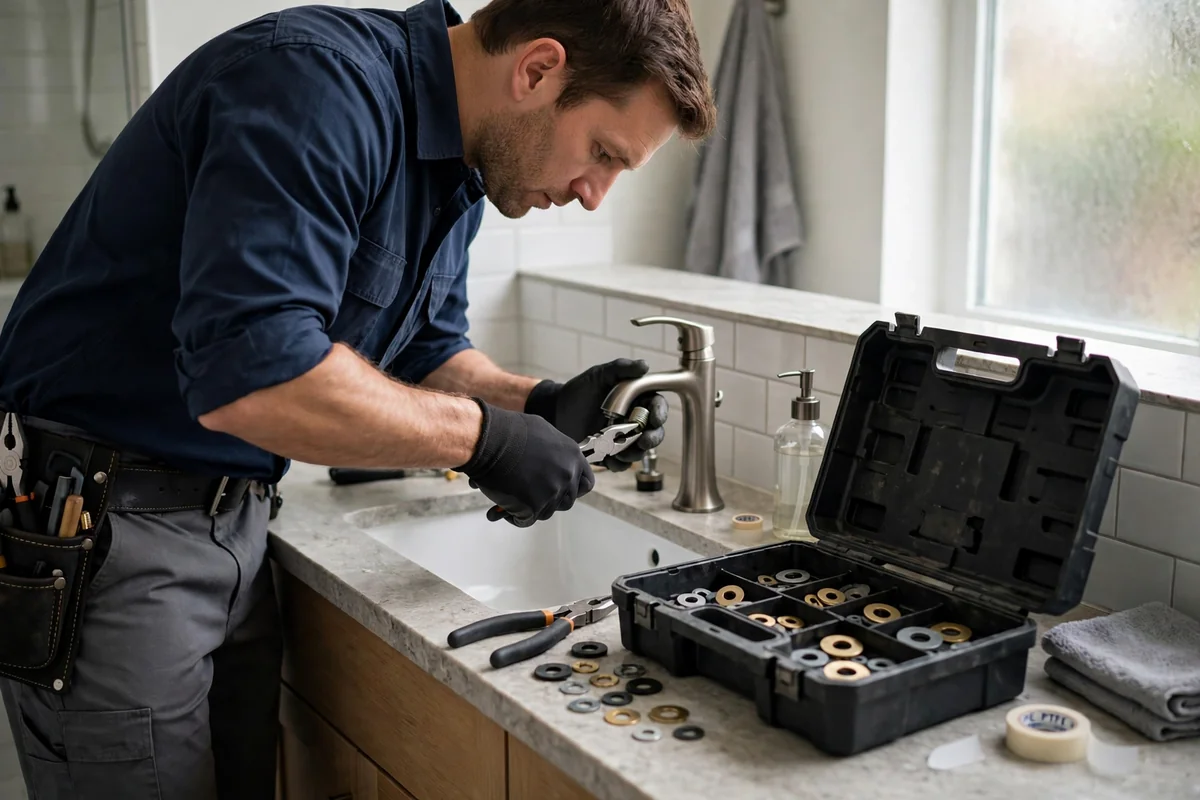
Most bathroom failures are a single worn part, and finding that part is most of the job.
Look, test, price, fix, prove. Fixtures are replaced only when the failed part says so.
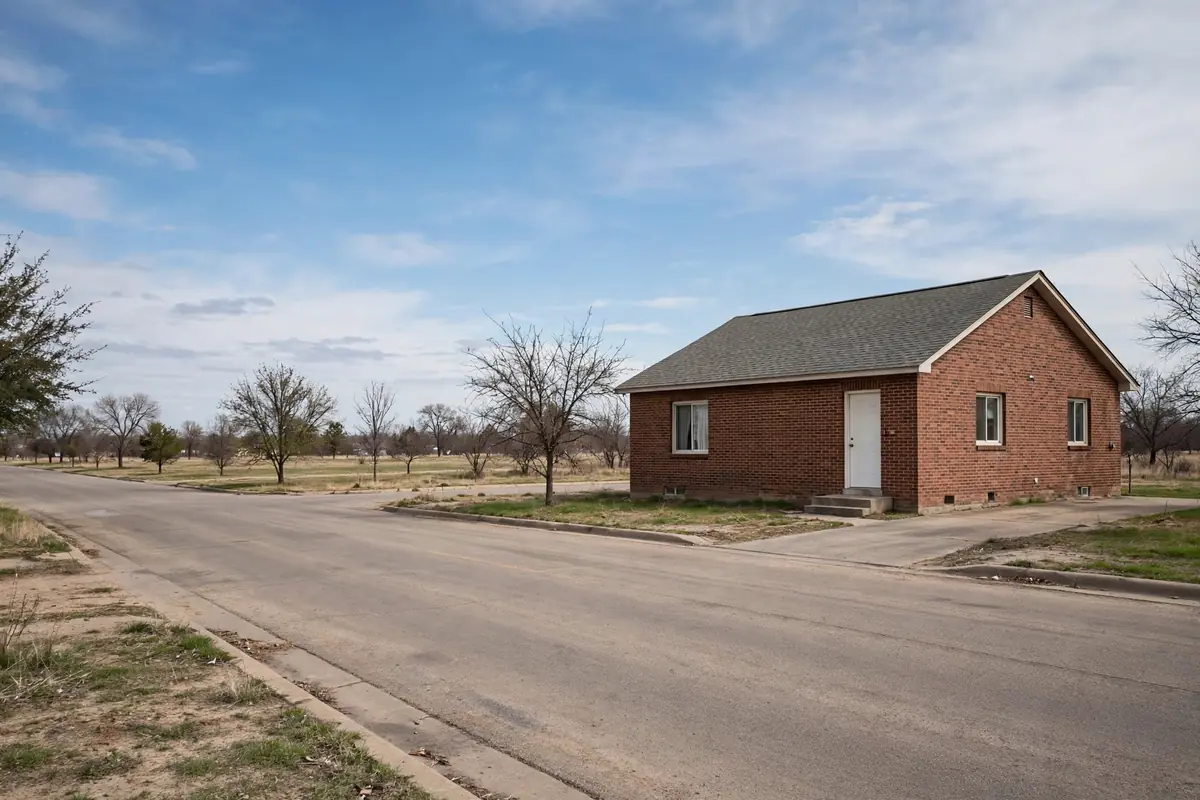
Call +1 770-897-1640 during business hours and tell us the fixture, the symptom, and how long it has behaved that way. A running toilet, a dripping tap and a slow drain each point to a different first check.
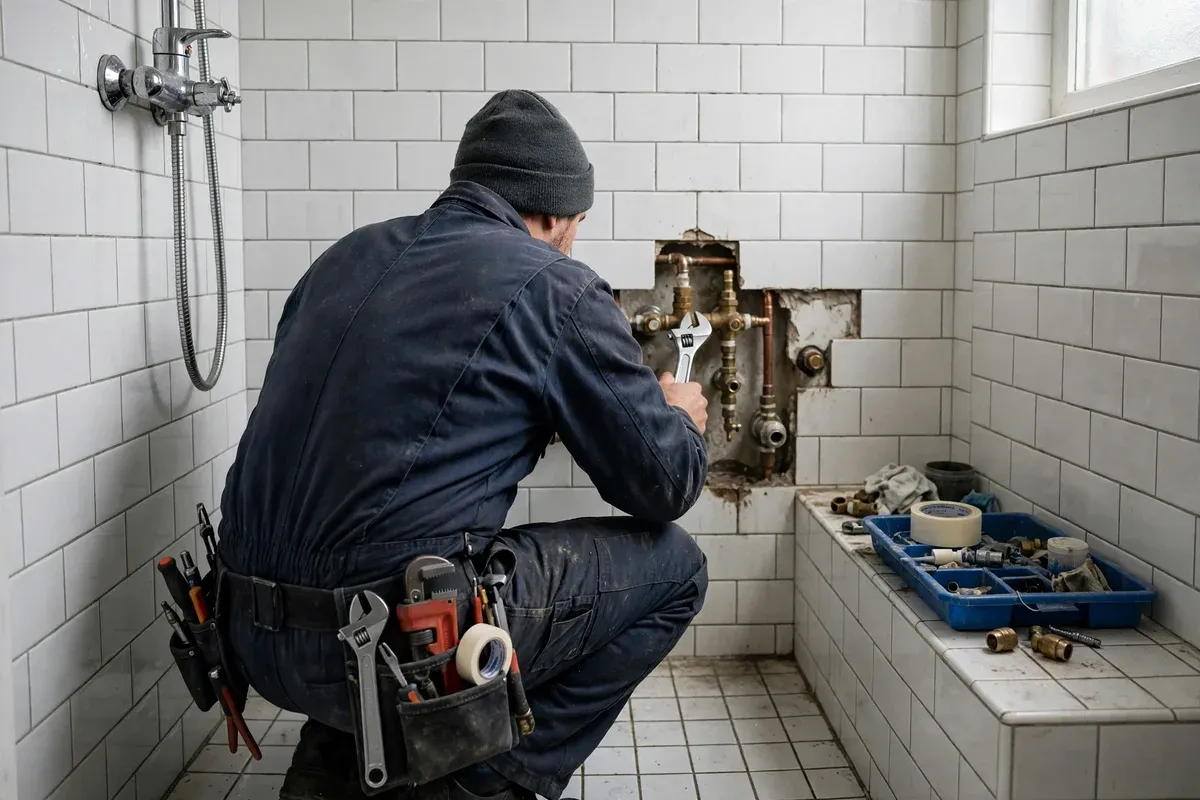
On site we inspect the fixture, its supply, trap, seal and shutoff, and we test it in operation. A toilet is flushed and watched, a tap is run, a drain is timed.
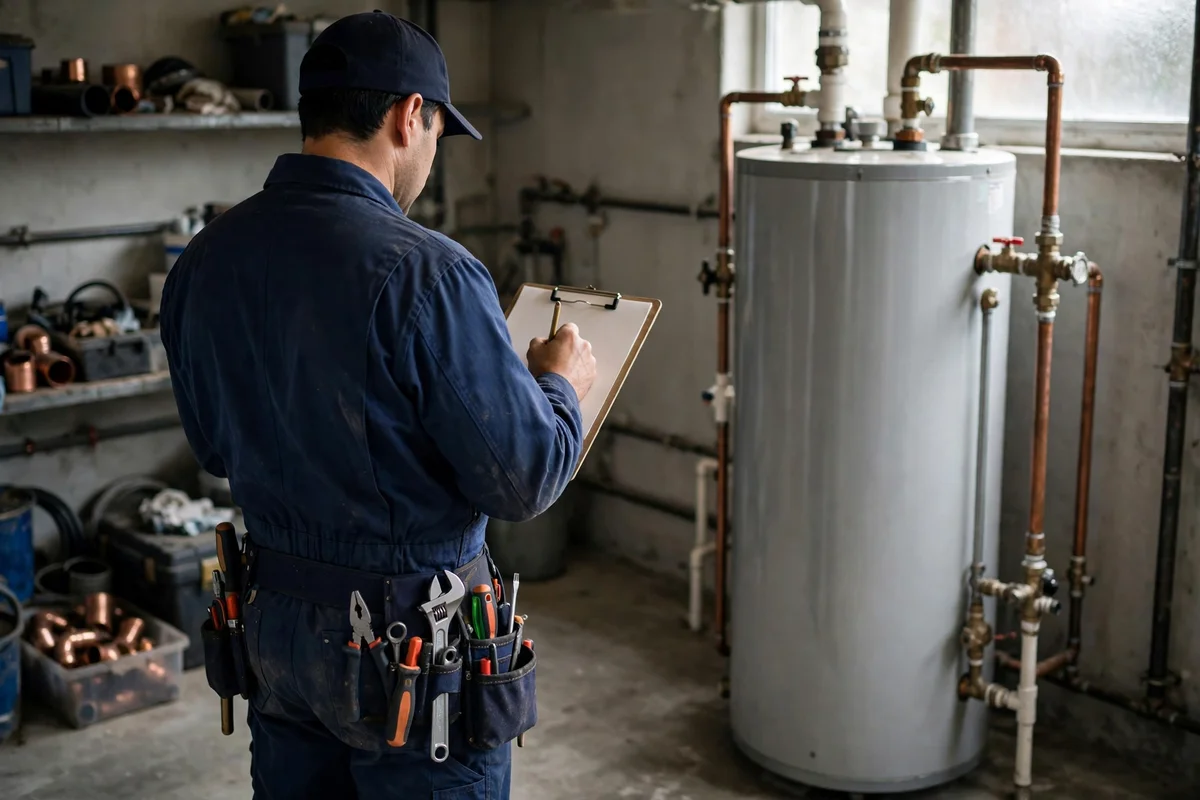
You get the scope and the price in writing before work starts, including whether repair of a part or replacement of a fixture is the honest answer.
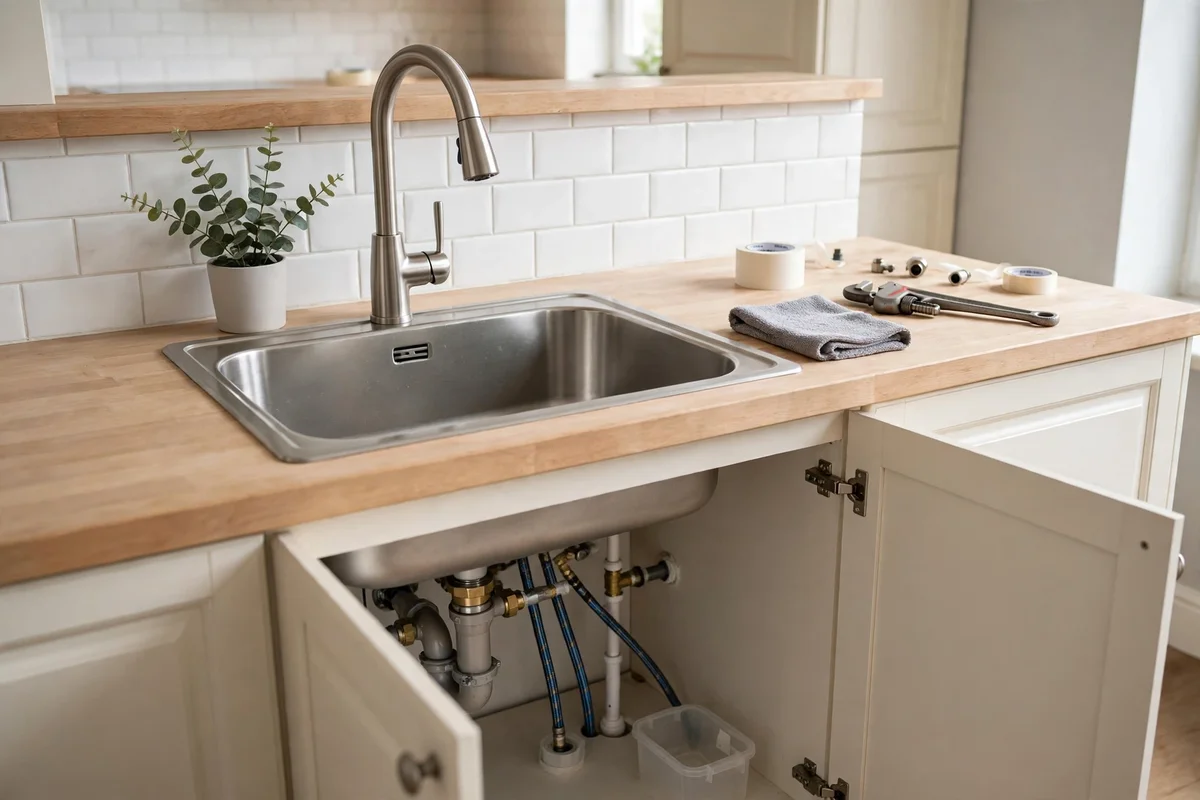
We repair the failed component or install the new fixture, with seals, traps and shutoffs checked as part of the job, not as an afterthought.
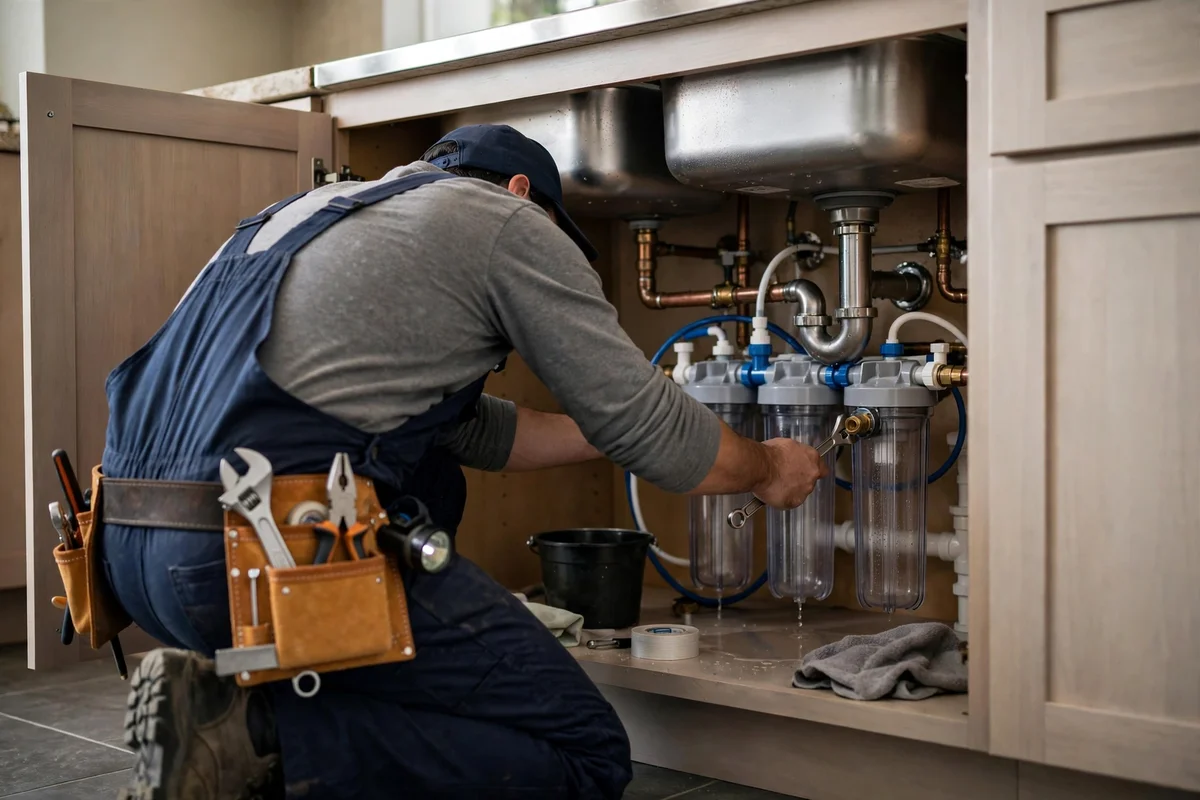
We test the finished fixture in operation, check for leaks at every joint touched, and leave the bathroom clean, with old parts shown to you.
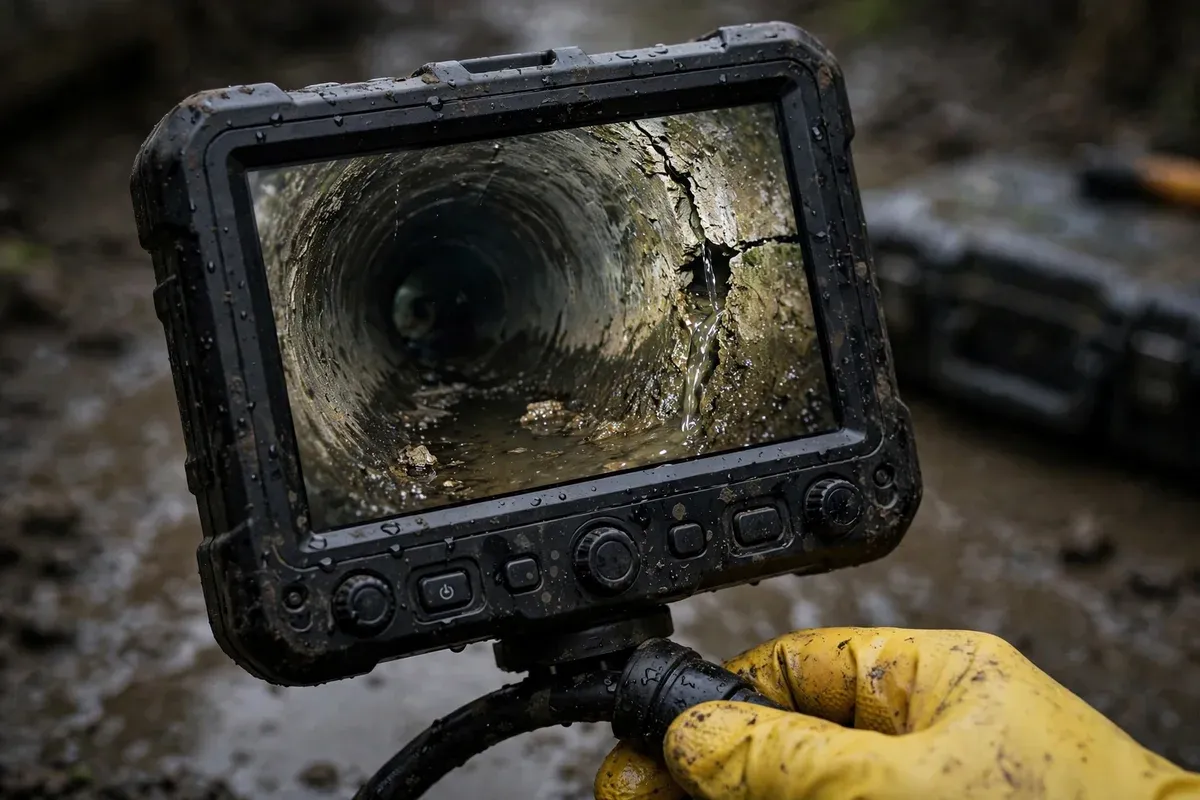
Toilets are flushed and watched, taps are run, drains are timed. A fixture tested in operation reveals its failure in a way a visual look cannot.
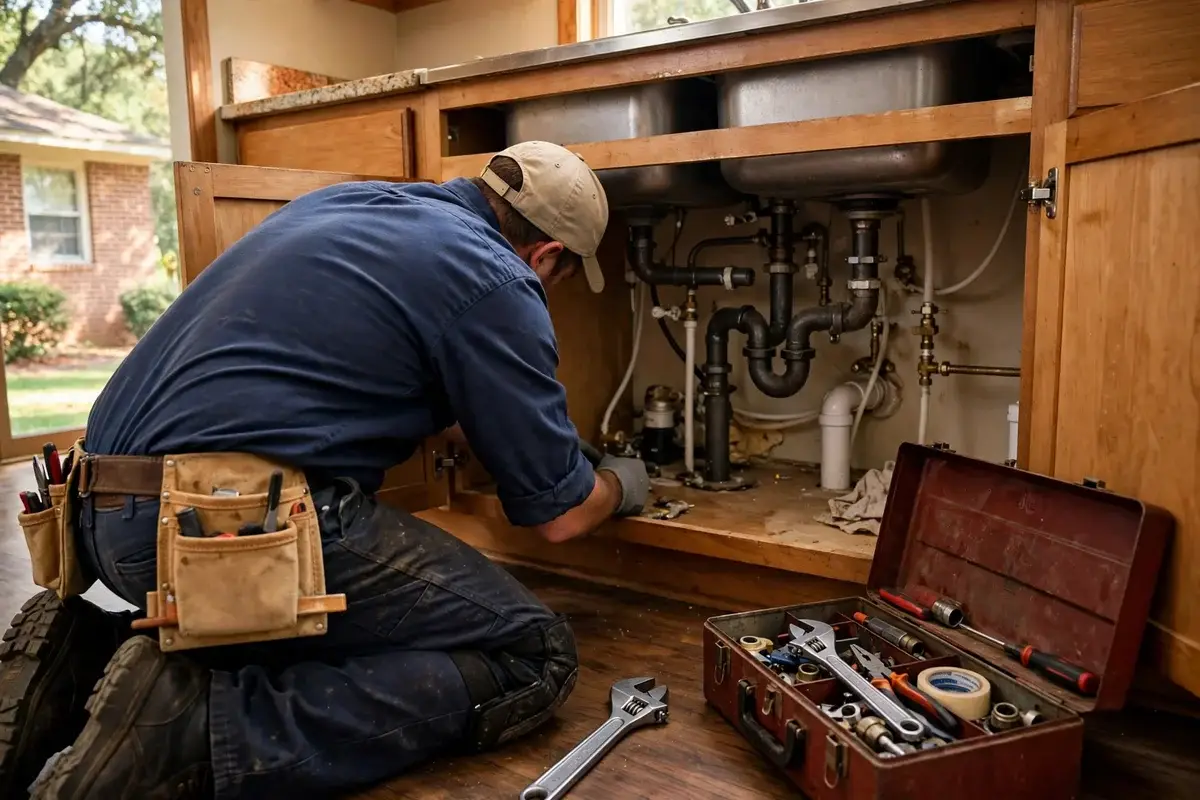
Fill valves, flappers, seals and supply lines are tested individually, so a running toilet is fixed at the failed part, not by replacing the whole toilet.
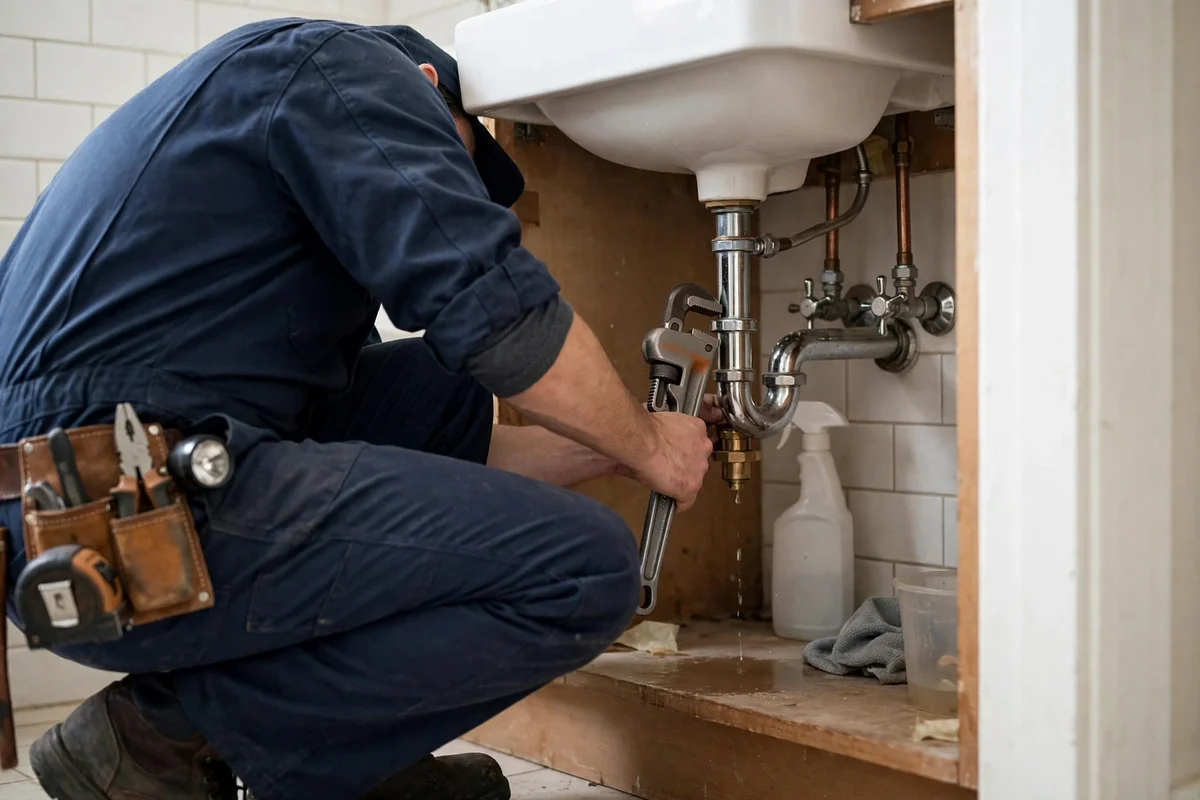
Traps are checked for build-up, damage and correct assembly, and drains are cleared and flow-tested rather than cleared on hope.
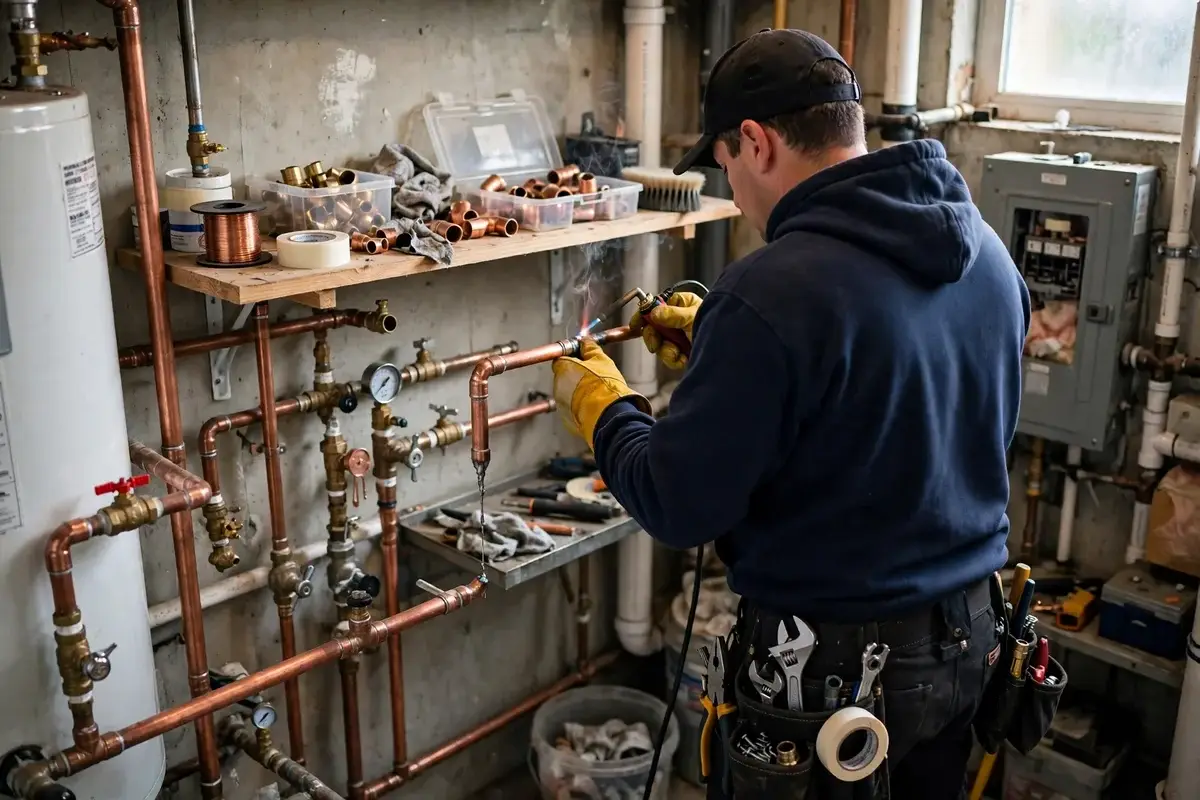
Shower valves are diagnosed to cartridge, seal or valve body, and the failed part is replaced with the matching component.
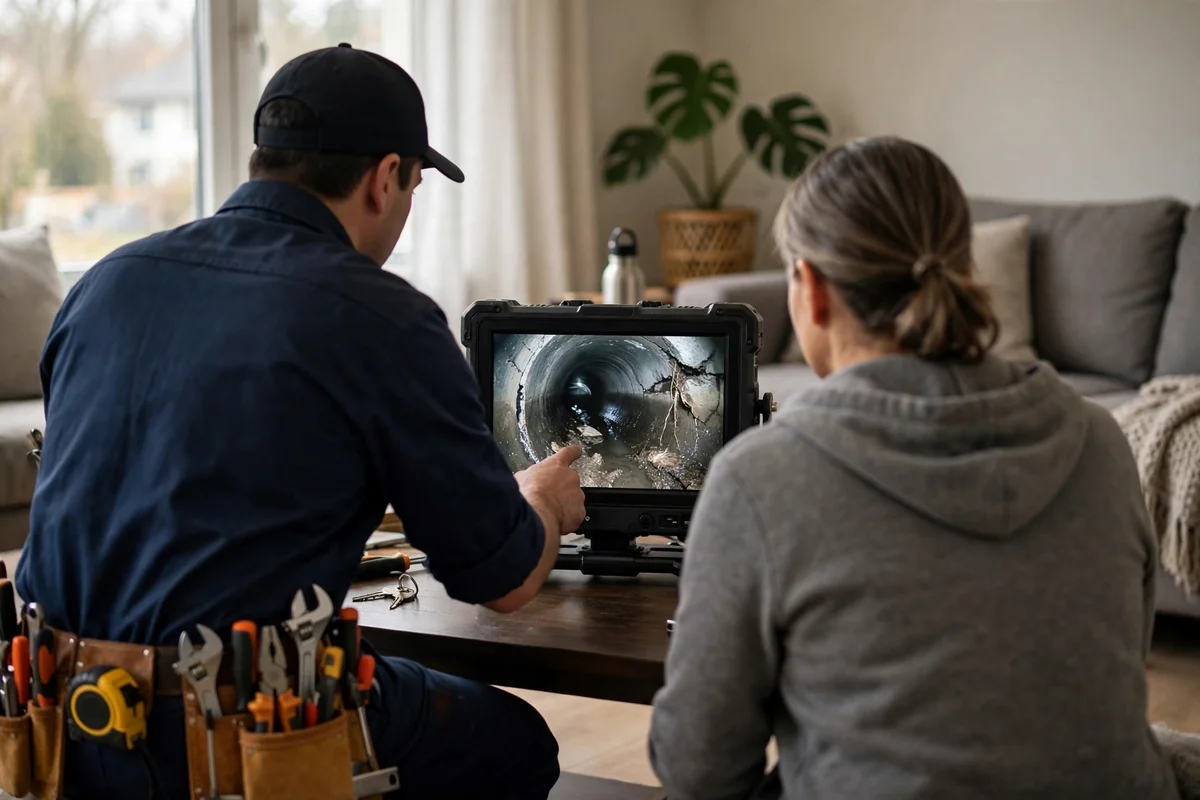
Damp and staining are traced to seal, supply, drain or enclosure, using dye and inspection where a visual check cannot separate the causes.
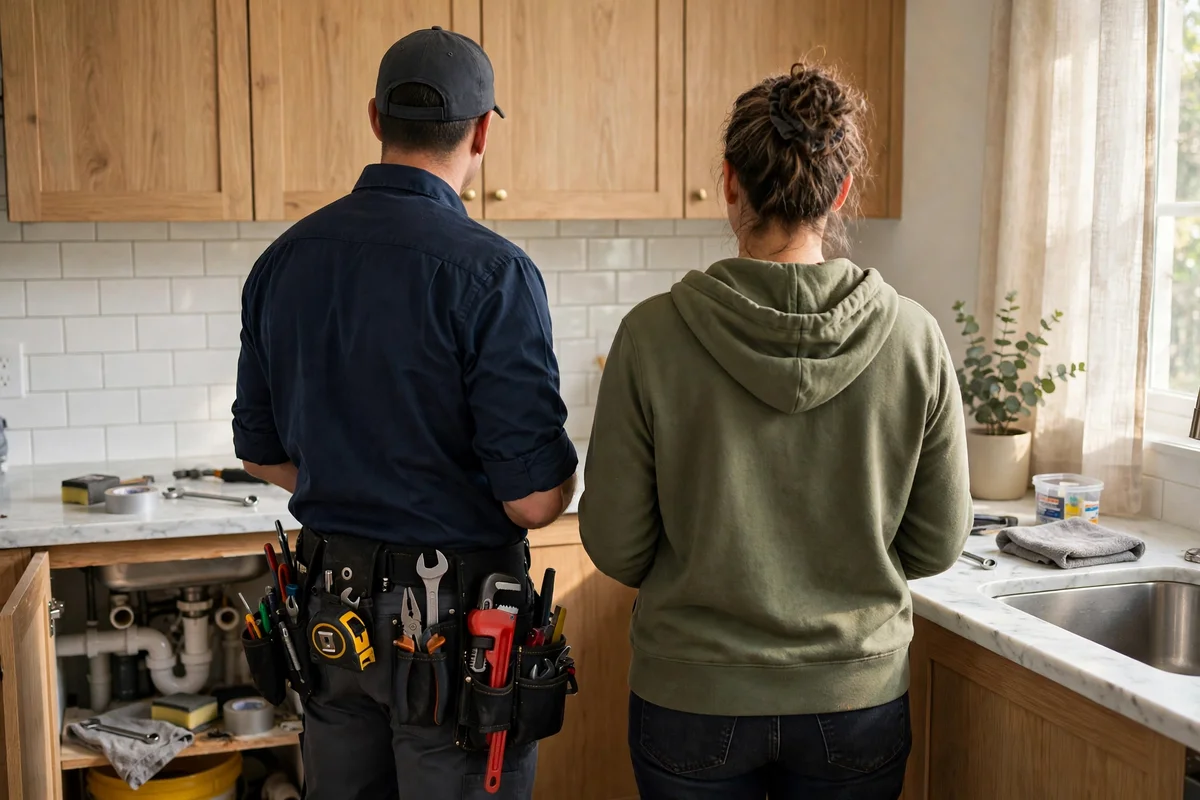
Toilet bases are checked for rock, seal condition and floor condition, because a rocking toilet destroys its own seal if it is simply re-caulked.
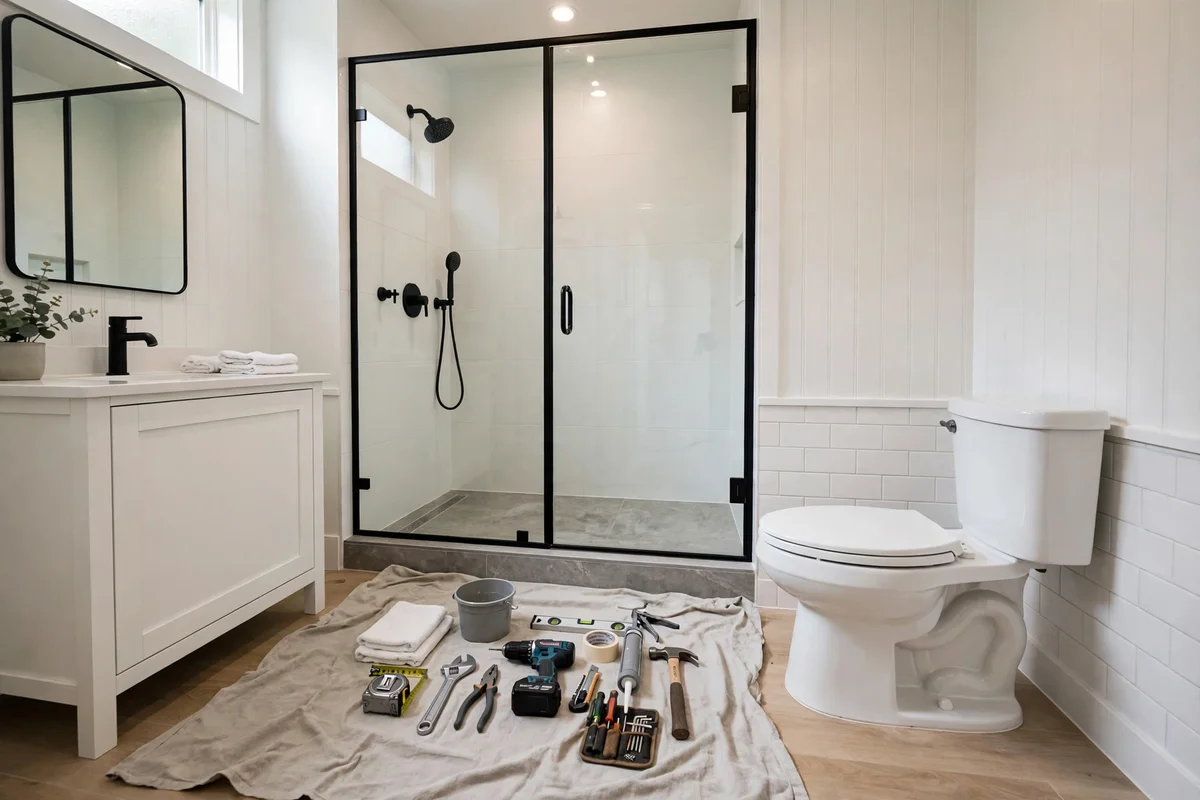
Fixture shutoffs are verified as part of every bathroom job, so a future repair does not require shutting the whole house down.
Bathroom work in Conyers follows the 2024 International Plumbing Code with Georgia Amendments, effective 1 January 2026.
We test fill valve, flapper and overflow level in turn. Most running toilets are a single failed component, and that component is the repair.
We diagnose the shower valve to cartridge or valve body, check supply balance, and explain whether a part or a valve replacement is the answer.
We check the trap and pop-up assembly for hair and soap build-up, clear it, and flow-test the drain before leaving.
We trace the damp to its source, whether a toilet seal, a tub drain, a shower enclosure or a supply line, before any repair is priced.
Bathroom plumbing in Conyers is shaped by the same age story as the rest of the city's plumbing: a 1990s median build, a significant 1970s cohort, and remodels that pair new fixtures with older supply and waste lines. Older bathrooms more often present seal, trap and supply-line failures, while newer bathrooms more often present fixture-component failures. Water and sewer arrangements vary by parcel, so a bathroom drain problem is never assumed to be a city sewer problem without checking.
A toilet ran intermittently all night, wasting water and keeping the household awake. The homeowner assumed the whole toilet needed replacing.
Testing showed a worn flapper that no longer sealed. The flapper was replaced, the flush was tested several times, and the toilet was left silent between flushes.
A running toilet is usually a part, not a toilet. Test the flapper and fill valve before replacing anything.
A damp patch appeared on the ceiling below an upstairs bathroom, and the homeowner feared a major pipe failure.
Tracing showed a failed toilet seal, not a broken pipe. The seal was replaced, the base was levelled, and the ceiling was left to dry with the source removed.
Damp below a bathroom is traced before it is repaired. A seal, a drain and a supply line are different repairs with different prices.
A shower dripped constantly and ran cold when another tap was used, and the homeowner had lived with both problems for months.
Diagnosis showed a worn shower cartridge and a supply-balance issue. The cartridge was replaced, the balance was checked, and the shower was tested with other taps running.
A dripping shower and a temperature problem can share a valve cause. Diagnose the valve before replacing the shower.
Bathroom problems are common, local, and usually part-level. Here is how each one is approached.
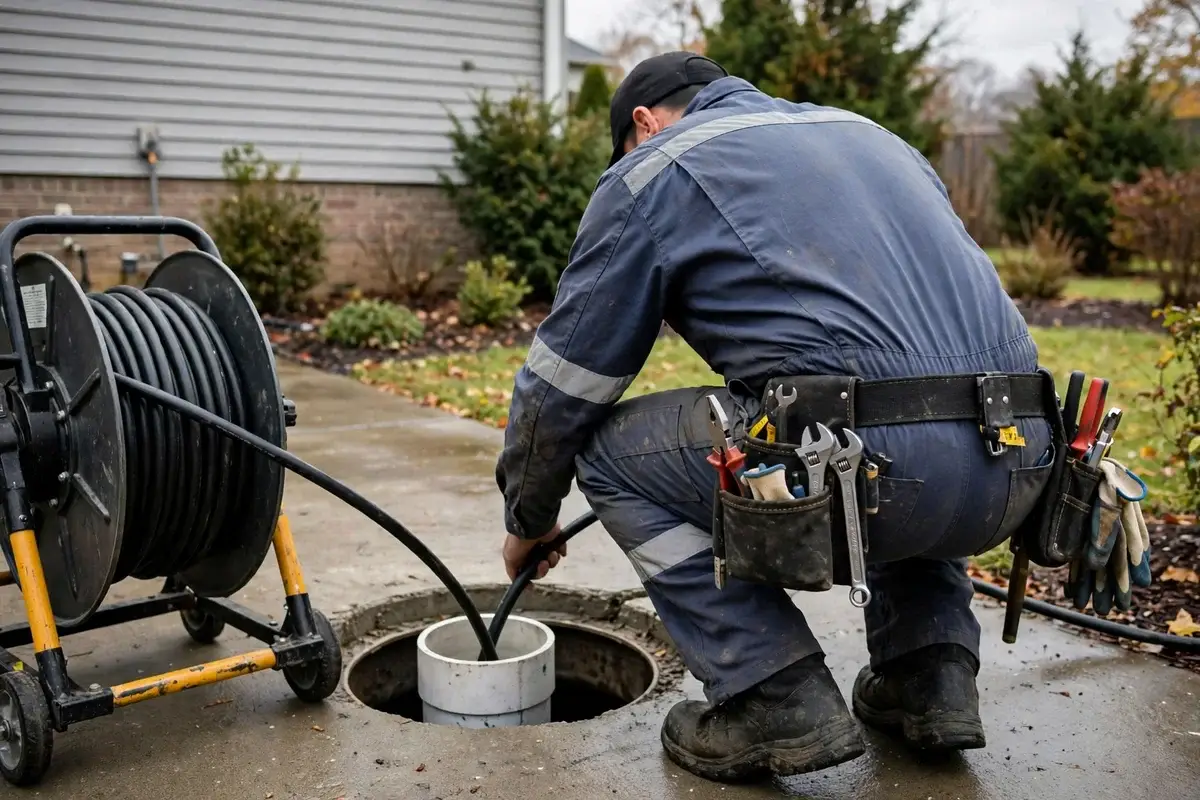
We test fill valve, flapper, overflow level and seal in turn, and repair the failed part. A toilet is replaced only when the fixture itself, not a component, has failed.
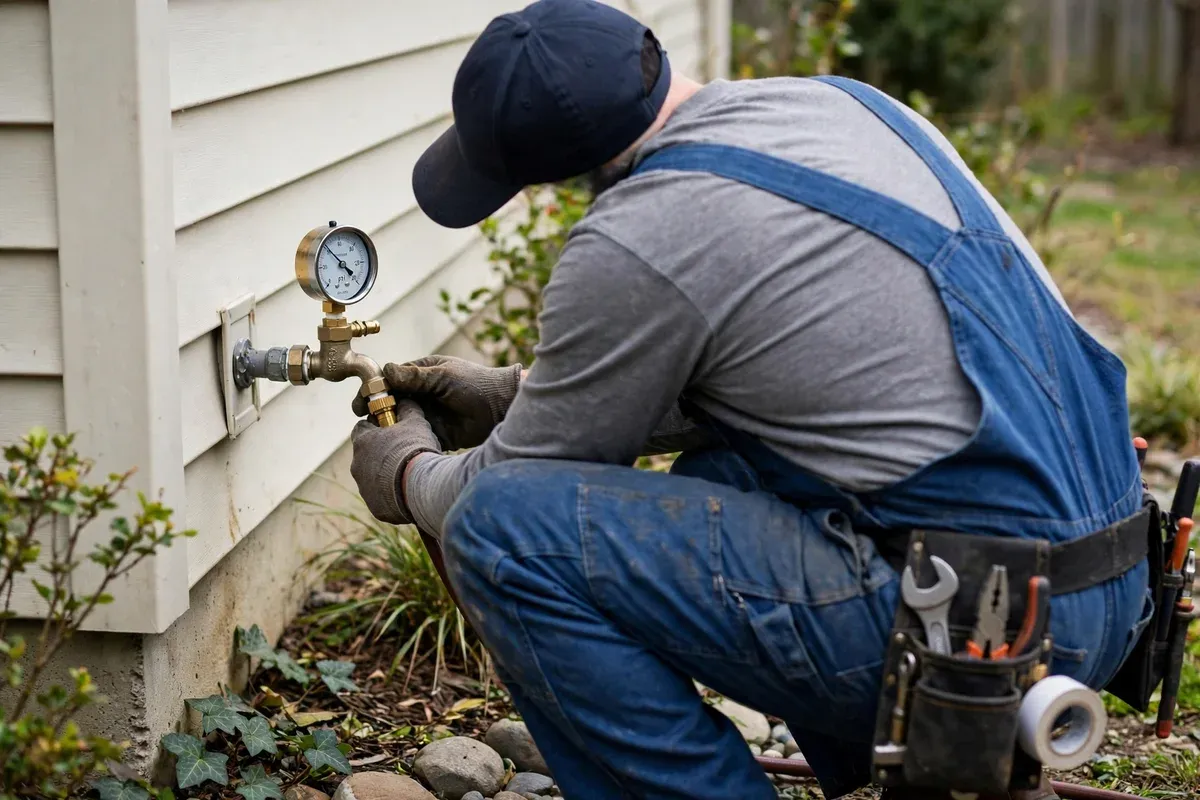
We diagnose the tap or shower valve to cartridge, washer or valve body, and replace the failed part with the matching component.
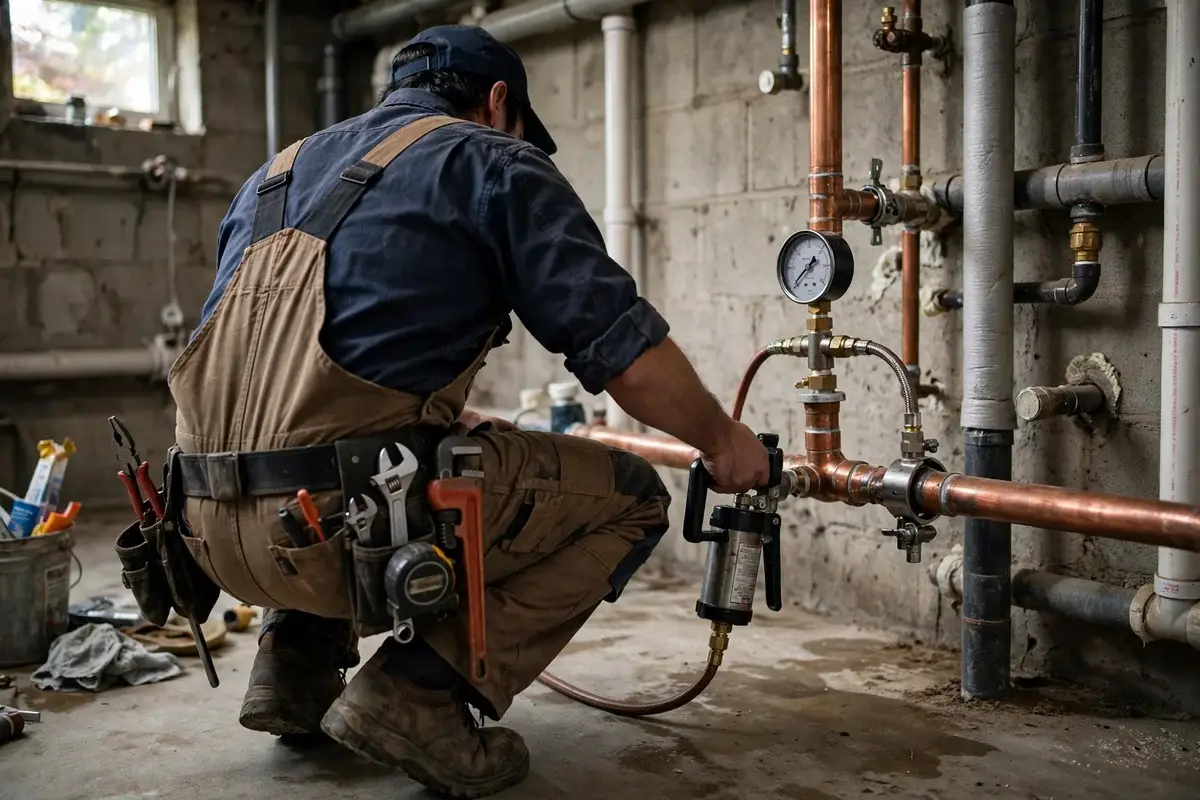
We check trap and pop-up for hair and soap build-up, clear it, and flow-test the drain. Where clearing reveals damage, the damage is explained and priced separately.
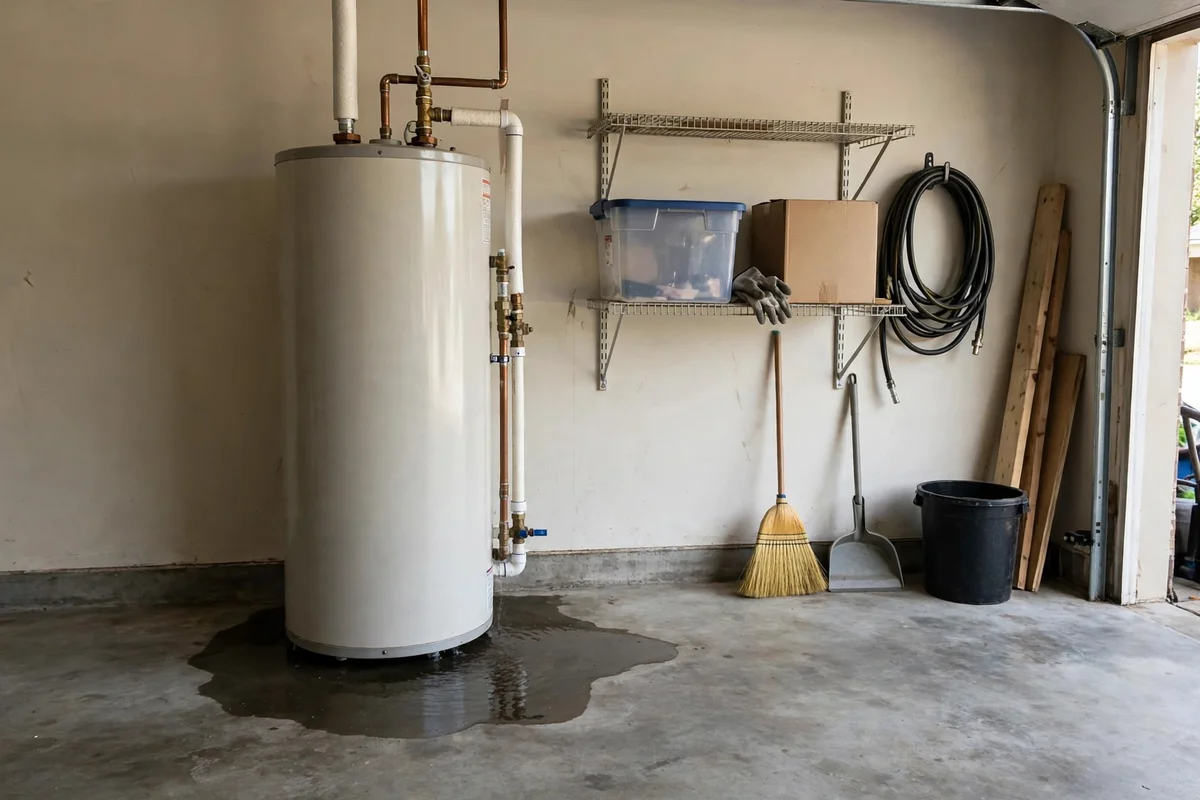
We check seal condition, base levelling and drain assembly, and repair the failed seal or joint. Re-caulking over a rocking base is not offered as a fix.
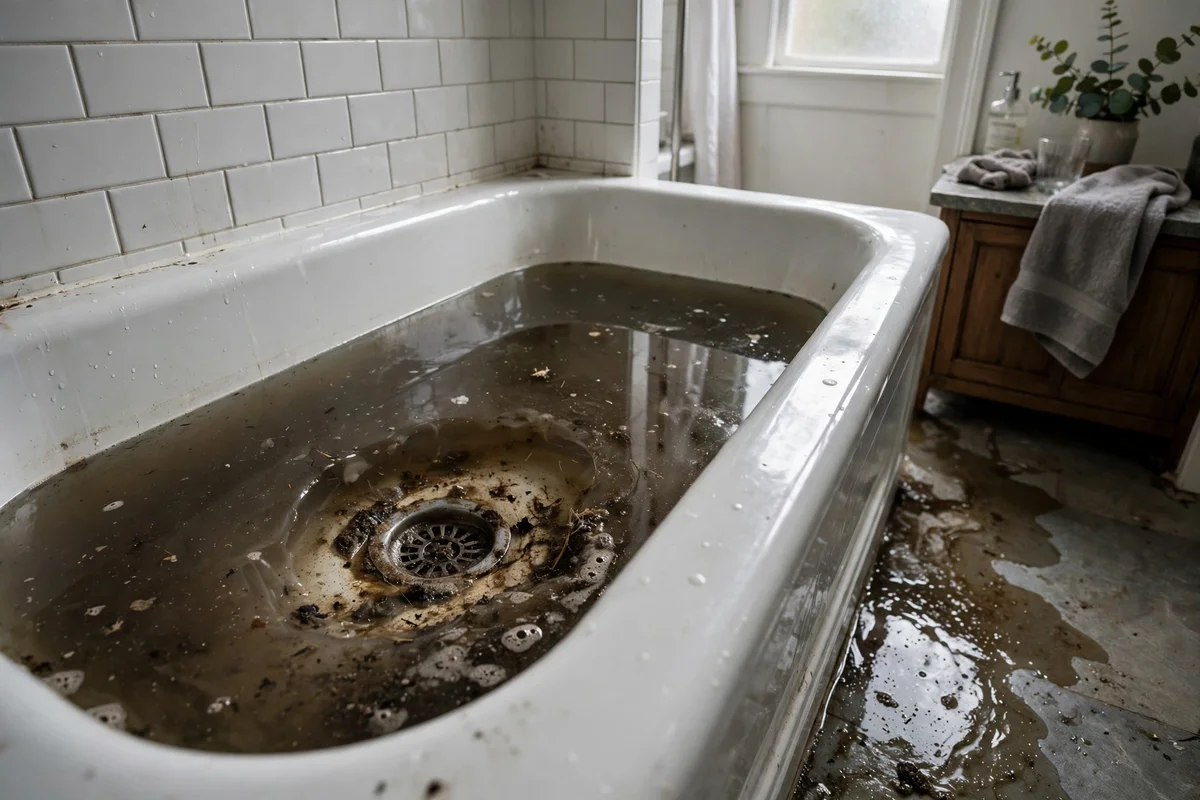
We trace damp to seal, supply, drain or enclosure before pricing any repair, because each source is a different job.
Most bathroom failures are a single component. Repairing that component saves the cost and disruption of replacing a whole fixture.
Damp and staining are investigated to their source before repair, so the repair fixes the cause rather than covering the symptom.
Every finished fixture is tested in operation, with leaks checked at every joint touched, before the bathroom is handed back.
You approve the scope and the price in writing before we start. No firm price is published on this page. Call for a written price before work starts; any price discussion on this page is Oct-2026 Atlanta market data, not SoCo Plumbers' prices.
Records from the visit, written so you can keep and share them.
Which component failed, and why, in plain language
Confirmation that the finished fixture was tested in operation and checked for leaks
Old parts left out for you to see, not hidden away
Bathroom knowledge that saves money is mostly about parts: most failures are small, and small failures are cheap when they are found early.
Fill valves and flappers wear out and are inexpensive to replace. A running toilet left running wastes water for months, and the fix is usually quick.
A toilet that rocks will break any new seal fitted under it. Levelling comes first, sealing second, and caulk alone is never the fix.
A drain that slows gradually is giving warning. Clearing it early is a small job; waiting until it blocks completely is a larger one.
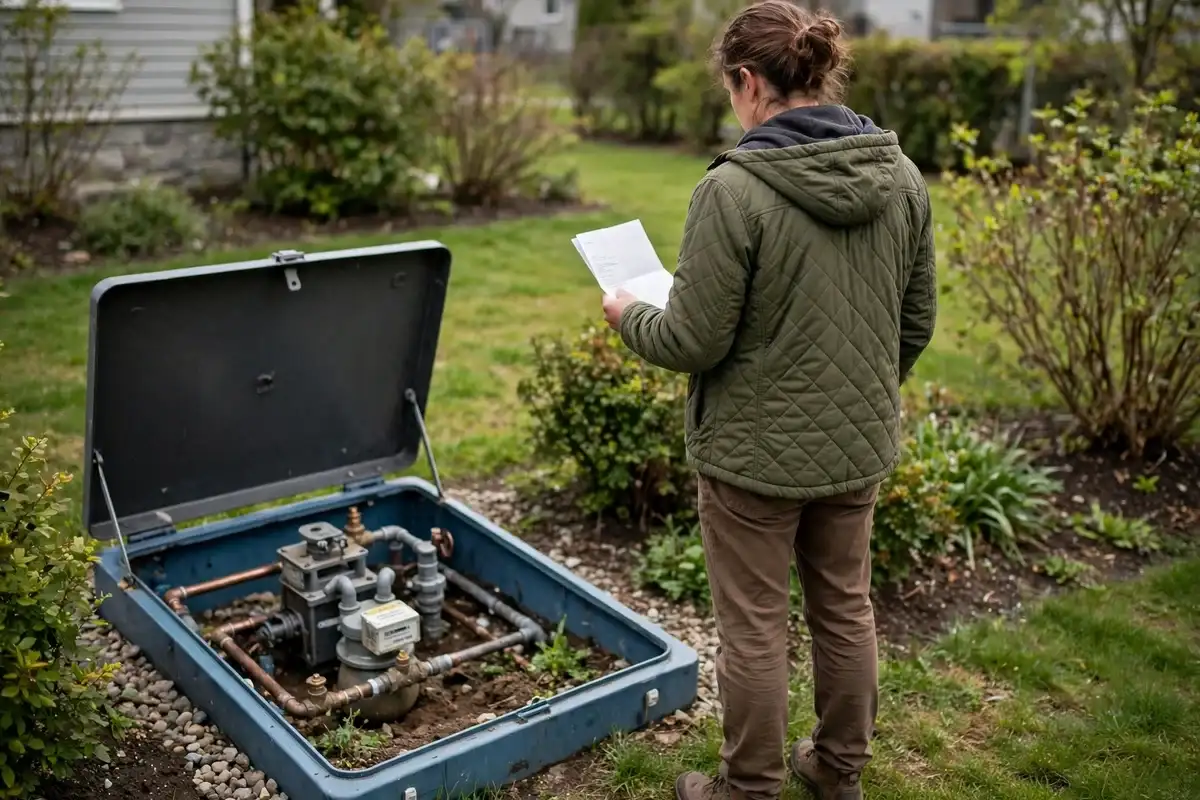
Conyers and the four areas above — call +17708971640 during business hours to confirm your address.
4.7 stars from 7 Google reviews · Read reviews on Google
No firm price is published on this page. Call for a written price before work starts; any price discussion on this page is Oct-2026 Atlanta market data, not SoCo Plumbers' prices. The final price depends on the fixture, the failed component, and whether repair or replacement is the honest answer, so it is given in writing after diagnosis, not over the phone.
Usually a worn flapper that no longer seals, or a fill valve set too high. Both are tested in turn on a visit, and the failed part is replaced. A toilet is replaced only when the fixture itself has failed.
Most often hair and soap build-up in the trap or pop-up assembly. We clear the trap, flow-test the drain, and check for damage where clearing reveals it.
Commonly a toilet seal, a tub or shower drain, a shower enclosure leak, or a supply line. Each source is traced before repair, because each is a different job with a different price.
Running toilet, dripping shower, slow sink drain, or damp below a bathroom? Call SoCo Plumbers at +1 770-897-1640 during business hours, Monday to Friday, 9 AM to 5 PM, and describe the fixture.
Call SoCo Plumbers at +1 770-897-1640. We are open Monday to Friday, 9 AM to 5 PM, and closed Saturday and Sunday. Tell us the fixture and the symptom, and we will diagnose the failed part before pricing any work.