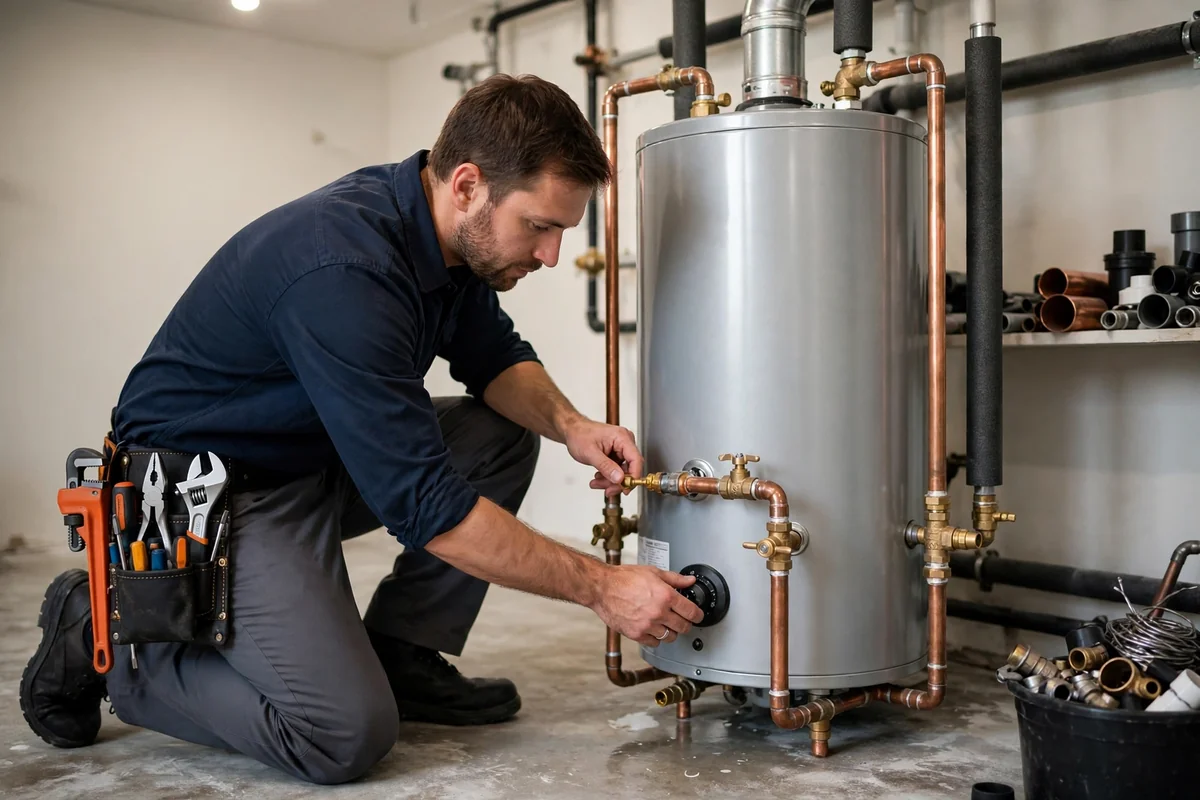
Pit and pump findings
What was tested, what failed, and what was repaired or replaced, in plain language
A sump pump only matters on the worst day your below-grade space has, so it has to be sized, tested and discharged correctly before that day arrives. SoCo Plumbers installs, repairs and replaces sump pumps for Conyers homes that actually have a pit to protect, and tells you plainly when a sump pump is not the right answer. SoCo Plumbers is open Monday to Friday, 9 AM to 5 PM, and closed Saturday and Sunday. If you call outside those hours, call again during business hours.
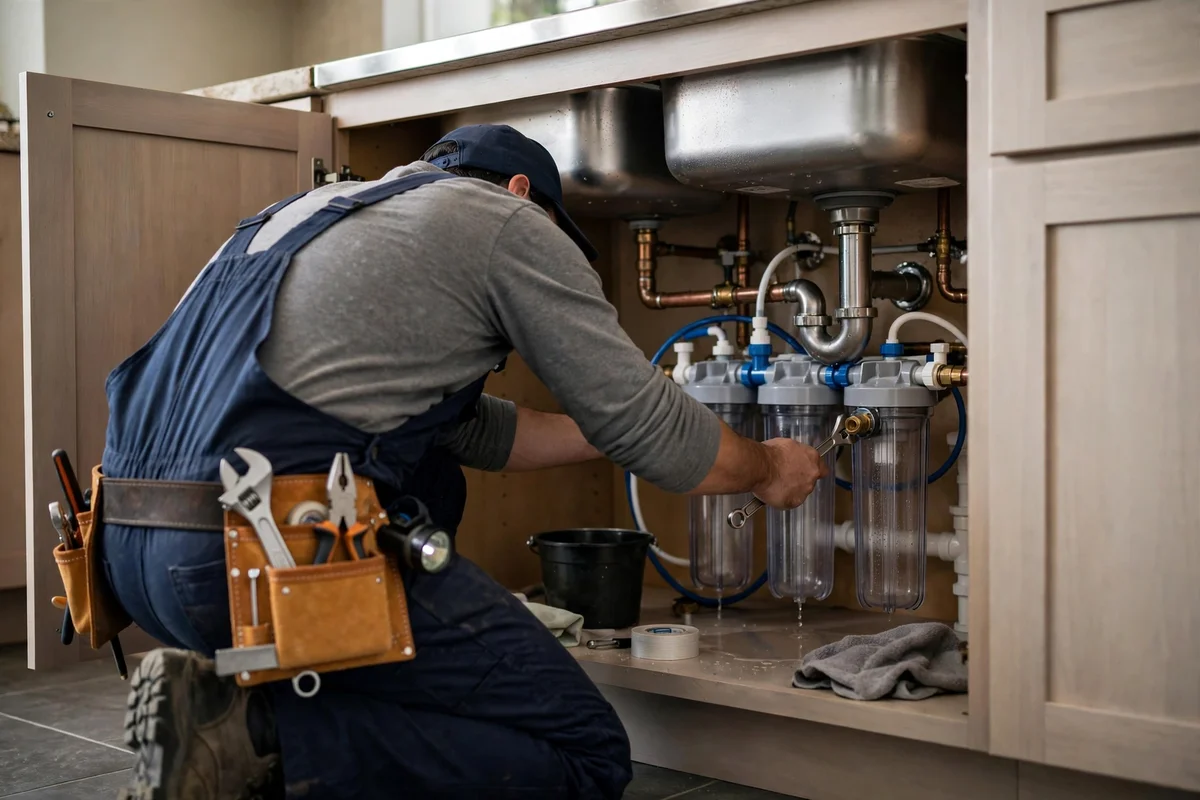
Every sump pump visit starts with the pit itself: water level, pump condition, float movement, check valve and where the discharge actually goes. Only then do we talk about repair or replacement, and only for homes where a pump makes sense.
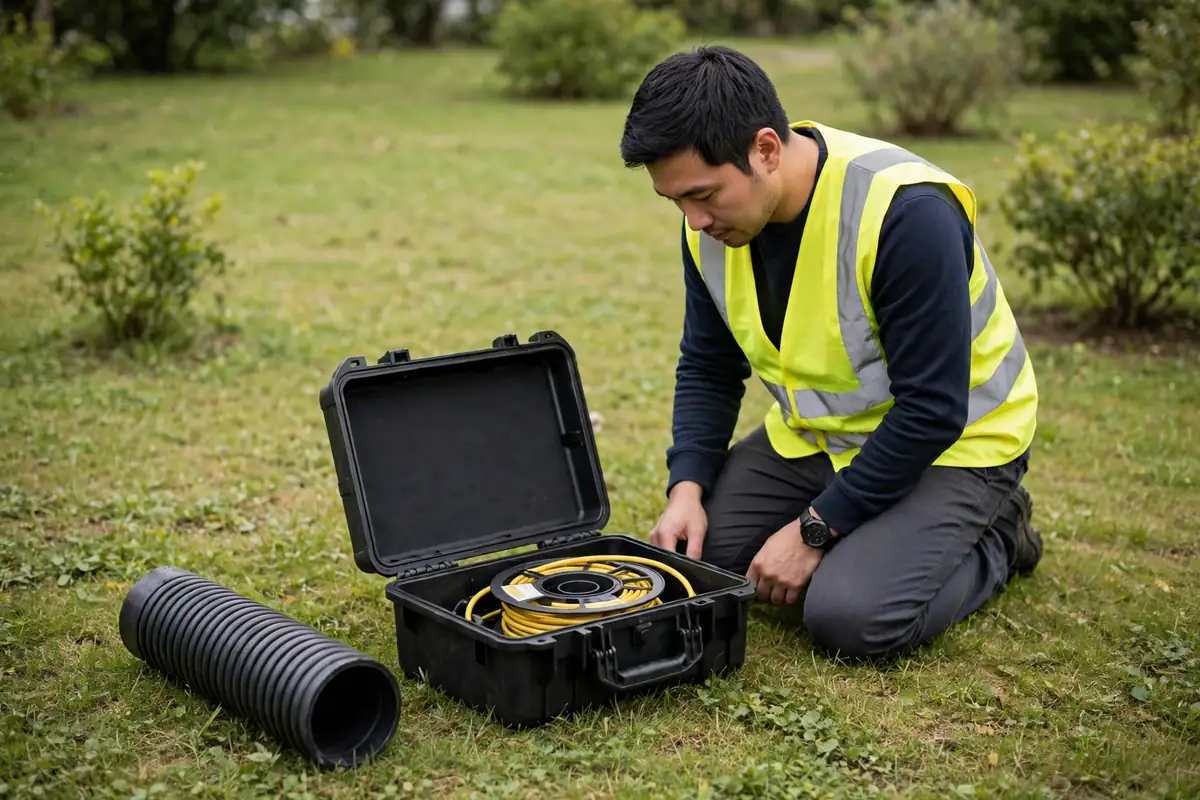
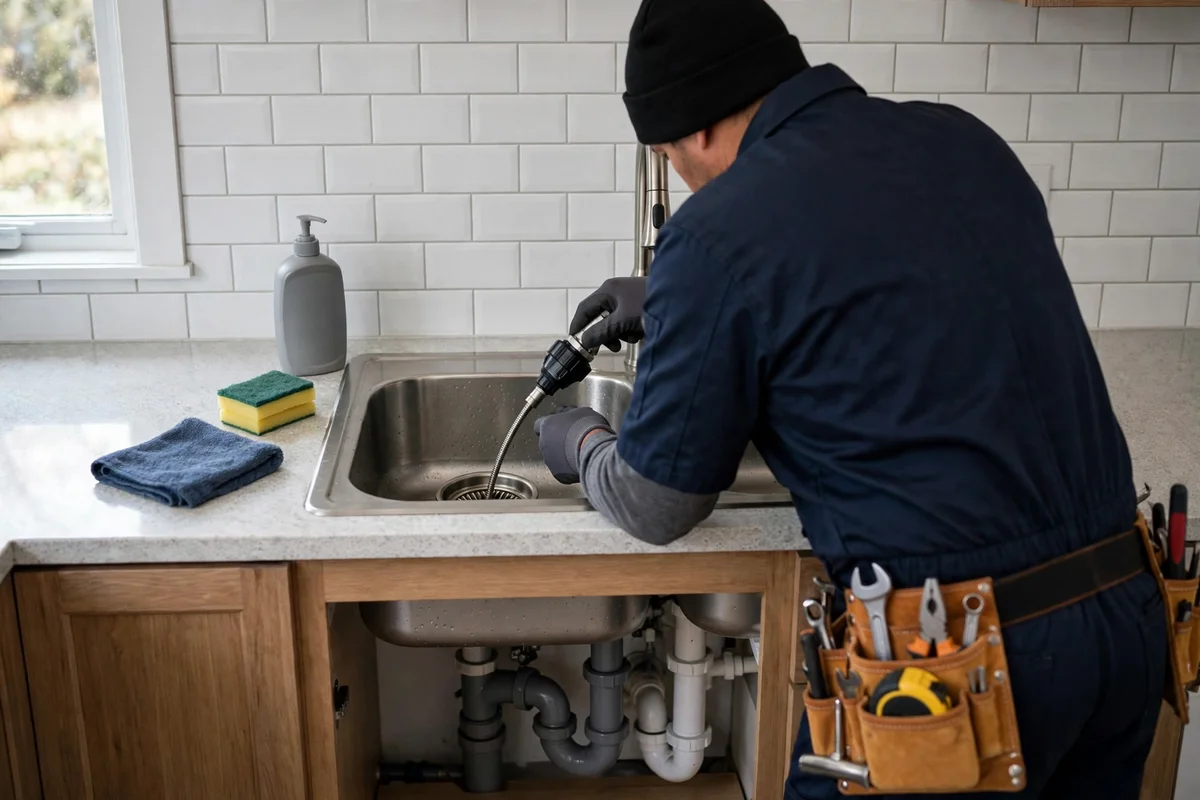
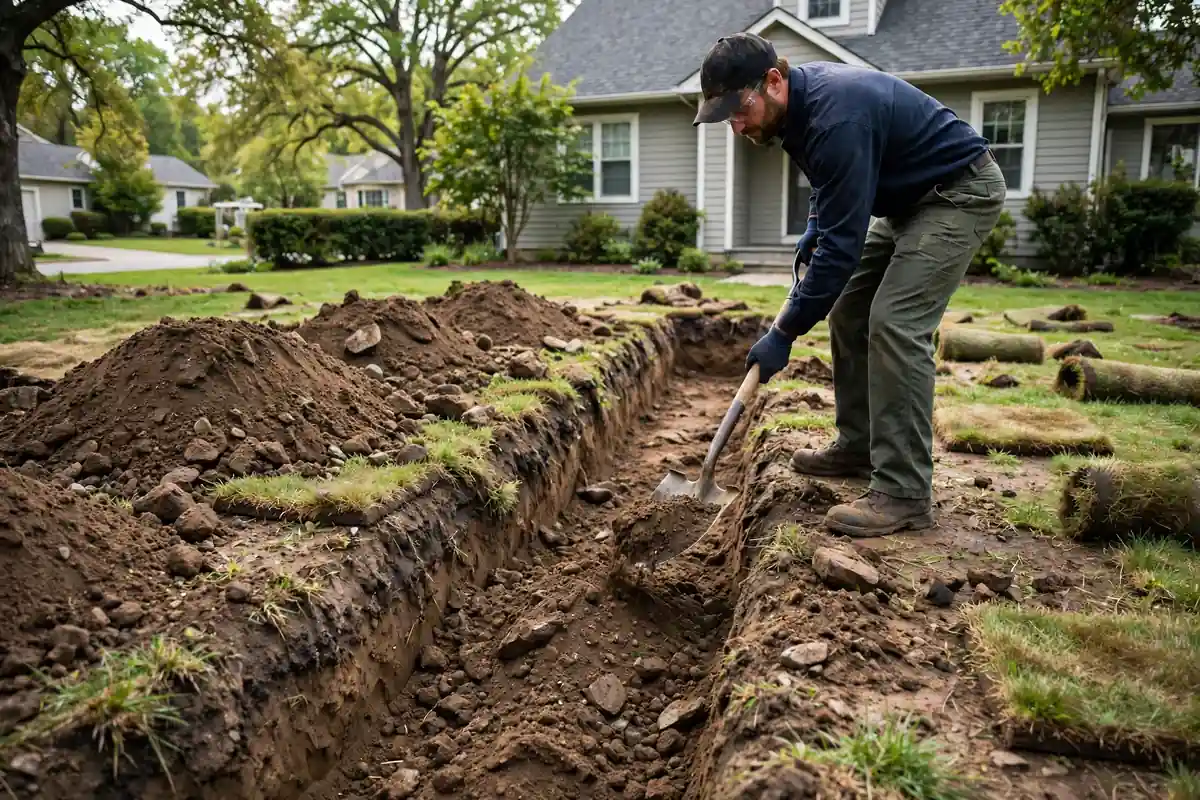
Not every Conyers home needs a sump pump. Many homes here are slab or pier construction with no below-grade space at all. This work is for homes with a basement, a crawl space that takes water, or a genuine low pit that collects groundwater.
Small Conyers commercial spaces with a below-grade room, a utility pit or a loading area that collects water can need the same pit-and-pump logic as a home. We keep that work scoped to the pit in front of us, and we say so when a larger dewatering system is outside this page's scope.
A sump pump sits in a pit at the lowest point of a below-grade space. When groundwater rises into the pit, a float switch starts the pump, the pump lifts the water through a check valve, and the discharge line carries it away from the house. When any link in that chain fails, the pit fills, and the floor above it is next. Conyers adds its own wrinkle: Piedmont red clay does not absorb heavy rain quickly, so water runs along foundations and finds low spots, and mature tree roots and summer storms can both change how water behaves around a house from one season to the next.
That is why the honest first question is not which pump to buy, but whether this house should have one at all. A slab home with no pit gains nothing from a pump, and a crawl space that stays dry in storms needs grading or drainage advice before it needs a motor. On a visit we check the pit, the power supply, the float and the discharge route, then give a written price before work. For background on seasonal preparation, see our guide to spring plumbing preparation in Lake Capri, and for drainage problems that show up as slow or noisy drains, drain cleaning is the related service to read first.
A pump, a float and a discharge route have to agree before any one of them can protect a floor.
Five steps, in order, with a written price before any replacement. No step is skipped to save time.
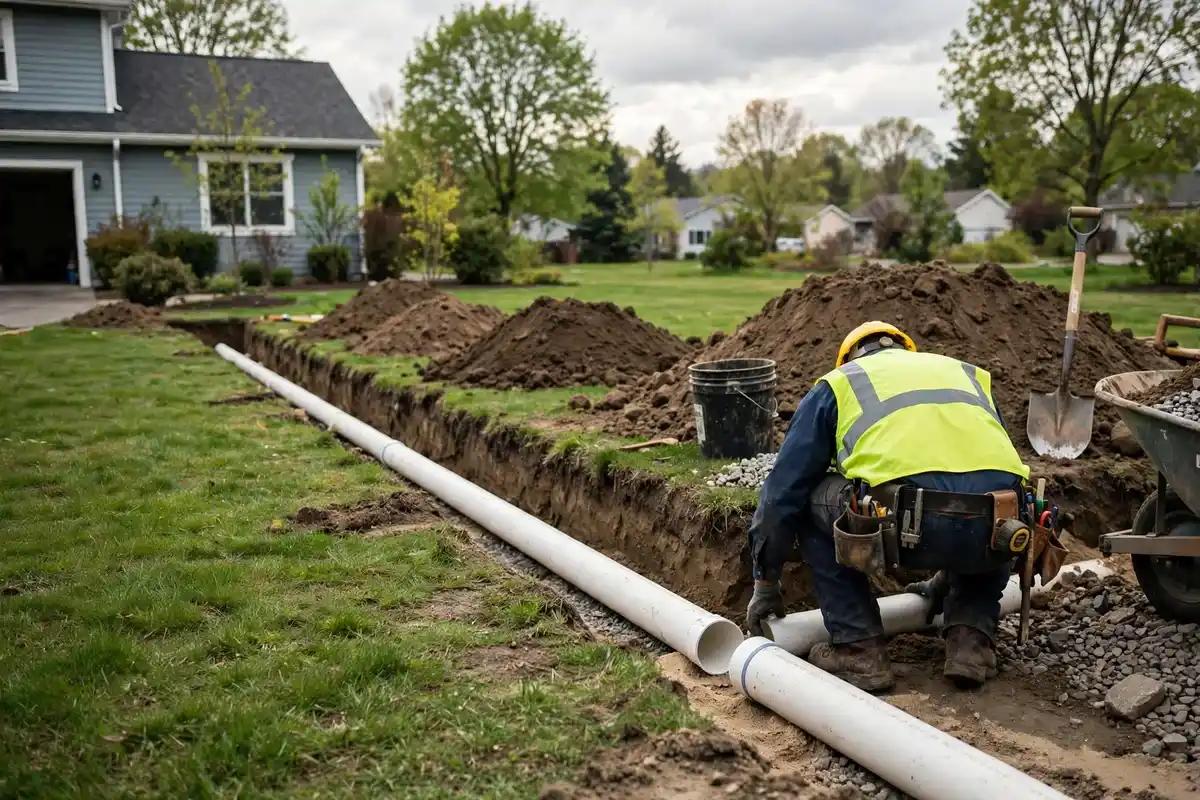
Call +1 770-897-1640 during business hours and tell us whether the pump runs, hums, never starts, or runs without moving water. That description decides what we bring and what we check first.
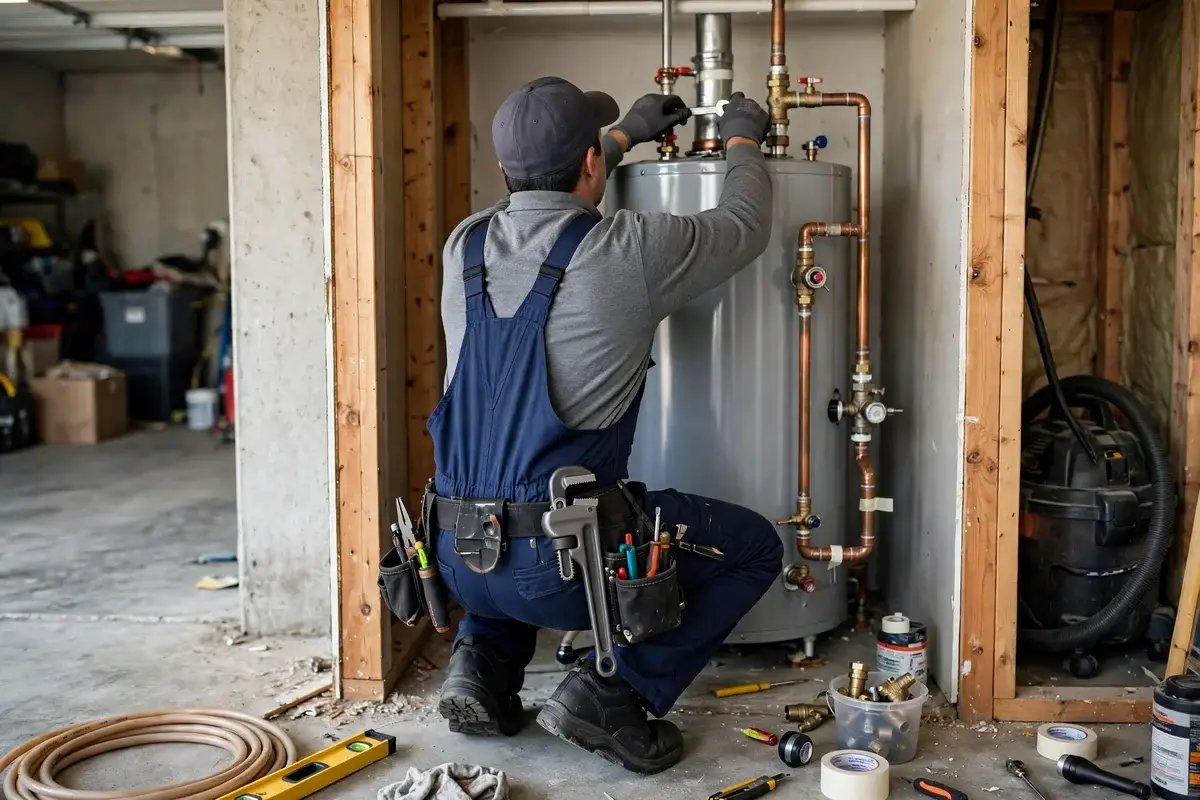
On site we look at water level, silt, float movement, the check valve and the outlet the pump is plugged into. Many failures are a stuck float or a tripped circuit, not a dead motor.
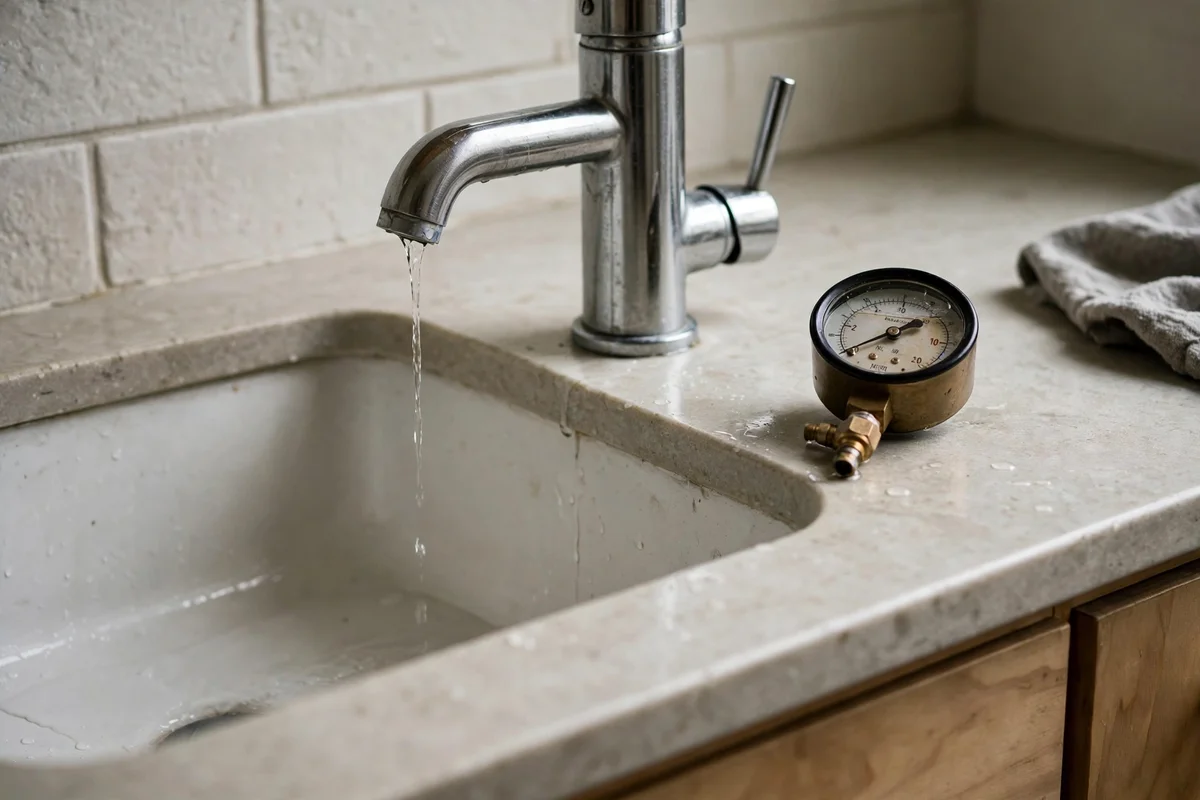
We cycle the pump and watch it move water through the discharge line. A pump that runs dry, short-cycles or cannot lift water tells us whether repair or replacement is honest.
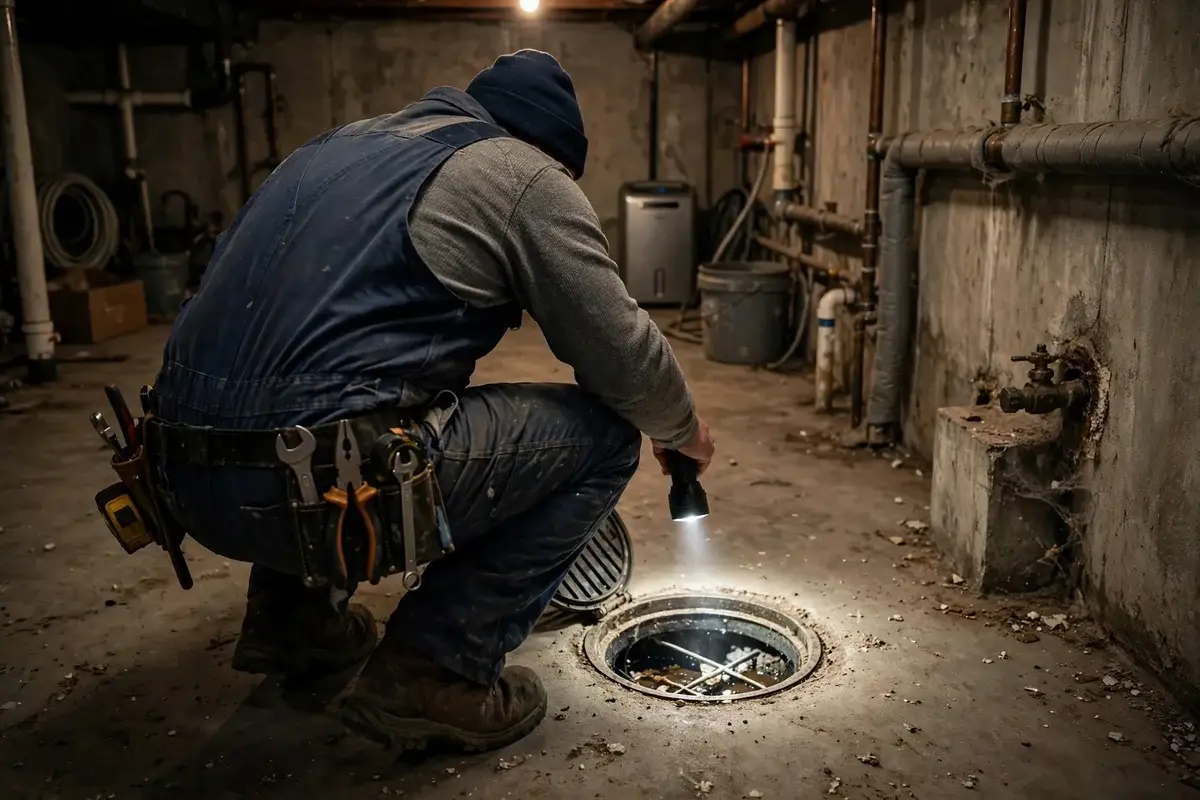
You get the scope and the price in writing before we start. Repair means the failed part; replacement means a pump sized to the pit, lift and discharge length.
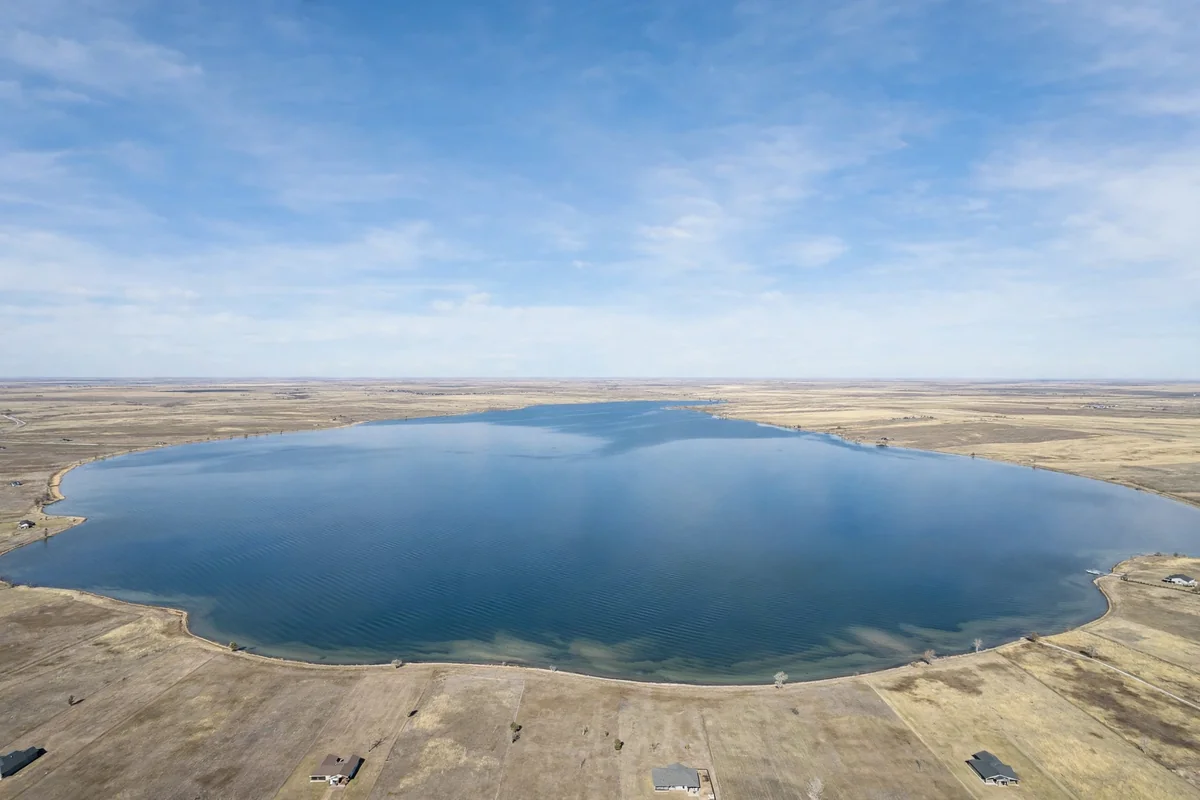
We cycle the finished installation again, refit the pit cover, and clear debris. You see water leave the pit before we consider the job done.
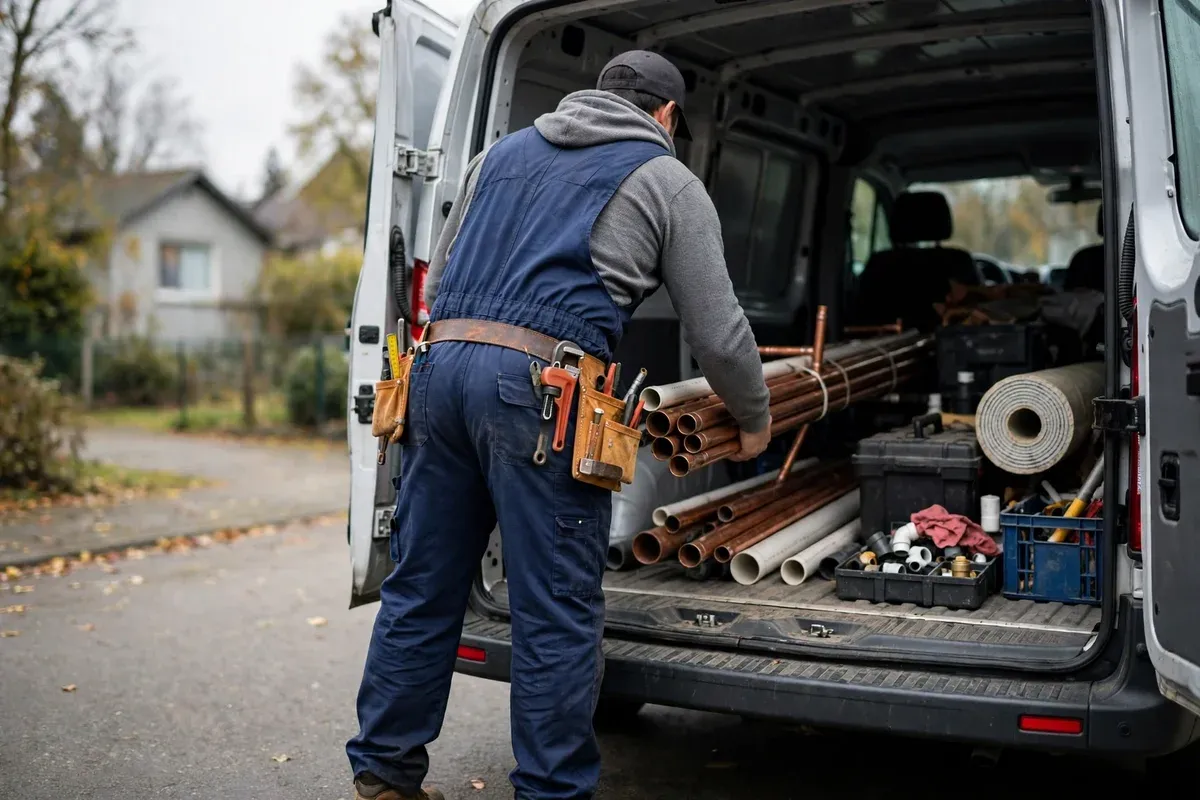
We clear silt and debris from the pit so the float can move freely and the intake is not starved. A clean pit is part of the diagnosis, not an optional extra.
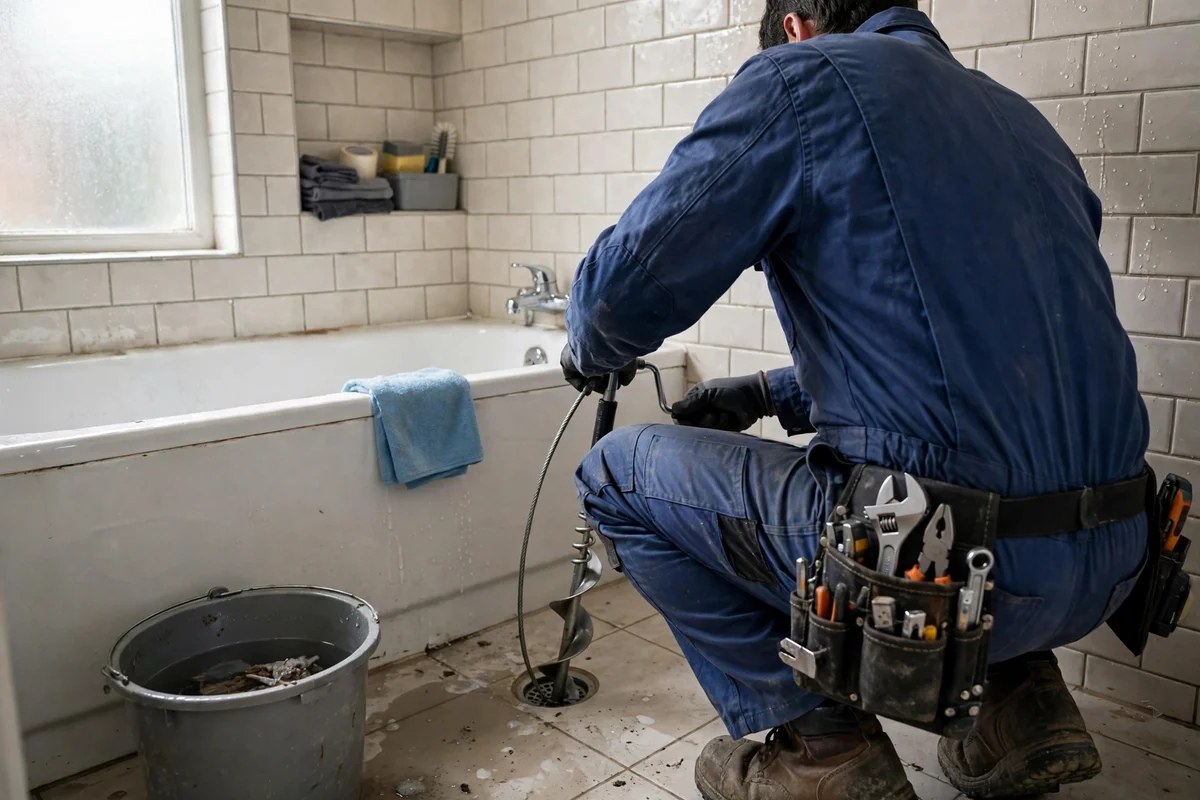
We test the float through its full travel. A switch that sticks at the top burns out motors; one that sticks at the bottom floods floors.
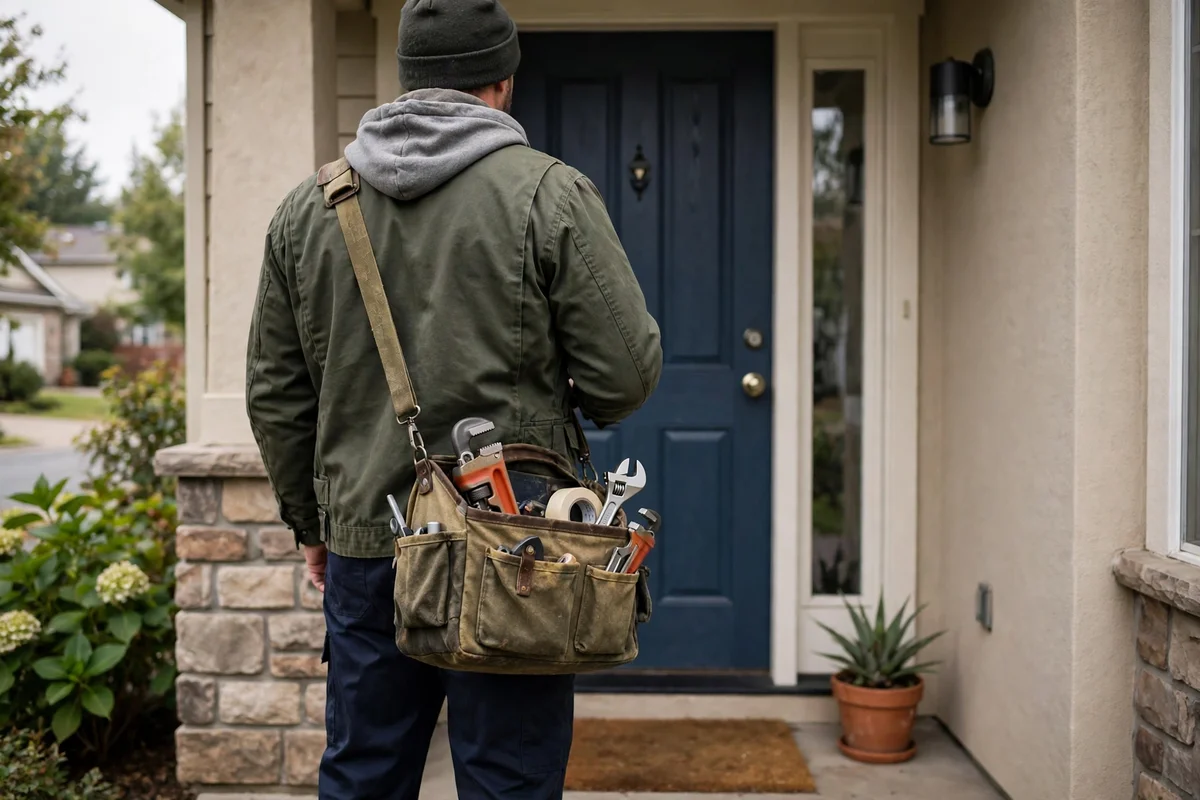
We check the valve that stops discharged water from falling back into the pit. A failed valve makes a good pump look like a bad one.
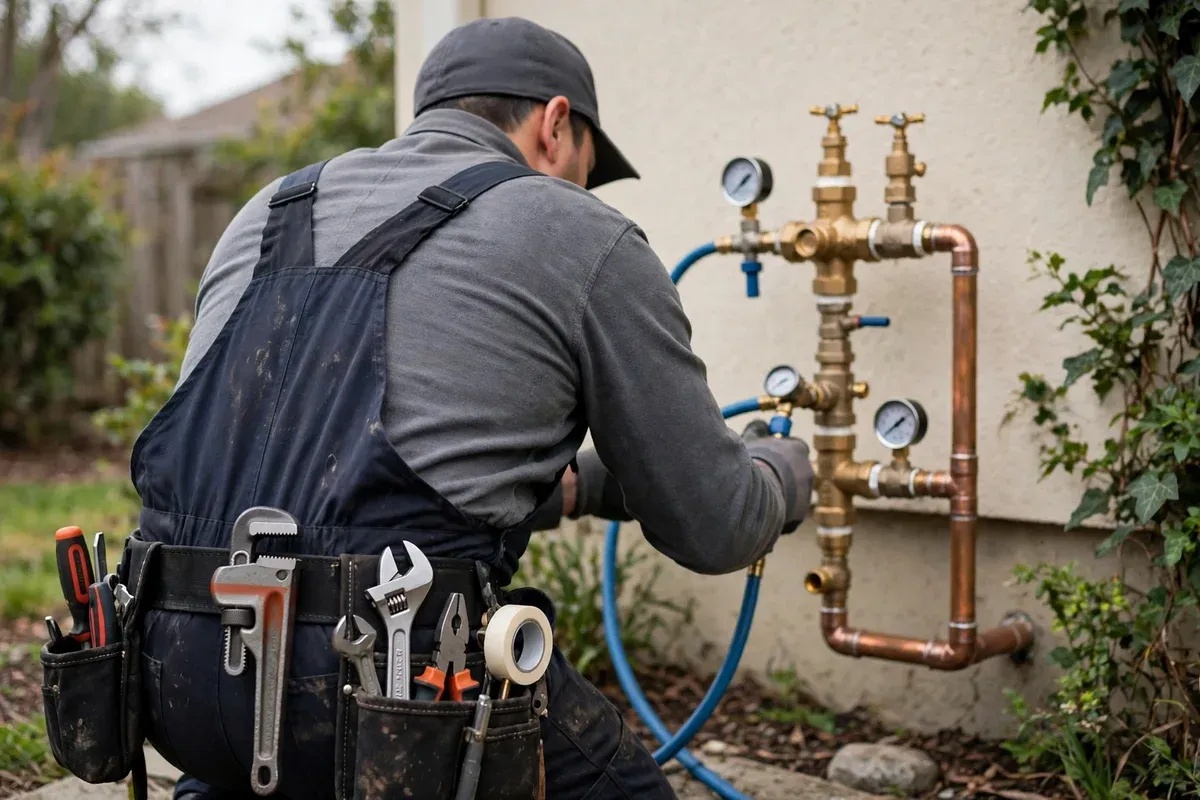
We follow the discharge line to its outlet. A line that ends against the foundation, or that is crushed or frozen, defeats the whole installation.
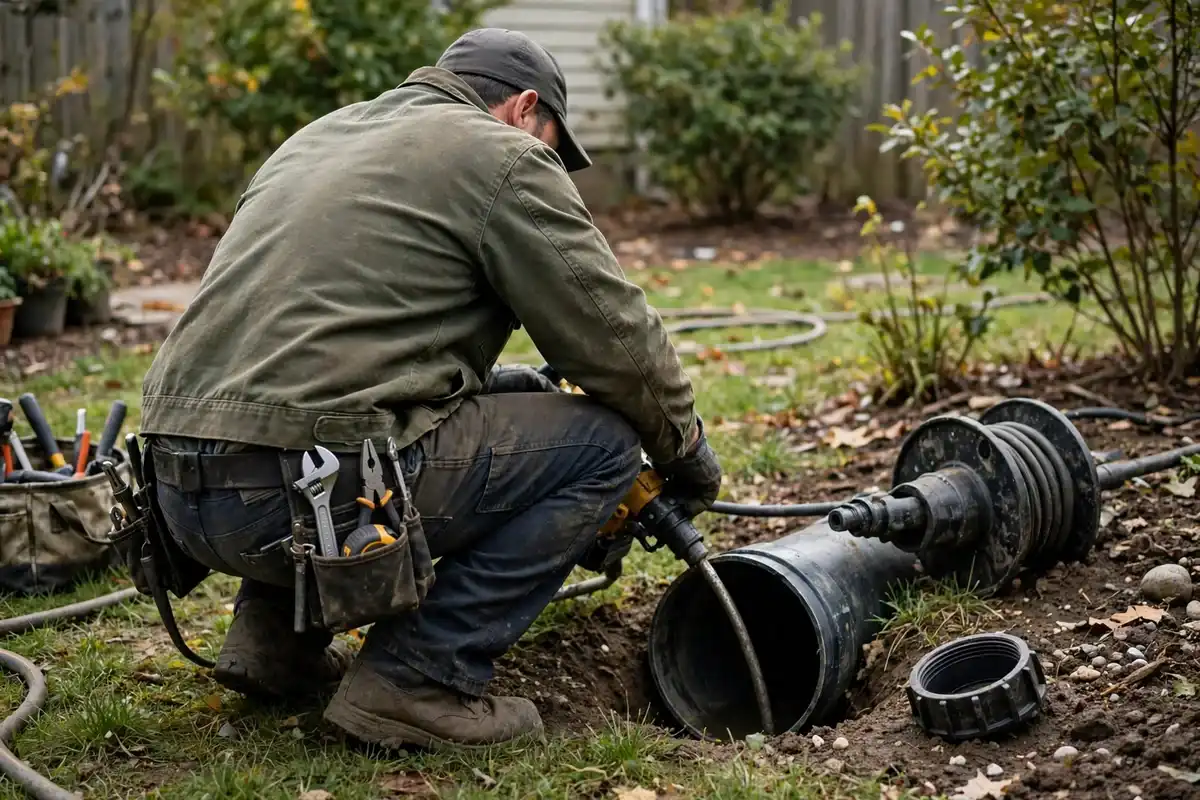
We account for how high the water must be lifted and how far it must travel. Sizing is arithmetic, not guesswork, and it is explained before you approve a pump.
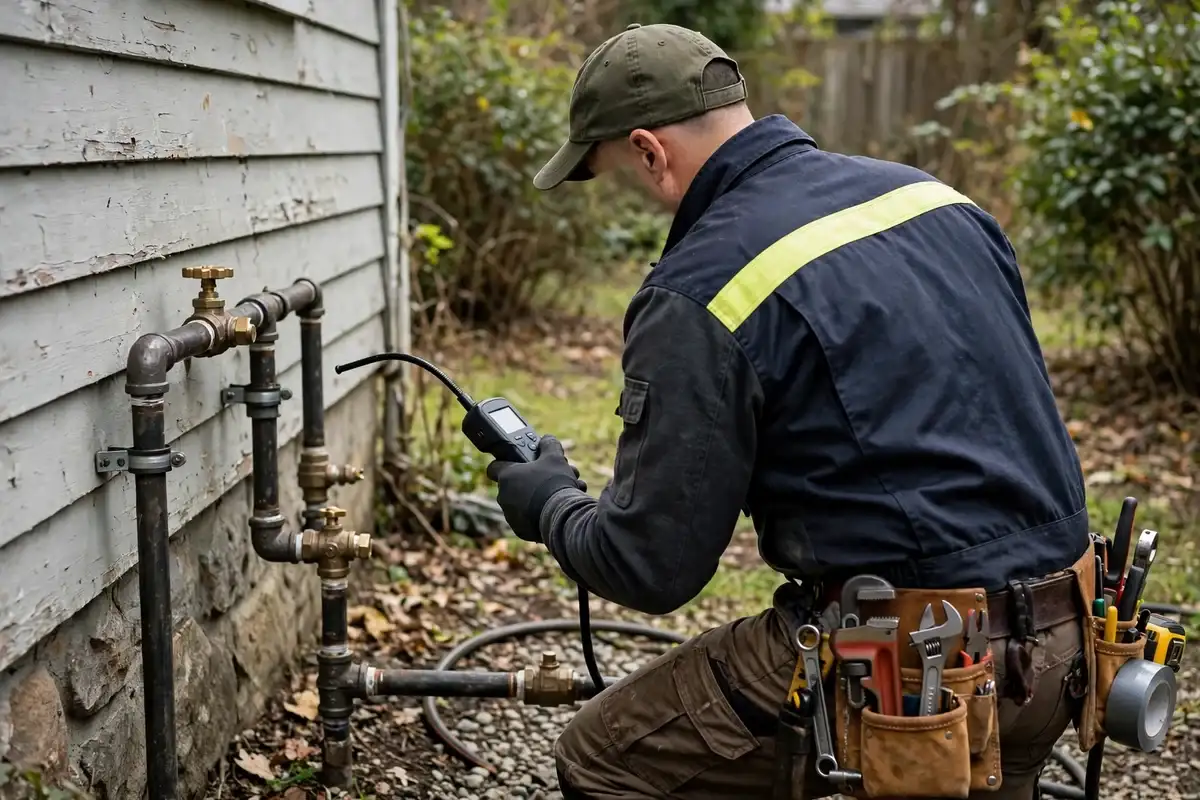
We confirm the pump's circuit and outlet are sound. A pump on a tripped or shared circuit will fail exactly when it is needed most.
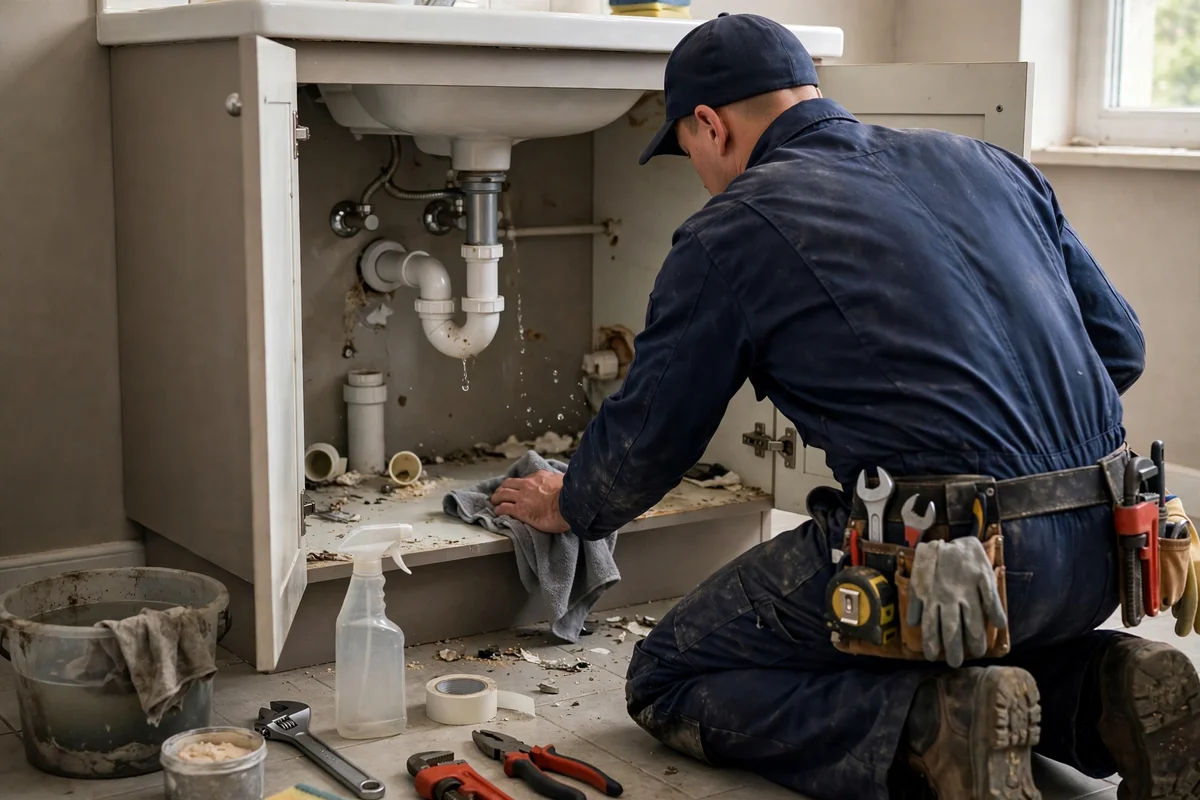
Common pit sizes and configurations are carried so a straightforward replacement does not wait on a parts order.
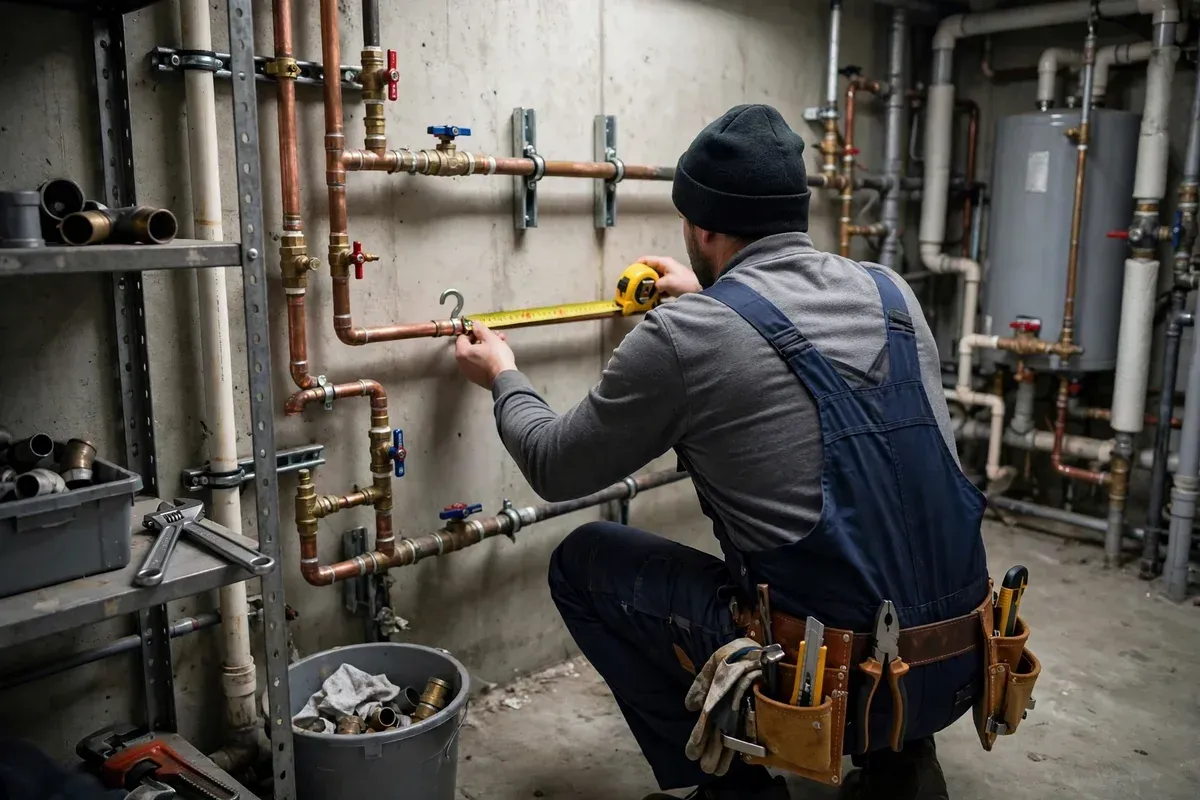
Work in Conyers is built to the 2024 International Plumbing Code with Georgia Amendments, effective 1 January 2026, and discharge routing follows that code and local practice.
We test the intake, the float and the discharge line. A clogged intake or a failed check valve is repaired; a worn motor is replaced only after testing proves it.
We check power, float and switch before anything else. Storm-season failures are often electrical or mechanical at the switch, and they are quick to prove either way.
We check whether a pit exists, where water enters, and whether grading or a drainage route is the real fix. A pump is recommended only when there is a pit worth protecting.
We assess age, cycling behaviour and lift performance, then give a written price for repair or replacement. No pump is replaced on age alone.
Conyers sits on expansive red clay in Rockdale County, and that clay shapes sump work more than any single storm does. Rain that cannot soak in runs to low ground, and below-grade spaces in low spots collect it first. At the same time, many Conyers homes are slab or pier built, so a responsible sump page must start with fit, not with a pump. The four areas below are the only service areas named on this page.
A below-grade room kept taking water even though the pump could be heard running. The pit refilled within minutes of every cycle.
The check valve had failed, so discharged water fell straight back into the pit. A new valve and a full cycle test left the pit draining and staying drained.
If a pump runs constantly, ask for the check valve to be tested before the motor is blamed.
A crawl space stayed dry for months, then took water in two successive summer storms. No pump had ever been fitted.
Inspection found a low collection point where groundwater gathered. A pit and correctly sized pump were installed, with discharge routed well away from the foundation.
A pump without a proper discharge route only moves the problem a few feet. Check where the water ends up.
An ageing pump cycled unevenly and struggled to lift water to the discharge outlet. The homeowner wanted to act before the next storm, not during it.
Testing confirmed weak lift, and a replacement sized to the pit and lift height was installed and cycle-tested twice before sign-off.
Uneven cycling is a warning, not a verdict. Test lift and float before deciding between repair and replacement.
Most sump calls come down to a short list of failures. Here is what we see, and how each one is proven before it is fixed.
We check intake blockage, float position and check valve function. A clogged intake or failed valve is fixed first; motor replacement follows only if testing shows the motor itself cannot lift.
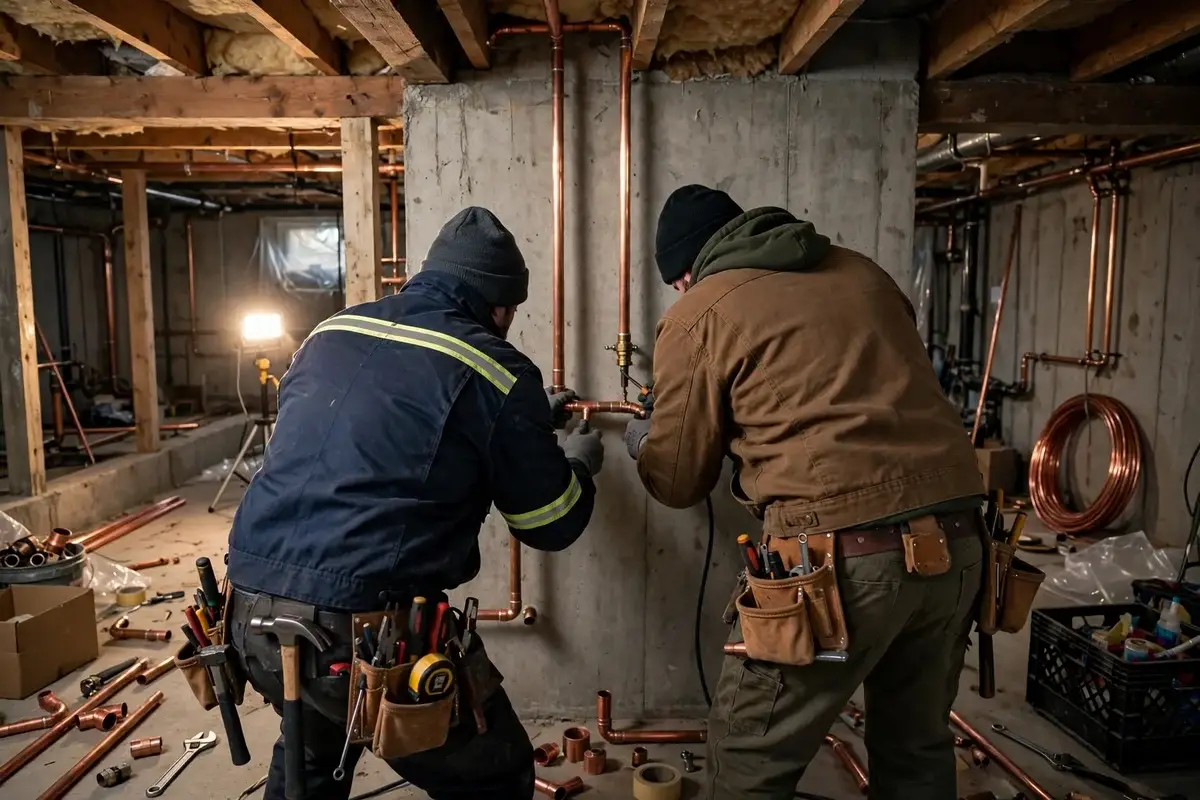
We check the circuit, outlet, float and switch in that order. Many no-start calls end at a tripped circuit or a stuck float, and both are proven on site before any part is changed.

A pump that starts and stops every few seconds is usually oversized for its pit, or its float range is set too tight. We adjust or resize rather than leaving a motor to burn itself out.
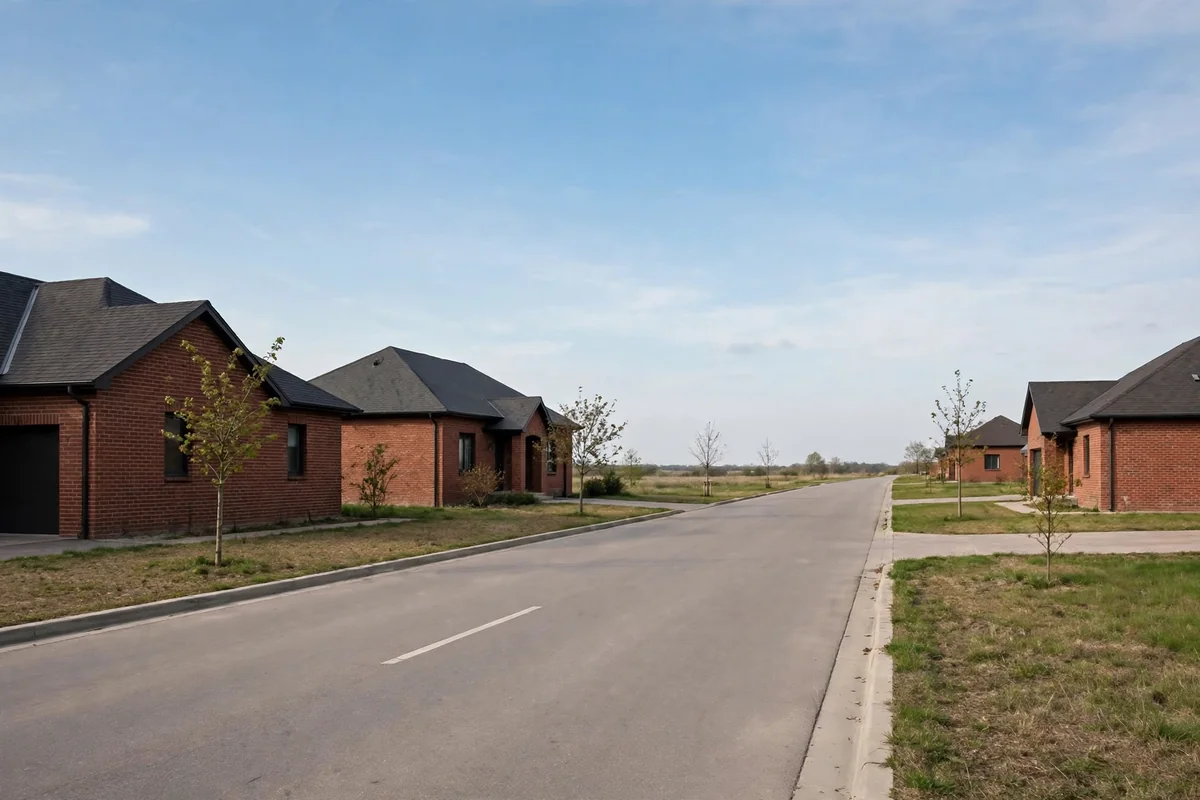
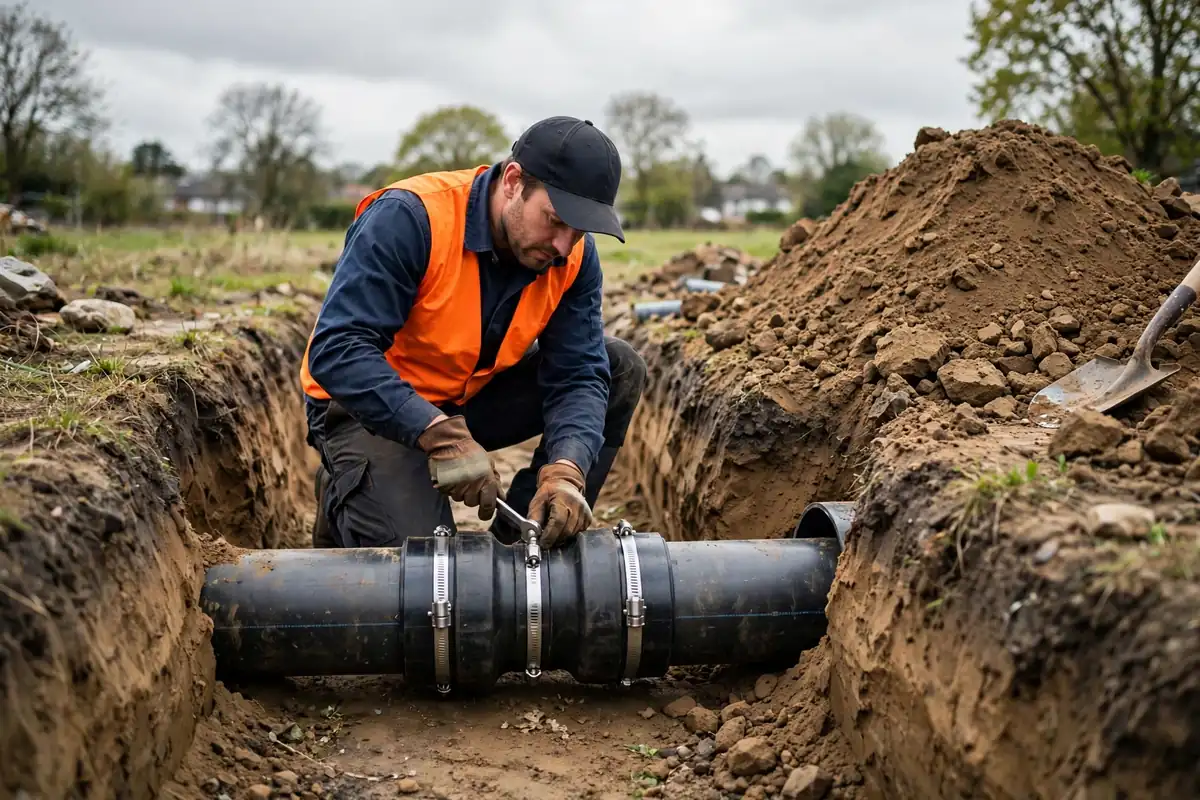
We trace the discharge to its outlet and look for crushing, freezing, disconnection or an outlet placed against the foundation. Rerouting the discharge is often the whole fix.
Pumps, floats, valves and discharge lines each fail differently, and each has a different fix. Testing first keeps a repairable pump from being replaced and a dead pump from being patched.
Lift height, pit size and discharge length decide the right pump. A pump chosen on price alone is the one that short-cycles or cannot keep up.
Water must end up away from the foundation. We trace the line to its outlet, because a pump that recycles its own water protects nothing.
You approve the scope and the price in writing before we start. No firm price is published on this page. Call for a written price before work starts; any price discussion on this page is Oct-2026 Atlanta market data, not SoCo Plumbers' prices.
Records from the visit, written so you can keep and share them.
What was tested, what failed, and what was repaired or replaced, in plain language
Confirmation that the finished pump cycled, moved water and shut off correctly
Where the discharge line ends, and anything that still needs attention there
A pump that misbehaves is not automatically a pump that is dead. Check the chain around it first.
A float that sticks, snags on the pit wall or sits in silt will mimic motor failure. Free movement through a full cycle is the first test, not the last.
A crushed, disconnected or badly routed discharge line defeats a healthy pump. Follow the water to where it ends up.
An old pump deserves a lift test, not an automatic replacement. If it lifts, cycles cleanly and shuts off, repair of the failed part may be the honest answer.
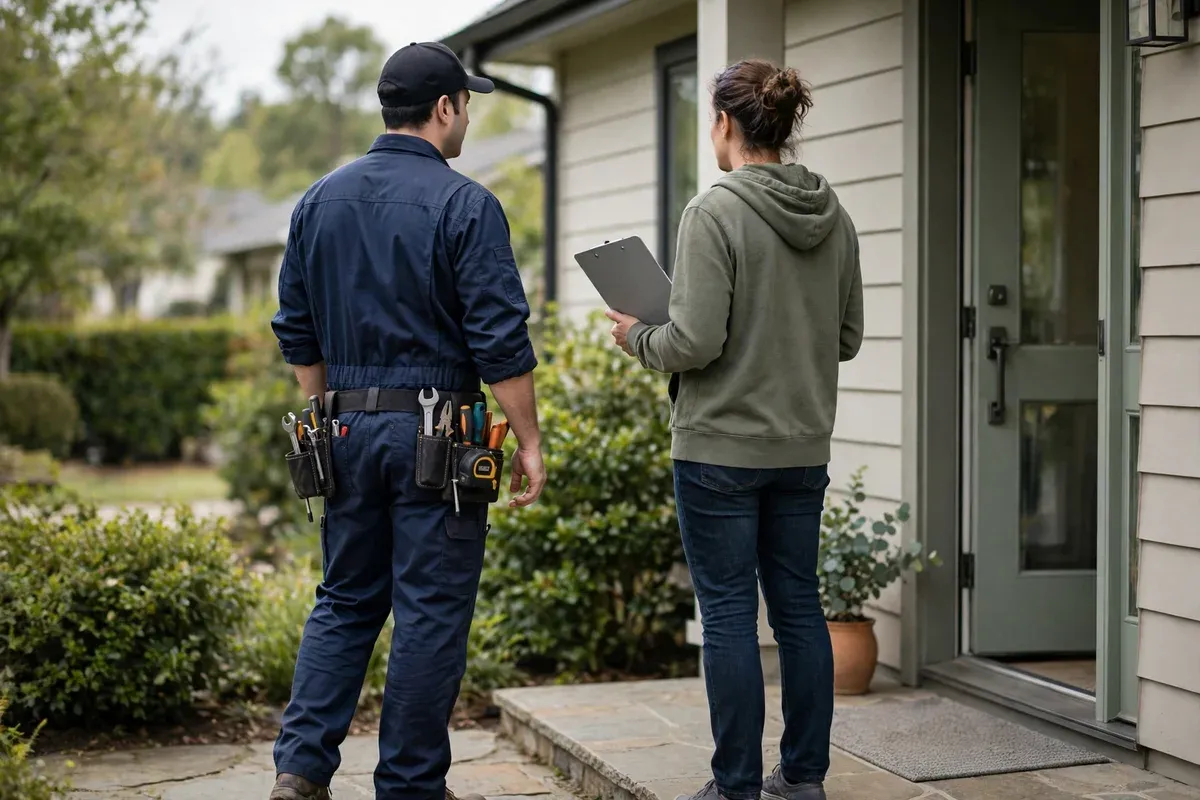
Conyers and the four areas above — call +17708971640 during business hours to confirm your address.
4.7 stars from 7 Google reviews · Read reviews on Google
No firm price is published on this page. Call for a written price before work starts; any price discussion on this page is Oct-2026 Atlanta market data, not SoCo Plumbers' prices. The final price depends on pit condition, lift height, discharge length and whether repair or replacement is the honest answer, so it is given in writing after inspection, not over the phone.
No. Many Conyers homes are slab or pier built with no below-grade space, and a sump pump does nothing for them. Sump work fits homes with a basement, a crawl space that takes water, or a genuine low pit that collects groundwater.
The usual causes are a clogged intake, a failed check valve letting water fall back into the pit, or a motor that can no longer lift. Each is tested in order on the visit, so the fix matches the failure.
Confirm the pump cycles, the float moves freely, the pit is clear of silt, and the discharge outlet is clear and routed away from the foundation. If any of those fail, call during business hours, Monday to Friday, 9 AM to 5 PM.
Wet below-grade space, a pump that will not start, or a discharge line dumping water back at the house? Call SoCo Plumbers at +1 770-897-1640 during business hours, Monday to Friday, 9 AM to 5 PM, and describe what the pit is doing.
Call SoCo Plumbers at +1 770-897-1640. We are open Monday to Friday, 9 AM to 5 PM, and closed Saturday and Sunday. Tell us what the pump is doing, or not doing, and we will give you a straight answer and a written price before work.