Written price before work
Agreed before any repair work begins.
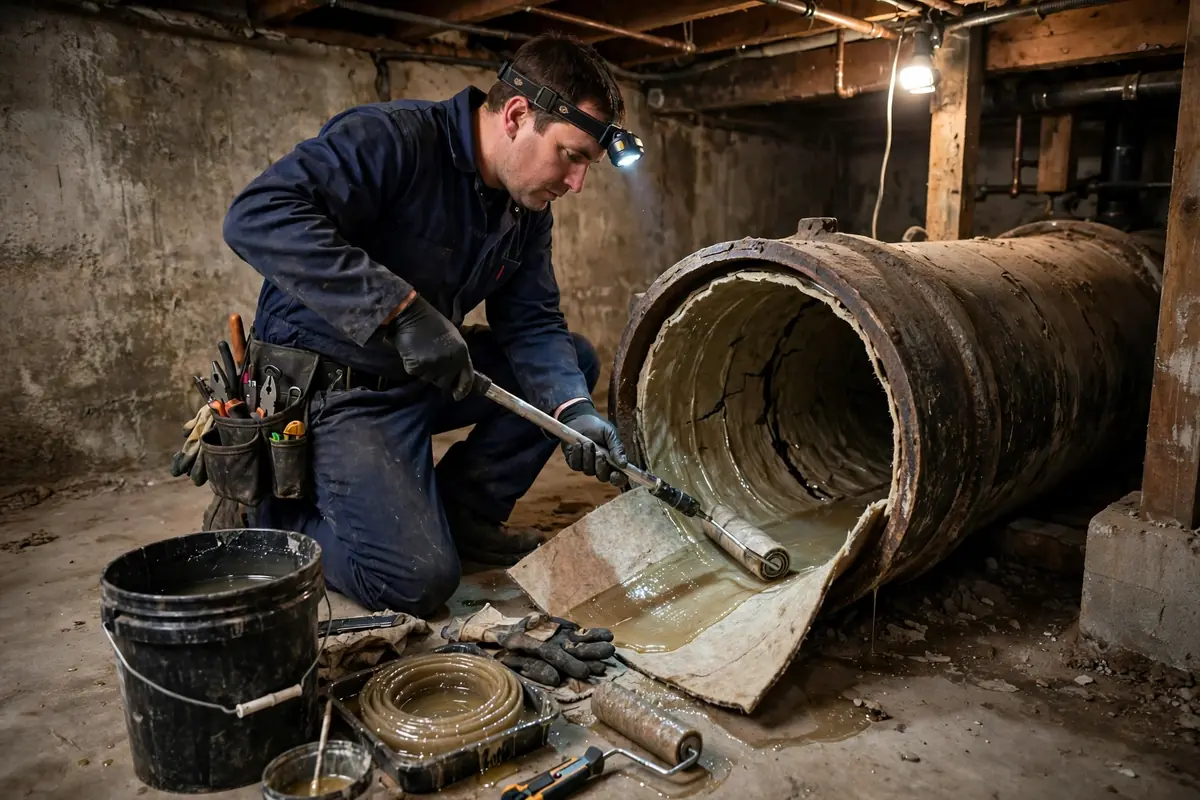
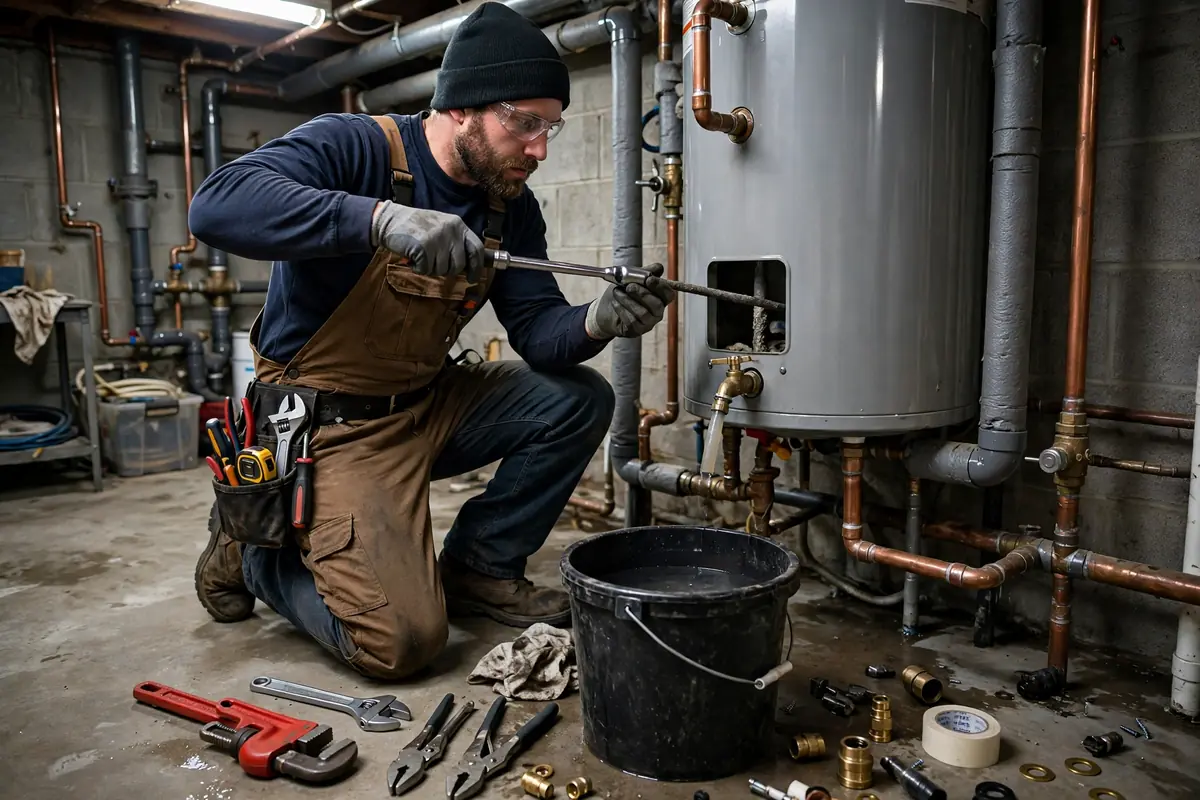
Repiping in Conyers is the whole-house answer to a supply system that has reached end of life: repeated pinhole leaks, pressure fading across the house, discoloured water, or a run failing at joint after joint. SoCo Plumbers walks the house first during business hours, Monday to Friday, 9 AM to 5 PM, maps the existing system, and agrees a written price and scope before any pipe is replaced. Polybutylene-era checks are described as checks — a home is never told it has a particular pipe material until it has been seen.
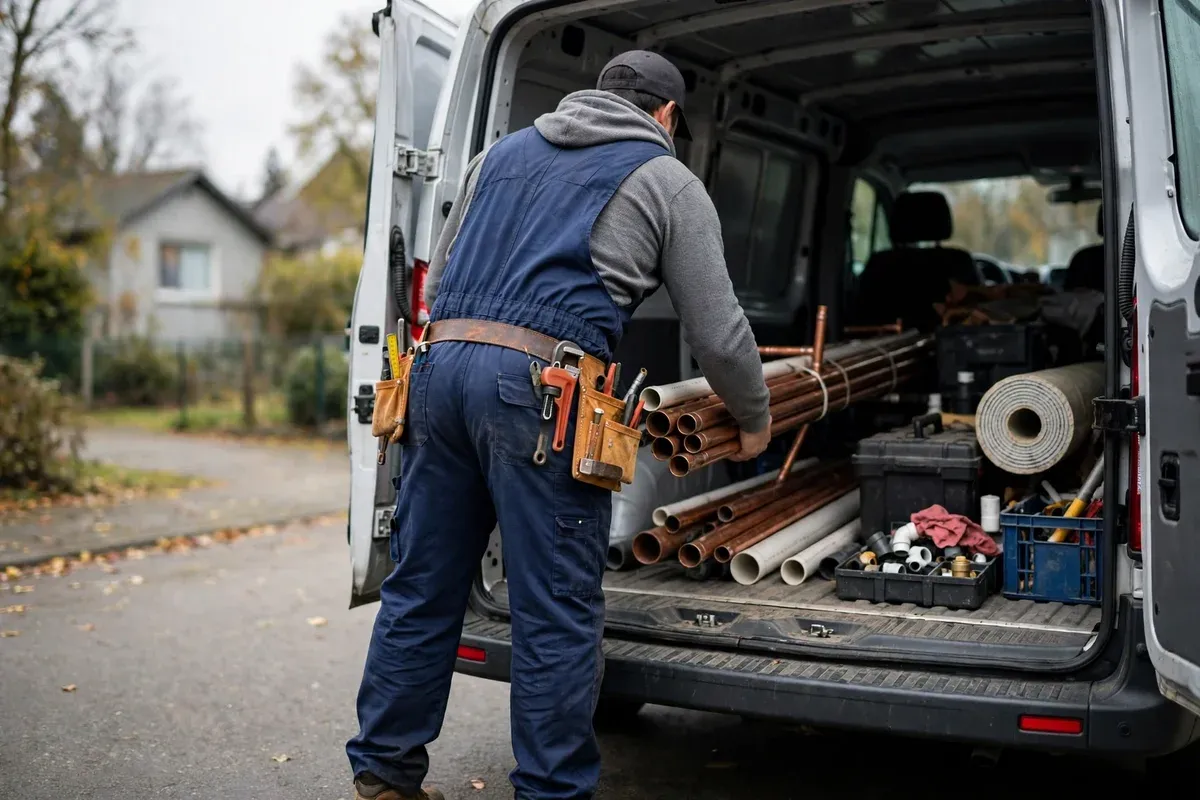
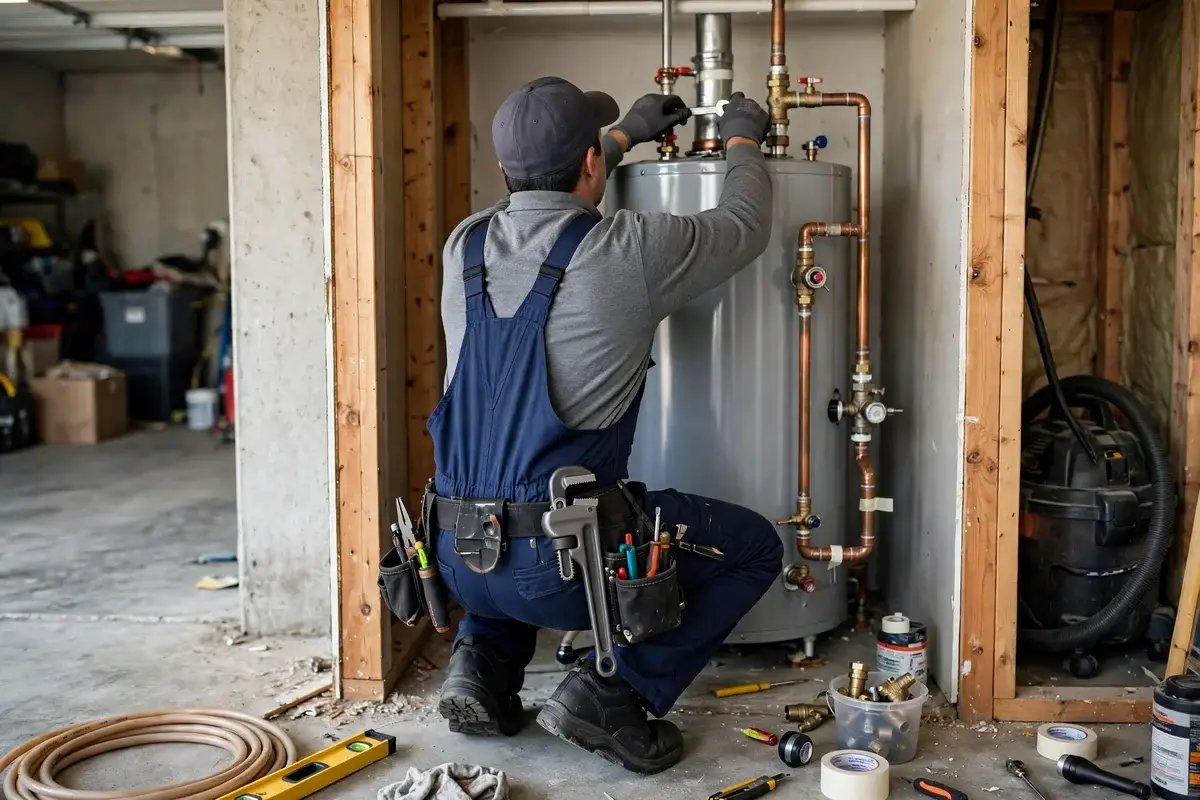
Every repiping services visit follows the same core scope: diagnose first, agree the price and scope in writing, do the work, and test before leaving.
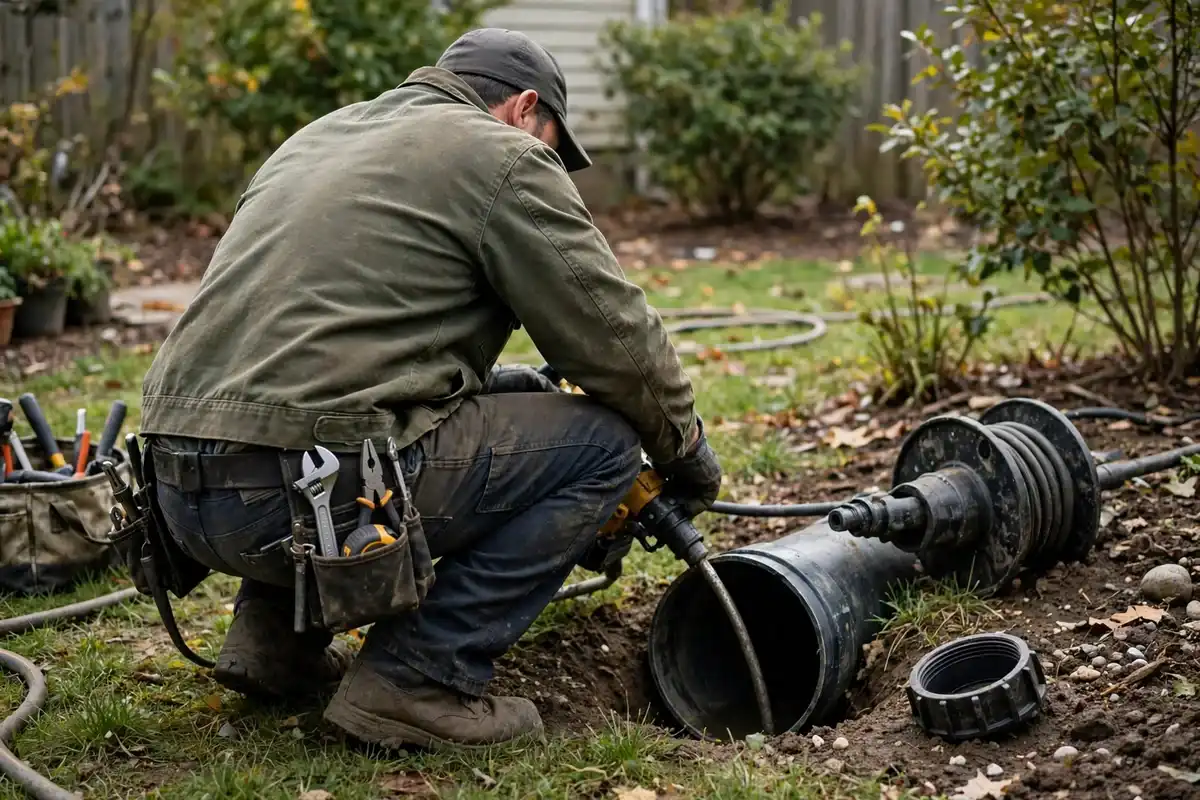
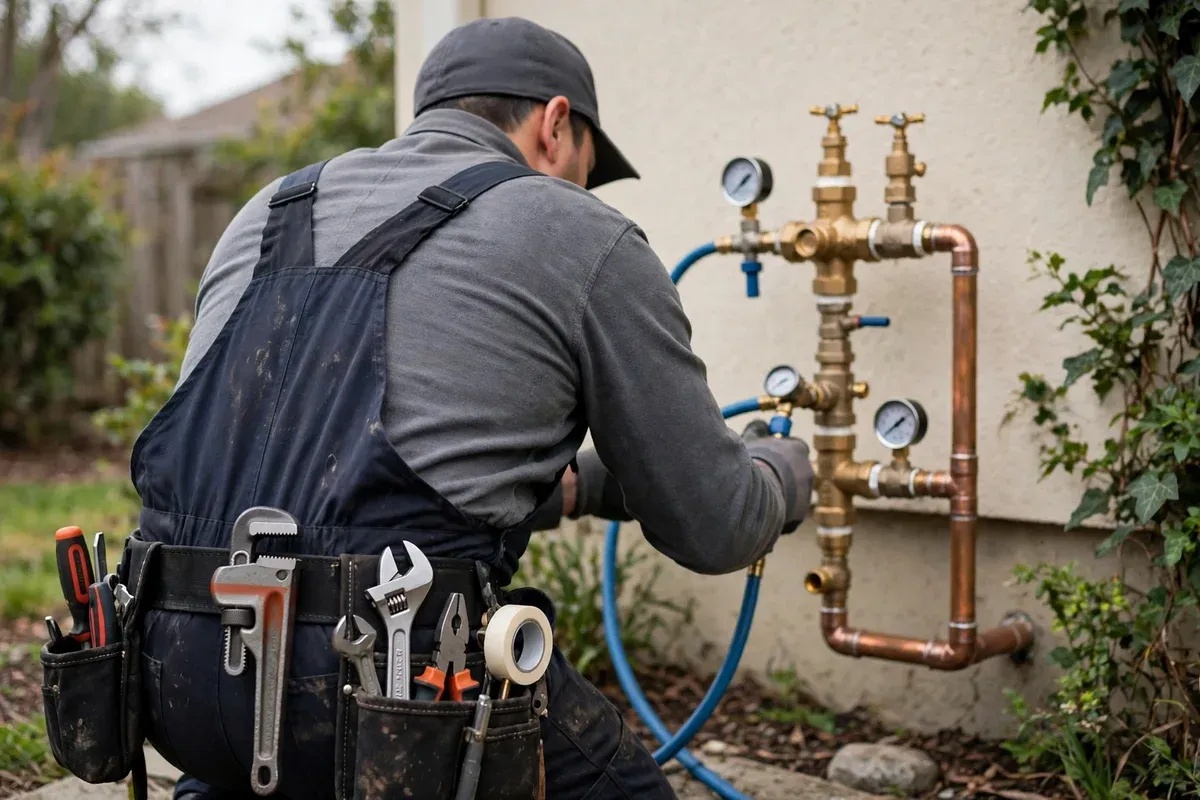
For Conyers homes whose supply system has reached end of life: repeated leaks, fading pressure, discoloured water or successive joint failures, renewed during business hours.
Offices, restaurants, shops and multi-family buildings with an ageing supply system get the same walk-first approach during business hours, with the scope, phasing and written price agreed before work starts.
Repiping renews the supply system, not a single run. It becomes the honest recommendation when leaks repeat, pressure fades house-wide, water discolours, or joints fail in succession — the signs that the material itself, not one section, has reached end of life. The job starts with a walk of the house: material, routing, access through crawlspace, attic or slab, fixture count and pressure, so the scope and price reflect the actual house rather than a standard package. Our pipe repair and replacement work covers single runs, and our leak detection and repair work finds the failures that show a system is ageing; repiping is the step after both point the same way.
Conyers stock makes repiping a live question. Much of the housing dates to the 1950s through the 1980s, when galvanized steel and early copper were standard, and that pipe is now at or past its service life. Roughly a third of Rockdale County stock by decade derivation falls in the 1978–1995 polybutylene window — presented here strictly as a check-for-it cohort, never as a confirmed diagnosis for any home. Summer attic heat and winter crawlspace freezes both shape routing and insulation, and work is built to the 2024 International Plumbing Code with Georgia Amendments, effective 1 January 2026, with permits checked as applicable. As background only, Oct-2026 Atlanta market data, not SoCo Plumbers' prices — call for a written price before work.: whole-house repipe averaged around $7,508 in Angi Atlanta data from May 2026.
Walk the house, map the system, price it in writing, then renew it.
From the first call to the final test, here is the sequence for a repiping visit in Conyers, booked during business hours.
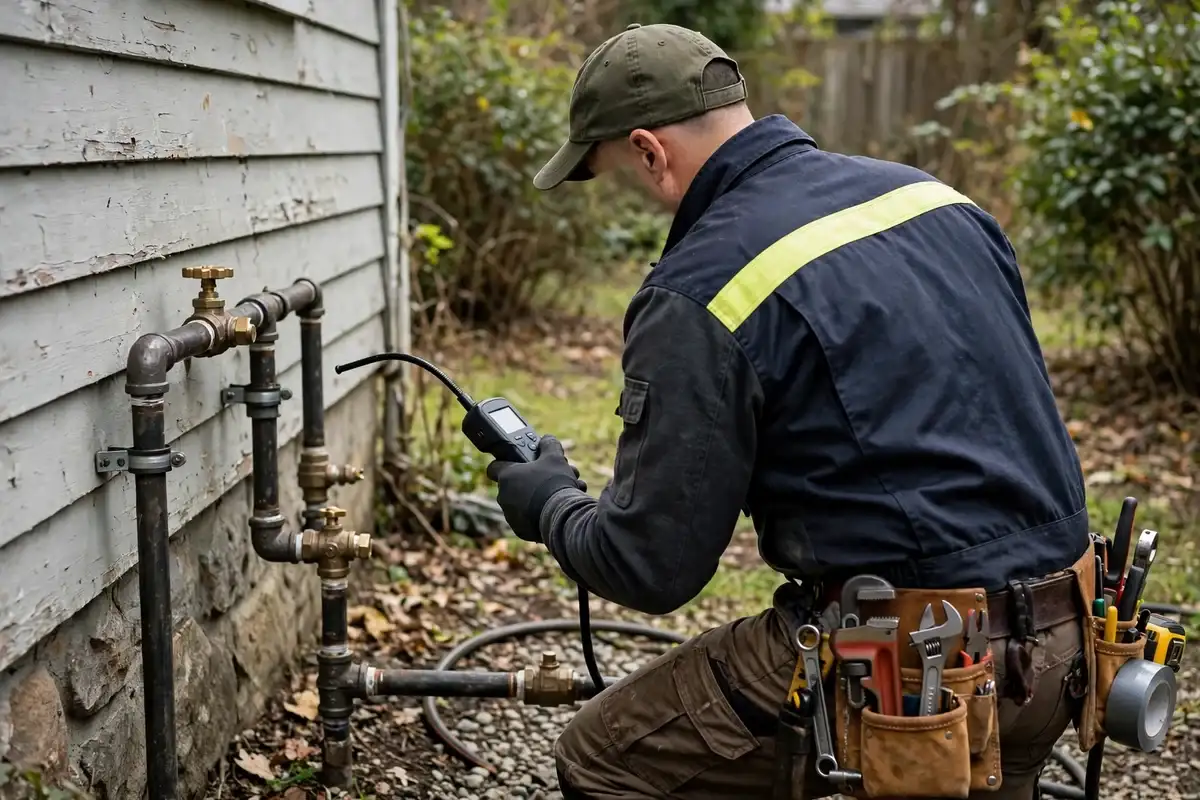
Call +17708971640 Monday to Friday, 9 AM to 5 PM. Tell us the pipe material, the leak history, and the house age, if you know; we will talk through shutting off water or an individual valve if that is the safe first step.
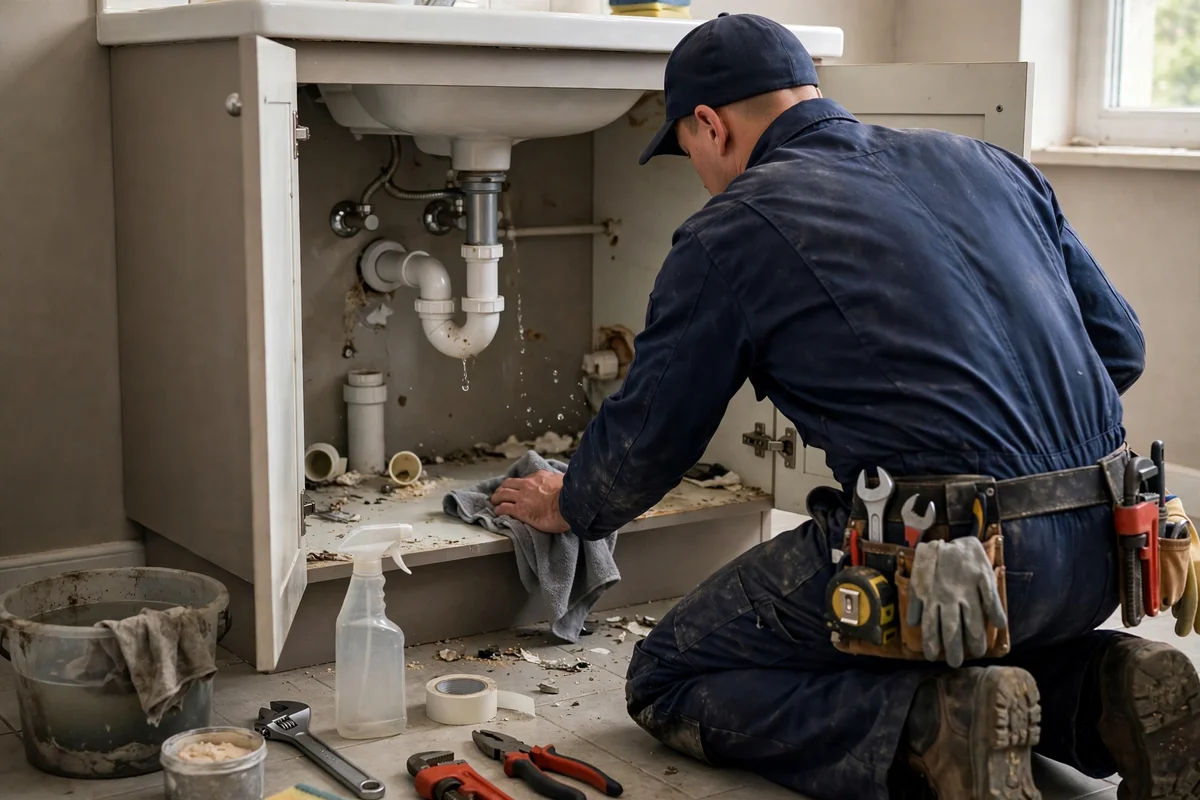
We schedule a visit during business hours and confirm the window. On arrival we check the actual pipe material and the leak pattern first, before any repipe scope is proposed.
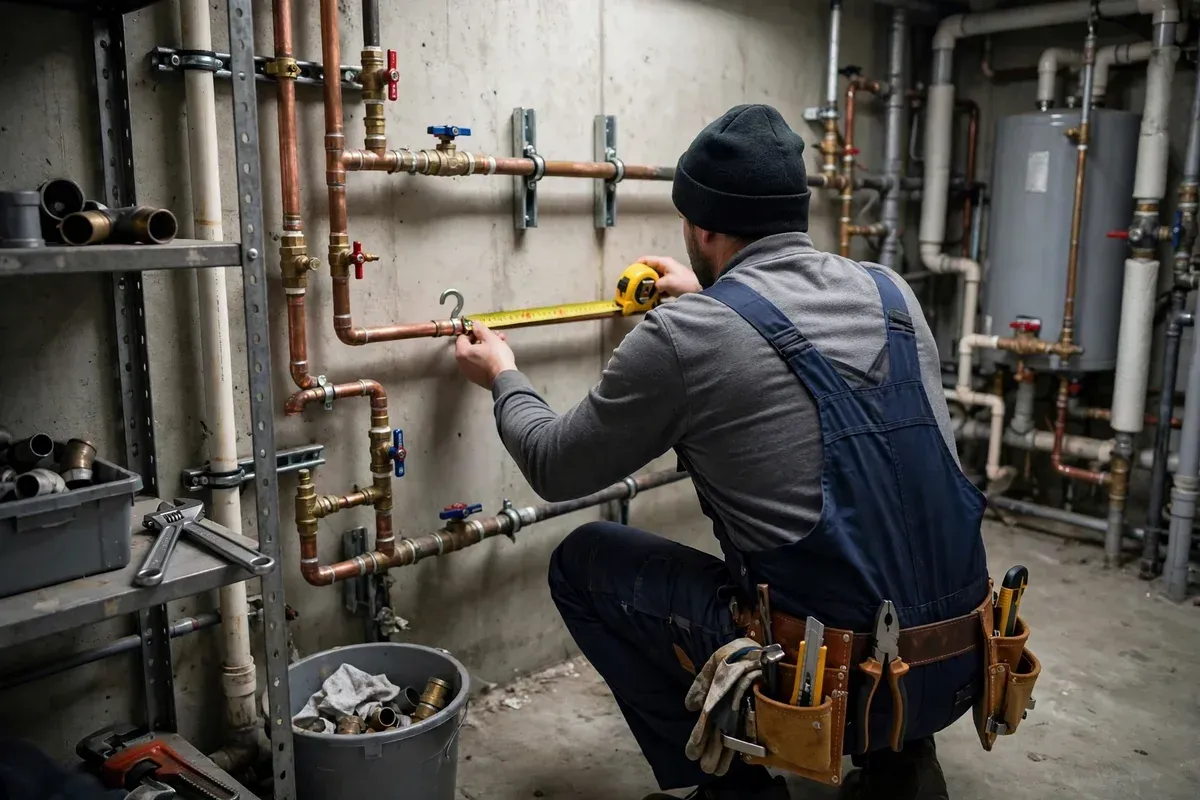
We walk the house: material, routing, access, fixture count and pressure. The written scope follows that walk — which lines, which material, which access points, and what patching is included.
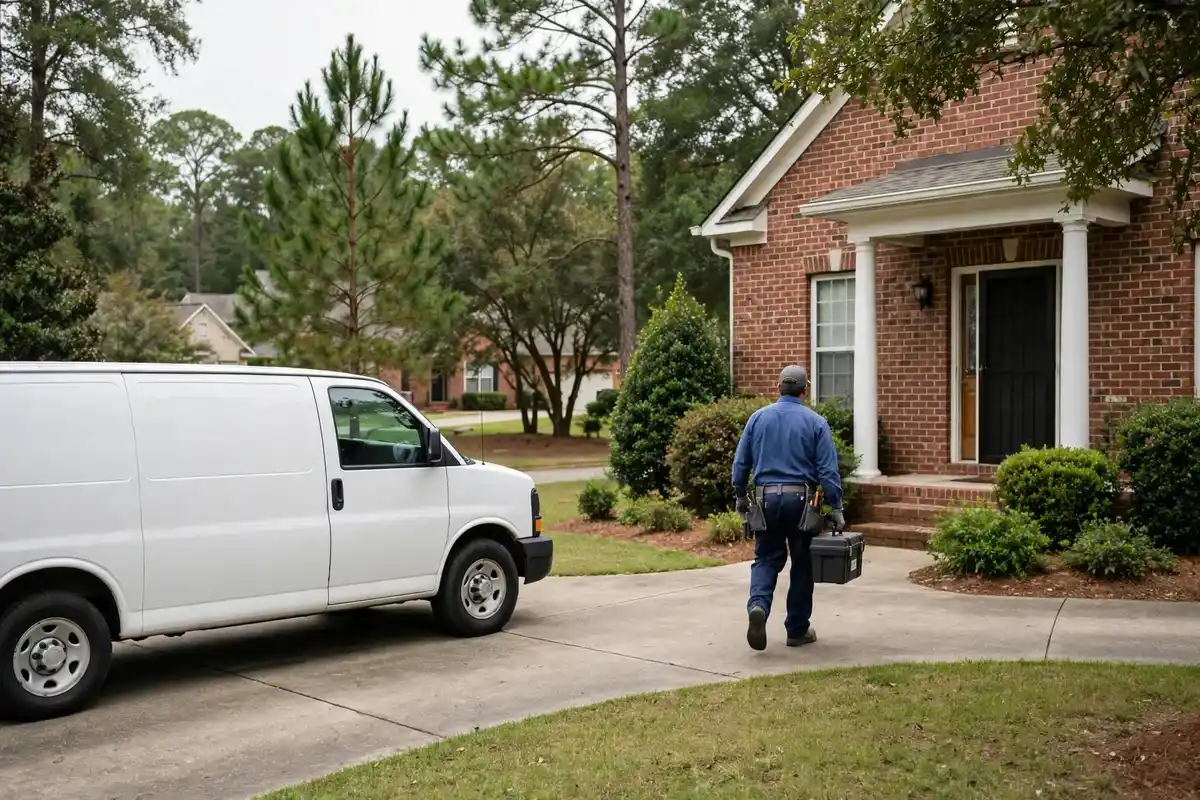
New lines are run, fitted and connected fixture by fixture, keeping water available where the phasing allows. The system is pressure-tested and every fixture run before walls are closed.
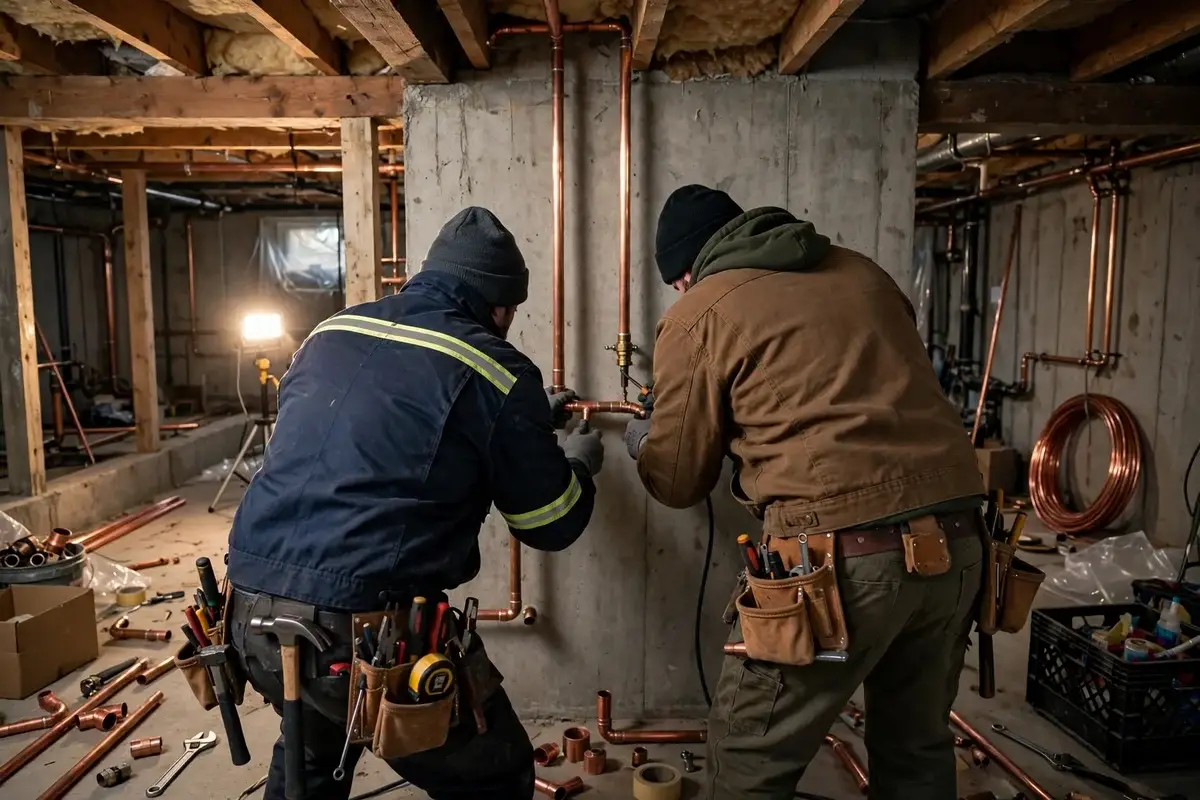
Before we leave, new runs are pressure-tested and every fixture is run, and we walk you through what was replaced and what to watch next.
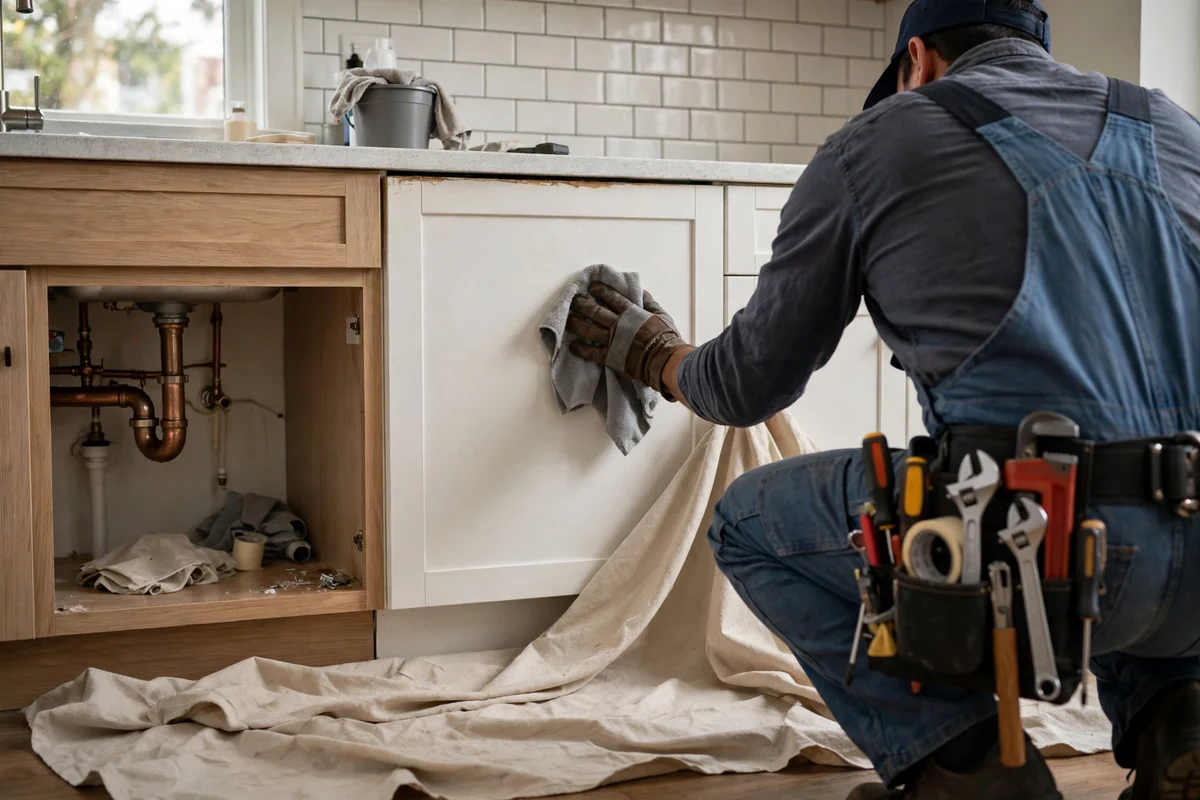
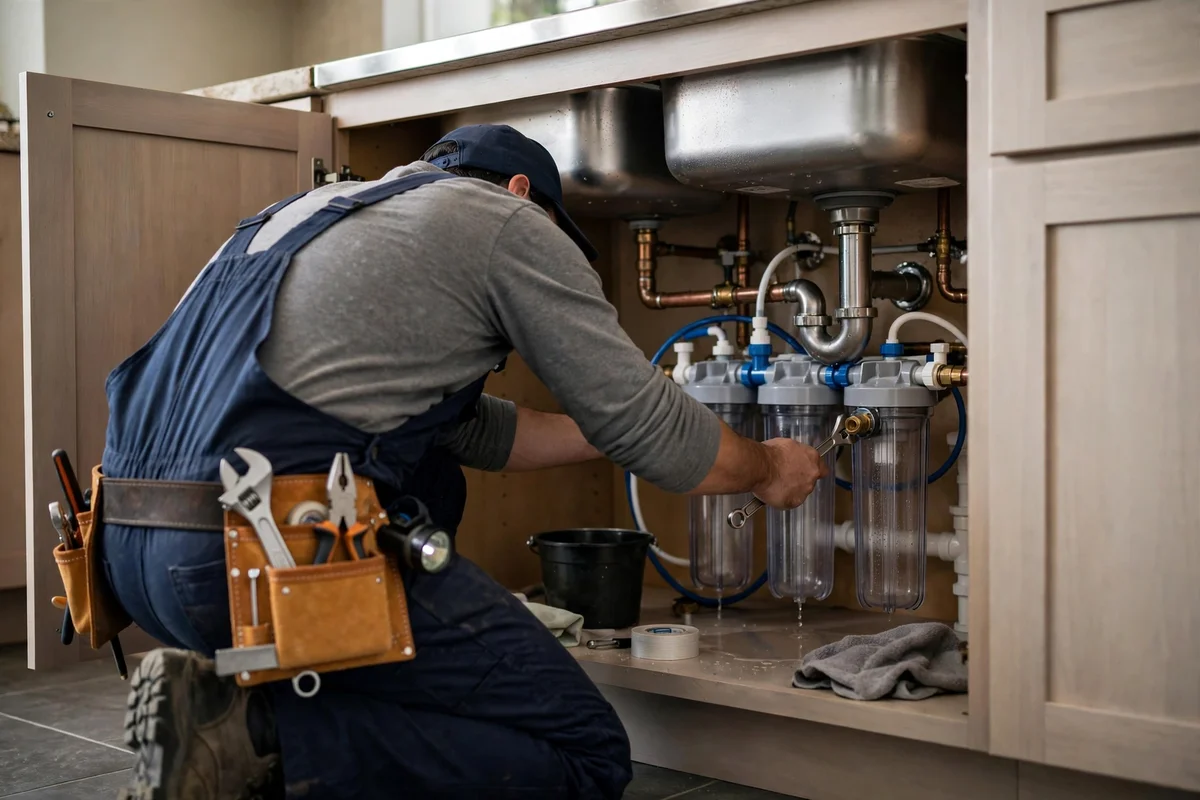
Cuts copper cleanly and makes press connections without an open flame, which matters in attics and near framing where a torch kit is a fire risk.
Used on PEX tubing for fast, reliable connections at every branch and stub-out. Each fitting is crimped to spec and pressure tested before the wall closes.
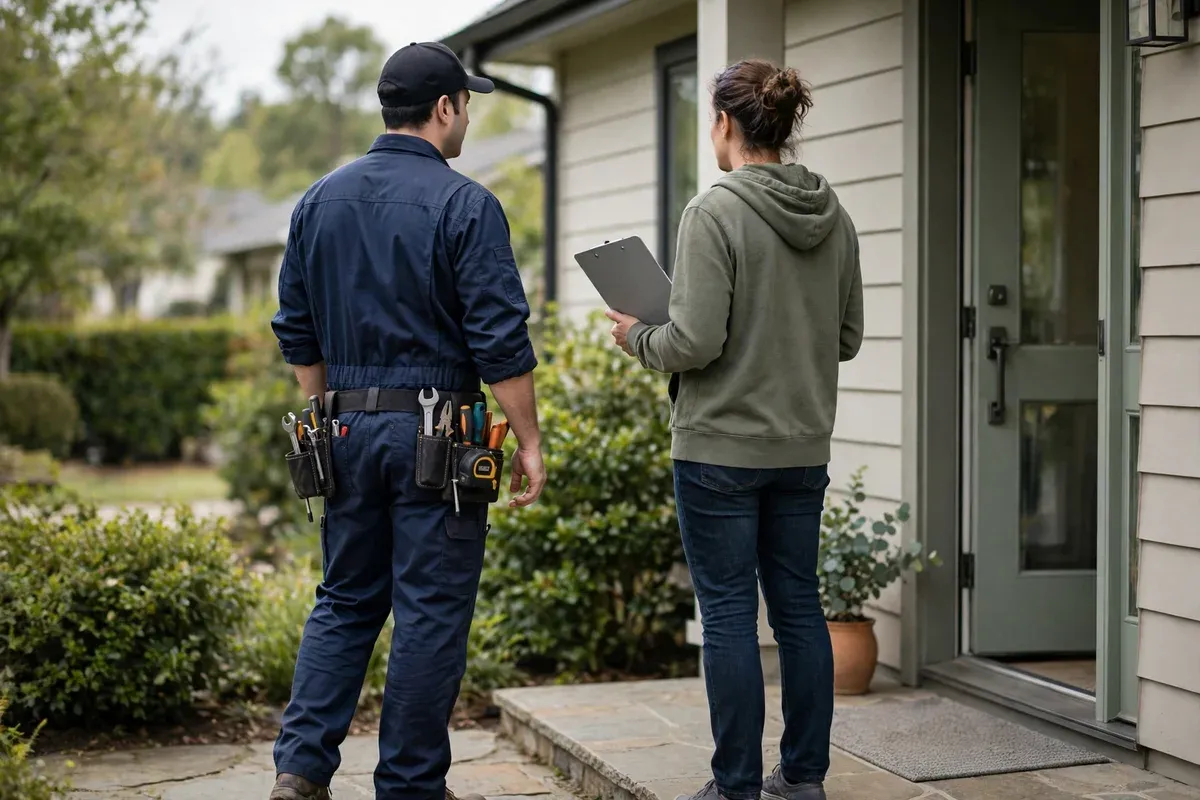
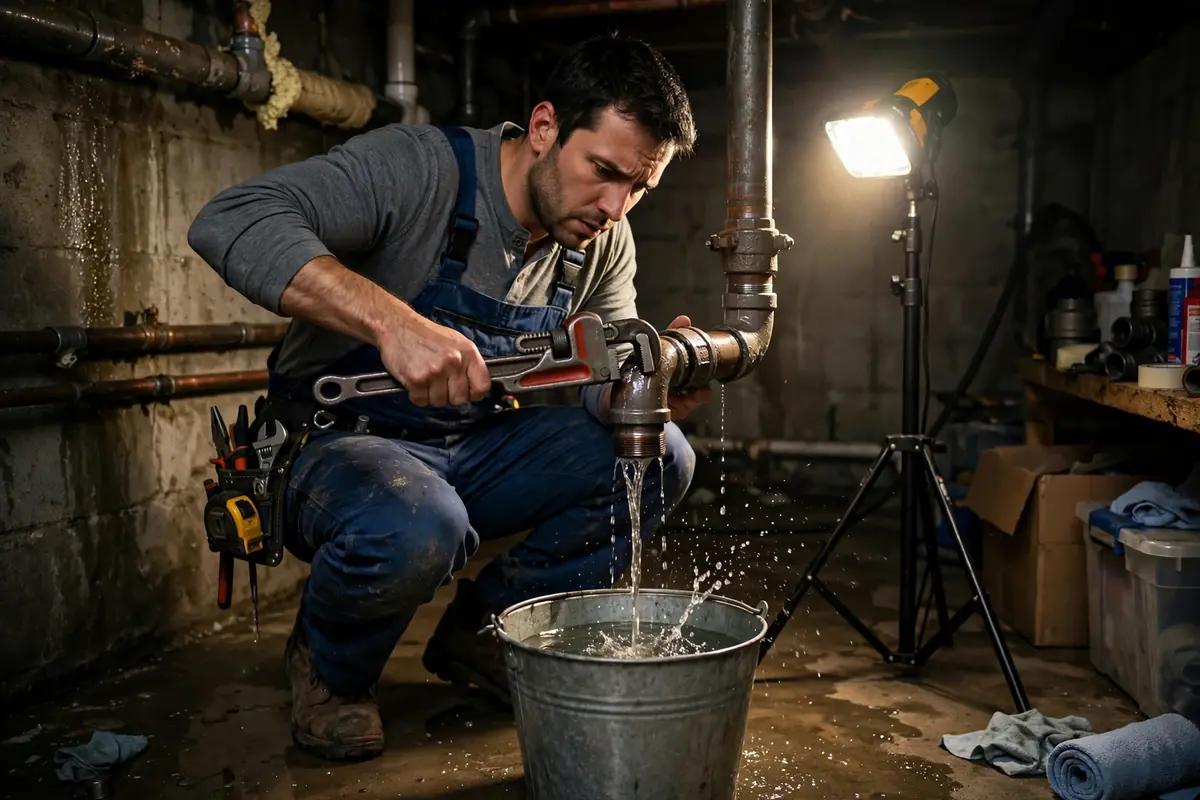
Finds slab leaks and hidden line failures before we cut. Knowing exactly where the leak is keeps the repipe scope honest and the access holes small.
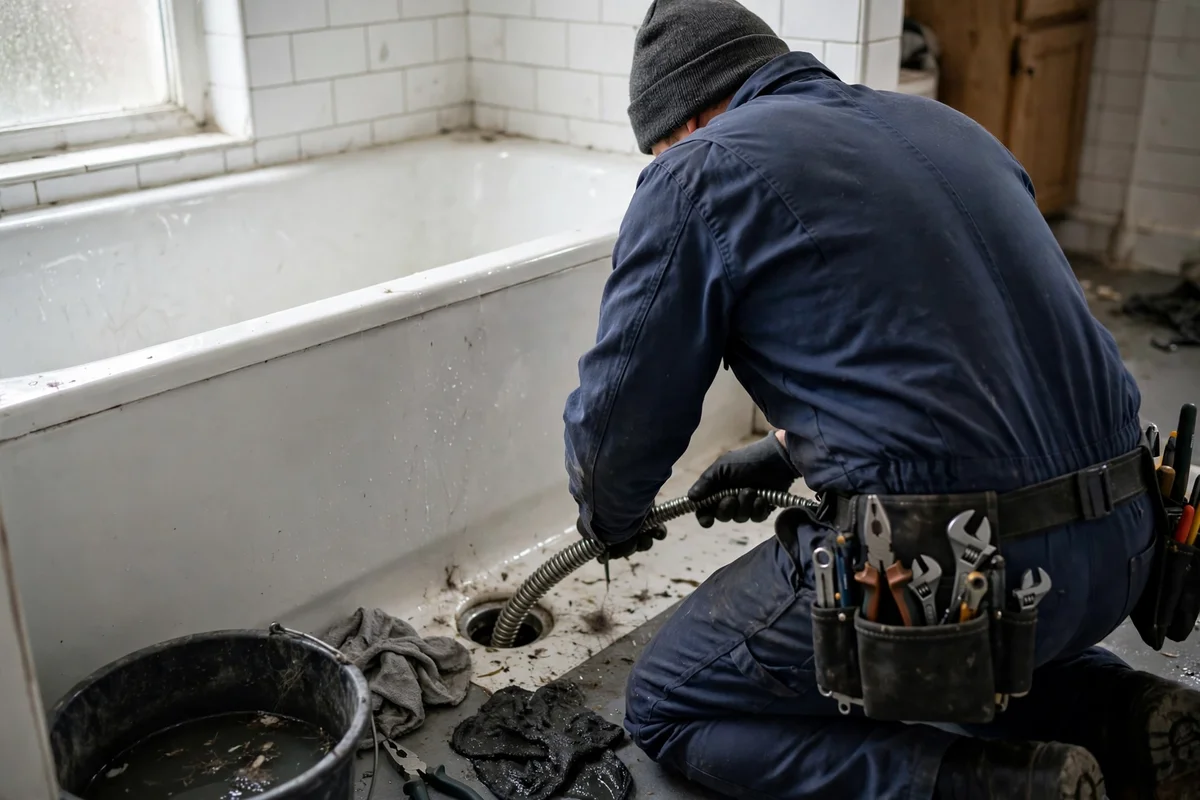
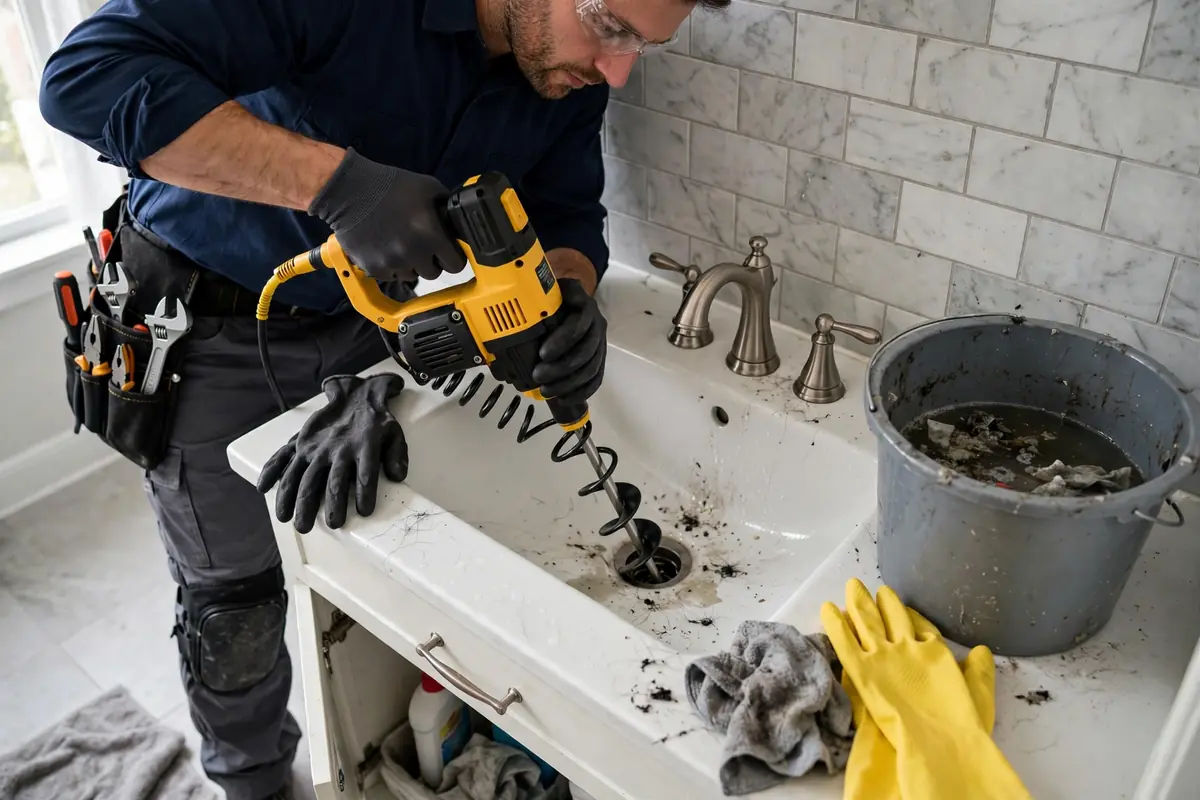
Confirms drain lines are undamaged during the repipe and checks for root intrusion in Conyers clay soil before we close up access points.
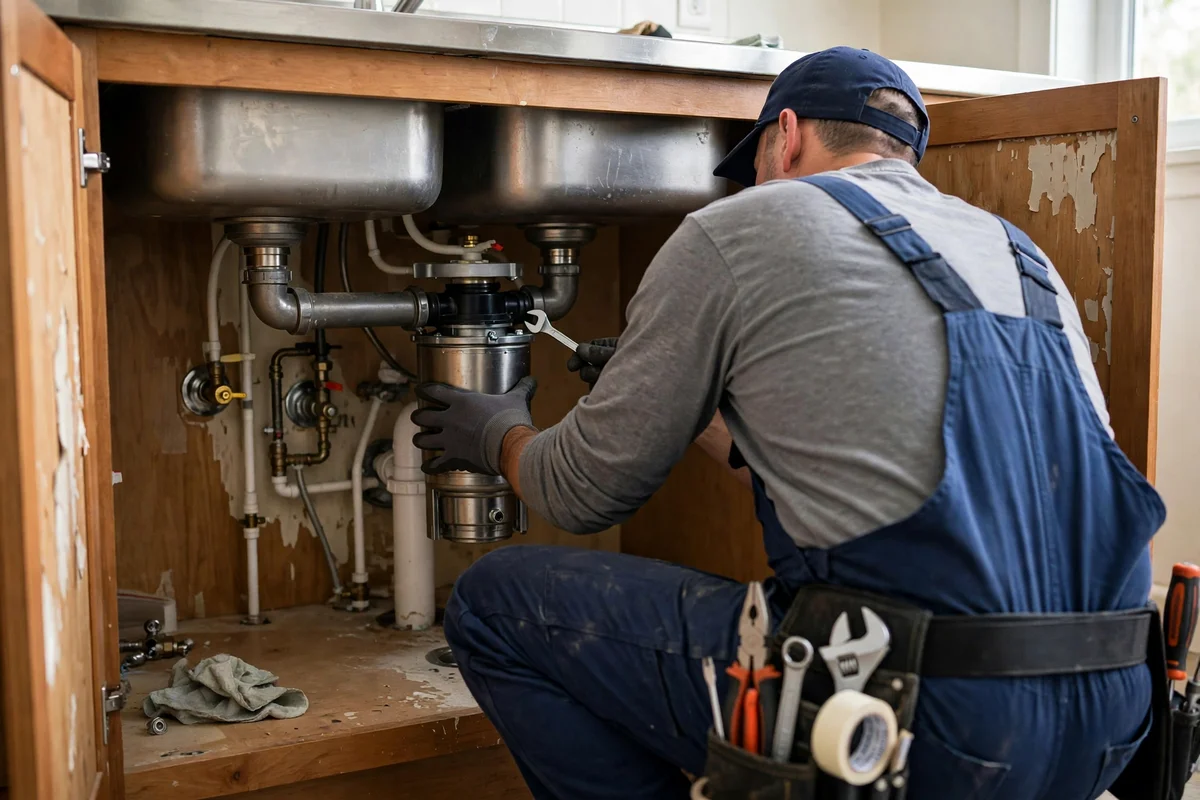
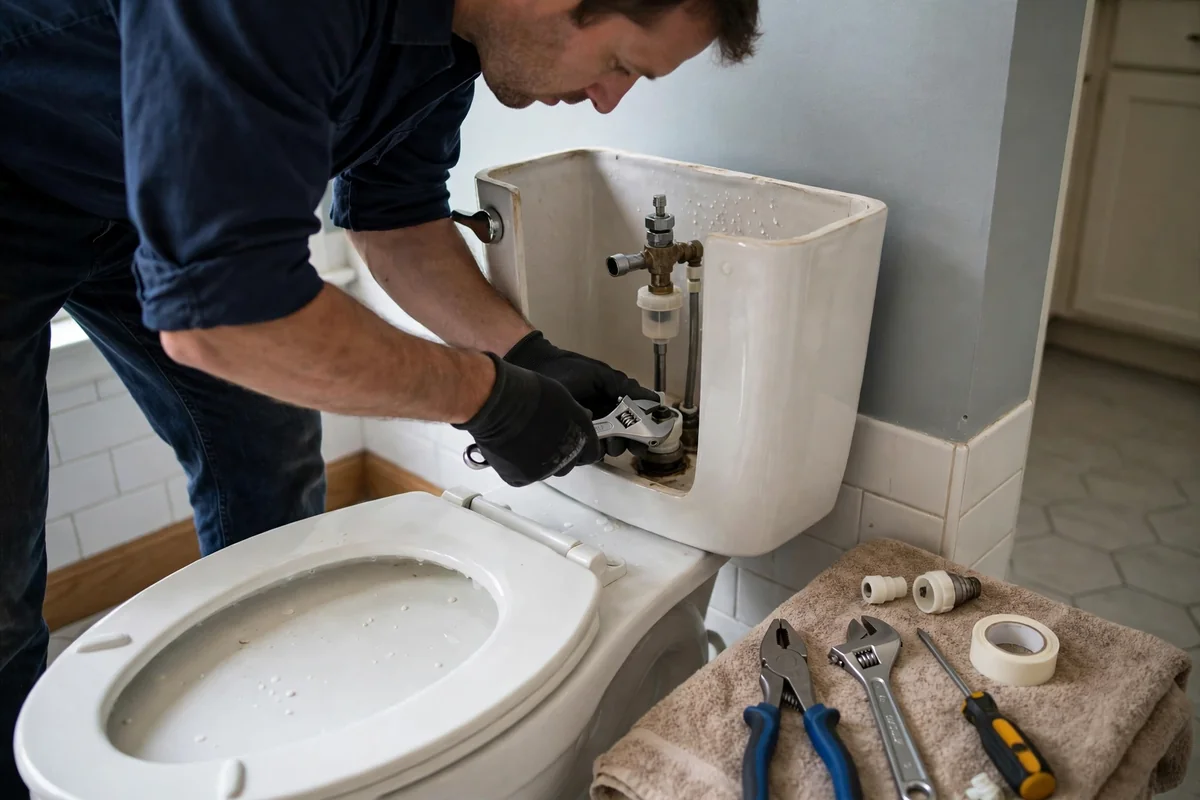
Handles the fixture work at the end of the job, from removing old angle stops to clearing a slow branch line uncovered during the repipe.
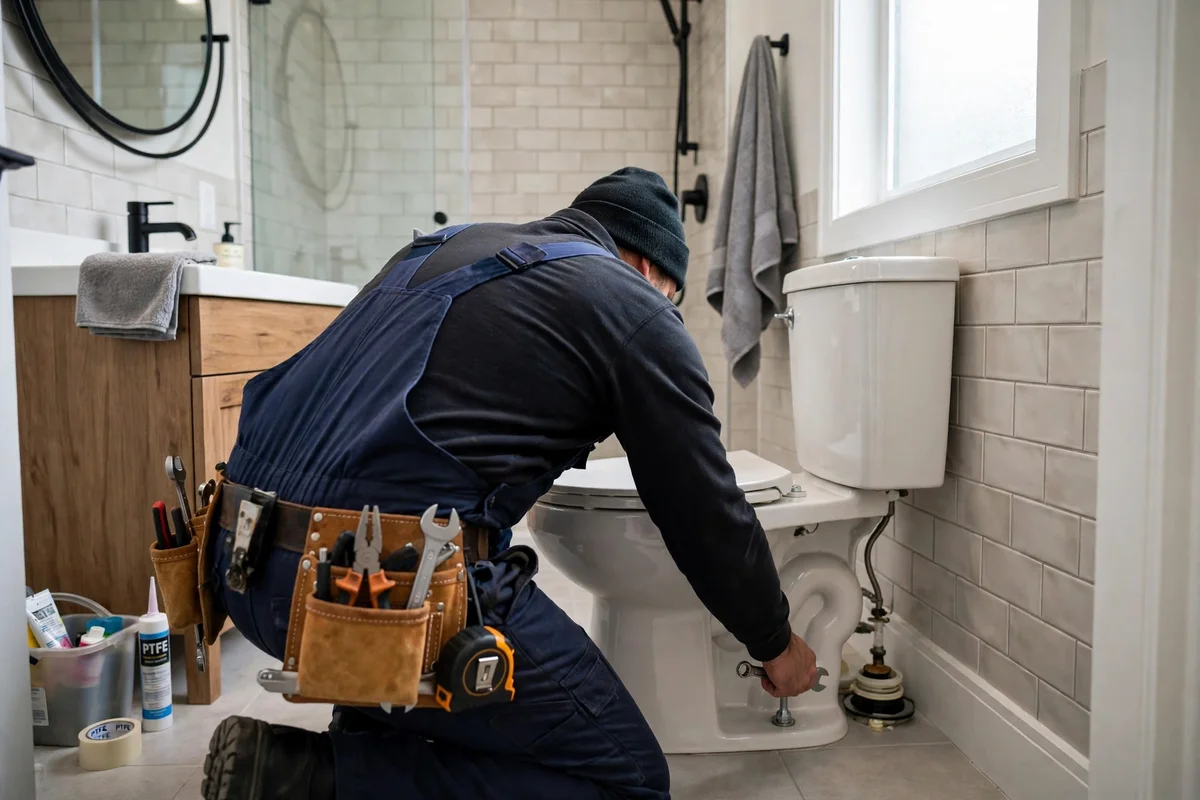
Holds the new system at 100 PSI for at least an hour so every joint is proven before drywall goes back up.
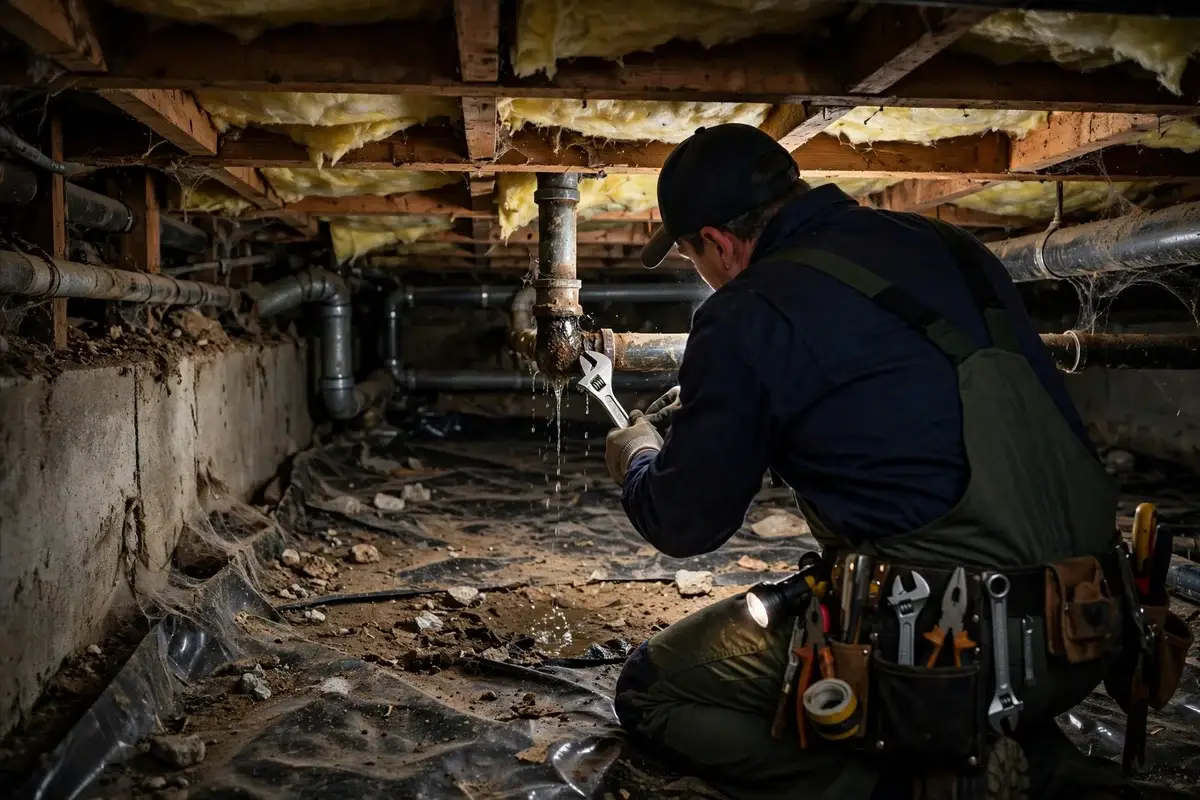
Every repipe is sized, supported, and protected to code. Pipe is strapped at required intervals, protected from framing contact, and routed to allow expansion. The inspector signs off on the rough-in before we close walls.
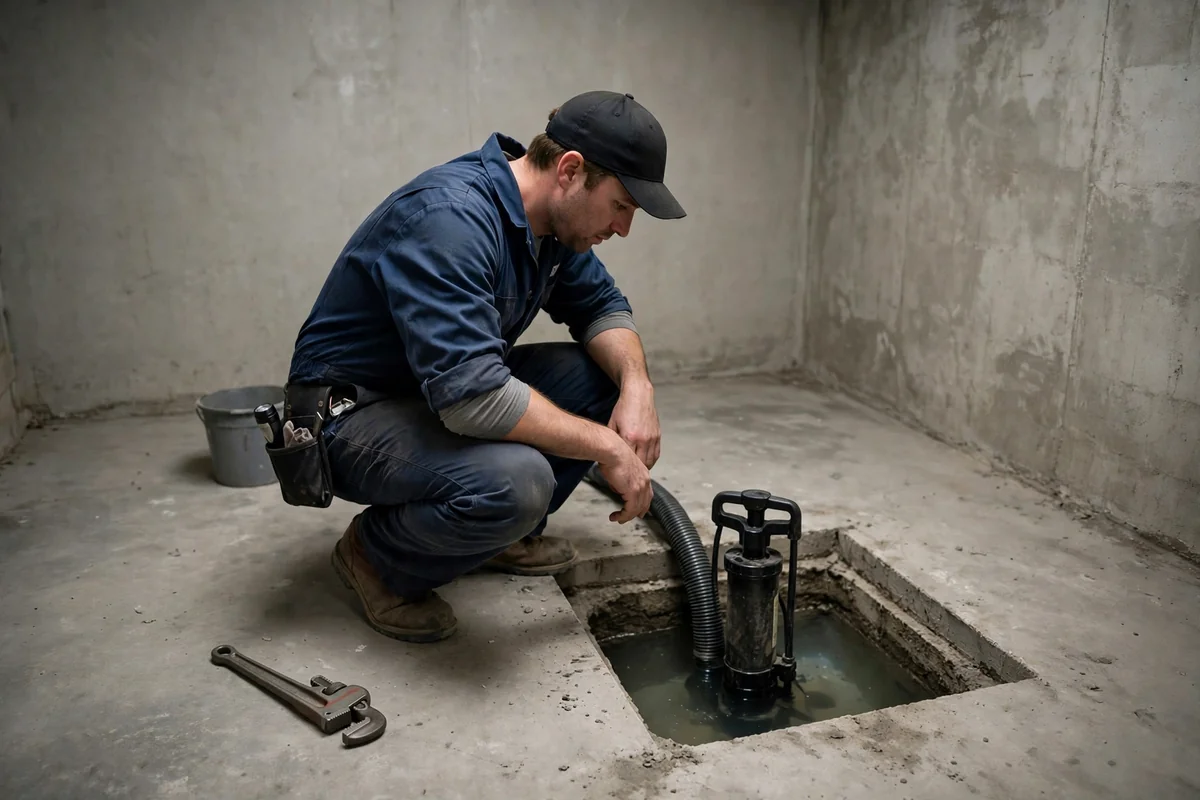
When a supply line fails under a slab, we abandon it and run the new line through the attic or wall cavity. This removes the pipe from the slab entirely and prevents a repeat failure in the same spot.
Successive leaks at different points mean the material is failing, not one joint. Renewing the system ends the cycle of section repairs.
Galvanized lines choke from inside with age. When testing shows a choked system rather than a valve fault, repiping restores flow properly.
Corrosion inside ageing steel lines discolours water and sheds material. A new system removes the source rather than filtering the symptom.
Homes from the 1978–1995 window are checked for their actual pipe material during the house walk. What is found — not what the era suggests — decides whether repiping is recommended.
Conyers repiping follows housing era and construction type. A lot of stock dates to the 1950s through the 1980s, when galvanized steel and early copper were standard, and that pipe is now at or past service life. Crews work in crawlspaces, attics and slabs depending on how the house was built, routing new lines to avoid the conditions that damaged the old ones. Summer attic heat means lines are strapped and insulated for expansion; winter freezes mean crawlspace runs are protected. Permits are checked as applicable, and inspections follow the adopted code. The house walk, not a standard package, sets the scope.
Successive leaks appeared at different joints and runs, each repaired, each followed by another.
A house walk mapped a galvanized system at end of life. The supply system was renewed, pressure-tested and walked through fixture by fixture.
Leaks that move around the house are a system signal. Count the locations, not just the leaks.
Every fixture ran weakly, with no valve fault and no visible leak to explain it.
Testing showed a galvanized system choked by internal corrosion. Renewal restored normal pressure at every fixture.
House-wide pressure loss with no single cause is usually a material problem. Testing separates it from a valve fault.
Water ran discoloured after sitting, clearing only after long running.
The house walk found corroding steel supply lines. Renewal removed the source, and water ran clear from the new system.
Discolouration that returns after flushing points to the pipe, not the fixture. Note whether it clears with running.
Most repiping jobs fall into a handful of categories. Here are the ones we see most often in Conyers and how each is handled.
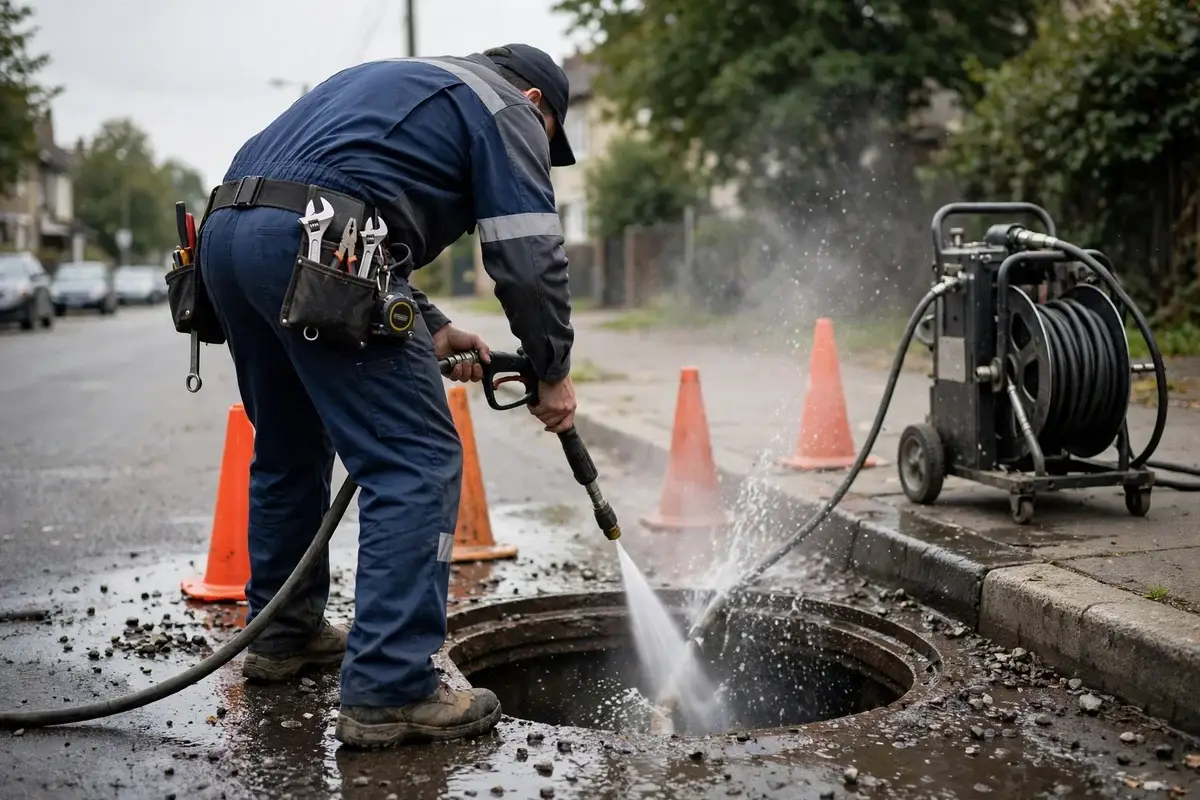
Successive failures at different points mean the material has reached end of life. Renewal ends the repair cycle.
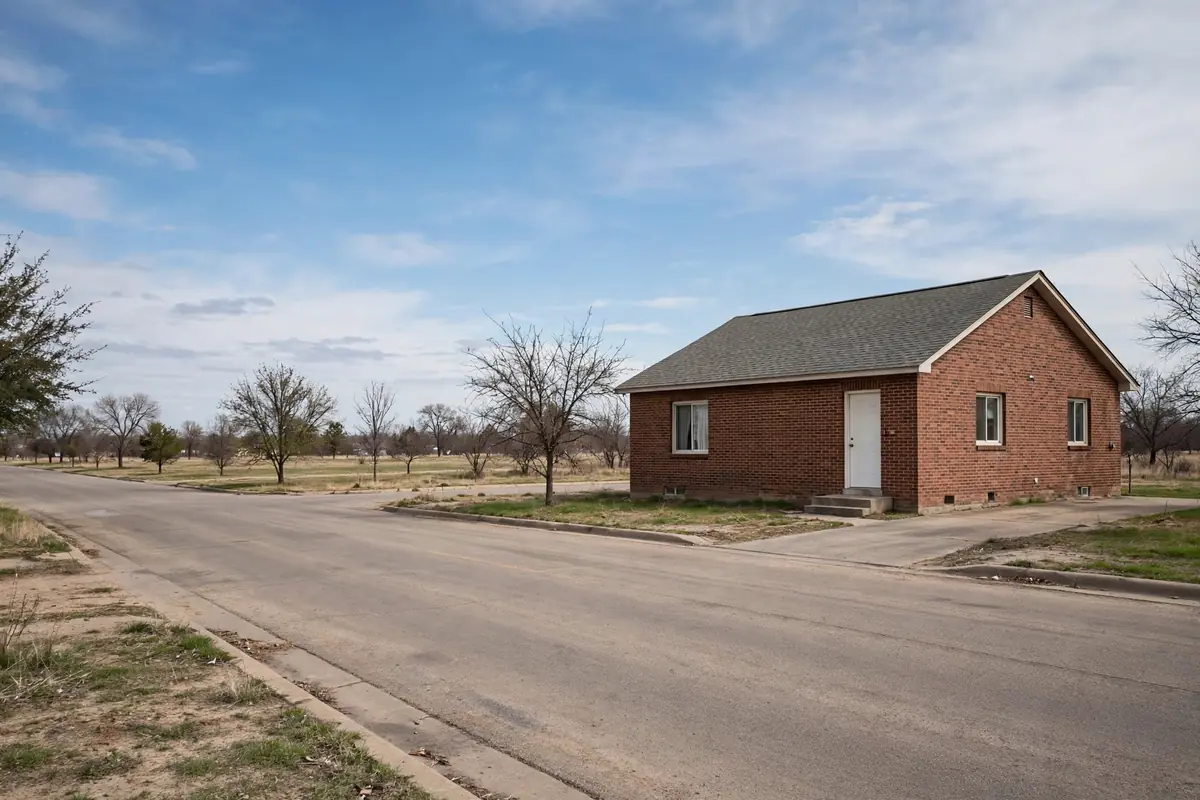
Choked galvanized or scaled lines are renewed, restoring flow at every fixture rather than at one tap.
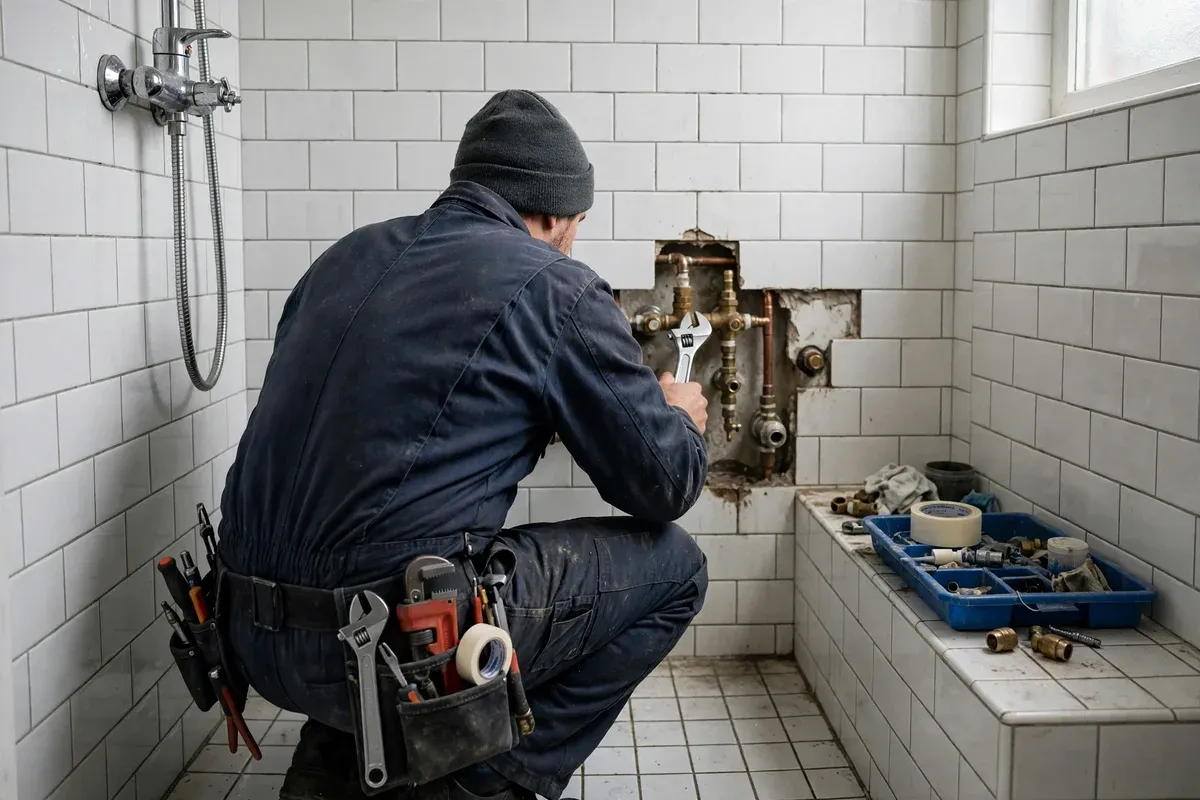
Corroding lines are removed at source, so water quality improves without relying on point-of-use filtering.
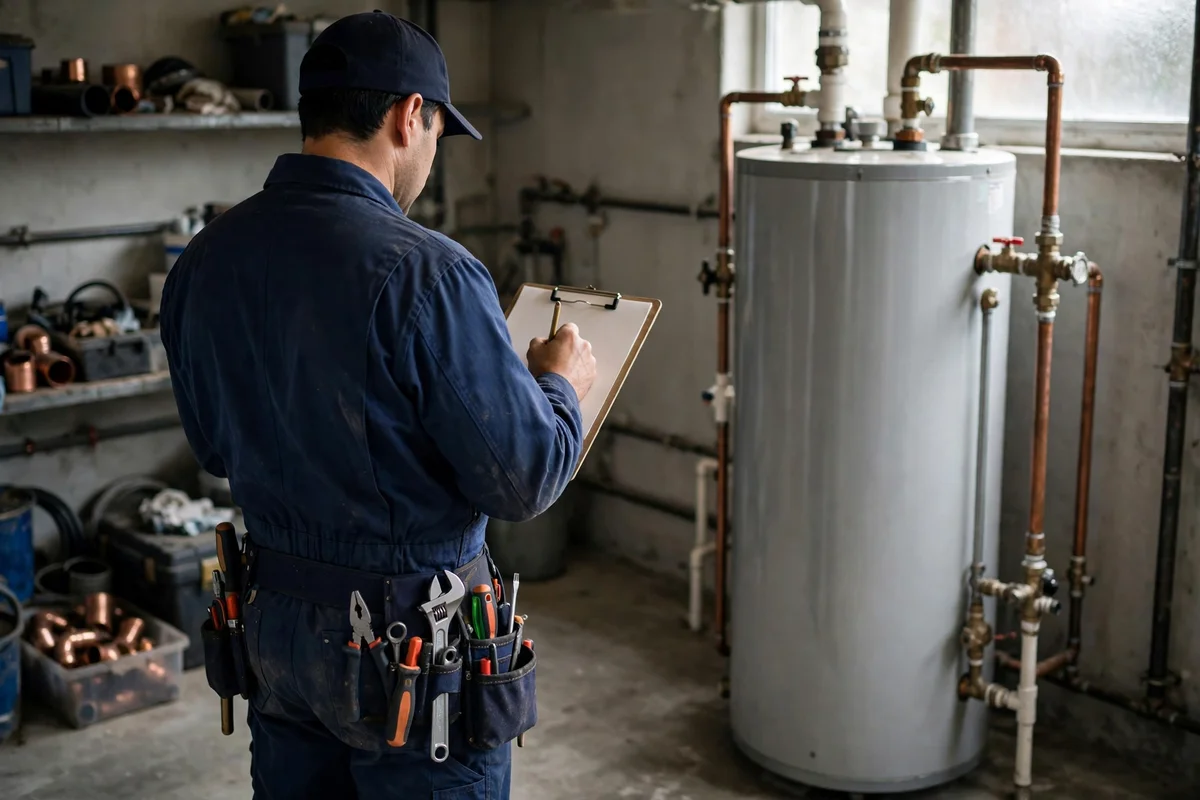
Where the house walk actually finds polybutylene-era pipe, renewal is discussed on that finding — never on the era alone.
You agree the price and the scope before work starts, including material, route, and restoration. Oct-2026 Atlanta market data on this page is background only, never a quote for your job — call for a written price before work.
Repipe work is built to the 2024 International Plumbing Code with Georgia Amendments, effective 1 January 2026. Permits are checked with the City of Conyers or Rockdale County as applicable, and the permit route is agreed before the first wall is opened.
The written scope follows the house walk: material, routing, access, fixture count and patching, priced for that house before work starts.
New supply runs are pressure-tested end to end and every fixture is run before we pack up, and old pipe is shown to you so you can see what was replaced.
Clear records you can keep and share.
Agreed before any repair work begins.
Every fitting and fixture noted on the invoice.
Line tested and confirmed before we leave.
Three facts make a repipe consultation accurate. Here is what to have ready.
Where leaks have happened and how often matters more than any single leak. Note locations and dates if you can.
Slab, crawlspace or a mix decides routing and access. If you know, say so before the walk.
Discolouration, pressure loss or taste changes each point to different material failures. Note what you observe.
Call to confirm coverage in your part of Conyers and Rockdale County. +17708971640
4.7 stars from 7 Google reviews · Read reviews on Google
Monday to Friday, 9 AM to 5 PM; Saturday and Sunday closed. If a burst pipe or sewer backup happens outside those hours, shut off the water, stop running water, and call +17708971640 at 9 AM. If you smell gas, leave the building first and call 911 or your gas utility — do not wait for a plumber.
No firm price is possible before the house walk, fixture count, routing and access are known. As background only, Oct-2026 Atlanta market data, not SoCo Plumbers' prices — call for a written price before work.: whole-house repipe averaged around $7,508 in Angi Atlanta data from May 2026. Your written price follows the walk.
That can only be answered by looking. Homes from the 1978–1995 window are checked for their actual pipe material during the house walk, and no diagnosis is offered on era alone.
Access openings are part of the written scope, including what patching is included. Openings are kept to where the new routing requires them, and the extent is discussed before work starts.
Leaks in a new place every few months, pressure gone house-wide, or discoloured water — call SoCo Plumbers at +17708971640 during business hours. Walk first, price in writing, then renew.
Call SoCo Plumbers Monday to Friday, 9 AM to 5 PM for repiping. Tell us your leak history, your construction type if you know it, and what the water is doing.