Detection findings
Which section lost pressure, and which joint, connector or pipe section was proven as the source
If you smell gas, this page has one instruction that outranks everything else on it: leave the building, do not switch lights or appliances on or off, do not use a phone inside, and call 911 or your gas utility from outside. Gas leak detection by a plumber happens after the area is safe, and this page describes that work, not a substitute for evacuation. SoCo Plumbers is open Monday to Friday, 9 AM to 5 PM, and closed Saturday and Sunday. If you call outside those hours, call again during business hours.
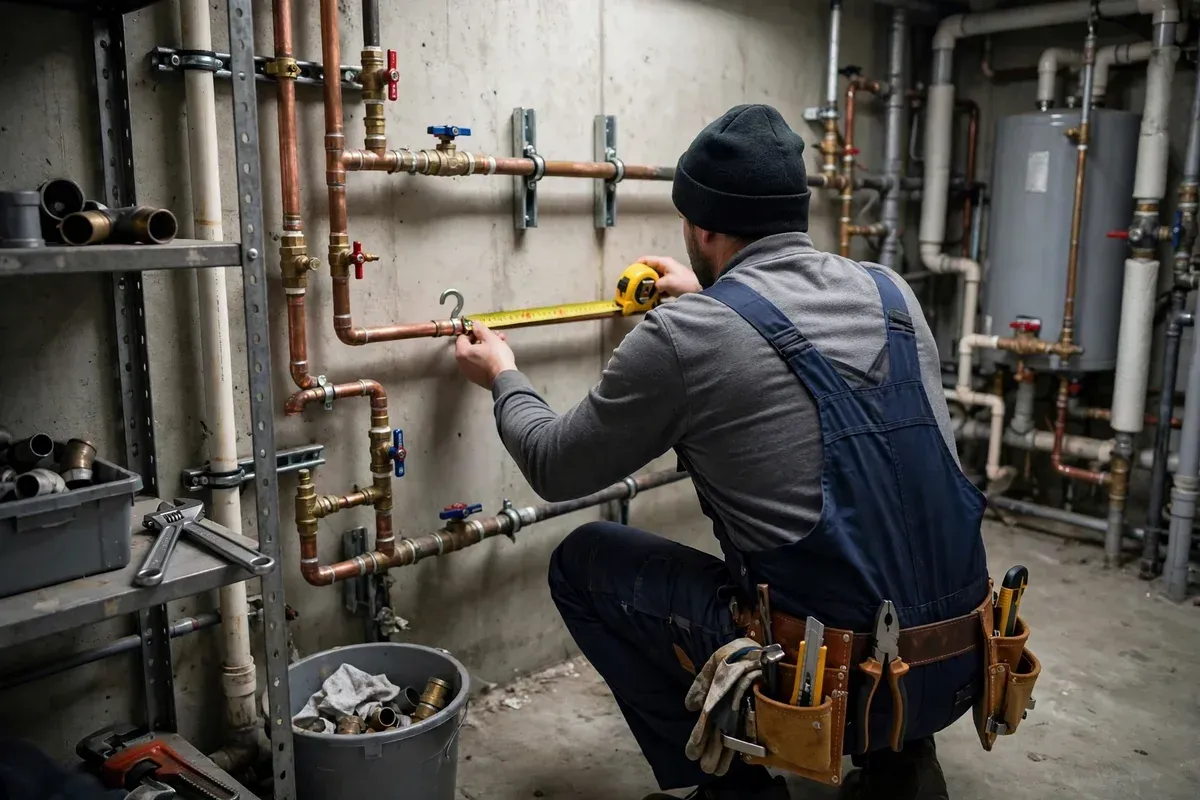
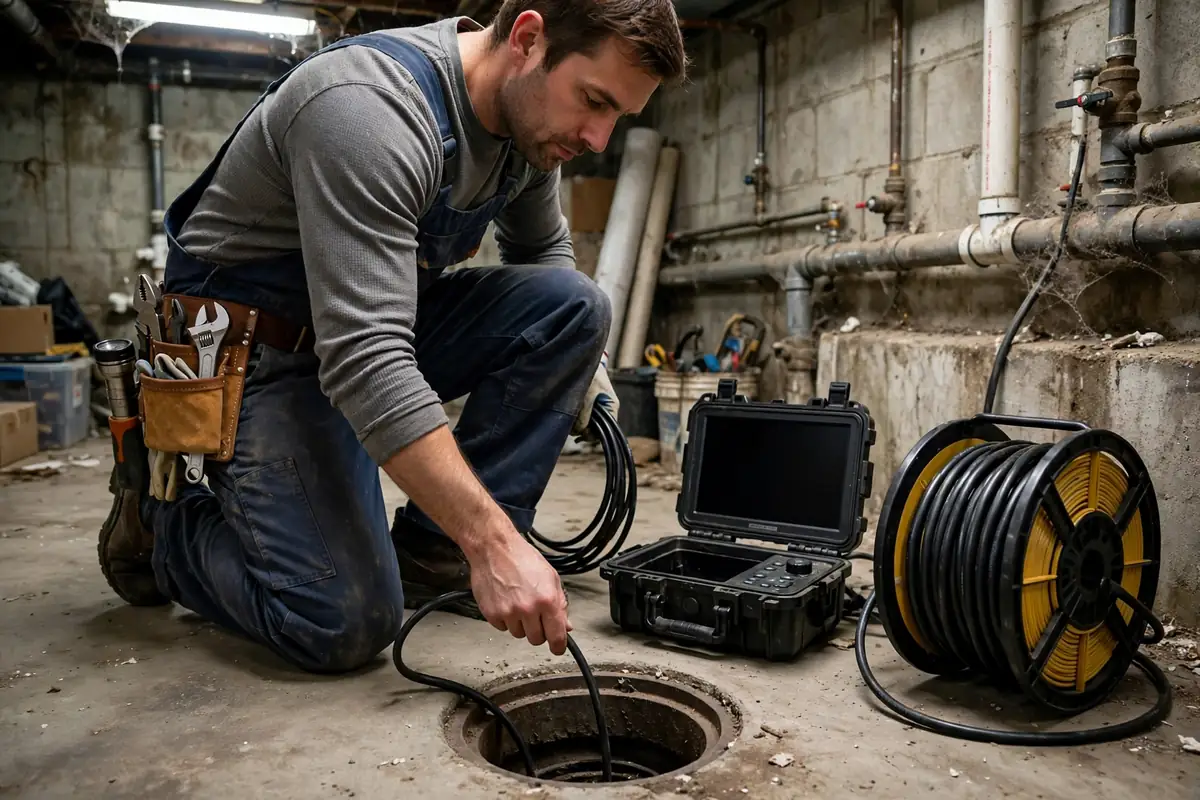
Gas leak detection is the work of finding a leak's source once the building is safe to enter. It is methodical: isolate, test, narrow down, prove the joint, then repair and retest. No step is skipped because the smell seems to have faded.
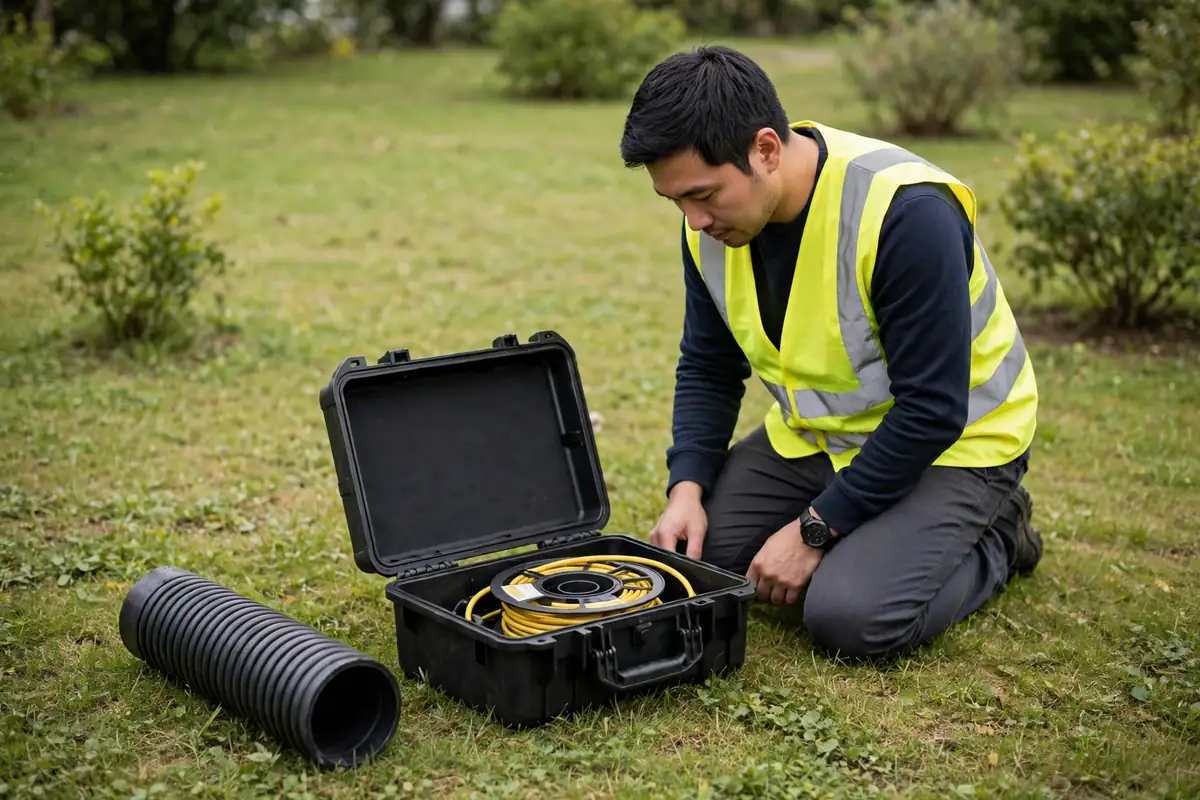
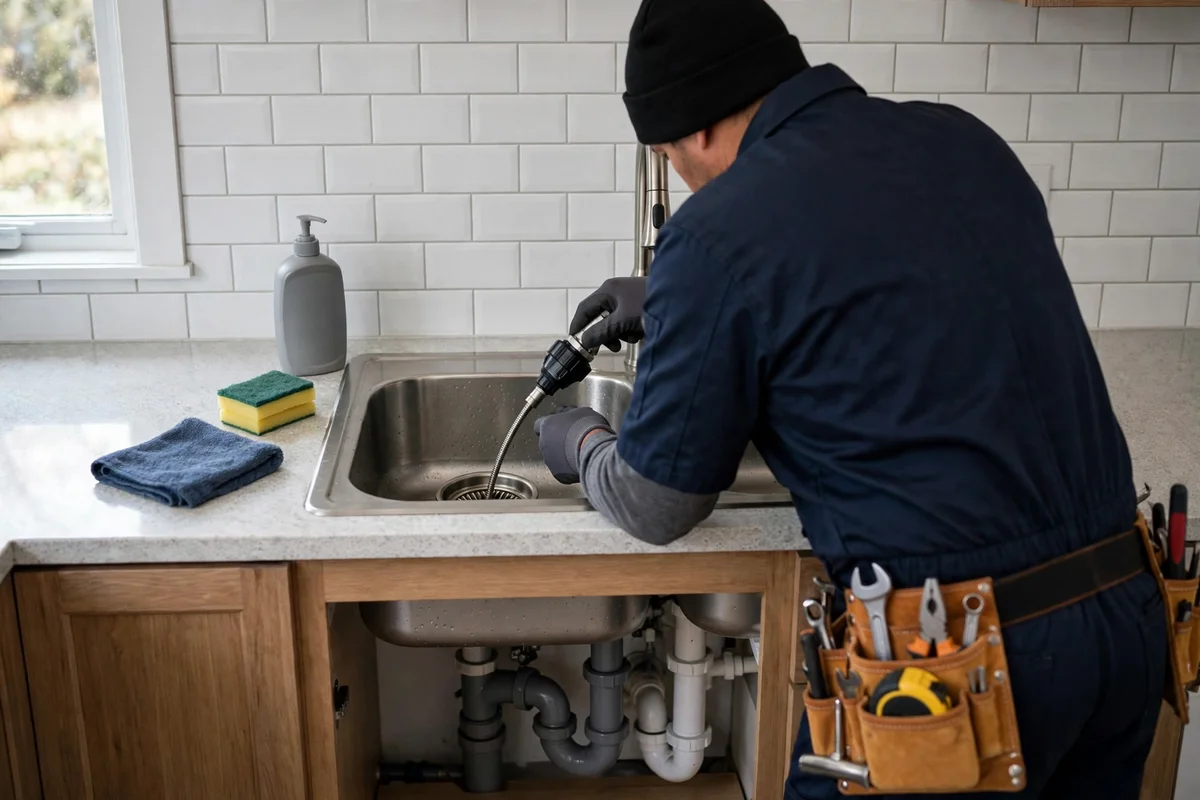
In Conyers homes, suspected leaks most often involve ageing connectors, corroded joints, or a line disturbed during a remodel. The detection method is the same in each case, and it starts only after evacuation and utility or emergency response.
Small commercial premises with cooking or heating appliances follow the same safety-first sequence. Large commercial or industrial gas systems are not claimed on this page, and a suspected leak in such a system follows utility and emergency direction first.
Natural gas is odourised so a leak can be smelled, but smell alone cannot locate a leak, judge its size, or prove it has stopped. Detection works by narrowing: the gas system is divided into sections, each section is pressure tested, and the section that loses pressure is then checked joint by joint with approved methods until the failed joint, connector or pipe section is found. That sequence is why detection is a plumber's job after safety clearance, and why it cannot be done by sniffing around a kitchen or by tightening a fitting and hoping. Work in Conyers follows the 2024 International Plumbing Code with Georgia Amendments, effective 1 January 2026, and Georgia plumbing work as a business must be performed under a state licence through the Division of Master and Journeyman Plumbers. No licence number is published on this page, because none was supplied; ask for licence details when you call.
The other point this page must make plainly is timing. SoCo Plumbers is open Monday to Friday, 9 AM to 5 PM, and closed Saturday and Sunday, and a gas smell outside those hours is still an evacuate-and-call-911-or-utility event, not a wait-until-morning event. Our guide on what to do in Conyers when deciding between an urgent call and waiting until morning explains that distinction, and gas line installation and repair is the companion page for the repair work that follows a detection. If you smell gas now, stop reading and leave the building.
A gas smell is answered by leaving first and testing second, and that order is never reversed.
Evacuate, safety clearance, detection, repair, retest. That order never changes.
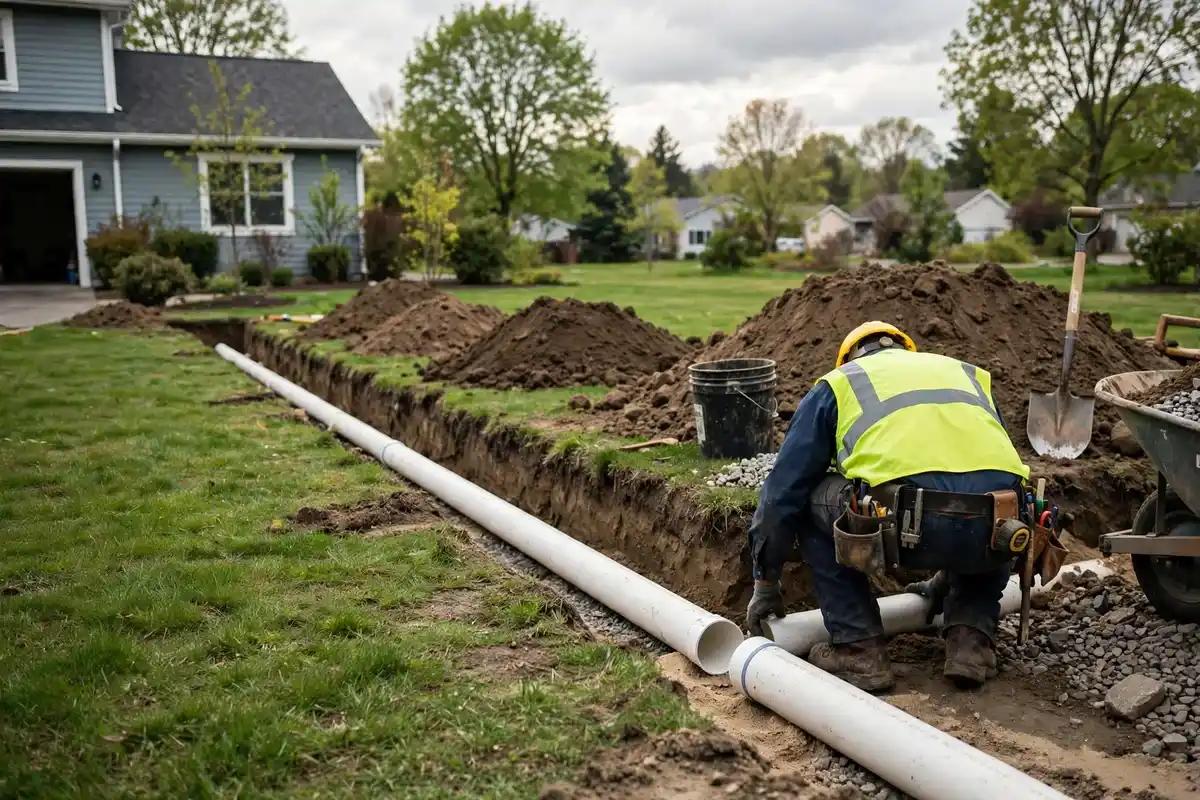
Leave the building, do not operate lights, appliances or phones inside, and call 911 or your gas utility from outside. This step comes before any plumber, including us, and before any detection.
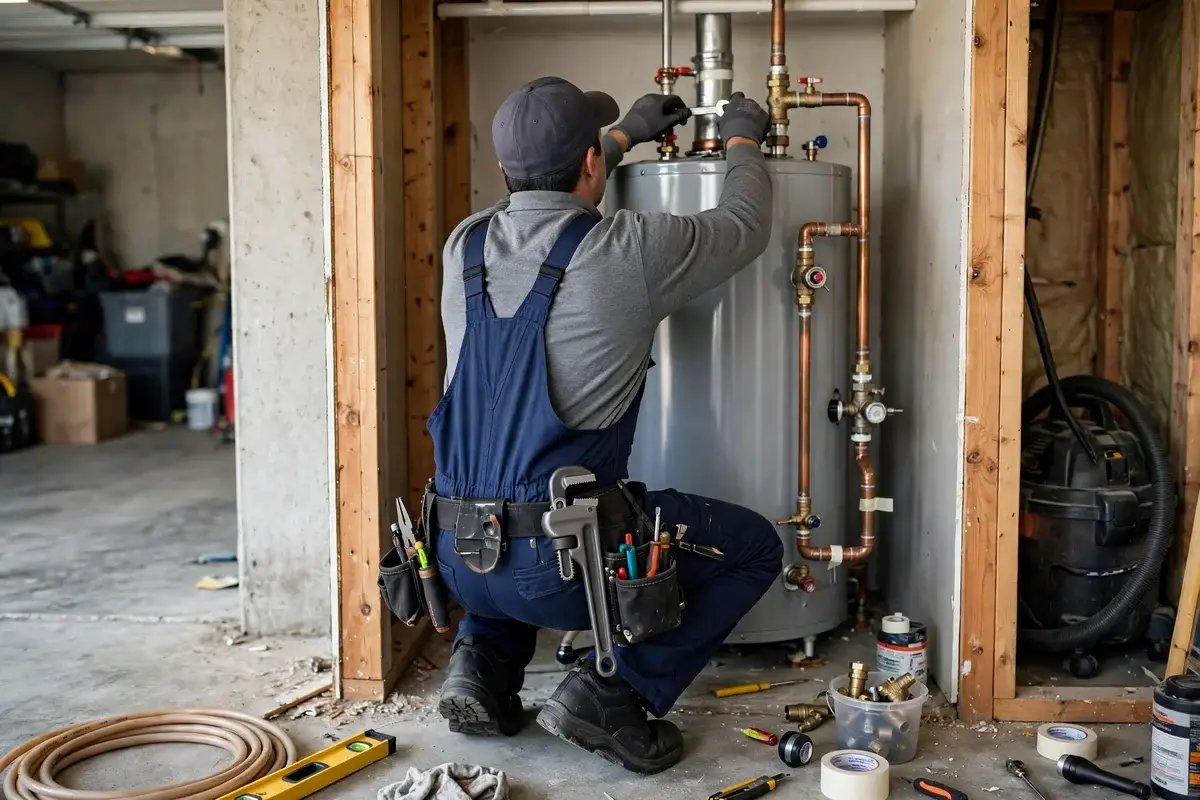
Detection begins only when the area has been declared safe to enter. If the utility or emergency responders have isolated the supply, that isolation stays in place until detection is ready to proceed.
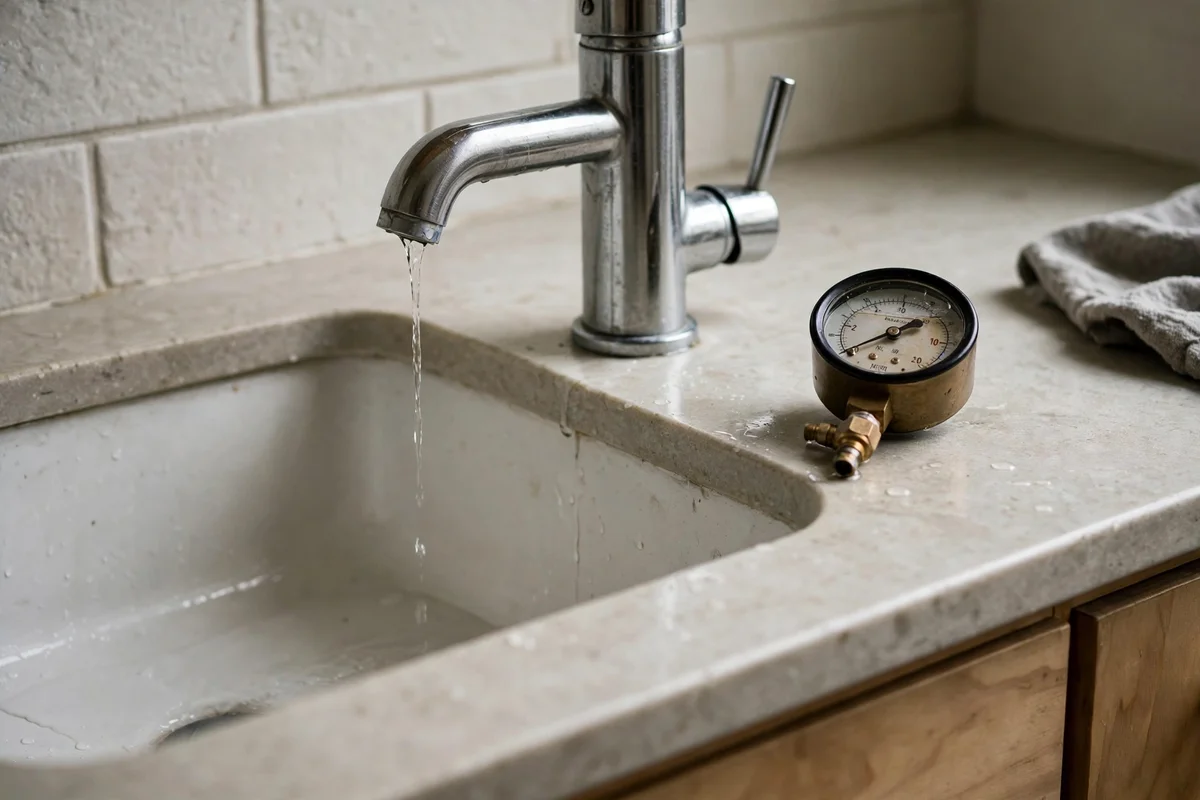
We divide the system and test each section in turn. The section that will not hold pressure is the section that contains the leak, and the search narrows from there.
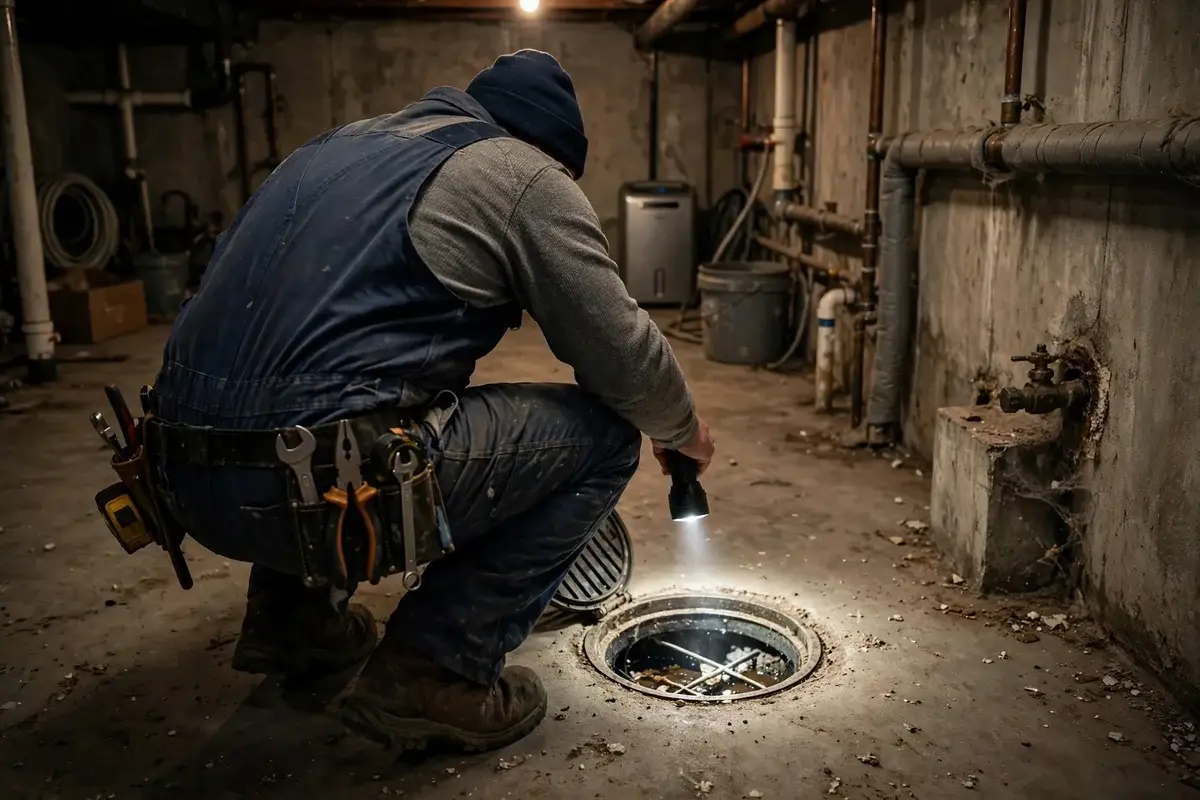
We check joints, valves and connectors in the suspect section with approved methods until the source is proven. A suspected joint is not repaired on suspicion alone.
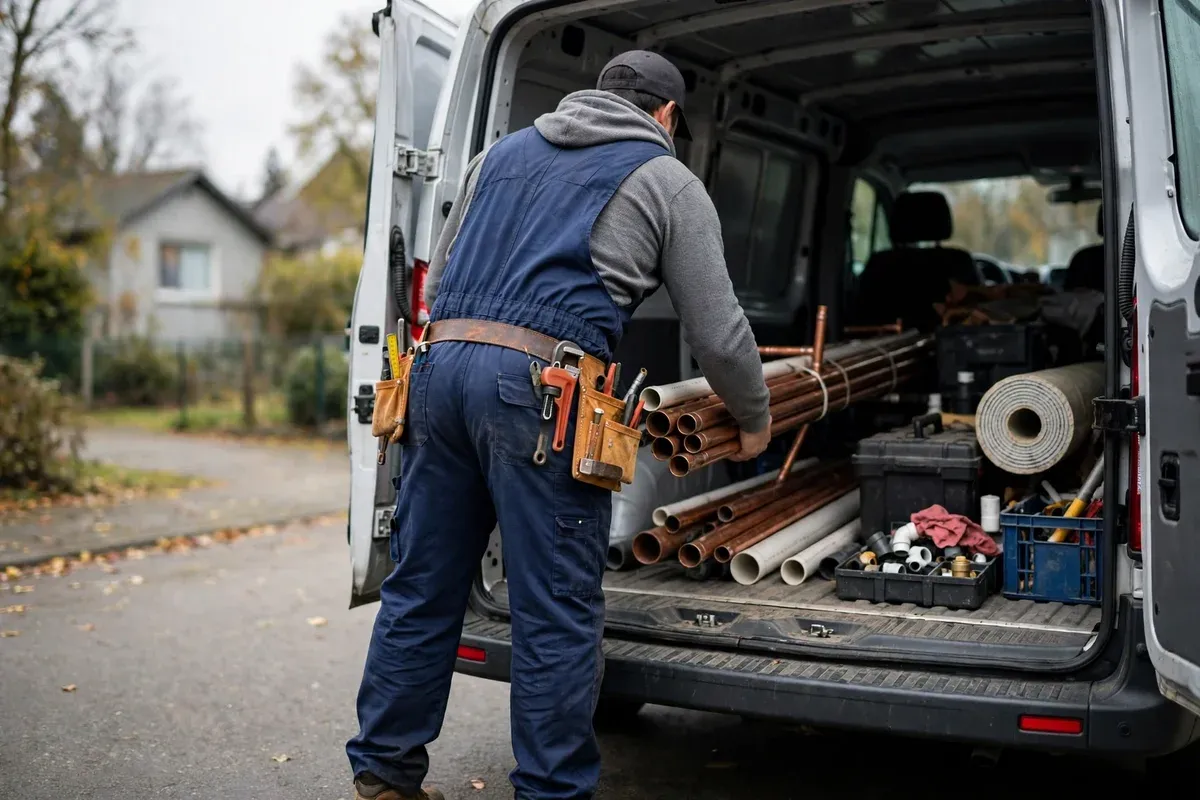
We give a written price before repair, repair or replace the proven source, retest the line, and explain the result, the shutoff location and the smell rule for the future.
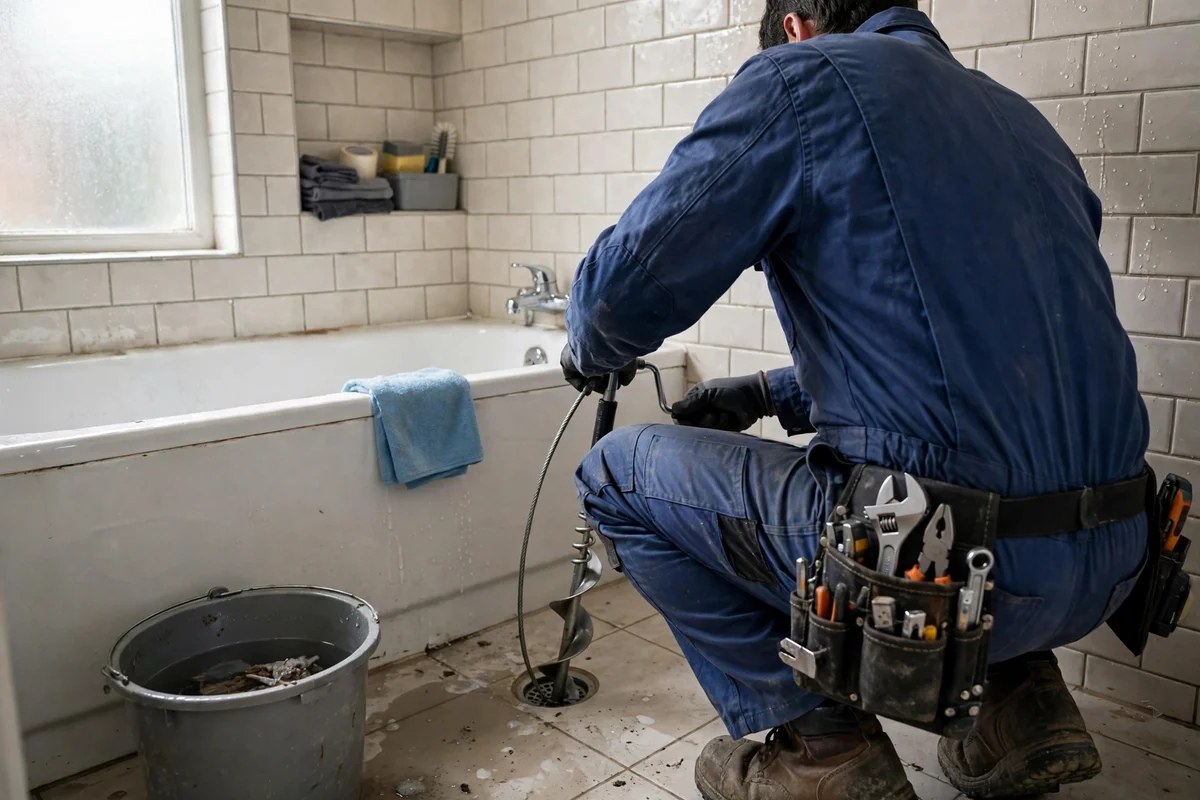
Gauges that prove, section by section, whether a run holds pressure. Pressure loss is the evidence that narrows the search.
Solution applied at joints to reveal a leak visibly, joint by joint, without relying on smell or guesswork.
Instruments that help locate gas presence in a suspect area, used alongside pressure testing, never as a substitute for it.
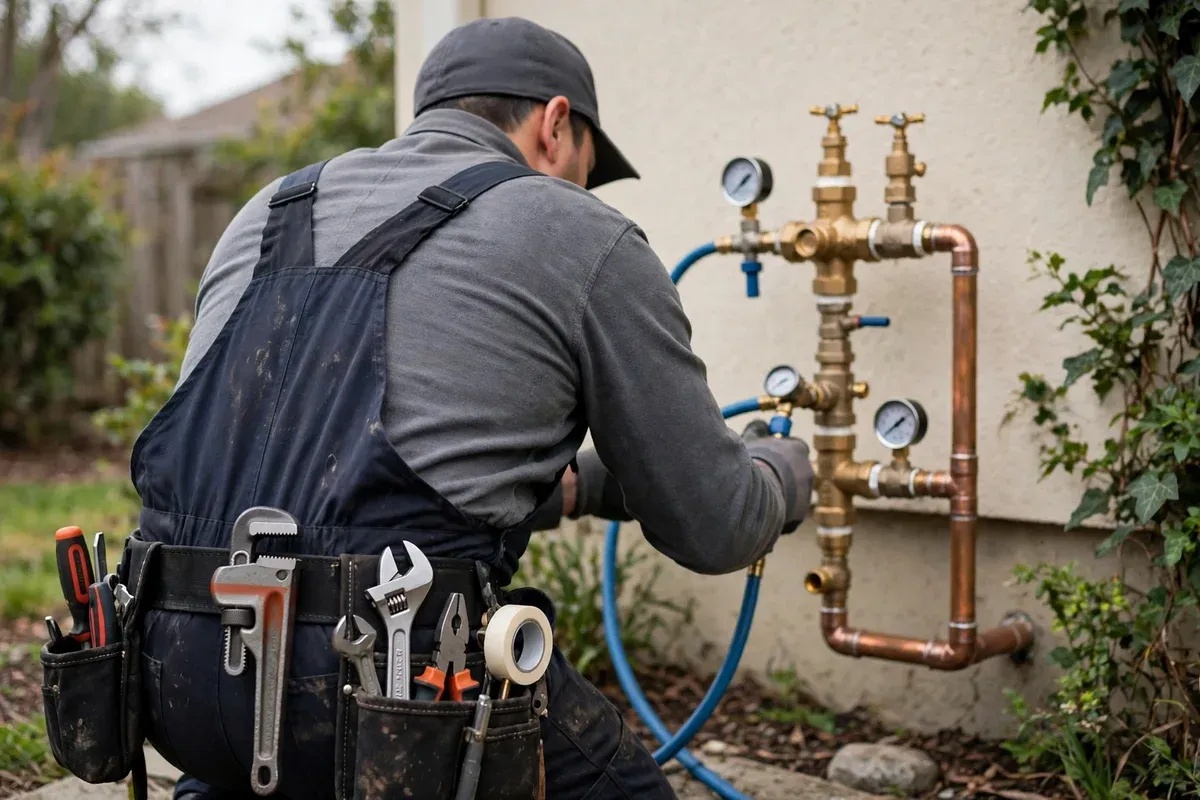
Section isolation that lets one part of the system be tested while the rest stays safe and undisturbed.
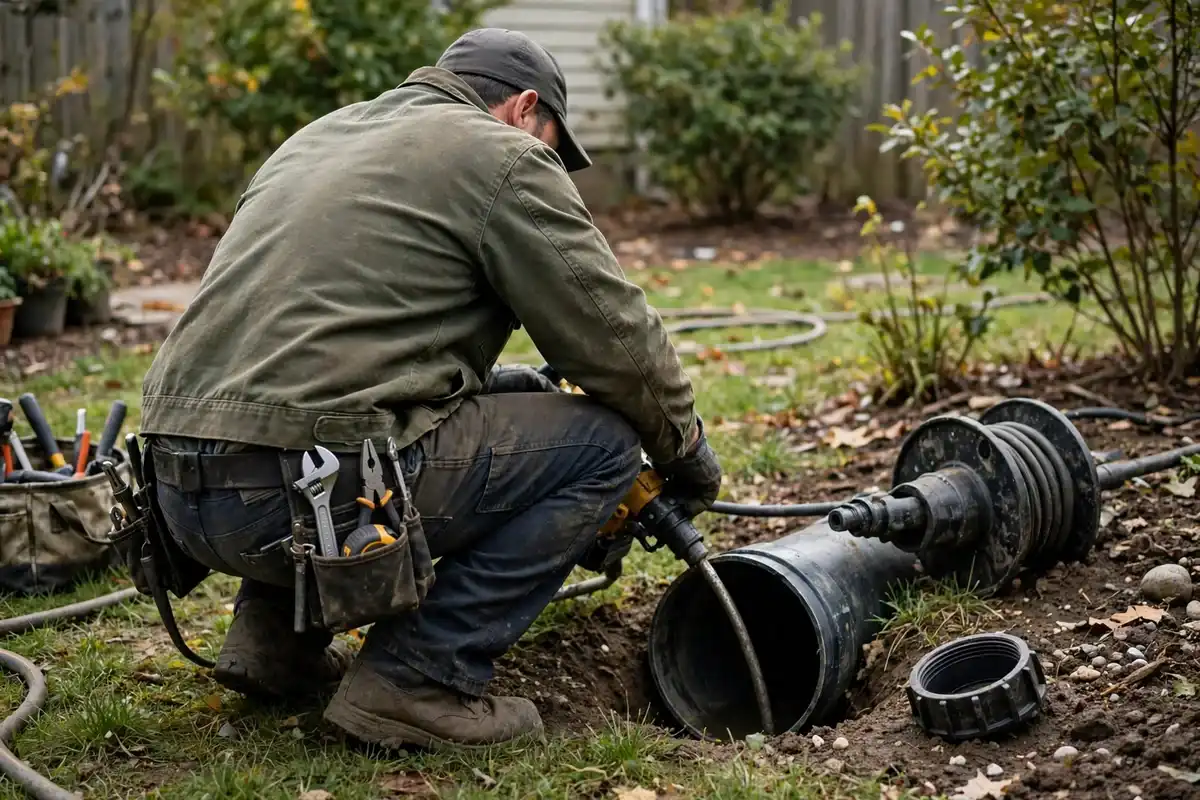
Close inspection of flexible connectors, unions and threaded joints for age, damage and corrosion, each checked as a possible source.
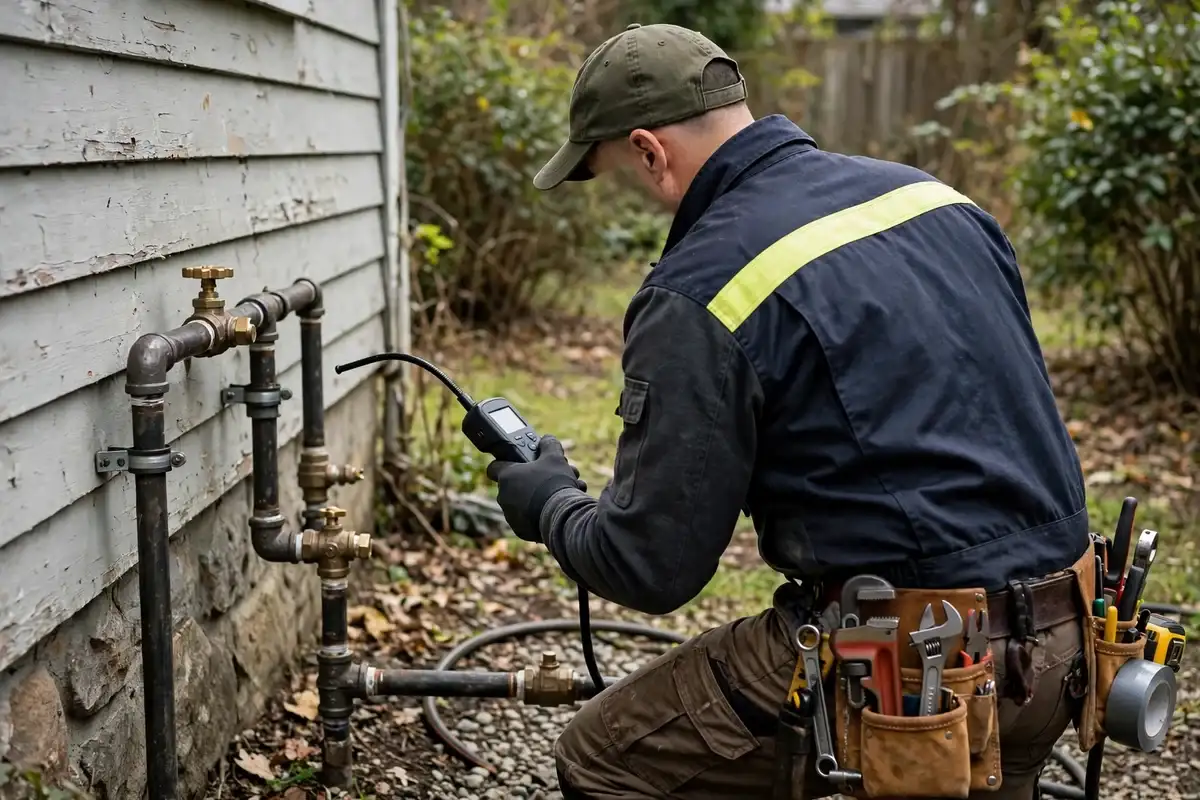
Verification that each appliance shutoff works and is accessible, so a suspect appliance can be isolated cleanly during testing.
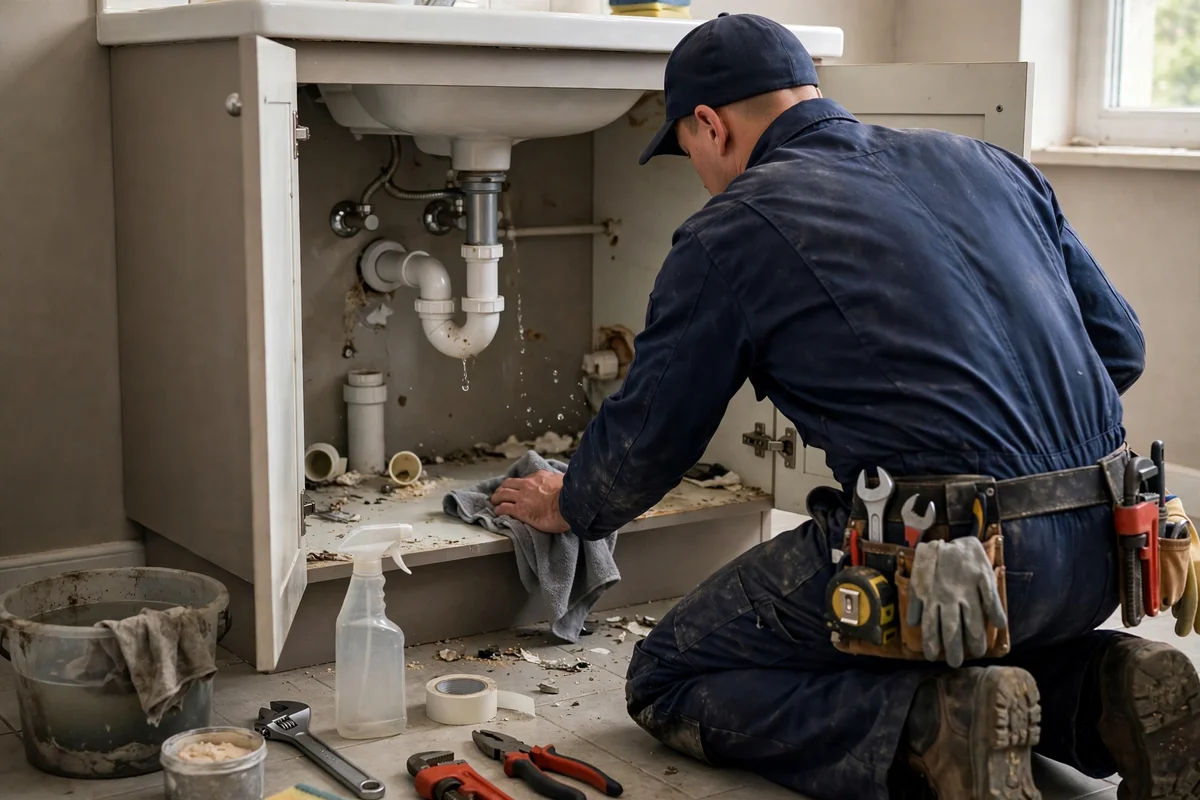
A full retest after repair, with the result explained before sign-off. A repair without a retest is an unfinished job.
Detection and repair in Conyers follow the 2024 International Plumbing Code with Georgia Amendments, effective 1 January 2026.
Evacuate and call 911 or the utility first. After safety clearance, we test the stove connection and its supply section joint by joint until the source is proven.
An intermittent smell is still treated as a leak until testing proves otherwise. We isolate and test sections, because a leak that fades has not necessarily stopped.
Lines disturbed by remodelling are a common source. We test the disturbed section first, then widen the search if that section holds pressure.
We take the flagged section as the starting point, test it, and widen or narrow the search from the test result, with repair priced in writing before work.
Conyers housing age shapes gas leak work more than any other local factor. With a city median year built of 1993 and a county median of 1990, and a significant 1970s cohort now past 45 years old, ageing connectors and corroded joints are a realistic expectation in older homes, while newer homes more often present leaks after a remodel disturbed a line. The safety rule, however, is identical in every area and every house type: evacuate, then 911 or the gas utility.
A gas smell near the kitchen stove had been noticed twice, then faded. The homeowner was unsure whether to worry.
After evacuation, utility attendance and safety clearance, section testing isolated the stove supply, and joint checks proved a worn flexible connector as the source. The connector was replaced and the line retested.
A smell that fades is not a leak that has gone. Testing, not waiting, is what proves it.
A remodel had moved a laundry wall, and a faint gas smell appeared intermittently afterwards. No single appliance seemed responsible.
Section testing narrowed the leak to the remodelled run, and a joint disturbed during the work was proven as the source. Repair and retest followed, with the result explained before sign-off.
After a remodel, test the disturbed run. Disturbance is a cause, not a coincidence, until testing says otherwise.
A utility visit had flagged a possible leak and isolated the supply, leaving the home without gas until the source was found.
Testing from the flagged section outward proved a single failed joint. Repair was priced in writing, completed, and retested, and the home's supply was restored on a proven result.
A utility isolation stays in place until detection proves the source and a retest proves the repair. That sequence protects the household.
Every problem below is handled safety-first. Detection never precedes evacuation and clearance.
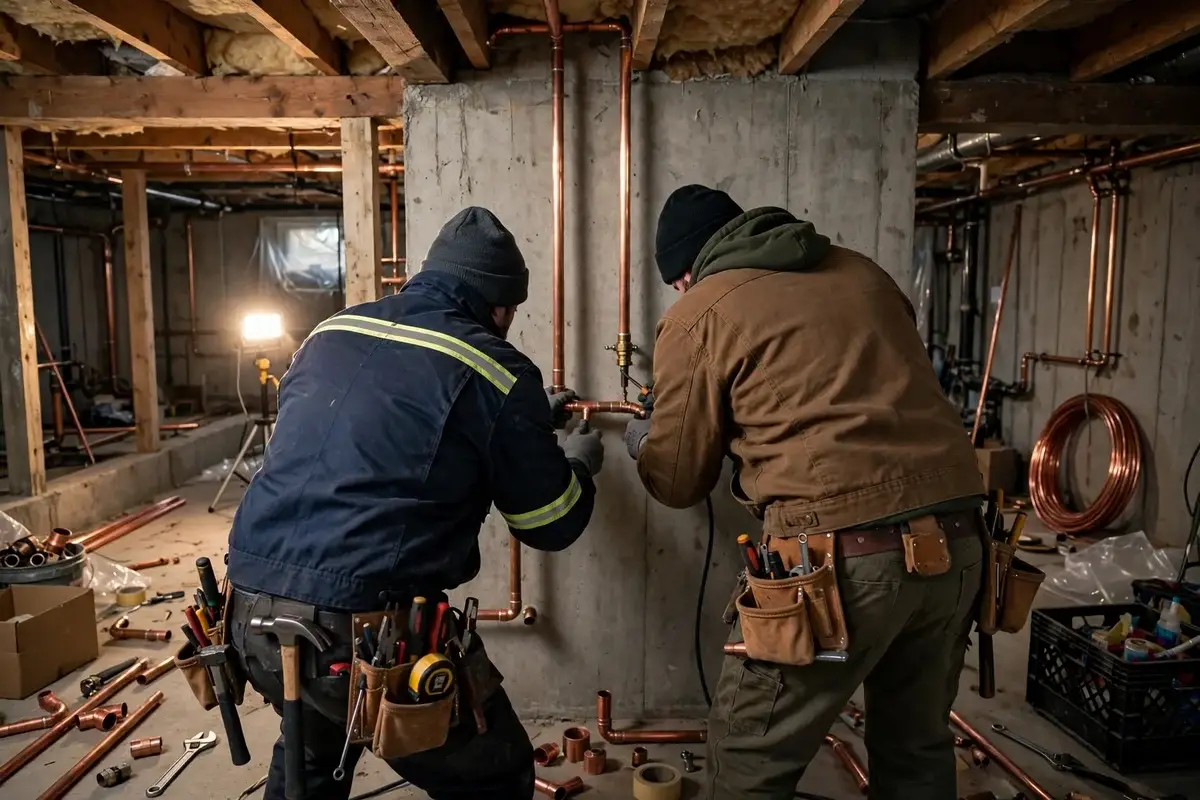
Evacuate and call 911 or the gas utility. After clearance, we isolate and test sections until the source is proven, then repair it and retest.
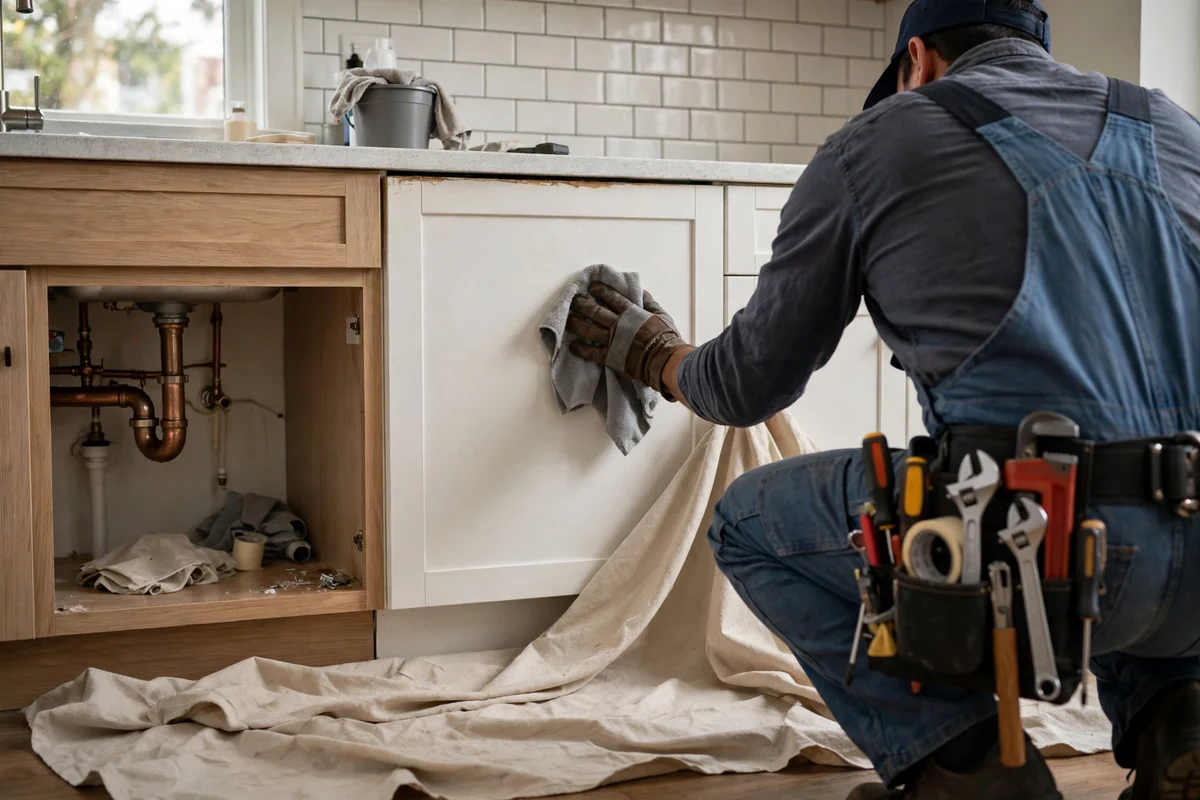
We treat an intermittent smell as a leak until testing proves otherwise. Section testing, not waiting for the smell to return, is the method.
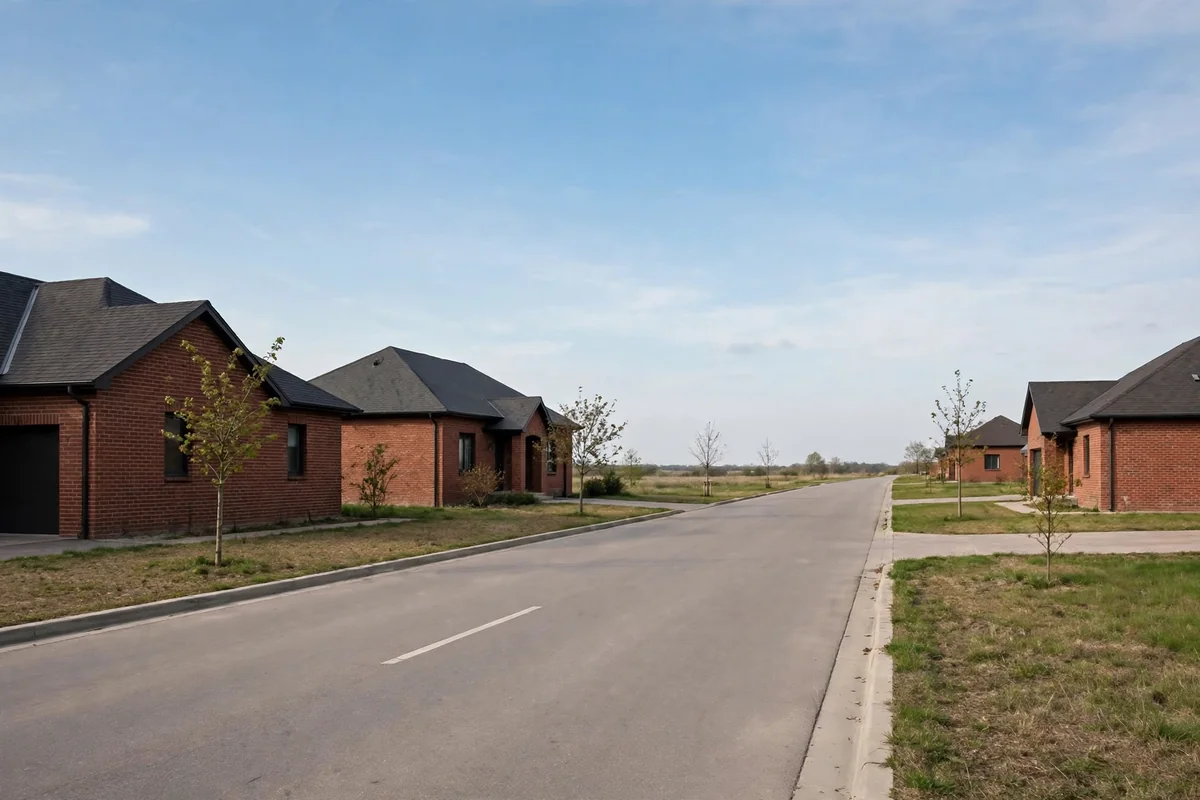
We test the section the connector serves, prove the connector as the source, replace it, and retest the line before sign-off.
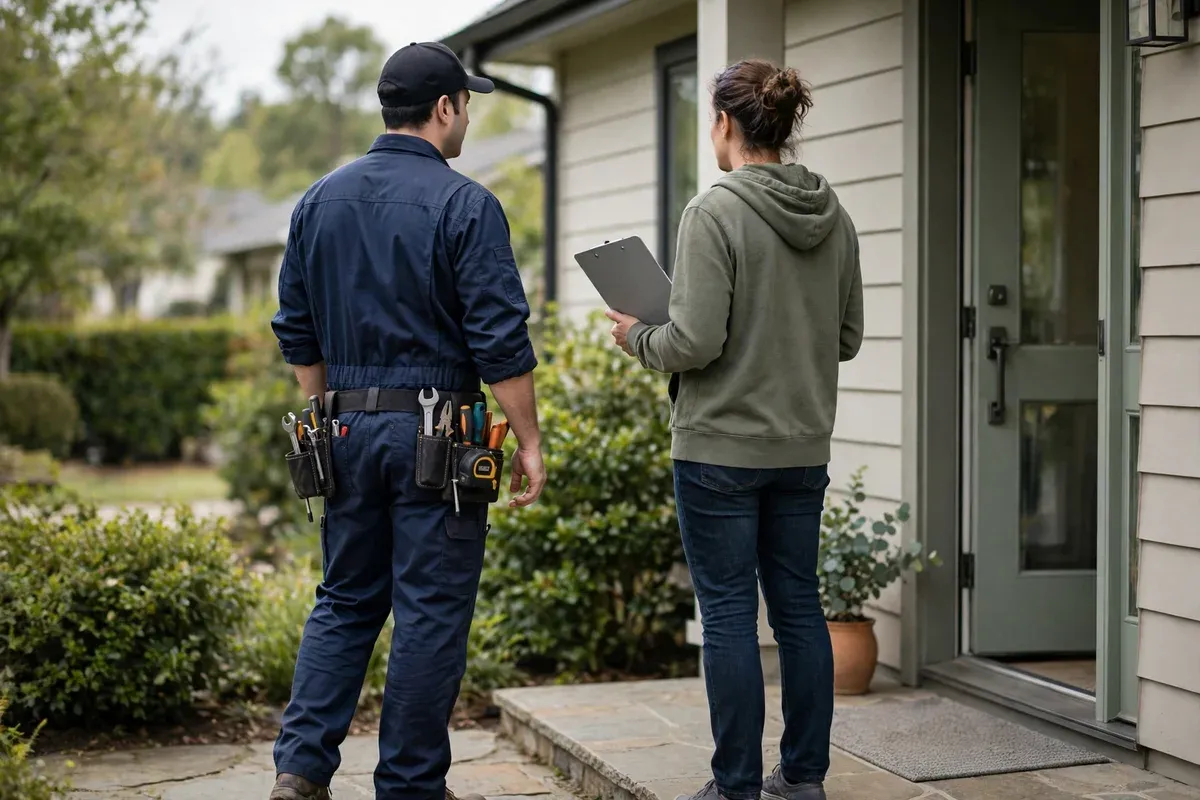
We prove the joint with approved methods, remake or replace it, and retest. A joint is not tightened and left unproven.
Evacuate and call 911 or the gas utility on a gas smell. That rule is stated before any service claim on this page, because it is the claim that matters most.
Section pressure testing finds the leak's location by evidence, not by sniffing or guessing, and that evidence is what the repair is based on.
A repair is not finished until the line holds pressure on retest. You are told the result before sign-off.
You approve the scope and the price in writing before repair work starts. No firm price is published on this page. Call for a written price before work starts; any price discussion on this page is Oct-2026 Atlanta market data, not SoCo Plumbers' prices.
Records from the visit, written so you can keep and share them.
Which section lost pressure, and which joint, connector or pipe section was proven as the source
Confirmation that the repaired line held pressure on retest
The smell rule and the shutoff location, explained again before we leave
Three points cover almost everything a homeowner needs to know about gas leaks, and the first one is the only one that matters in the moment.
Smell gas, leave, do not switch anything, call 911 or the utility from outside. No exception for a faint smell, a smell that fades, or a smell you think you recognise.
Only section testing and joint checks can prove a source. A leak found by smell alone has not been found at all in any sense that justifies a repair.
If a gas repair is offered without a retest, it is not finished. Ask for the retest result, and expect it to be given plainly.
Conyers and the four areas above — call +17708971640 during business hours to confirm your address.
4.7 stars from 7 Google reviews · Read reviews on Google
Leave the building immediately, do not switch lights or appliances on or off, do not use a phone inside, and call 911 or your gas utility from outside. Do not call a plumber first, do not re-enter to investigate, and do not wait to see whether the smell fades.
No firm price is published on this page. Call for a written price before work starts; any price discussion on this page is Oct-2026 Atlanta market data, not SoCo Plumbers' prices. The final price depends on system size, section count and the repair the proven source requires, so it is given in writing after detection, not over the phone.
SoCo Plumbers is open Monday to Friday, 9 AM to 5 PM, and closed Saturday and Sunday, and we do not claim after-hours availability. A gas smell at any hour is an evacuate-and-call-911-or-utility event, and that response does not wait for business hours.
By isolating the system into sections, pressure testing each section, and then checking joints, valves and connectors in the section that loses pressure, using approved methods, until the source is proven. The repair is then retested before sign-off.
If you smell gas now, leave the building and call 911 or your gas utility from outside. For detection and repair after the area is safe, call SoCo Plumbers at +1 770-897-1640 during business hours, Monday to Friday, 9 AM to 5 PM.
Call SoCo Plumbers at +1 770-897-1640. We are open Monday to Friday, 9 AM to 5 PM, and closed Saturday and Sunday. For detection after a suspected leak, tell us what the utility or emergency responders found. If you smell gas now, evacuate and call 911 or the gas utility first.